中文
中文 English
 русский
 Español
News
Excellent product with exquisite craftsmanship.

 sales2@wxdoka.com
 +86-15190391637
 No.18 Xiangge Road, Hudai Town, Binhu District, Wuxi, China
Fuel injectors are among the most precision-engineered components in a modern engine, directly influencing fuel efficiency, power output, emissions control, and overall drivability. Delphi has established itself as a leading manufacturer in this space, supplying original equipment and aftermarket injectors trusted by automakers and repair professionals alike. This article examines what sets Delphi fuel injectors apart, the specific advantages they offer, and practical considerations for selecting and maintaining them in a wide range of vehicle applications.
Content
Fuel injectors are responsible for delivering a precisely metered and atomized spray of fuel into the engine's combustion chamber or intake manifold, timed exactly with the engine's operating cycle. This precision directly affects how efficiently fuel burns, how much power the engine produces, and how clean the exhaust emissions are. Even minor inconsistencies in spray pattern, timing, or fuel volume can lead to rough idling, reduced fuel economy, hesitation during acceleration, or increased emissions.
Because injectors operate under constant high pressure and are exposed to heat, vibration, and fuel contaminants, their internal components—including the solenoid or piezoelectric actuator, nozzle, and pintle valve—must maintain tight tolerances over hundreds of thousands of open-close cycles. This is where manufacturing quality becomes critical to long-term performance.
Delphi's long history as a Tier 1 automotive supplier means its fuel injectors are engineered to original equipment specifications, often supplying the very components used by vehicle manufacturers on the production line. This background translates into several distinct advantages over generic aftermarket alternatives.
Delphi injectors are manufactured with tight dimensional tolerances on critical components such as the nozzle orifice and valve seat. This precision ensures a consistent, finely atomized fuel spray pattern that promotes more complete combustion, which in turn supports smoother engine operation and reduces the formation of carbon deposits over time.
Many Delphi injectors incorporate wear-resistant coatings on internal moving parts, reducing friction and extending service life even under the abrasive conditions created by lower-quality fuels. These materials also help resist corrosion from ethanol-blended fuels, which can degrade seals and internal surfaces over time in lower-quality injectors.
Delphi produces injectors for multiple fuel delivery architectures, each engineered to meet the specific pressure and spray requirements of that system. Understanding these differences helps buyers select the correct injector type for their vehicle.
| Injector Type | Typical Application | Key Characteristic |
| Port Fuel Injection | Gasoline passenger vehicles | Sprays fuel into intake manifold before intake valve |
| Gasoline Direct Injection | Modern high-efficiency gasoline engines | Injects fuel directly into combustion chamber at high pressure |
| Diesel Common Rail | Diesel trucks and passenger vehicles | Delivers fuel at very high pressure via shared fuel rail |
Because gasoline direct injection and diesel common rail systems operate at significantly higher pressures than traditional port injection, the injectors used in these systems require even tighter manufacturing tolerances, an area where Delphi's engineering expertise provides a measurable performance advantage.
Recognizing the early symptoms of failing fuel injectors can prevent more serious engine performance issues and help avoid costly repairs down the line. While some symptoms overlap with other engine problems, several patterns point specifically toward injector-related issues.
If these symptoms appear, a fuel pressure test or injector flow test can help confirm whether replacement is necessary before more extensive diagnostic work is performed.
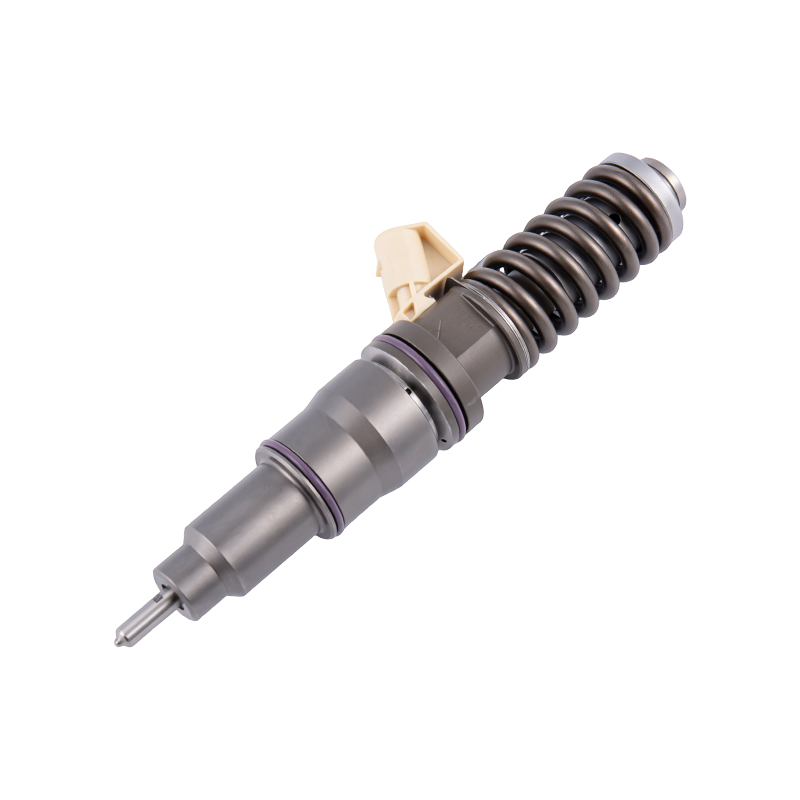
Selecting the correct injector involves matching several technical specifications to your vehicle's exact requirements, since even injectors that appear physically similar can have different flow rates or electrical characteristics.
Each injector is rated for a specific flow rate measured in cubic centimeters per minute or pounds per hour. Installing injectors with mismatched flow rates across cylinders can cause uneven fuel distribution, leading to rough running and inaccurate air-fuel ratio readings from the engine control unit.
Injectors are classified as either high-impedance or low-impedance based on their electrical resistance, and using the wrong type can damage the engine control unit's driver circuit. Additionally, confirming that the connector style matches the vehicle's wiring harness prevents the need for splicing or adapter harnesses.
Proper fuel system maintenance plays a significant role in maximizing the lifespan of Delphi injectors. Using high-quality fuel with adequate detergent additives helps prevent deposit buildup on injector tips and internal valve components. Periodic fuel system cleaning, either through fuel additives or professional injector cleaning service, can help remove accumulated deposits before they affect spray pattern quality.
Replacing fuel filters at manufacturer-recommended intervals also protects injectors from contaminants that could cause premature wear or clogging. For vehicles operating in regions with lower fuel quality standards, more frequent fuel system inspections are advisable to catch early signs of injector fouling before performance is noticeably affected.
Delphi fuel injectors combine precision manufacturing, advanced materials, and OEM-level engineering to deliver consistent performance across gasoline and diesel fuel systems. Their tight tolerances and wear-resistant construction translate into smoother engine operation, improved fuel efficiency, and reduced emissions over the long term. By understanding flow rate requirements, electrical specifications, and proper maintenance practices, vehicle owners and technicians can maximize the performance and lifespan of Delphi injectors, ensuring reliable engine operation across a wide range of driving conditions.
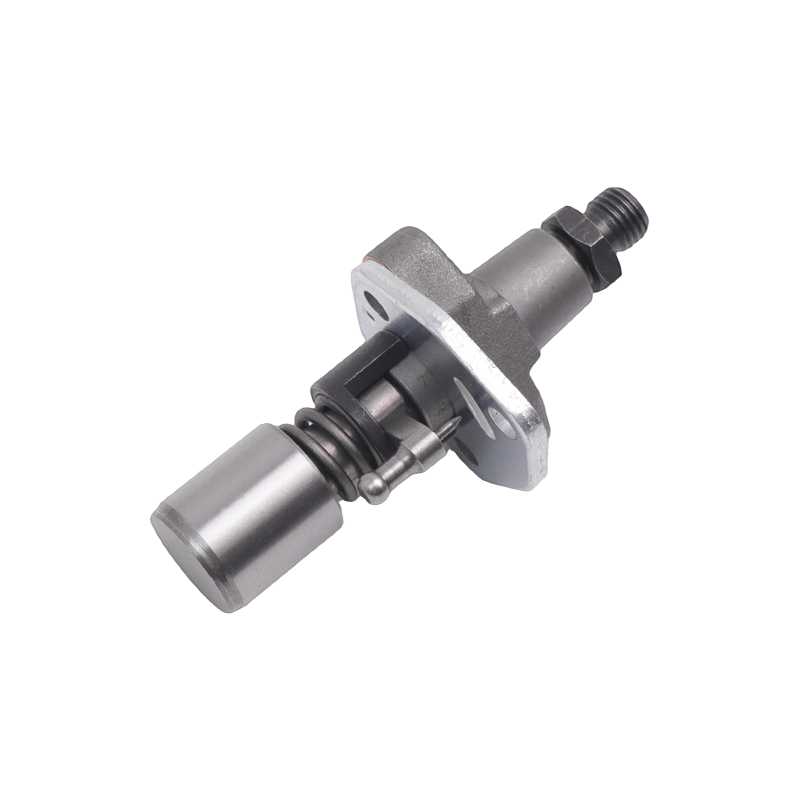
The 186FA Fuel Injection Pump is purpose-built for Yanmar-series KD186FA and KD1...
See Details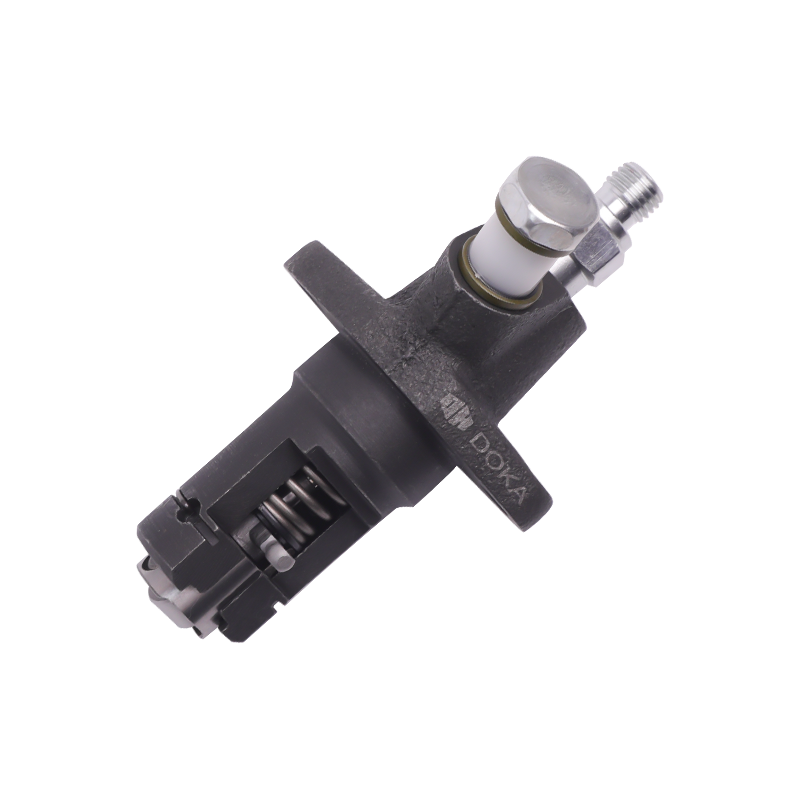
Yanmar Series 168F Fuel Injection Pump is a mechanical plunger type specifically...
See Details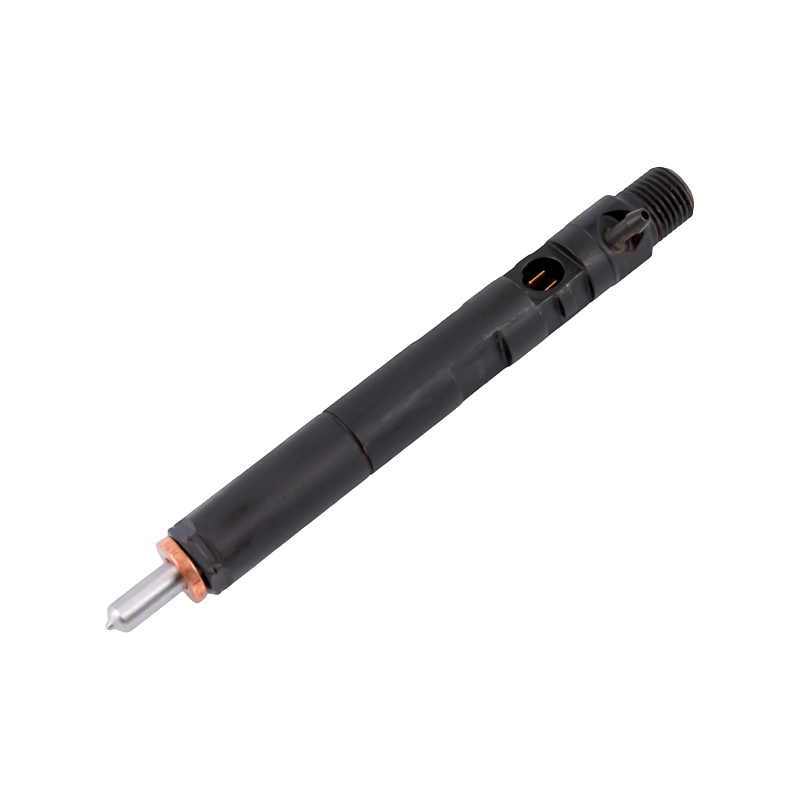
The product compatible with Delphi EJBR01801A fuel injector in the Multec Series...
See Details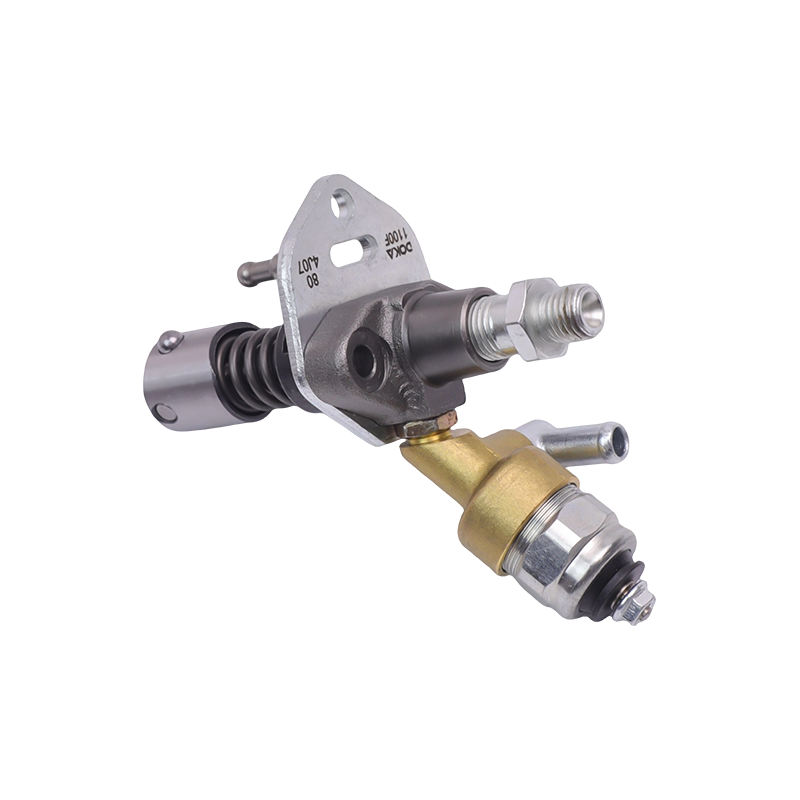
The 1100F solenoid-valve-type Fuel Injection Pump is engineered for the Yanmar-s...
See Details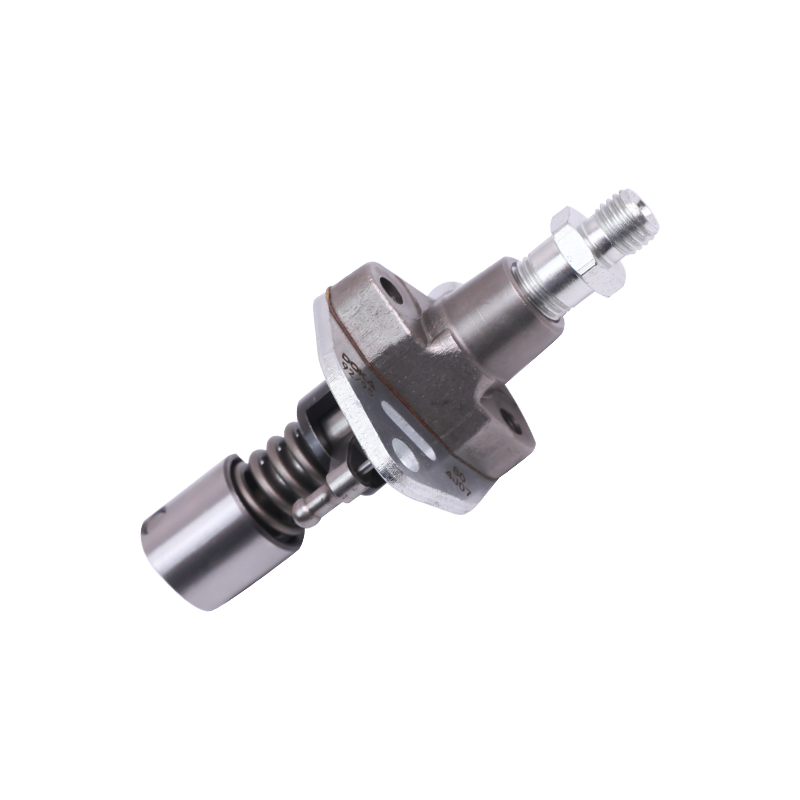
The 192F roller-type Fuel Injection Pump is designed for Yanmar-series KD192F an...
See Details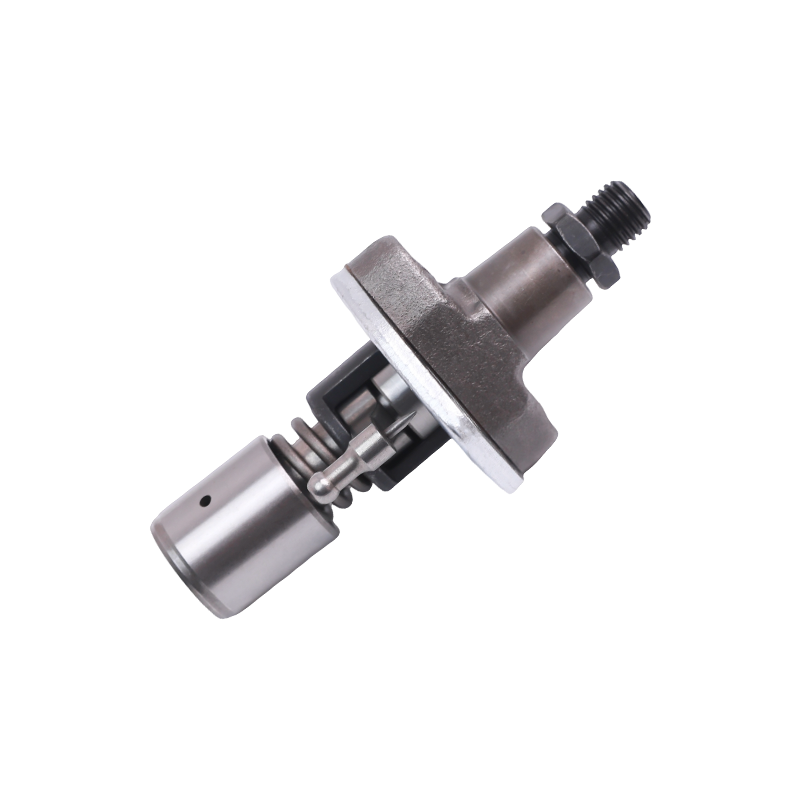
The 192F Fuel Injection Pump is engineered for Yanmar-series KD192F and KD192FE ...
See Details