中文
中文 English
 русский
 Español
News
Excellent product with exquisite craftsmanship.

 sales2@wxdoka.com
 +86-15190391637
 No.18 Xiangge Road, Hudai Town, Binhu District, Wuxi, China
Content
Delphi Technologies has been one of the most recognized names in fuel system engineering for decades. Originally part of General Motors before becoming an independent automotive supplier, Delphi developed deep expertise in fuel injection systems that now supplies both original equipment manufacturers (OEMs) and the aftermarket replacement parts sector worldwide. Their fuel injectors are fitted as standard equipment on millions of vehicles across North America, Europe, Asia, and beyond, covering gasoline direct injection (GDI), port fuel injection (PFI), and diesel common rail applications.
What distinguishes Delphi fuel injectors from generic alternatives is the combination of precision manufacturing tolerances, proprietary coating technologies, and rigorous validation testing that mirrors OEM production standards. Each injector is designed to deliver a specific fuel atomization pattern, flow rate, and spray geometry matched to the engine's combustion chamber design. This precision matters enormously: even a 5% deviation in fuel delivery per injector can measurably affect fuel economy, emissions output, and drivability. For technicians, fleet managers, and vehicle owners sourcing replacement injectors, understanding what Delphi offers — and why specification matching is critical — directly influences repair outcomes.
A fuel injector is fundamentally an electronically controlled solenoid valve. The engine control unit (ECU) sends a precisely timed electrical pulse to the injector's solenoid coil. This energizes the coil, generating a magnetic field that lifts a needle valve or ball valve off its seat against the closing force of a return spring. Pressurized fuel — supplied by the fuel pump and regulated to a specific rail pressure — then flows through a calibrated orifice and is atomized into the intake port or directly into the combustion chamber as a fine mist. When the ECU stops the pulse, the spring returns the valve to its closed position, stopping fuel flow with microsecond precision.
Delphi's injector designs incorporate several engineering refinements within this basic mechanism. Their multi-hole nozzle tips — used in GDI and diesel applications — create highly targeted spray patterns optimized for specific combustion geometries, improving fuel-air mixing efficiency and reducing wall wetting. The pintle-style nozzles used in many port injection applications produce a hollow-cone spray optimized for upstream mixing before the intake valve. Internal components are manufactured to tolerances measured in microns, and valve seats are precision-lapped to ensure consistent sealing under repeated thermal cycling across hundreds of thousands of engine cycles.
Delphi produces fuel injectors across all major injection system architectures. Understanding which type applies to a given vehicle is the essential first step in any sourcing or diagnostic decision.
Port fuel injectors are positioned in the intake manifold, upstream of the intake valve. They operate at relatively low fuel pressures, typically 35–65 psi (2.4–4.5 bar), and inject fuel into the incoming air stream before it enters the cylinder. Delphi's PFI injectors are used extensively in naturally aspirated gasoline engines produced between the 1980s and present day. They are characterized by robust, long-service-life designs with flow rates matched to specific engine displacement and power output targets. Because they spray onto the back of the intake valve, they also contribute to cleaning valve deposits under normal operation — an important characteristic that GDI engines lack.
GDI injectors operate at significantly higher pressures — typically 1,500–3,600 psi (100–250 bar) — and inject fuel directly into the combustion chamber during the compression stroke. Delphi is a major OEM supplier of GDI injectors for turbocharged gasoline engines, which now dominate new vehicle production globally due to their fuel efficiency and power density advantages. GDI injectors face considerably harsher operating conditions than PFI units: they are exposed to combustion chamber temperatures, carbon buildup from blow-by gases, and the mechanical stress of high-pressure operation. Delphi's GDI injectors use hardened needle materials, specialized seat coatings, and multi-hole nozzle geometries to manage these demands.
For diesel applications, Delphi produces common rail injectors operating at rail pressures from 1,600 bar in passenger car applications up to 2,500 bar in commercial vehicle and off-highway engines. These injectors use either solenoid or piezoelectric actuation to enable multiple injection events per combustion cycle — pilot injection, main injection, and post injection — which are the key to achieving the noise, emissions, and efficiency targets of modern diesel engines. Delphi's diesel injector portfolio covers a wide range of passenger vehicles, light commercial vans, trucks, and agricultural machinery.
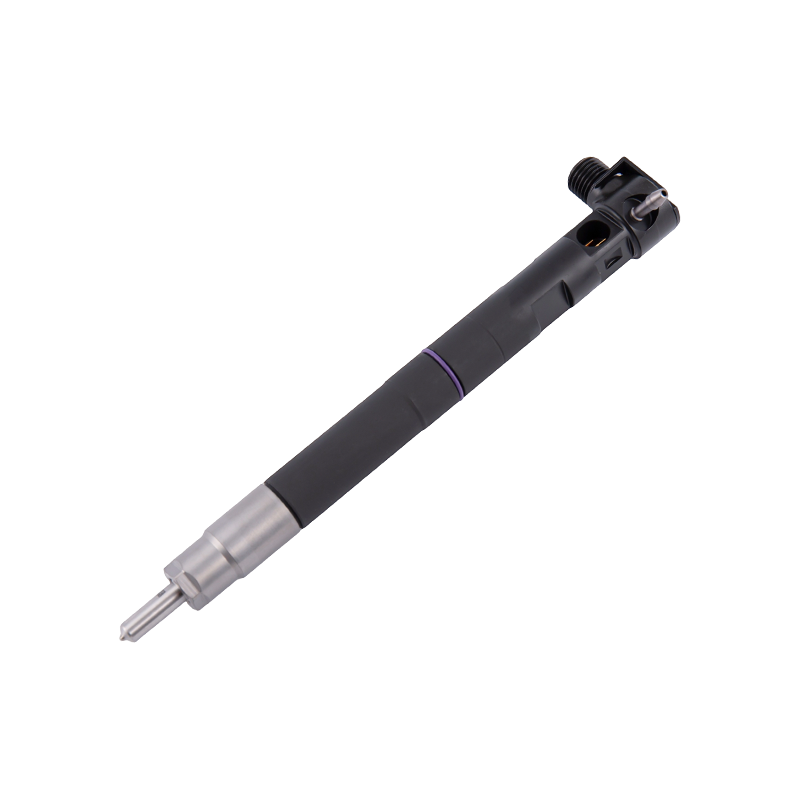
Fuel injectors degrade over time due to deposit accumulation, internal wear, and seal deterioration. Recognizing the symptoms of injector failure early prevents secondary damage to catalytic converters, oxygen sensors, and the engine itself. The following are the most reliable indicators that one or more fuel injectors require attention:
Purchasing a replacement Delphi fuel injector requires matching several critical specifications to the original equipment part. Using an injector with incorrect flow rate, spray pattern, or electrical resistance will cause drivability problems even if the physical fitment appears correct. The table below outlines the key parameters to verify:
| Parameter | Why It Matters | Typical Range |
| Flow Rate (cc/min) | Determines fuel delivery volume per unit time; must match engine fueling map | 150–500 cc/min (PFI); higher for GDI |
| Spray Pattern | Affects fuel atomization and combustion efficiency; cone angle must suit port geometry | Single-spray, dual-spray, multi-hole |
| Electrical Resistance | High-impedance (12–16 Ω) and low-impedance (2–5 Ω) injectors require different driver circuits | 2–16 Ω depending on type |
| Operating Pressure | Flow rate is pressure-dependent; replacing with a mismatched pressure rating changes effective delivery | 35–65 psi (PFI); 1,500–3,600 psi (GDI/diesel) |
| Connector Type | Physical harness connector must match vehicle wiring; EV1, EV6, and Jetronic are common non-interchangeable types | EV1, EV6, USCAR, Jetronic |
| O-Ring Size and Material | Incorrect seals cause fuel leaks; ethanol-compatible materials required for E10/E85 fuels | Viton or nitrile rubber; top and bottom seals |
When injector performance degrades, the choice between professional cleaning and outright replacement depends on the nature of the fault, the vehicle's mileage, and the cost comparison for the specific application. Ultrasonic cleaning combined with flow testing is an effective and economical intervention for injectors that are partially clogged with varnish or carbon deposits but are otherwise mechanically sound. A reputable injector cleaning service will measure flow rate and spray pattern before and after cleaning, confirming that the injector has returned to within specification — typically within ±2% of the nominal flow rate across all injectors in the set.
Replacement is the correct decision when cleaning cannot restore flow balance, when internal wear has caused erratic opening behavior visible on oscilloscope testing, when external seals are cracked or hardened beyond reuse, or when the vehicle has accumulated high mileage and a preventative full-set replacement makes economic sense relative to the labor cost of staged individual replacements. Delphi's aftermarket injector range is manufactured to the same dimensional and performance specifications as their OEM parts and is available with full application coverage data, making like-for-like replacement straightforward when the correct part number is confirmed against the vehicle's VIN and original equipment specification.
Correct installation procedure is as important as part quality in achieving a successful outcome. The following steps should be followed regardless of whether a single injector or a complete set is being replaced:
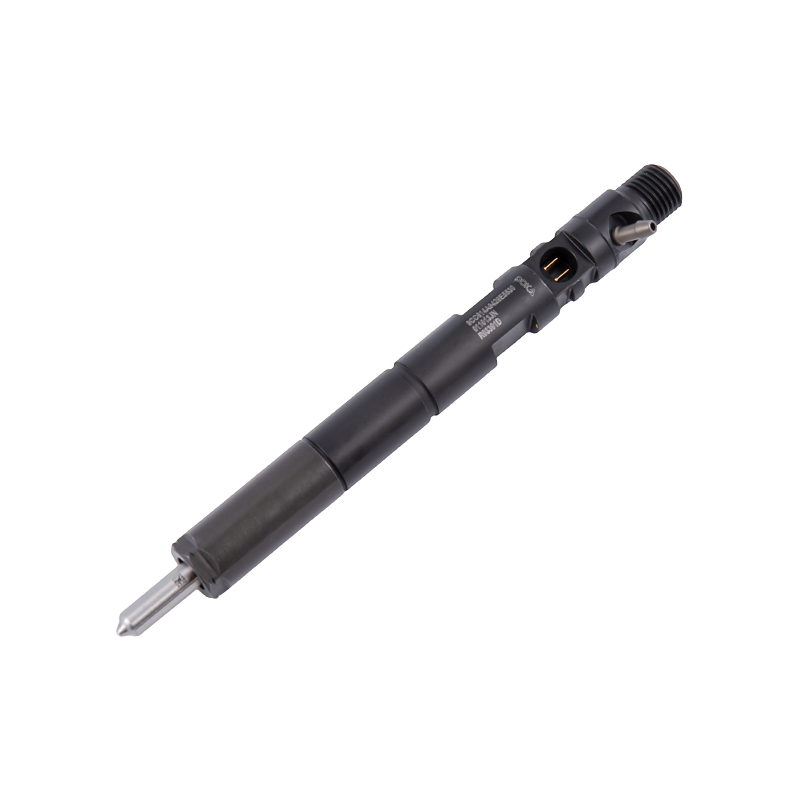
The product compatible with Delphi EJBR03301D fuel injector from the Multec Seri...
See Details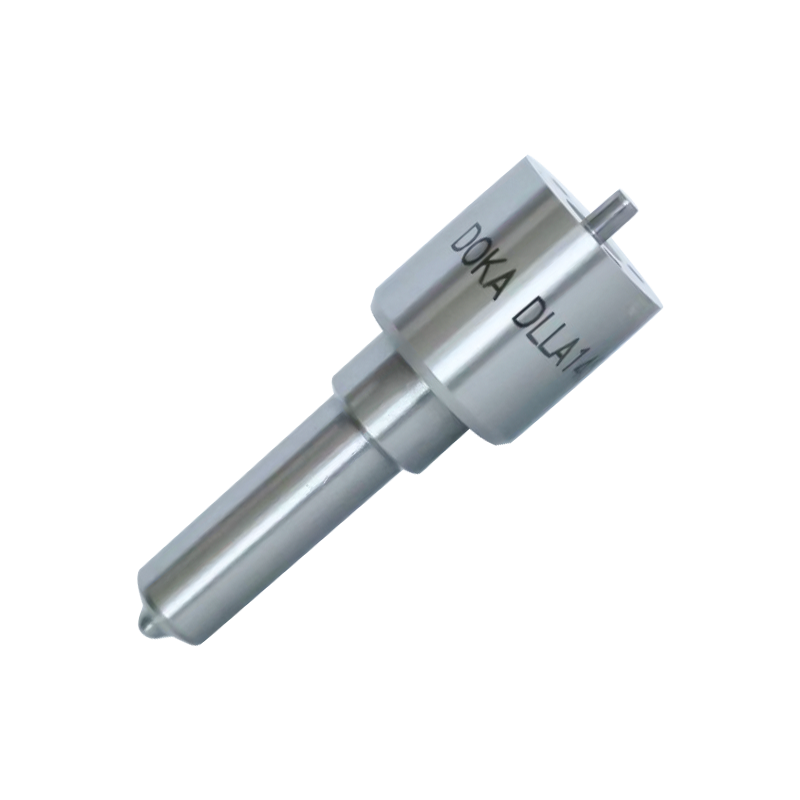
The DLLA153P884 Common Rail Fuel Nozzle is manufactured using advanced technolog...
See Details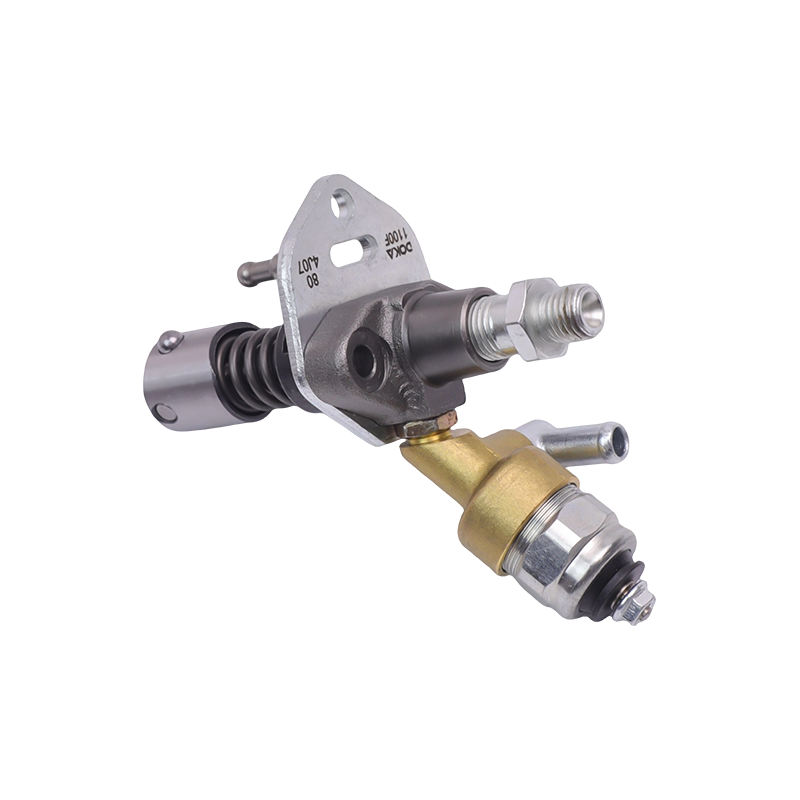
The 1100F solenoid-valve-type Fuel Injection Pump is engineered for the Yanmar-s...
See Details
The product compatible with Delphi 28236381 fuel injector from the Multec Series...
See Details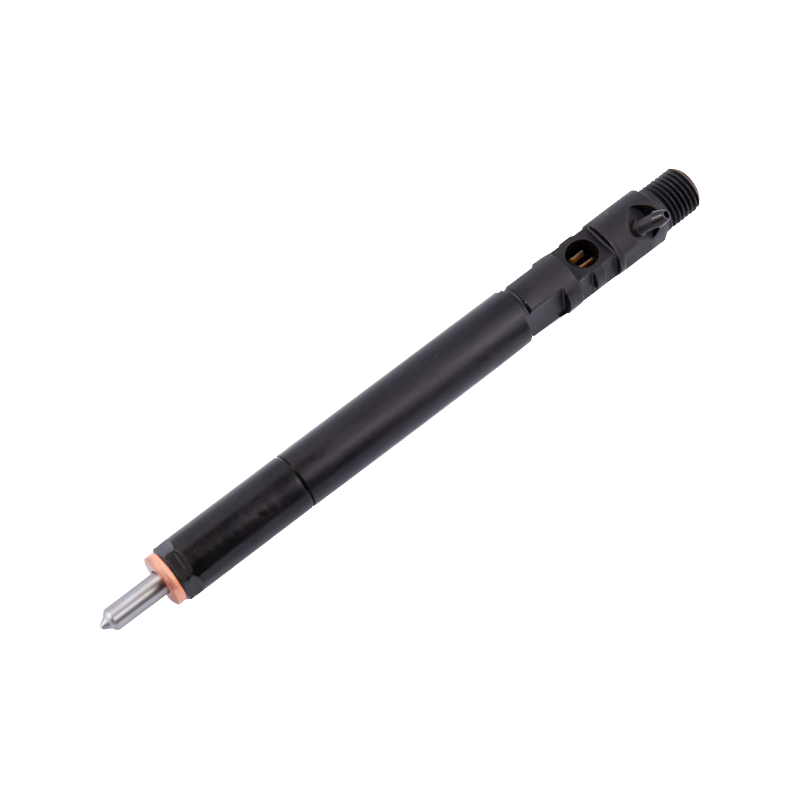
The product compatible with Delphi EJBR04701D fuel injector from the Multec Seri...
See Details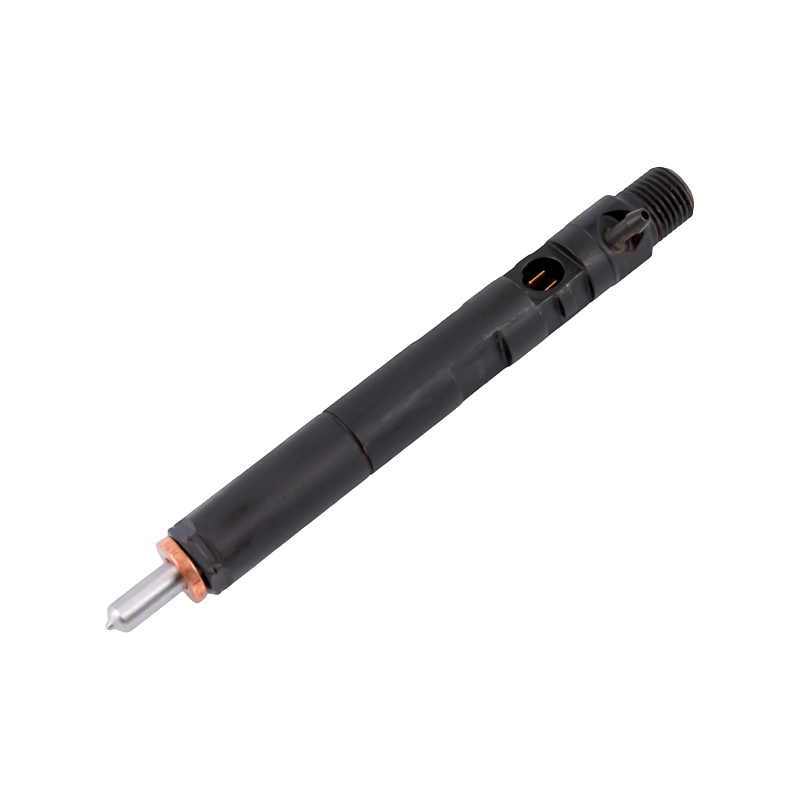
The product compatible with Delphi EJBR01801A fuel injector in the Multec Series...
See Details