中文
中文 English
 русский
 Español
News
Excellent product with exquisite craftsmanship.

 sales2@wxdoka.com
 +86-15190391637
 No.18 Xiangge Road, Hudai Town, Binhu District, Wuxi, China
Caterpillar fuel injectors are precision components responsible for delivering fuel into the combustion chambers of Cat diesel engines with exact timing and pressure. Because these engines power heavy machinery, trucks, generators, and marine equipment, a properly functioning injector directly affects fuel economy, power output, emissions, and overall engine reliability. This article provides a detailed look at how Caterpillar fuel injectors work, the different types used across Cat engine families, common failure signs, and practical maintenance guidance for equipment owners and technicians.
Content
A fuel injector's job is to atomize diesel fuel into a fine mist and spray it into the cylinder at precisely the right moment during the combustion cycle. Caterpillar engines rely on this precision to achieve efficient combustion, since even a slight deviation in timing or spray pattern can lead to incomplete burning, increased emissions, or lost power. The injector receives pressurized fuel from the engine's fuel system, whether that is a mechanical pump, a common rail system, or a hydraulic electronic unit injector, and converts that pressure into a controlled spray through a nozzle at the injector tip.
Modern Caterpillar engines use electronically controlled injectors that communicate with the engine control module (ECM). The ECM adjusts injection timing, duration, and pressure in real time based on sensor data such as engine load, RPM, and temperature, allowing the engine to optimize performance across a wide range of operating conditions.
Caterpillar has used several injector technologies across its engine lineup, each suited to different engine designs and emission standards. Understanding which type is installed on a given engine is essential for proper diagnosis and parts ordering.
| Injector Type | Common Application | Key Feature |
| Hydraulic Electronic Unit Injector (HEUI) | 3126, C10, C12, C15 series | Uses engine oil pressure to actuate injection |
| Mechanical Unit Injector (MUI) | Older 3406, 3408, 3412 series | Camshaft-driven, non-electronic control |
| Common Rail Injector | C7, C9, C13, C15 ACERT, C15 Gen 4 | Shared high-pressure fuel rail, precise electronic timing |
| Electronic Unit Injector (EUI) | C10, C12, 3176 series | Camshaft-actuated with electronic solenoid control |
HEUI injectors, widely used in Caterpillar's 3126 and C-series engines through the early 2000s, are particularly notable because they depend on a high-pressure oil pump rather than fuel pressure alone to actuate the injector. This design allows for flexible injection timing but also means that engine oil condition and oil pump performance directly influence injector operation.
Recognizing the early symptoms of injector wear or failure can prevent more serious engine damage and reduce repair costs. The following signs are commonly reported by operators and technicians working on Cat diesel engines.
Proper diagnosis of Caterpillar fuel injectors typically starts with a cylinder cutout test, where the ECM or a technician disables one cylinder at a time to observe changes in engine speed and smoothness. A cylinder that shows little to no RPM drop when cut out is likely receiving insufficient fuel, pointing to a weak or clogged injector. Cat ET software can also display injector balance rates, buzz test results, and fuel trim data that help isolate a faulty unit without full disassembly.
For HEUI-equipped engines, technicians should also check high-pressure oil pump output and oil condition, since low oil pressure or contaminated oil can mimic injector failure symptoms even when the injectors themselves are in good condition. Ruling out oil supply issues before replacing injectors can save unnecessary parts expense.
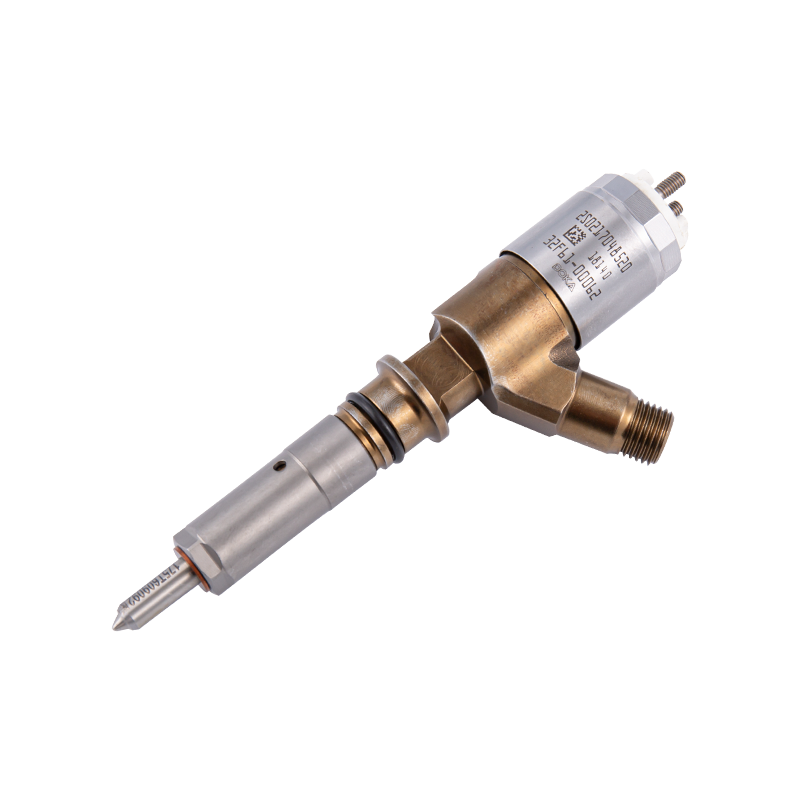
Replacement costs vary widely depending on the engine model, injector type, and whether new, remanufactured, or rebuilt units are used. The table below offers a general cost estimate range for reference.
| Injector Type | Estimated Cost Per Injector (USD) |
| Remanufactured HEUI | $150 - $350 |
| New HEUI | $400 - $700 |
| Common Rail Injector | $300 - $900 |
| Mechanical Unit Injector | $200 - $500 |
Labor costs add to the total, since accessing injectors on many Cat engines requires removing the valve cover, rocker assembly, and sometimes the intake manifold. Because injectors often fail in groups due to shared contamination sources such as bad fuel or worn fuel pumps, many shops recommend replacing all injectors in a set rather than a single unit to avoid repeat labor costs down the line.
Consistent maintenance is the most effective way to protect Caterpillar fuel injectors from premature wear. The following practices are widely recommended by Cat service technicians.
When replacement becomes necessary, equipment owners generally choose between genuine Caterpillar OEM injectors, Cat-certified remanufactured units, or aftermarket alternatives. OEM injectors offer the highest assurance of fitment and performance but come at a premium price. Cat remanufactured injectors are rebuilt to original specifications and tested before sale, often providing a reliable middle-ground option at a lower cost than new parts. Aftermarket injectors can reduce upfront expense further, but quality varies significantly between manufacturers, so verifying testing standards and warranty coverage is important before installation.
Caterpillar fuel injectors play a central role in engine performance, fuel efficiency, and emissions control across a wide range of diesel-powered equipment. By understanding the specific injector technology used in a given engine, recognizing early warning signs of wear, and following consistent maintenance practices, equipment owners and technicians can extend injector life and avoid costly downtime.
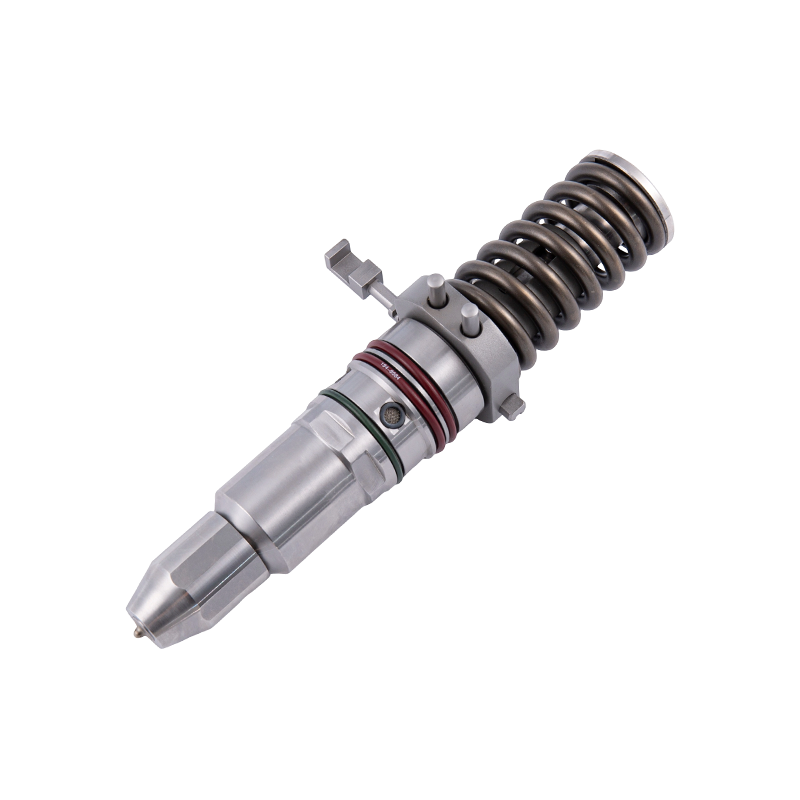
The fuel injector compatible with Caterpillar CRI/CRS series 3500A-111-3718 is d...
See Details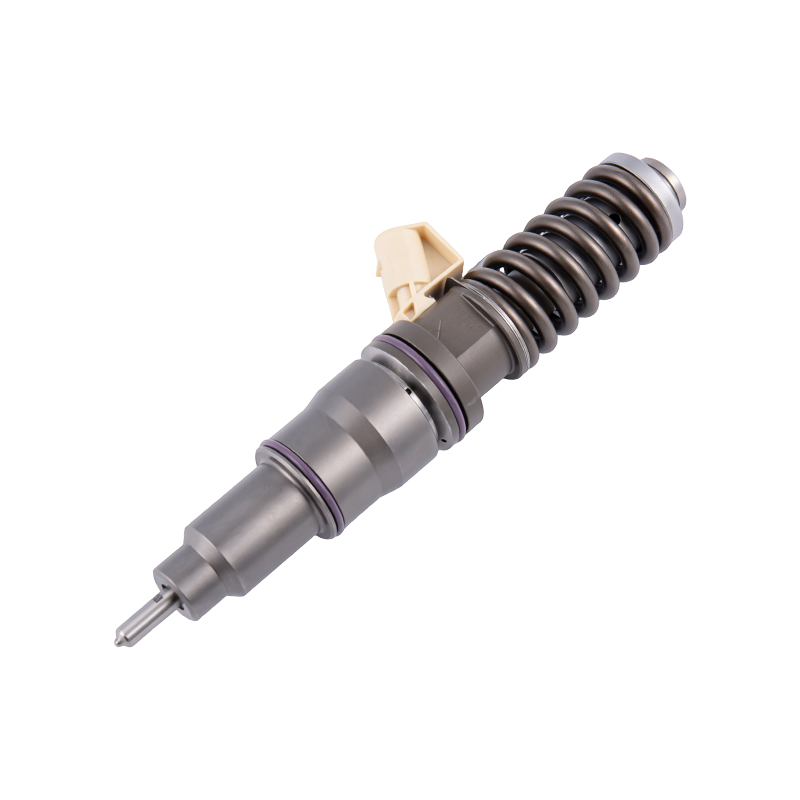
The product compatible with Delphi 20440388 fuel injector from the HDU Series is...
See Details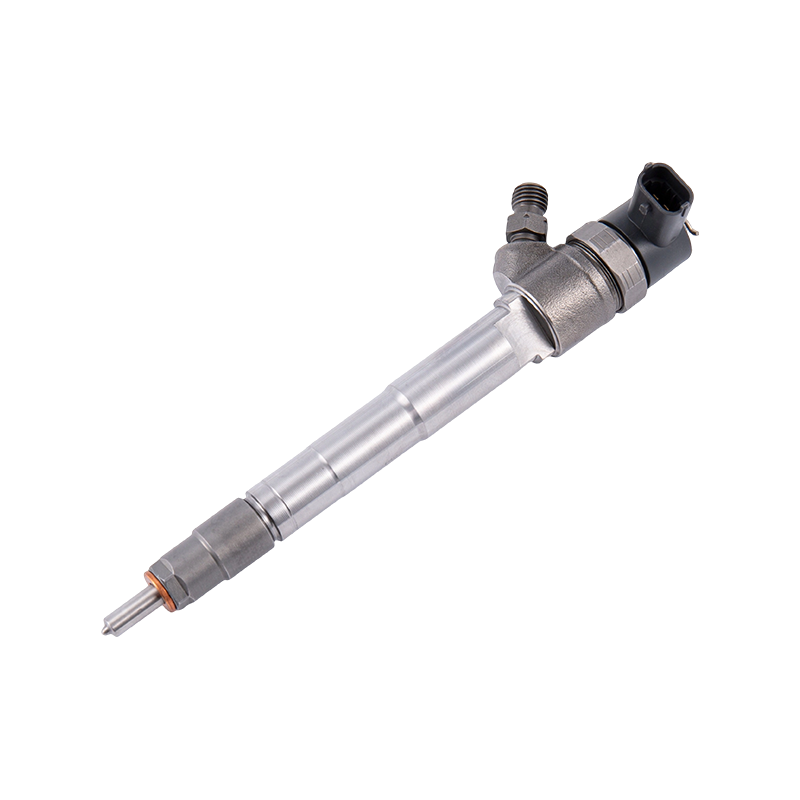
The 0445110376 common rail diesel injector is compatible with the Bosch CRI 110 ...
See Details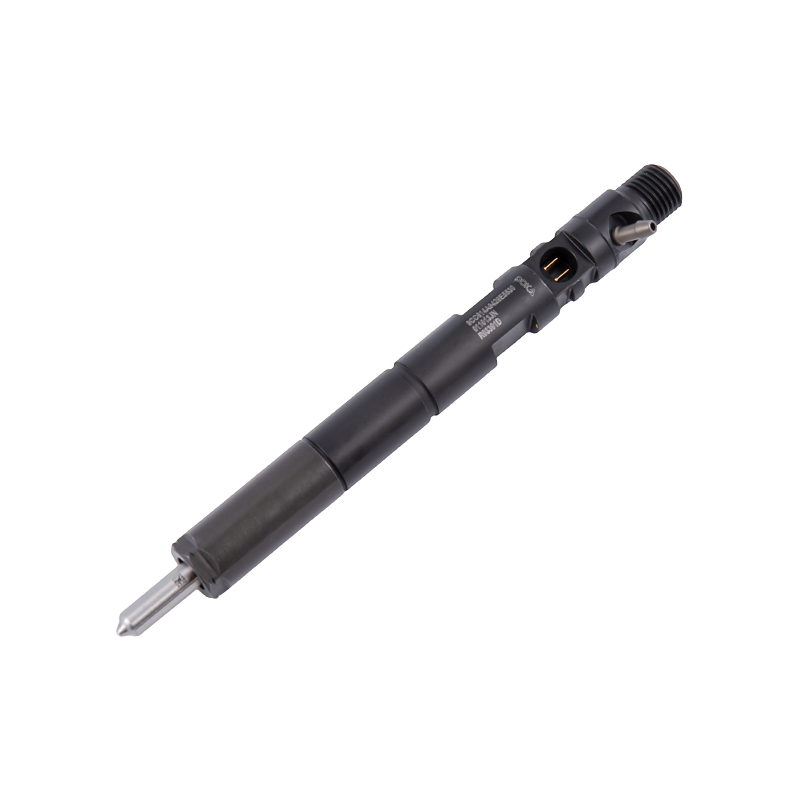
The product compatible with Delphi EJBR03301D fuel injector from the Multec Seri...
See Details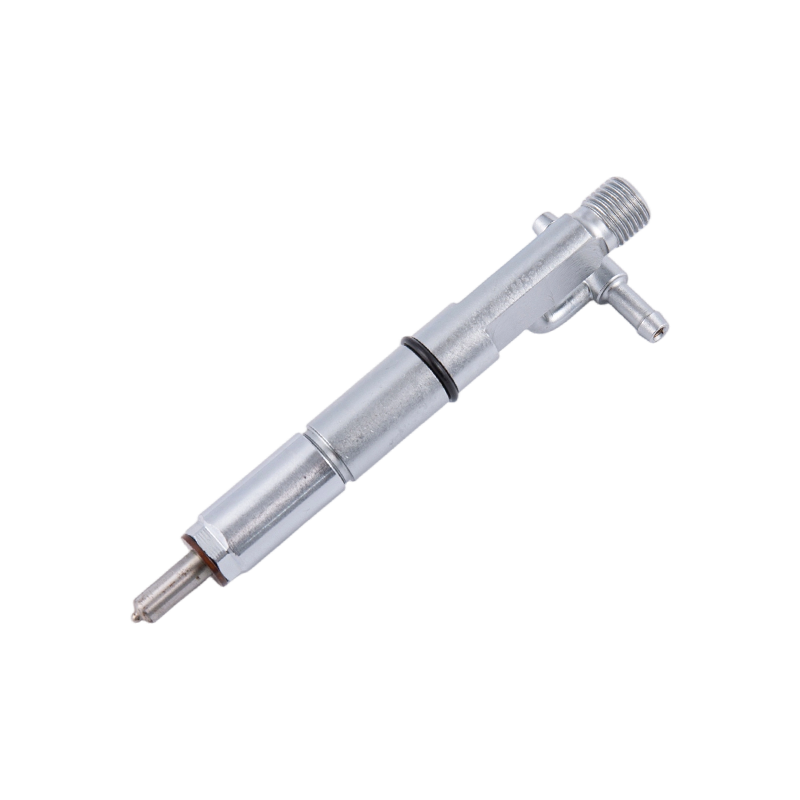
The product compatible with DENSO 093500-7500 fuel injector—part of the X1 Serie...
See Details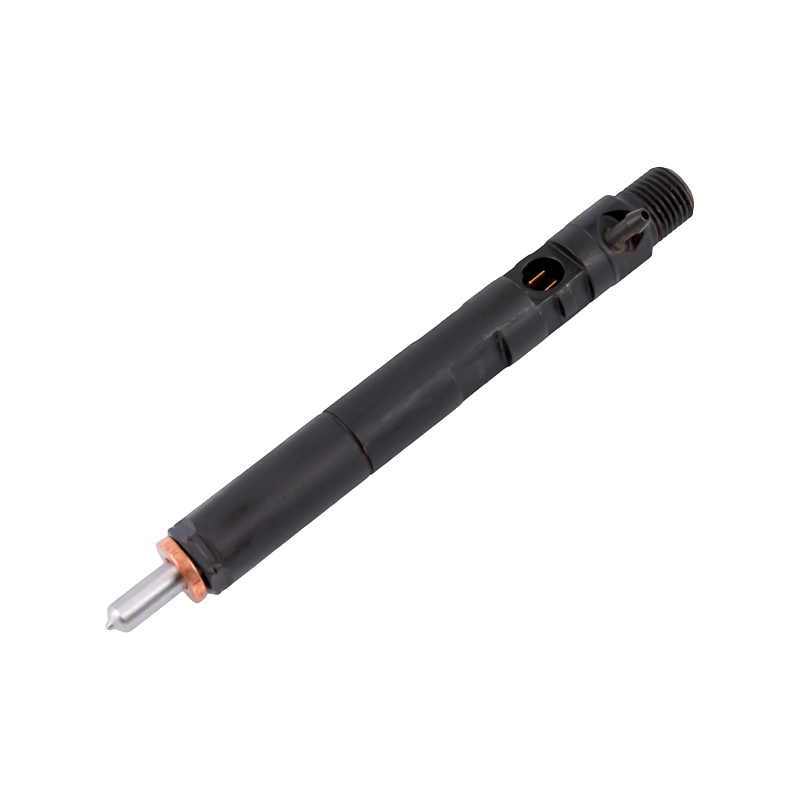
The product compatible with Delphi EJBR01801A fuel injector in the Multec Series...
See Details