中文
中文 English
 русский
 Español
News
Excellent product with exquisite craftsmanship.

 sales2@wxdoka.com
 +86-15190391637
 No.18 Xiangge Road, Hudai Town, Binhu District, Wuxi, China
Content
The Hydraulic Electronic Unit Injector (HEUI) system, developed by Caterpillar in partnership with Navistar, represents a significant departure from conventional fuel injection designs. Rather than relying on a high-pressure fuel pump to deliver injection pressure, the HEUI system uses engine oil — pressurized by an Injection Actuation Pressure (IAP) pump — to actuate the injector internally. This oil pressure acts on an intensifier piston inside the injector body, multiplying the fuel pressure to levels suitable for direct injection, typically between 3,000 and 26,000 psi depending on engine load and speed.
This design gives the Electronic Control Module (ECM) precise, independent control over injection timing and fuel quantity on a per-cylinder basis, which contributes directly to fuel efficiency and emissions performance. However, it also means the HEUI injector is highly sensitive to the condition of both the engine oil and the fuel supply. Contamination in either fluid is the most common root cause of premature injector failure in Caterpillar 3126, C7, C9, and related HEUI-equipped engines.
Because engine oil directly actuates the HEUI injector, its condition has a more immediate impact on injector health than in conventional diesel engines. Caterpillar specifies oils meeting the Cat ECF-1, ECF-2, or ECF-3 specifications for HEUI-equipped engines. Using non-approved oils — particularly those with incorrect viscosity or insufficient detergent packages — accelerates varnish and lacquer deposits on the intensifier piston and check valves inside the injector.
Oil change intervals should be strictly observed and, in high-load or high-temperature applications, reduced below the standard recommendation. A common field practice among fleet operators running C7 and C9 engines in severe-duty cycles is to reduce oil change intervals by 25–30% compared to the manufacturer's standard interval. At each oil change, the oil filter should also be replaced — extending the filter while changing the oil defeats much of the contamination-control benefit.
After any oil change, monitor the Injection Actuation Pressure (IAP) readings via a diagnostic tool. A healthy HEUI system on a C7 or C9 engine should reach approximately 3,000 psi at idle and up to 21,000–23,000 psi under full load. If IAP readings are low or unstable following an oil change, suspect a failing IAP pump or a compromised high-pressure oil circuit rather than the injectors themselves.
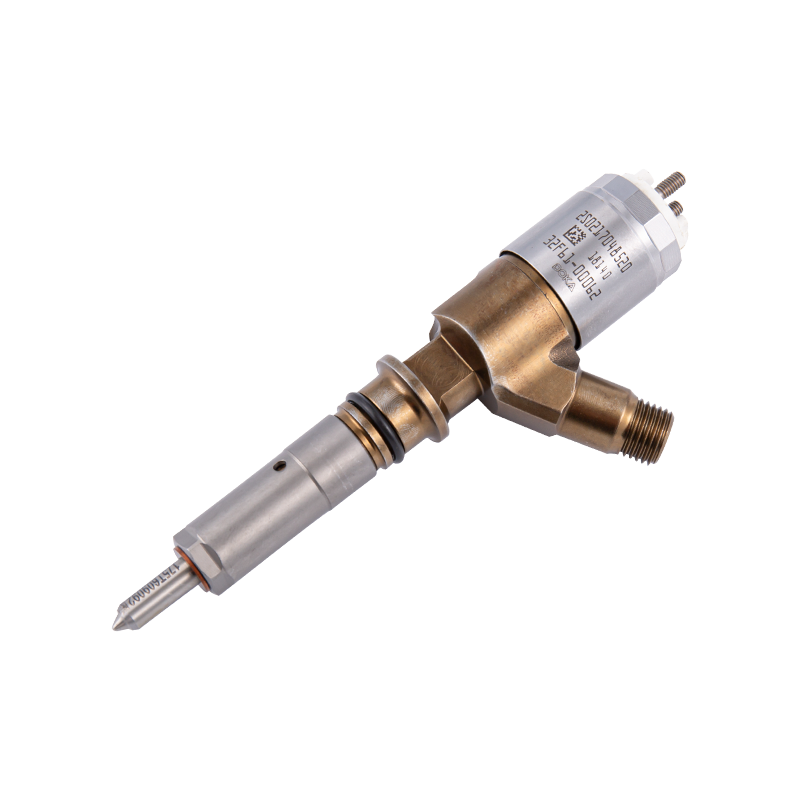
The HEUI injector's fuel-side components — including the plunger, barrel, and needle valve — operate with clearances measured in microns. Any particulate contamination in the fuel supply accelerates wear at these surfaces, causing internal leakage, reduced injection pressure, and eventually injector failure. Caterpillar recommends a fuel cleanliness level of ISO 18/16/13 or better for HEUI-equipped engines.
Most HEUI-equipped Caterpillar engines use a two-stage filtration system: a primary (pre-filter or water separator) and a secondary (final) filter. Both must be replaced on schedule. Extending filter service intervals to reduce maintenance costs is a false economy — a clogged secondary filter that bypasses is more expensive than a set of replacement filters by a factor of many times over. For engines operating in dusty environments or using lower-quality fuel, halving the standard filter change interval is a worthwhile precaution.
Water in diesel fuel is highly damaging to HEUI injector internals, promoting corrosion of the needle valve seat and accelerating wear on precision-machined surfaces. The water separator bowl should be drained at every service or whenever the warning indicator activates — whichever comes first. In applications where condensation is a known problem (cold climates, equipment stored with partially filled tanks), adding a fuel biocide and anti-gel treatment appropriate for the season will reduce both water accumulation and microbial growth in the fuel tank.
Catching HEUI injector problems early significantly reduces repair costs. A single failed injector that continues operating in a degraded state can introduce raw fuel into the combustion chamber, diluting the engine oil and accelerating wear across the entire engine. The following symptoms warrant immediate diagnostic attention:
Caterpillar's Electronic Technician (Cat ET) software provides cylinder cut-out tests that isolate individual injector performance. Running this test at the first sign of rough running can identify a failing injector before the damage progresses to surrounding components.
Before removing HEUI injectors, depressurise the high-pressure oil system by allowing the engine to cool and loosening the IAP sensor fitting briefly to release residual pressure. Injectors should be removed using the correct puller tool — never pried or hammered out, as the injector bore in the cylinder head is easily damaged. Each injector's bore should be cleaned of carbon deposits before reinstallation using a dedicated bore cleaning brush and lint-free cloths.
Every HEUI injector uses multiple O-rings and seals to separate the high-pressure oil circuit from the fuel circuit and the combustion chamber. These seals must be replaced every time an injector is removed — reusing old seals is a common cause of oil-into-fuel cross-contamination or compression leaks post-reinstallation. Lubricate new O-rings lightly with clean engine oil before fitting, and never use petroleum jelly or silicone grease, which can swell the rubber and cause sealing failures.
Reinstall injectors to the torque specifications listed in the engine's service manual. For most Caterpillar C7 and C9 HEUI engines, the injector hold-down clamp bolt torque is approximately 55 Nm (40 ft-lb), but always verify against the current service documentation for the specific engine serial number, as specifications can vary between production years and emission tiers.
Each Caterpillar HEUI injector is factory-calibrated and assigned a unique trim code (also called an IQ or injector quantity trim). This code compensates for minor manufacturing variations between individual injectors, allowing the ECM to deliver precise fuel quantities across all cylinders. When a new or remanufactured injector is fitted, its trim code must be programmed into the ECM using Cat ET software.
Failing to update trim codes after injector replacement results in cylinder-to-cylinder fuel imbalance, which manifests as rough running, elevated exhaust temperatures on specific cylinders, and accelerated wear on the newly fitted injector. The trim code is printed on a label affixed to the injector body and is also included in the documentation supplied with remanufactured units.
| Maintenance Task | Recommended Interval | Key Requirement |
|---|---|---|
| Engine oil and filter change | Per OEM schedule (reduce in severe duty) | Cat ECF-2 or ECF-3 approved oil |
| Primary fuel filter / water separator | Every 500 hours or per indicator | Drain water bowl at every service |
| Secondary (final) fuel filter | Every 500–1,000 hours | Replace simultaneously with primary |
| IAP system pressure check | At each oil change | Use Cat ET or compatible scanner |
| Injector trim code update | Every injector replacement | Programme via Cat ET software |
| Injector O-ring and seal replacement | Every removal | Never reuse old seals |
HEUI injectors in engines that are stored or left idle for extended periods face specific risks. When an engine sits unused, the high-pressure oil in the injector circuit drains back, and the fuel in the injector body can varnish or form deposits if low-quality or aged fuel is present. Before placing a HEUI-equipped engine into storage, run it briefly on fresh fuel to flush aged fuel from the injection system, and ensure the oil is freshly changed so that contaminants from the previous oil charge do not sit against injector internals for months at a time.
For engines returning to service after an extended lay-up, crank the engine with the fuel shut off for several revolutions to allow the IAP pump to build oil pressure before fuel injection begins. This pre-lubrication cycle protects the injector's intensifier piston and reduces the risk of a dry-start scoring event. Following this procedure consistently — especially in cold-weather start-ups — is one of the simplest and most effective ways to extend HEUI injector service life beyond the industry average of 300,000–400,000 miles in on-highway applications.
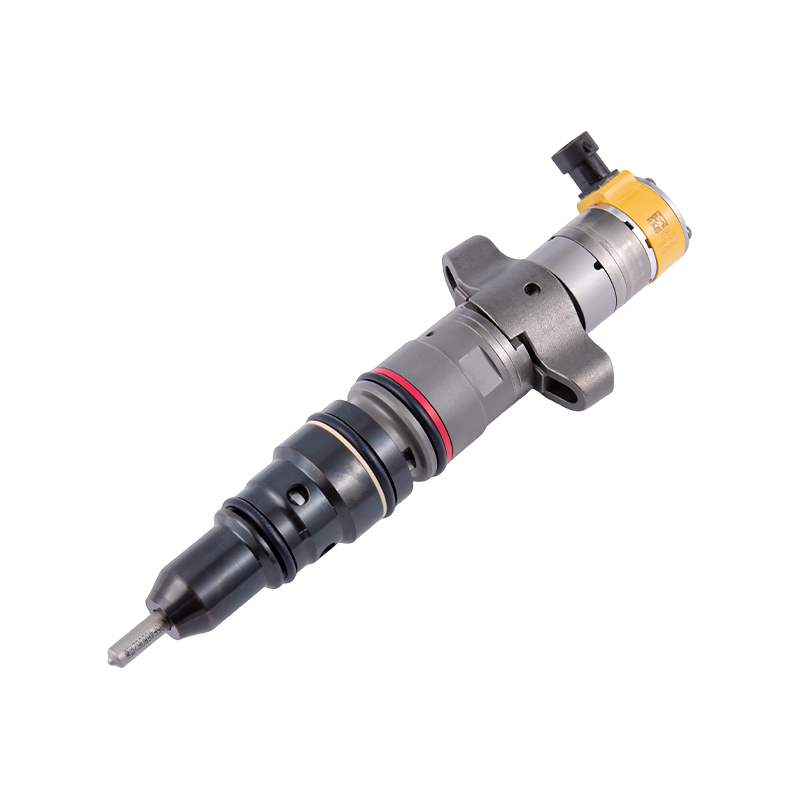
The injector is compatible with Caterpillar HEUI series injector CAT C9-387-9433...
See Details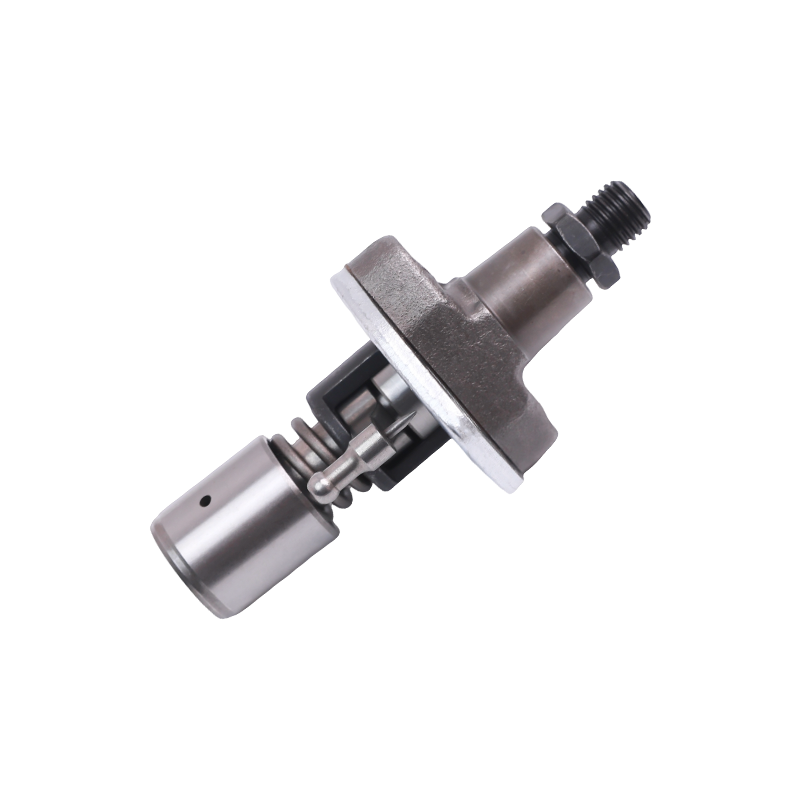
The 192F Fuel Injection Pump is engineered for Yanmar-series KD192F and KD192FE ...
See Details
Compatible with Caterpillar HEUI series fuel injector CAT C6-212-3460, suitable ...
See Details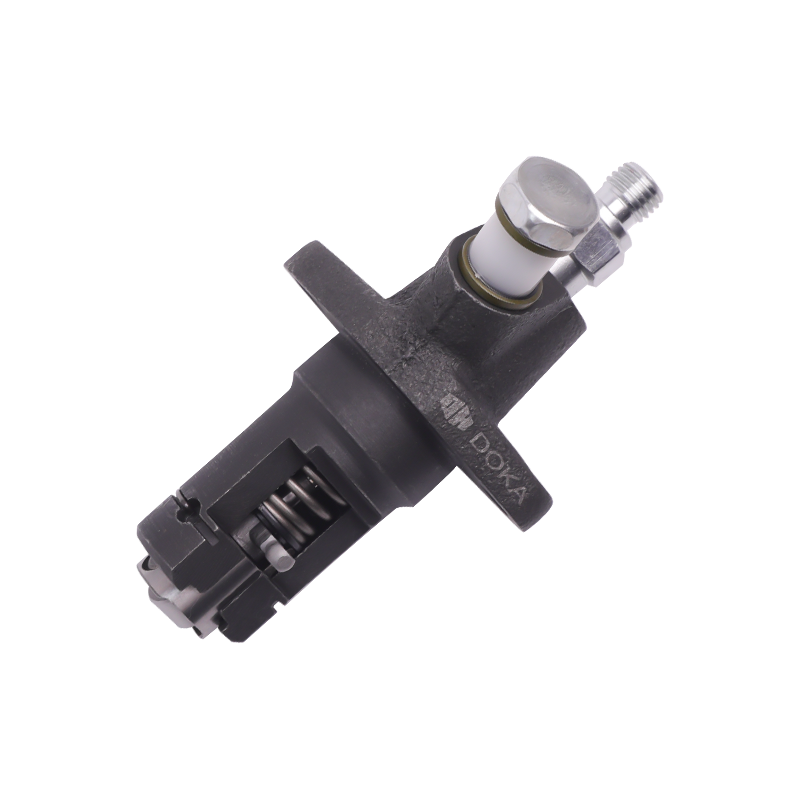
Yanmar Series 168F Fuel Injection Pump is a mechanical plunger type specifically...
See Details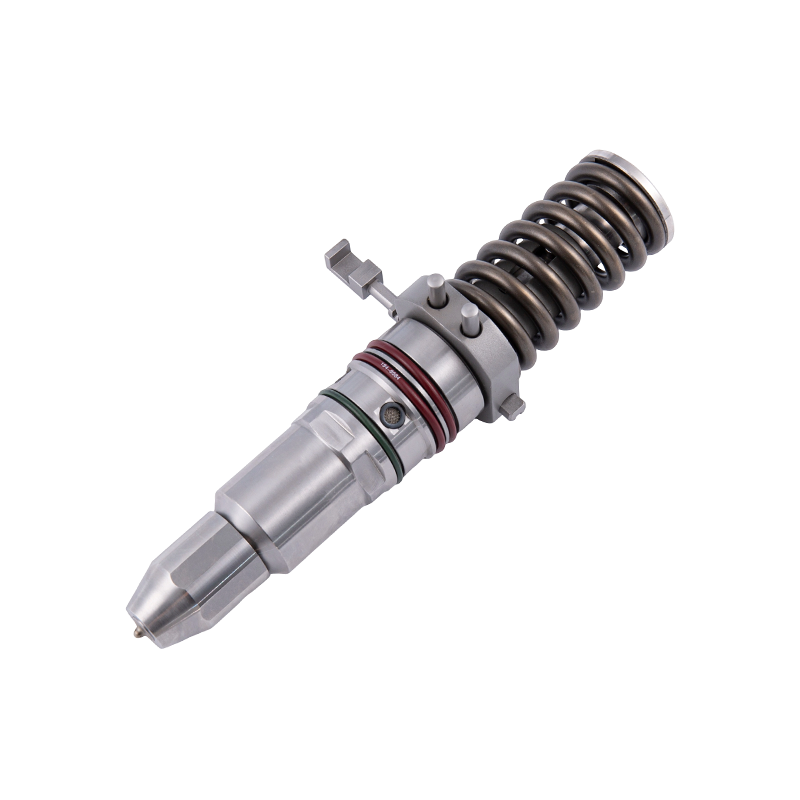
The fuel injector compatible with Caterpillar CRI/CRS series 3500A-111-3718 is d...
See Details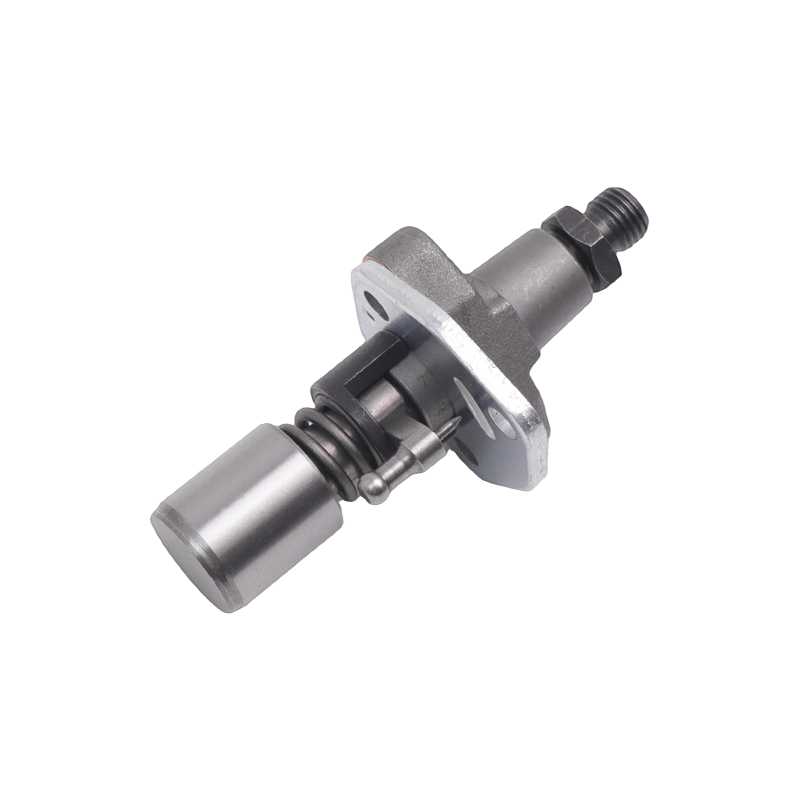
The 186FA Fuel Injection Pump is purpose-built for Yanmar-series KD186FA and KD1...
See Details