中文
中文 English
 русский
 Español
News
Excellent product with exquisite craftsmanship.

 sales2@wxdoka.com
 +86-15190391637
 No.18 Xiangge Road, Hudai Town, Binhu District, Wuxi, China
Content
Diesel engines rely heavily on the fuel system to deliver precise fuel quantities under high pressure to the combustion chamber. The fuel system is composed of multiple components including fuel pumps, injectors, filters, lines, and regulators. Selecting compatible components ensures optimal performance, fuel efficiency, and engine longevity. Mismatched or low-quality parts can lead to poor combustion, increased emissions, and costly repairs.
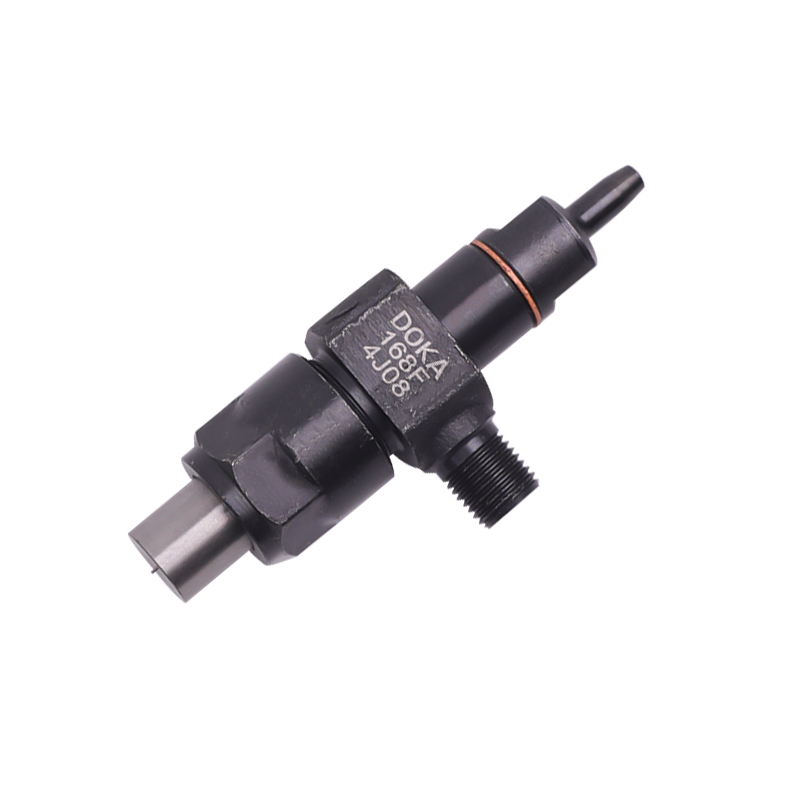
Fuel injectors are critical for atomizing diesel fuel and delivering it directly into the combustion chamber. When selecting injectors, consider compatibility with engine type, injector flow rate, spray pattern, and operating pressure. Modern engines may require common-rail injectors that handle pressures exceeding 30,000 psi, while older engines may use mechanical injectors.
Fuel pumps are responsible for drawing fuel from the tank and delivering it to the engine at the required pressure. Selection criteria include fuel flow rate, pressure range, drive type, and compatibility with diesel fuel grade. For high-performance engines, high-pressure pumps must match injector specifications to prevent underfueling or overfueling.
Filters remove contaminants from diesel fuel that could damage injectors or pumps. When choosing filters, ensure micron rating matches engine requirements. Consider whether a pre-filter with water separation is needed for engines operating in high-moisture environments.
Fuel lines must withstand high pressure and resist corrosion from diesel fuel. When selecting fuel lines, check material compatibility, pressure rating, and length. Stainless steel or reinforced rubber lines are common for high-pressure applications.
Regulators maintain a consistent fuel pressure within the system, which is critical for fuel injection timing and efficiency. When selecting a regulator, ensure it matches engine specifications and desired operating pressure range.
Each diesel engine model has specific requirements for injector type, pump capacity, and line dimensions. Always refer to the engine manufacturer’s specifications to ensure components are compatible and can operate safely under recommended conditions.
Diesel fuel can vary in cetane rating, sulfur content, and additives. Components must be compatible with the specific fuel type to prevent corrosion, deposits, or injector fouling. Premium components designed for ultra-low sulfur diesel (ULSD) may provide longer service life.
Consider ambient temperature, altitude, and load conditions. Components designed for high-temperature or cold-start performance ensure reliability in extreme environments. For example, cold climate engines may require low-temperature injectors and heaters to prevent fuel gelling.
Injectors and pumps must match flow rate and operating pressure requirements. Overly restrictive or underperforming components can cause incomplete combustion, poor fuel economy, or engine misfires. Always calculate the fuel demand for the expected RPM and load range.
High-quality components reduce the risk of failure and extend engine life. Look for OEM-certified parts or components that meet recognized standards such as ISO 9001, SAE, or Bosch approvals. Warranty coverage and manufacturer reputation are also important when selecting components.
Start by reviewing the engine manual or manufacturer datasheets. Identify recommended injector type, pump capacity, fuel filter rating, and line sizes. Accurate reference ensures the selected components meet engine design requirements.
Evaluate the operating environment including temperature ranges, altitude, and expected load. Select components designed for the specific operating conditions to maintain reliable performance.
Cross-check injector flow rate with pump output, ensure pressure regulators match system requirements, and confirm line ratings. Compatibility charts or OEM part numbers can prevent mismatches.
Prioritize OEM or certified components to ensure material quality, precision machining, and adherence to pressure and flow specifications. Avoid aftermarket components without verified standards.
Consider service intervals and availability of replacement parts. Selecting components with longer life or easier maintenance reduces downtime and overall operating costs.
| Component | Selection Criteria | Compatibility Check | Common Issues |
| Fuel Injector | Flow rate, spray pattern, pressure | Match engine type & pump output | Poor combustion, misfire |
| Fuel Pump | Flow capacity, pressure rating | Match injector & engine pressure requirements | Underfueling/overfueling |
| Fuel Filter | Micron rating, water separation | Match engine fuel requirements | Contaminants causing injector wear |
| Fuel Line | Pressure rating, material, length | Match system pressure & fuel type | Leaks, bursts, fuel delivery issues |
| Fuel Regulator | Pressure range, adjustment capability | Match engine fuel system specs | Pressure instability, poor injection timing |
Selecting compatible diesel engine fuel system components requires understanding engine specifications, operating conditions, and component quality standards. Proper selection of injectors, pumps, filters, lines, and regulators ensures optimal combustion, efficiency, and engine longevity. Using certified parts and following manufacturer recommendations prevents common failures, reduces maintenance costs, and improves overall performance of diesel engines.
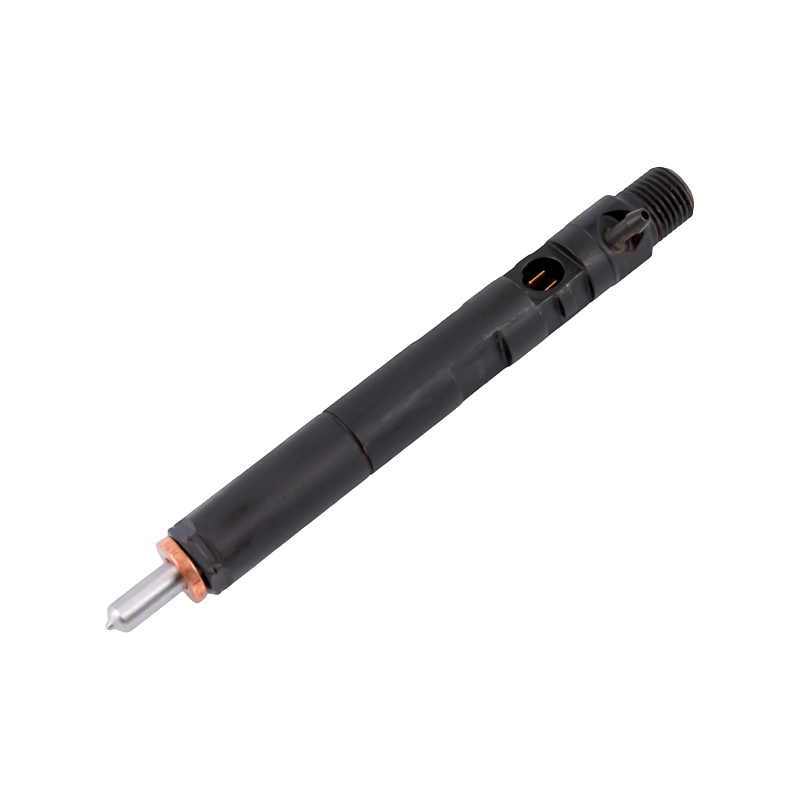
The product compatible with Delphi EJBR01801A fuel injector in the Multec Series...
See Details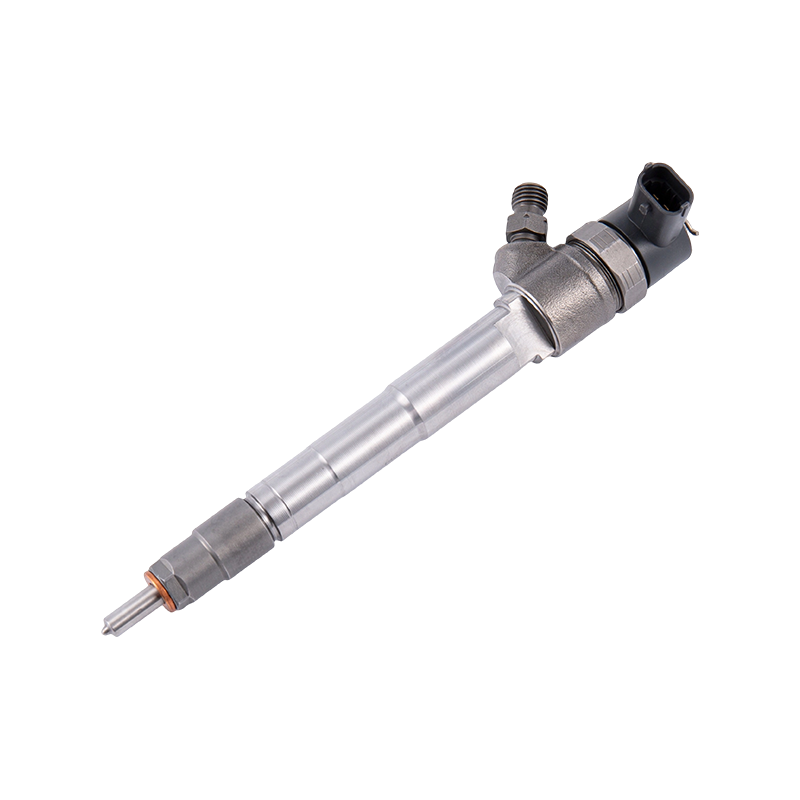
The 0445110376 common rail diesel injector is compatible with the Bosch CRI 110 ...
See Details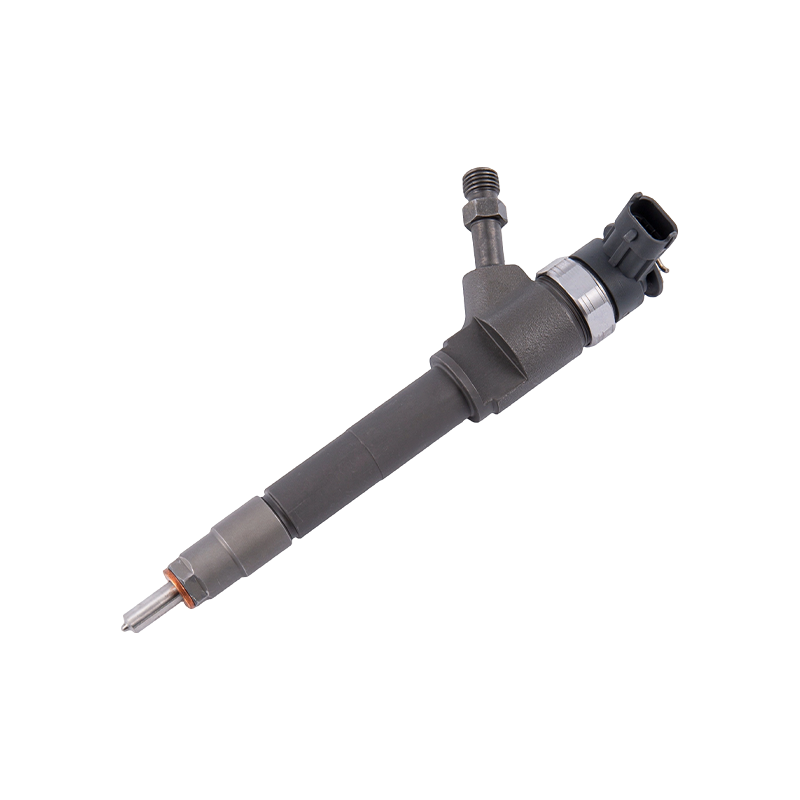
The 0445110249 common rail diesel injector is highly compatible with the Bosch C...
See Details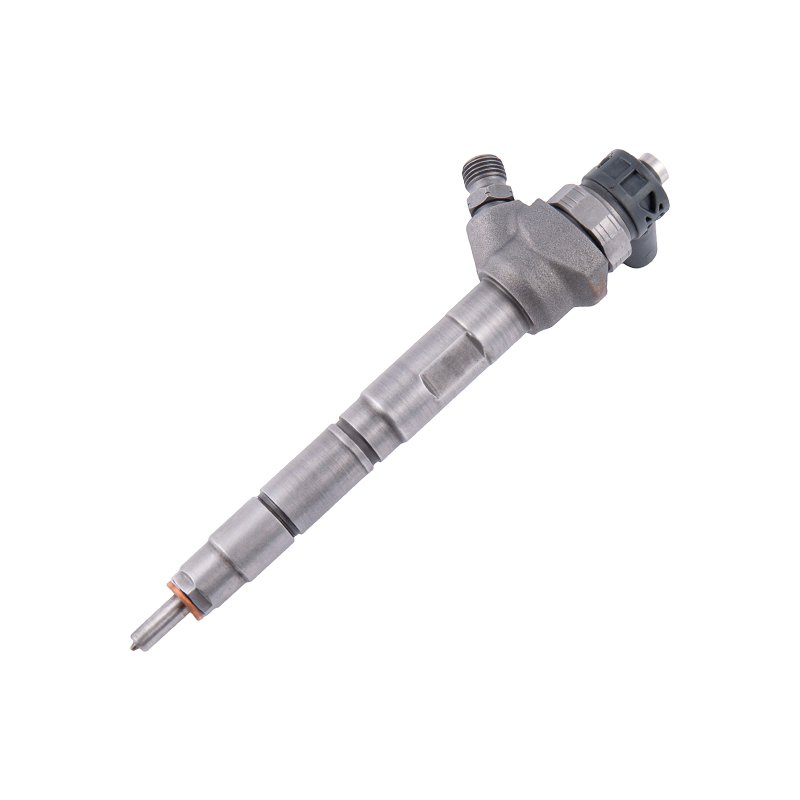
The 0445110646 common rail diesel injector is compatible with the Bosch CRI 110 ...
See Details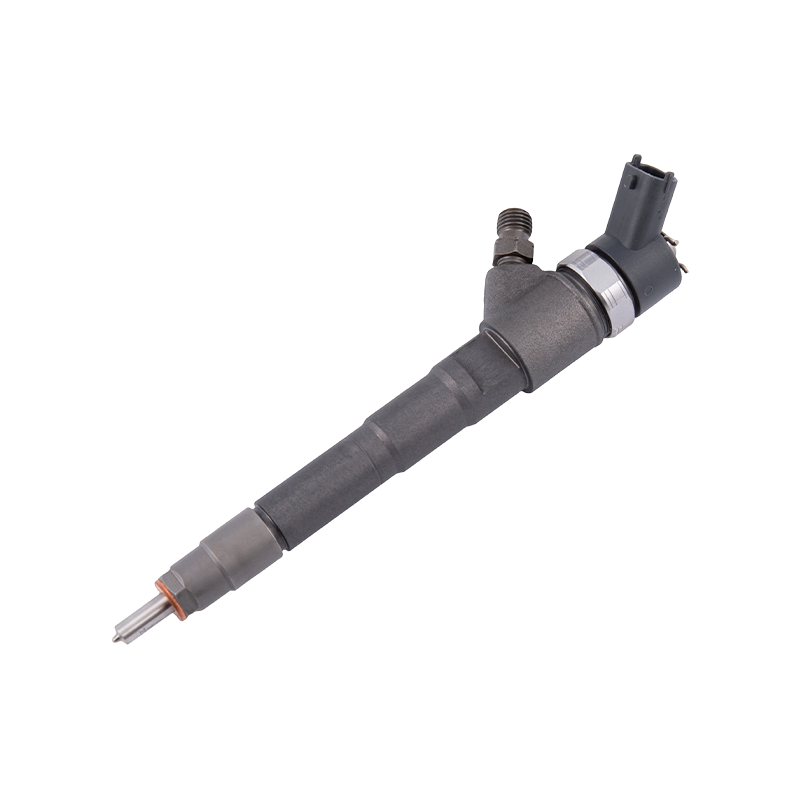
The 0445110273 common rail diesel injector is compatible with the Bosch CRI 110 ...
See Details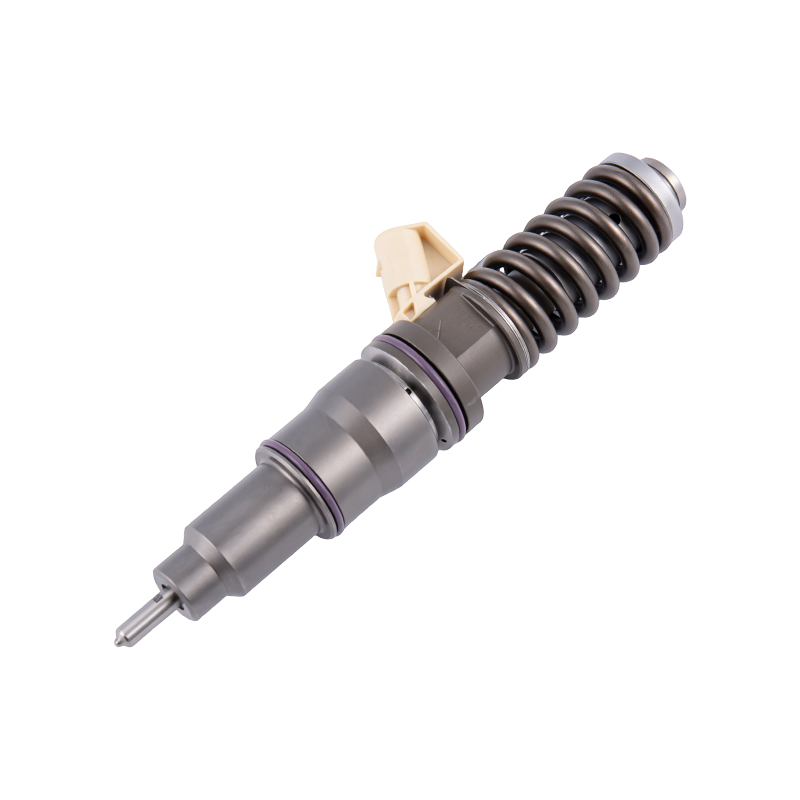
The product compatible with Delphi 20440388 fuel injector from the HDU Series is...
See Details