中文
中文 English
 русский
 Español
News
Excellent product with exquisite craftsmanship.

 sales2@wxdoka.com
 +86-15190391637
 No.18 Xiangge Road, Hudai Town, Binhu District, Wuxi, China
Content
Single-cylinder air-cooled diesel engines are widely used in agricultural machinery, generators, water pumps, construction equipment, and small industrial applications. Their popularity stems from their simple structure, excellent fuel economy, durability, and ability to operate under challenging environmental conditions. Within these engines, the fuel injection mechanism plays a crucial role in determining combustion efficiency, power output, fuel consumption, and emission performance.
Among the various components found within the fuel injection control system, the shift fork serves as an important mechanical linkage responsible for transmitting movement and controlling specific operating functions of the fuel injection assembly. Although relatively small compared to major engine components, the shift fork directly influences fuel delivery accuracy and engine responsiveness.
A shift fork designed specifically for a single-cylinder air-cooled diesel engine fuel injection mechanism must withstand continuous vibration, repeated movement cycles, temperature fluctuations, and exposure to contaminants. Proper design and manufacturing ensure reliable engine operation throughout long service intervals.
Before examining the shift fork in detail, it is important to understand how fuel injection systems operate in single-cylinder diesel engines. Unlike gasoline engines, diesel engines rely on compression ignition. Fuel is injected directly into highly compressed hot air within the combustion chamber, causing spontaneous ignition.
The fuel injection system must deliver precise quantities of fuel at exactly the correct timing. To achieve this, the injection pump, governor, control rack, plunger assembly, and related linkage components work together as an integrated system.
The shift fork is commonly incorporated into the movement control mechanism that adjusts fuel delivery according to engine speed, load requirements, and operator input. Its ability to transfer motion accurately is essential for maintaining stable engine performance.
| Fuel Injection Component | Primary Function |
| Injection Pump | Pressurizes fuel for injection |
| Governor | Controls engine speed |
| Control Rack | Adjusts fuel quantity |
| Shift Fork | Transfers control movement |
| Injector Nozzle | Atomizes fuel into the cylinder |
A shift fork is a specially shaped mechanical component designed to engage, guide, or move another part within a mechanical system. In the fuel injection mechanism of a single-cylinder diesel engine, the shift fork often acts as an interface between the governor assembly and the fuel control rack.
Its fork-shaped design allows it to securely engage moving elements while providing controlled linear or rotational motion. The geometry of the fork is carefully engineered to ensure smooth operation with minimal friction and wear.
Because fuel injection precision directly affects engine efficiency, even minor inaccuracies in shift fork movement can influence fuel metering and overall engine performance.
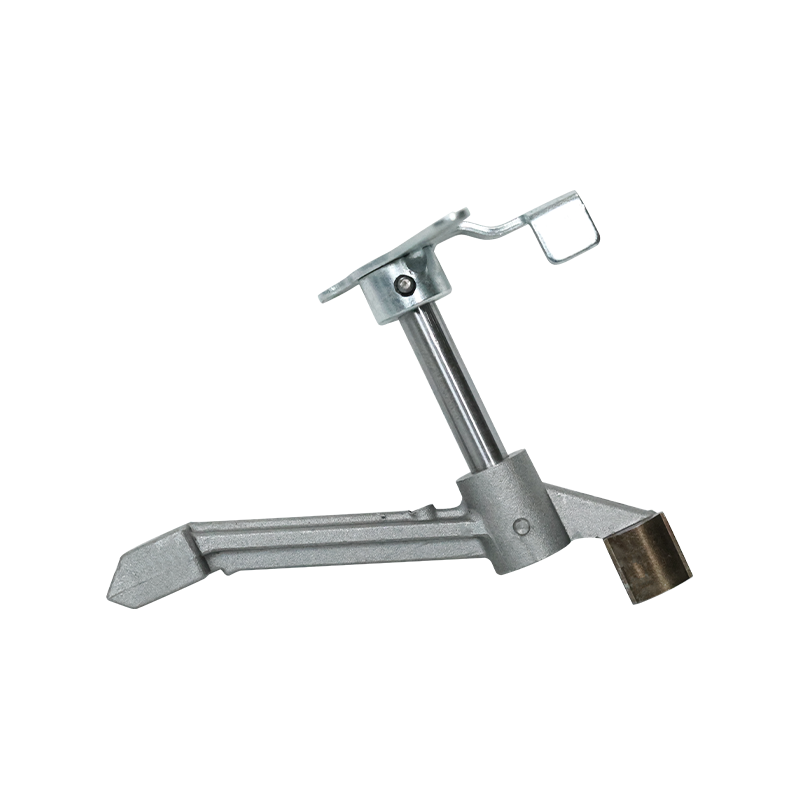
The shift fork performs several important tasks within the diesel fuel injection mechanism. Its primary purpose is to transfer mechanical motion from one control element to another while maintaining accurate positioning.
The shift fork helps position the fuel control rack, which determines how much fuel is delivered during each injection cycle. Precise movement ensures the correct fuel quantity is supplied under varying load conditions.
As engine speed changes, the governor adjusts the fuel system to maintain stable operation. The shift fork transmits these adjustments to the injection control mechanism.
Accurate motion transfer allows the engine to respond quickly to changes in throttle position and load demands, improving operating efficiency.
The fork structure maintains proper alignment between moving components, reducing the likelihood of binding or misalignment.
Shift forks designed for single-cylinder air-cooled diesel engines differ from those used in other machinery because they must function reliably under unique operating conditions. Air-cooled engines often experience wider temperature variations and stronger vibration levels than water-cooled engines.
To withstand these conditions, manufacturers focus on durability, dimensional accuracy, and wear resistance. The shape of the fork must provide secure engagement while minimizing unnecessary stress concentrations.
Engineering tolerances are particularly important because fuel injection systems require highly accurate control movement. Even small dimensional deviations can affect fuel delivery characteristics.
Material selection significantly affects the durability and performance of a shift fork. Since the component experiences repetitive motion and continuous vibration, manufacturers typically use materials with excellent mechanical strength and fatigue resistance.
Carbon steel is commonly selected for its balance of strength, machinability, and cost-effectiveness. Alloy steels may be used in more demanding applications where higher wear resistance is required.
Some manufacturers apply heat treatment processes such as quenching and tempering to improve hardness while maintaining sufficient toughness. Surface treatments such as nitriding, phosphating, or anti-corrosion coatings further enhance component longevity.
| Material | Main Advantage |
| Carbon Steel | Good strength and economy |
| Alloy Steel | Enhanced wear resistance |
| Heat-Treated Steel | Improved durability |
| Coated Steel | Corrosion protection |
Using a shift fork specifically designed for a single-cylinder air-cooled diesel engine offers several important advantages over generic replacement components.
First, precise compatibility ensures accurate engagement with the fuel control mechanism. This helps maintain proper fuel injection timing and quantity control.
Second, optimized geometry improves operational smoothness and reduces friction between mating components. Lower friction contributes to longer component life and more stable engine performance.
Third, application-specific materials and manufacturing processes enhance resistance to vibration, temperature fluctuations, and wear.
Finally, a properly engineered shift fork supports consistent fuel metering, which can improve fuel efficiency, engine reliability, and overall operational productivity.
Despite their durability, shift forks can experience wear over time. Continuous operation subjects contact surfaces to friction and repeated loading cycles.
Wear typically appears at engagement points where the fork contacts moving components. Excessive wear may introduce movement inaccuracies that affect fuel control precision.
Corrosion can also develop in harsh environments, especially when maintenance schedules are neglected. In severe cases, fatigue cracking may occur due to prolonged vibration and stress concentration.
Routine inspection is essential for ensuring reliable shift fork performance. During scheduled maintenance, technicians should examine contact surfaces for wear, deformation, corrosion, and cracking.
Lubrication points should be checked according to manufacturer recommendations. Proper lubrication minimizes friction and reduces wear on moving components.
If excessive wear is detected, replacement should be performed promptly to prevent further damage to the fuel injection system. Using original-equipment or high-quality replacement parts helps maintain system reliability and performance.
As diesel engine technology continues to evolve, manufacturers are exploring new materials and production methods to improve shift fork performance. Advanced alloy compositions, precision forging techniques, and surface engineering technologies are helping increase durability while reducing component weight.
Computer-aided design and finite element analysis allow engineers to optimize stress distribution and improve fatigue resistance. These developments contribute to more reliable fuel injection systems and longer maintenance intervals.
Although engine control systems are becoming increasingly sophisticated, the need for durable and accurate mechanical linkages remains important in many diesel engine applications.
The shift fork designed specifically for the fuel injection mechanism of a single-cylinder air-cooled diesel engine is a vital component that supports accurate fuel control, stable engine operation, and long-term reliability. By transferring motion between control elements and maintaining precise alignment, it directly contributes to efficient fuel delivery and responsive engine performance.
Through careful material selection, precision manufacturing, and proper maintenance, purpose-built shift forks can withstand demanding operating conditions while providing consistent performance. For manufacturers, equipment operators, and maintenance professionals, understanding the design and function of this specialized component is essential for maximizing diesel engine efficiency and operational longevity.
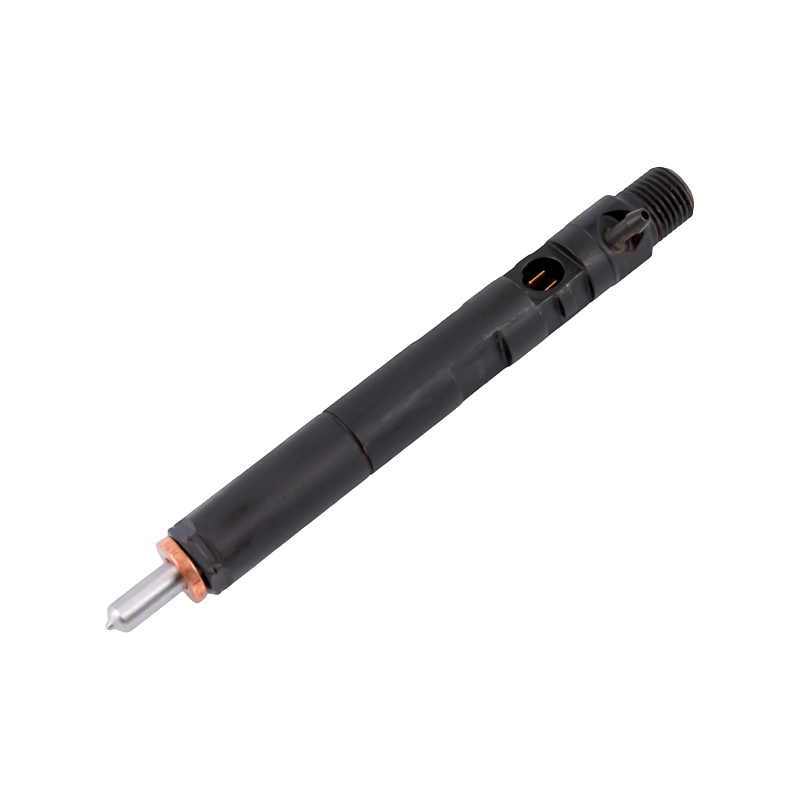
The product compatible with Delphi EJBR01801A fuel injector in the Multec Series...
See Details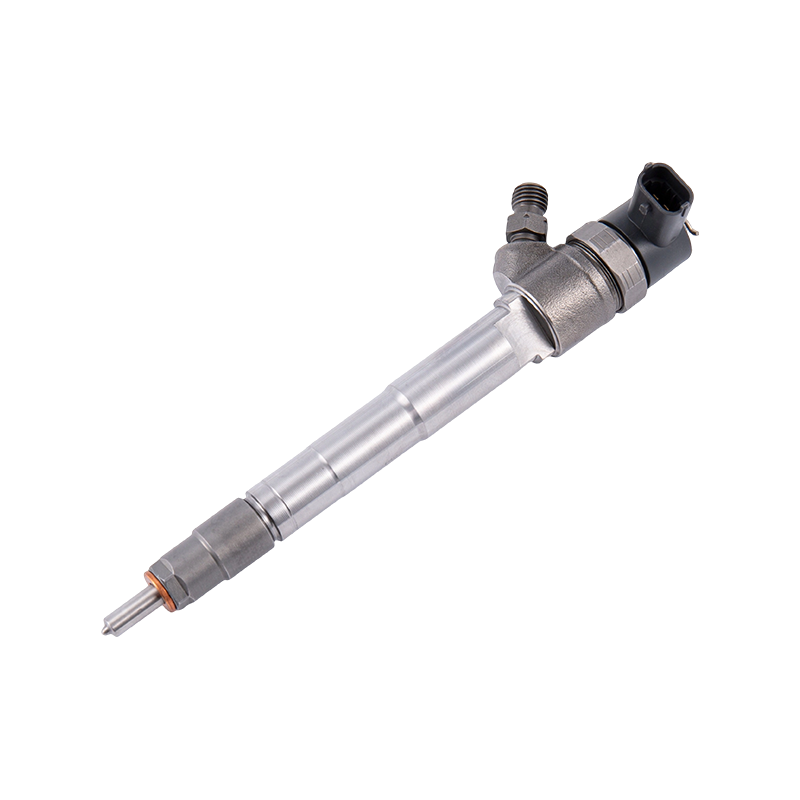
The 0445110376 common rail diesel injector is compatible with the Bosch CRI 110 ...
See Details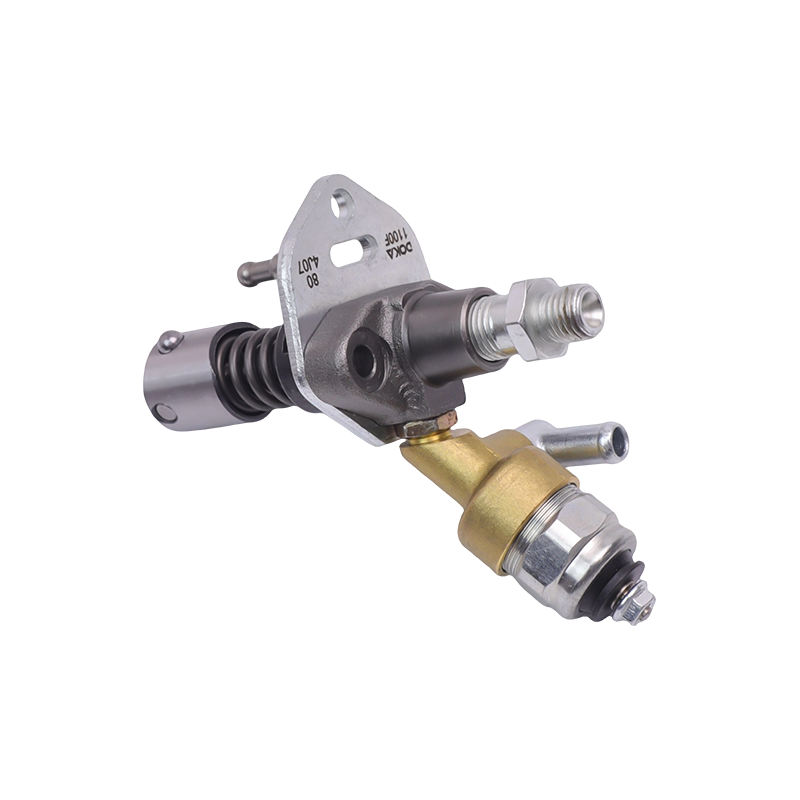
The 1100F solenoid-valve-type Fuel Injection Pump is engineered for the Yanmar-s...
See Details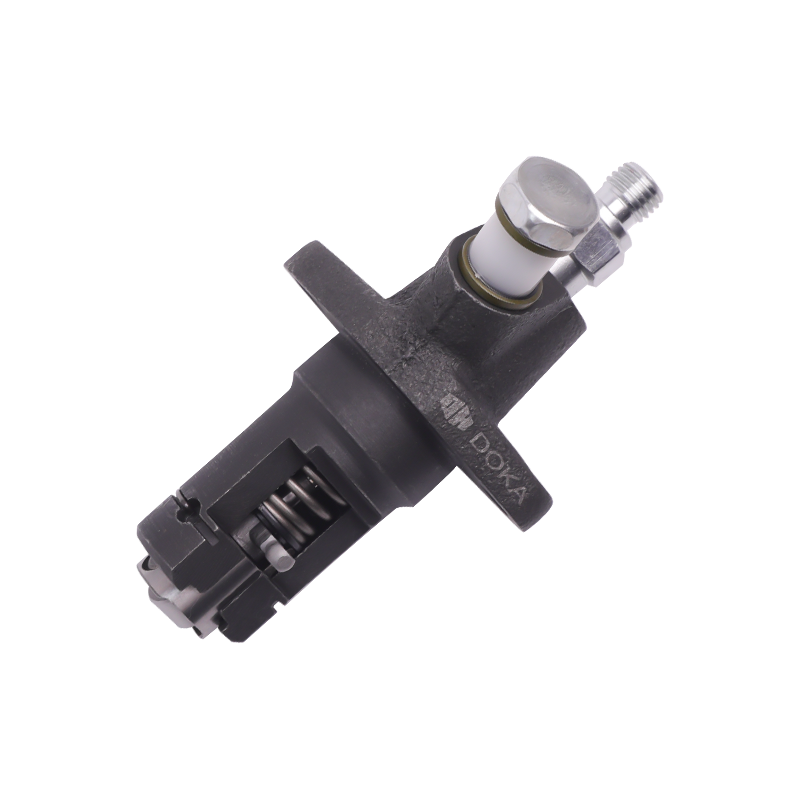
Yanmar Series 168F Fuel Injection Pump is a mechanical plunger type specifically...
See Details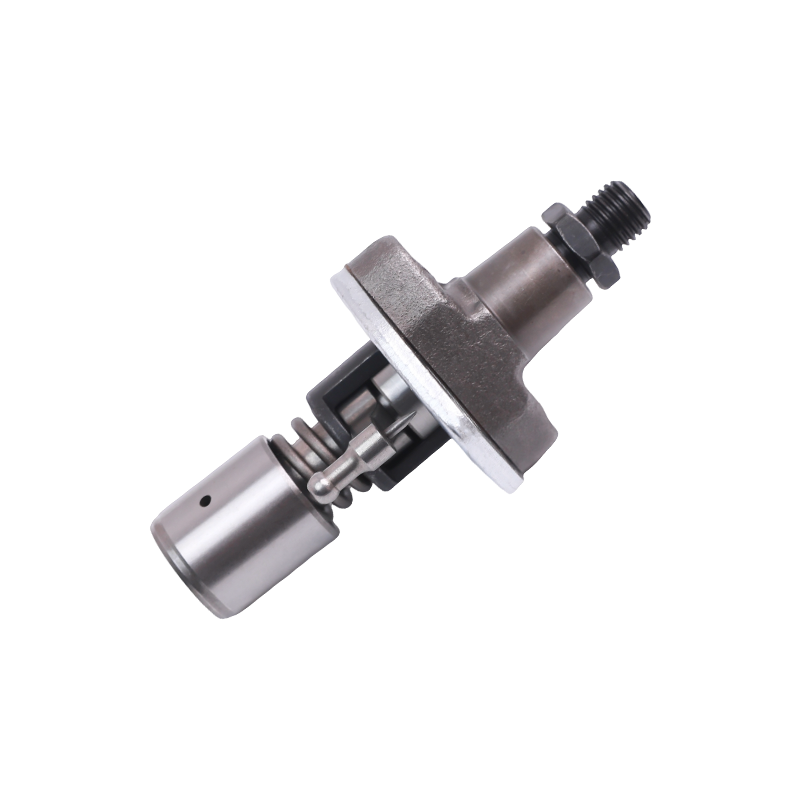
The 192F Fuel Injection Pump is engineered for Yanmar-series KD192F and KD192FE ...
See Details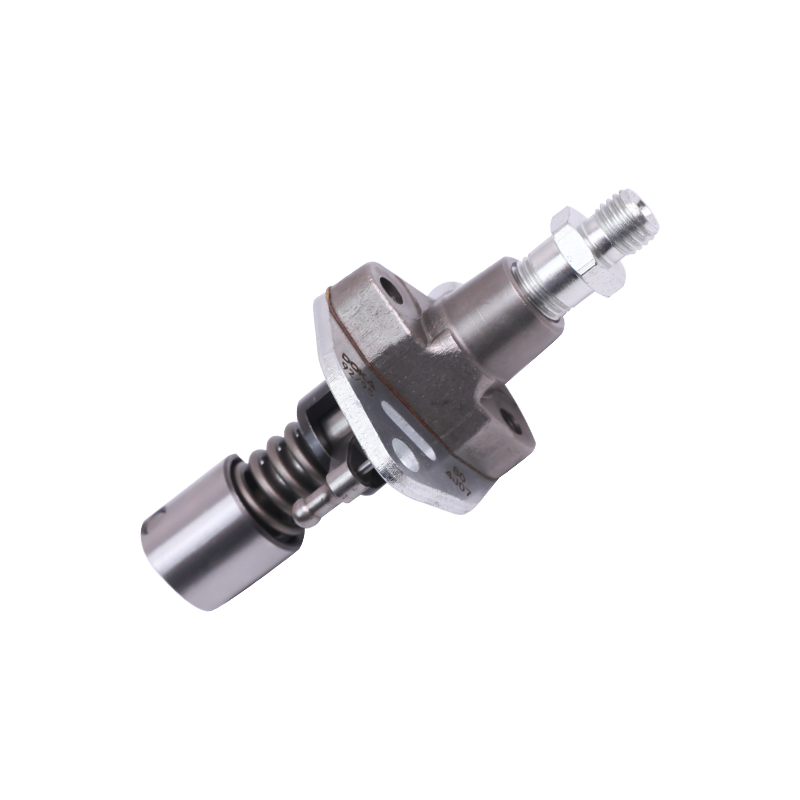
The 192F roller-type Fuel Injection Pump is designed for Yanmar-series KD192F an...
See Details