中文
中文 English
 русский
 Español
News
Excellent product with exquisite craftsmanship.

 sales2@wxdoka.com
 +86-15190391637
 No.18 Xiangge Road, Hudai Town, Binhu District, Wuxi, China
Content
Valve assembly is a critical process in the manufacturing and maintenance of fluid control systems. Valves are used to regulate, direct, start, stop, or control the flow of liquids, gases, steam, and other media in pipelines and machinery. Whether used in automotive engines, industrial processing plants, water treatment systems, oil and gas facilities, or hydraulic equipment, the performance of a valve depends heavily on proper assembly.
A valve assembly consists of multiple precision components that must be installed in the correct order and aligned accurately. Even small assembly errors can lead to leakage, pressure loss, premature wear, or complete system failure. Understanding the basics of valve assembly helps technicians, engineers, and maintenance personnel ensure reliable operation and extended service life.
This guide explores the essential components of valve assemblies, common assembly procedures, quality control measures, and best practices that contribute to safe and efficient valve performance.
Although valve designs vary according to their intended application, most valve assemblies contain several core components that work together to control fluid flow. Understanding the purpose of each component is the foundation of successful assembly.
The valve body forms the primary pressure-containing structure of the valve. It houses internal components and provides connection points for the piping system. Valve bodies are commonly manufactured from cast iron, carbon steel, stainless steel, brass, bronze, or specialized alloys depending on operating conditions.
The bonnet serves as the cover for the valve body and provides support for the stem and sealing components. It is typically secured using bolts, threads, or pressure-sealing designs.
The stem transfers motion from the actuator or handwheel to the valve closure element. Accurate stem alignment is essential to ensure smooth operation and minimize wear.
The closure element controls flow by moving into or out of the fluid path. Different valve types use different closure designs depending on application requirements.
Valve seats provide the sealing surface against which the closure element presses. Proper installation of seats and seals is critical for leak prevention and pressure retention.
Packing prevents leakage around the valve stem, while gaskets create pressure-tight seals between mating components such as the body and bonnet.
Different industries require different valve designs. Understanding the assembly requirements of each type helps technicians choose proper assembly methods and inspection procedures.
| Valve Type | Primary Function | Typical Application |
| Gate Valve | On/Off Flow Control | Water and industrial pipelines |
| Globe Valve | Flow Regulation | Process industries |
| Ball Valve | Quick Shutoff | Oil and gas systems |
| Butterfly Valve | Flow Isolation | HVAC and water systems |
| Check Valve | Prevent Backflow | Pump systems |
Each valve type has unique assembly requirements, but the general principles of cleanliness, alignment, sealing, and inspection remain the same.
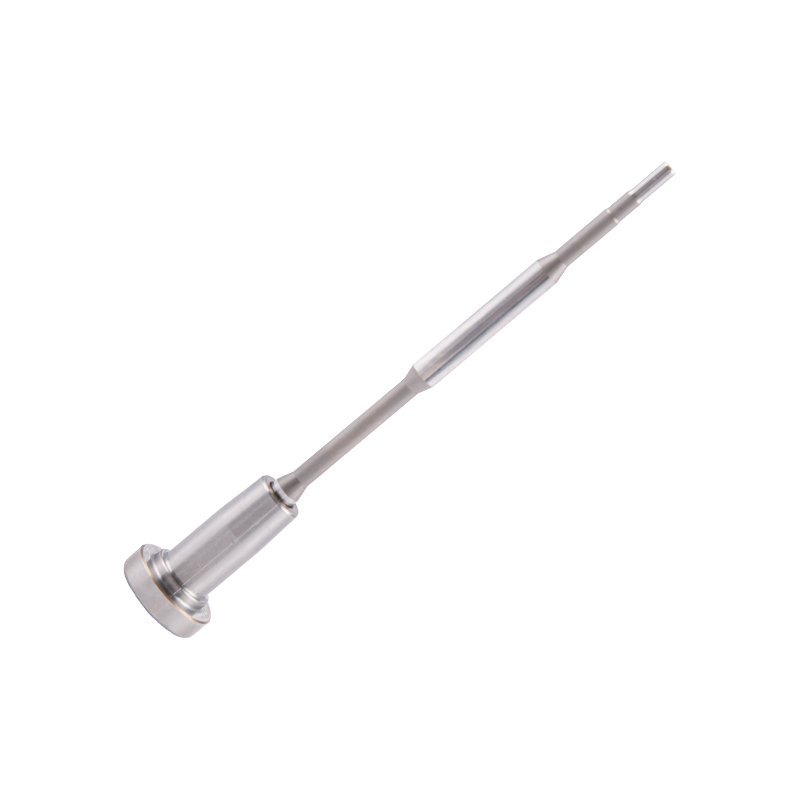
Preparation is one of the most important stages of valve assembly. Proper preparation reduces assembly errors and ensures that all components meet design specifications.
Before assembly begins, technicians should verify component identification, inspect parts for defects, and ensure all required tools are available. Components should be cleaned thoroughly to remove dirt, machining debris, oils, and contaminants that could interfere with sealing surfaces.
The assembly environment should also be controlled whenever possible. Dust, moisture, and foreign particles can compromise sealing performance and shorten valve life.
While specific procedures vary depending on valve design, most assembly operations follow a structured sequence to ensure consistency and quality.
The process usually begins by installing the valve seat and closure element. Care must be taken to avoid scratching sealing surfaces. Precision alignment is essential because even minor deviations can affect sealing performance.
The stem is inserted and connected to the closure element according to the valve design. Proper stem movement should be verified before proceeding.
Packing materials are installed around the stem to prevent leakage. The packing should be compressed evenly to achieve effective sealing without creating excessive operating friction.
The bonnet is attached to the valve body using bolts or threaded connections. Fasteners should be tightened according to specified torque values and tightening sequences.
The final stage involves installing the operating mechanism. Functional testing is often performed immediately after installation to verify smooth operation.
Applying the correct torque during valve assembly is essential for maintaining structural integrity and sealing performance. Under-tightening can result in leaks, while over-tightening may damage threads, distort components, or crush gaskets.
Technicians should always use calibrated torque tools and follow manufacturer specifications. Uniform bolt loading helps distribute pressure evenly across sealing surfaces and minimizes stress concentrations.
Proper torque management is particularly important for high-pressure valves used in critical industrial applications.
Quality control procedures ensure that assembled valves meet performance and safety requirements before entering service. Inspection activities occur throughout the assembly process rather than only at completion.
Visual inspections verify component condition and assembly accuracy. Dimensional measurements confirm that critical tolerances have been maintained. Functional testing evaluates movement, alignment, and operating smoothness.
For many industrial valves, pressure testing is performed to verify leak-tight performance under specified operating conditions.
Even experienced technicians can encounter assembly challenges. Understanding common mistakes helps reduce errors and improve assembly quality.
One frequent issue is contamination of sealing surfaces during assembly. Dirt or debris trapped between sealing components can create leakage paths. Incorrect gasket selection is another common problem that may lead to chemical incompatibility or pressure failure.
Misalignment of stems, seats, or closure elements can increase operating torque and accelerate wear. Improper fastener tightening may also compromise performance and reliability.
Maintaining detailed assembly procedures and technician training programs helps minimize these risks.
Proper assembly is only the first step in ensuring long-term valve performance. Regular inspection and maintenance help preserve reliability throughout the valve's service life.
Operators should monitor valves for leakage, unusual operating resistance, vibration, and corrosion. Periodic inspections can identify wear before it develops into a major failure.
Maintenance schedules should be tailored to operating conditions, media characteristics, pressure levels, and service frequency. Valves used in harsh environments may require more frequent inspection and servicing.
Valve assembly is a precision process that directly affects the performance, reliability, and safety of fluid control systems. Understanding the function of each component, following proper assembly procedures, applying correct torque values, and implementing rigorous quality control measures are essential for achieving optimal results.
Whether working with industrial valves, hydraulic systems, water treatment equipment, or process control applications, mastering valve assembly basics helps ensure dependable operation, reduced maintenance costs, and extended equipment lifespan. By emphasizing preparation, accuracy, and inspection throughout the assembly process, technicians can consistently deliver high-quality valve assemblies capable of meeting demanding operational requirements.
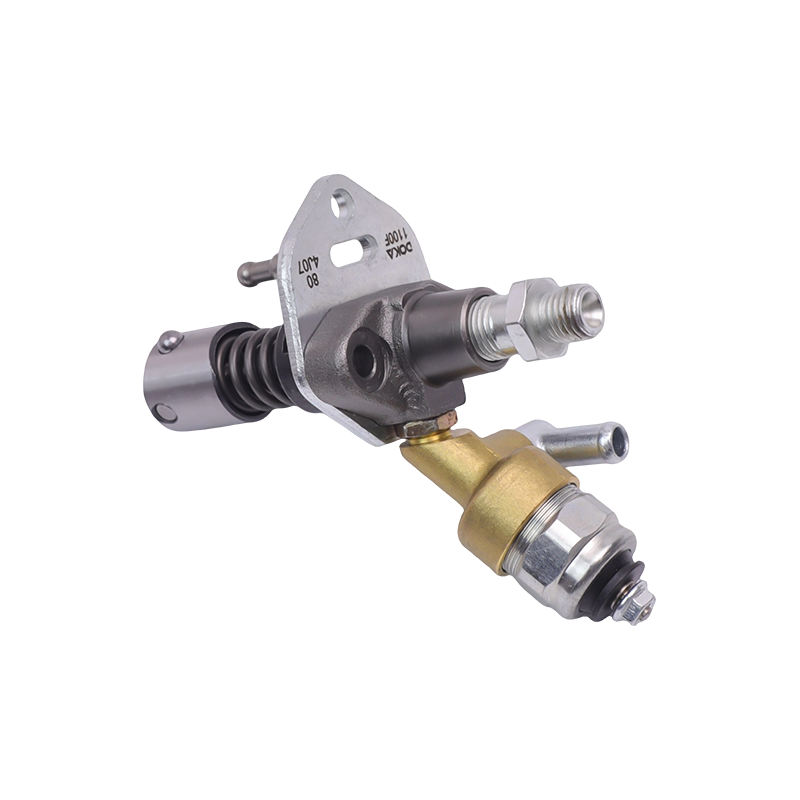
The 1100F solenoid-valve-type Fuel Injection Pump is engineered for the Yanmar-s...
See Details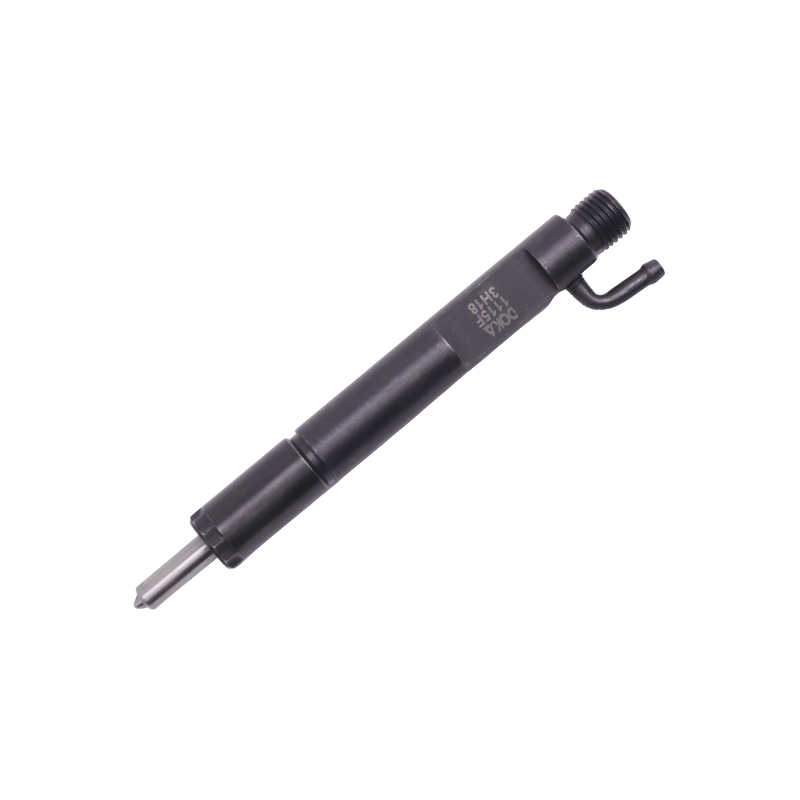
The 1115F fuel injector is designed for 1115 single-cylinder diesel engines, fea...
See Details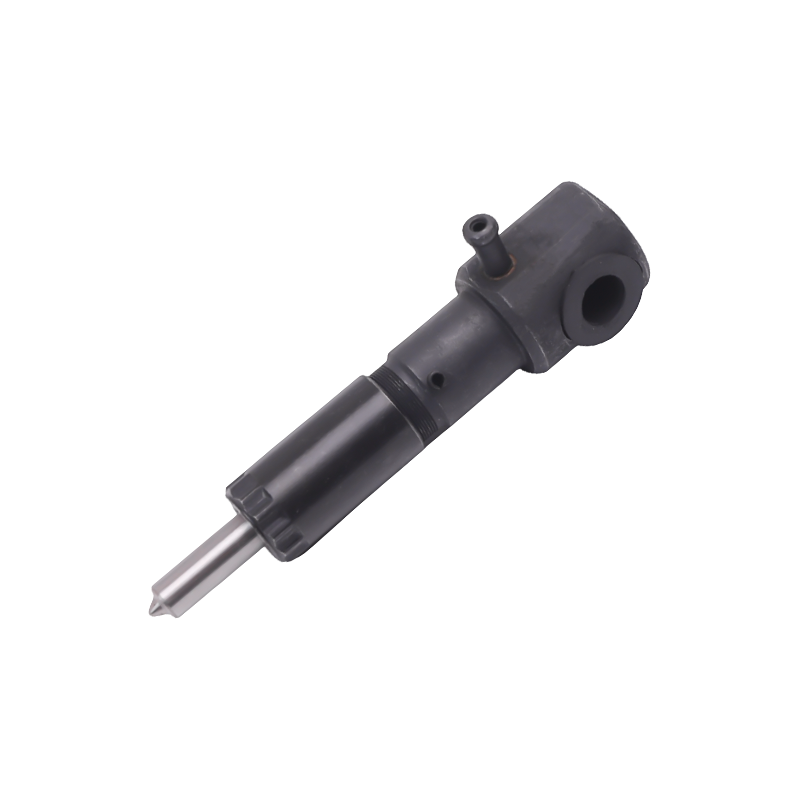
The 186FA fuel injector is engineered for the direct injection systems of KD186F...
See Details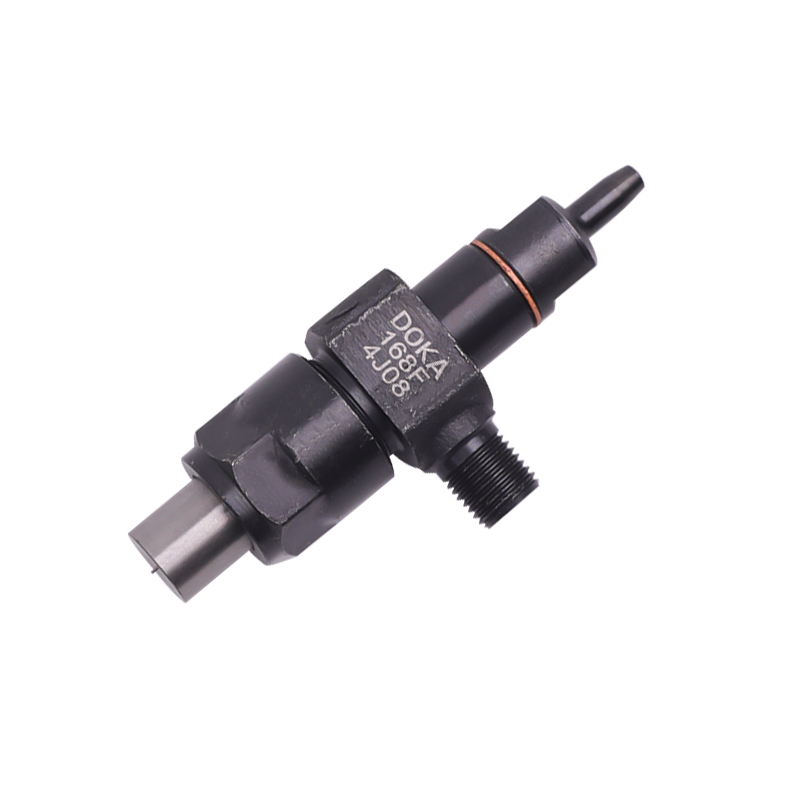
The 168F injector is specifically designed for the Yanmar 168F single-cylinder d...
See Details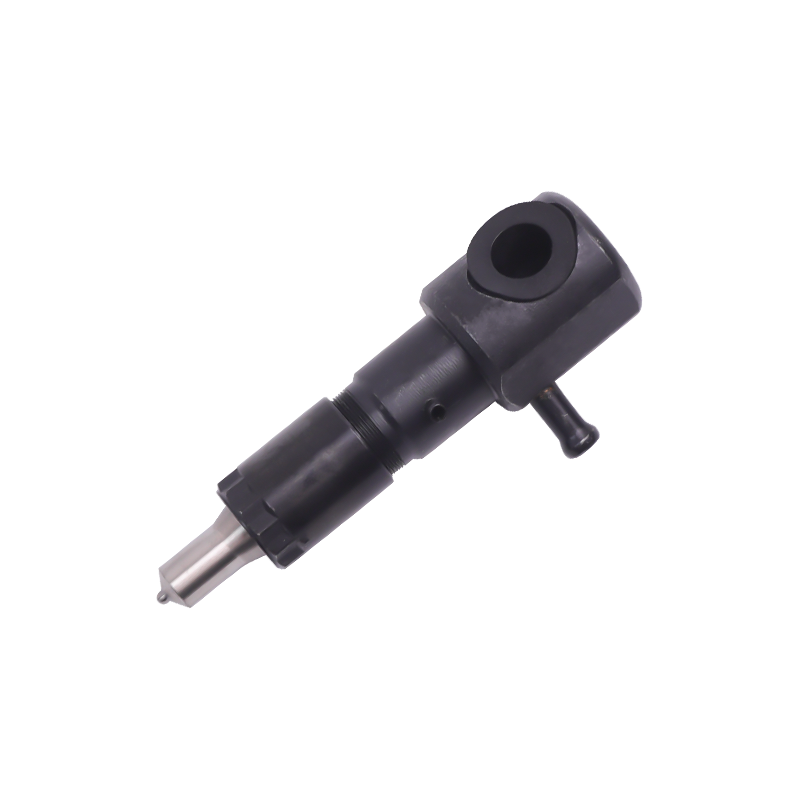
The 178F fuel injector is designed for the direct injection systems of KD178F an...
See Details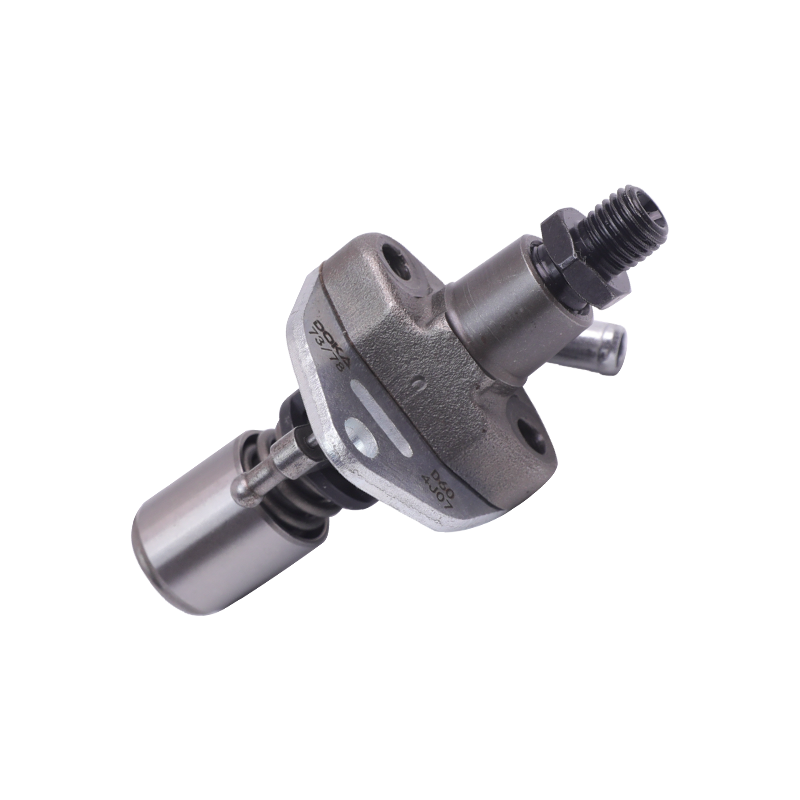
The 178F Fuel Injection Pump is specifically designed for Yanmar-series KD178F a...
See Details