中文
中文 English
 русский
 Español
News
Excellent product with exquisite craftsmanship.

 sales2@wxdoka.com
 +86-15190391637
 No.18 Xiangge Road, Hudai Town, Binhu District, Wuxi, China
Content
Fuel injectors are precision electromechanical components responsible for delivering a finely atomized spray of fuel directly into the engine's combustion chamber or intake port at exactly the right moment, in exactly the right quantity, and at the correct spray angle. Modern engine management systems calculate injector pulse width — the duration each injector stays open — thousands of times per minute based on inputs from sensors monitoring throttle position, engine speed, air mass flow, coolant temperature, oxygen content in exhaust gases, and more. The result, when injectors are functioning correctly, is optimal combustion efficiency, maximum power output, minimal fuel consumption, and clean exhaust emissions.
When fuel injectors begin to fail — whether through internal wear, carbon deposit buildup, electrical degradation, or mechanical damage — the precision of fuel delivery is compromised. Even small deviations in injector flow rate, spray pattern, or opening response time translate directly into rough running, increased fuel consumption, elevated emissions, misfires, and in severe cases, physical engine damage from lean combustion or unburned fuel washing lubricant from cylinder walls. Understanding when injectors need cleaning versus when they genuinely need replacement is one of the most practically important diagnostic skills for vehicle owners and mechanics alike.
Fuel injector failure rarely happens instantaneously. In most cases, performance degrades progressively over thousands of kilometers as deposits accumulate, internal seals harden, or the pintle valve and needle wear beyond their tolerance range. Recognizing the early and mid-stage symptoms gives you the opportunity to address the problem before it causes secondary damage to oxygen sensors, catalytic converters, or engine internals.
A misfiring engine — where one or more cylinders fail to ignite their fuel charge properly — is one of the most common and unmistakable signs of injector trouble. If a clogged injector is delivering too little fuel, the affected cylinder runs lean and misfires. If a leaking or stuck-open injector is delivering too much fuel, the cylinder floods and also misfires. In both cases, the engine will feel rough and uneven, particularly at idle when injector timing precision has the greatest impact on combustion quality. Modern OBD-II systems will typically log misfire codes (P0300 through P030X, where X corresponds to the cylinder number) that can be read with a diagnostic scanner.
A sudden or gradual worsening of fuel economy that cannot be explained by driving pattern changes, tire pressure issues, or seasonal fuel blend differences is a strong indicator that the fuel system is not operating at peak efficiency. Partially clogged injectors force the ECU to compensate by extending injector pulse widths or enriching the fuel mixture to maintain driveability — both of which consume more fuel per kilometer traveled. Leaking injectors waste fuel directly by dripping into cylinders when they should be closed. If your fuel consumption has increased by 10% to 20% or more without a clear cause, injector condition should be part of the diagnosis.
Fuel injectors that cannot deliver the full fuel volume demanded during hard acceleration will cause the engine to hesitate, stumble, or feel flat when the throttle is opened quickly. This symptom is particularly pronounced under high-load conditions such as overtaking, hill climbing, or carrying heavy cargo, where the engine's fuel demand spikes sharply. A vehicle that accelerates normally under light throttle but hesitates or surges under hard acceleration is exhibiting a classic partial-clog injector symptom — the injector can keep up with low fuel demand but cannot flow adequately when maximum delivery is required.
While the check engine light can be triggered by hundreds of different faults, several specific diagnostic trouble codes point directly to injector or fuel system issues. Codes related to fuel trim (P0171, P0172, P0174, P0175) indicate the ECU is making significant corrections to the fuel mixture, suggesting injector flow imbalance. Injector circuit codes (P0200 through P0212) indicate electrical faults in the injector wiring or solenoid. Misfire codes in conjunction with fuel trim codes provide particularly strong evidence of injector problems. Never ignore a check engine light — have the codes read and interpreted before the underlying issue causes further damage.
A distinct smell of raw fuel from the engine bay — particularly after the engine has been switched off — indicates a fuel leak, which may originate from a cracked injector body, deteriorated O-ring seals at the injector-to-rail or injector-to-intake connections, or a stuck-open injector that continues to dribble fuel after the engine stops. This is a safety issue as well as a performance problem, since fuel vapors near hot engine components create a fire risk. A rich fuel smell from the exhaust during normal operation can also indicate injectors that are over-fueling, either due to incorrect spray patterns or injectors that are not closing fully at the end of each pulse.
Not every fuel injector problem requires replacement. In many cases, particularly with carbon deposit buildup on the injector tip or partial clogging from low-quality fuel or extended idle periods, professional ultrasonic cleaning and flow testing can restore injector performance to within acceptable specifications at a fraction of the replacement cost. Understanding when cleaning is a viable solution — and when it is merely delaying an inevitable replacement — is critical for making cost-effective maintenance decisions.
| Condition | Recommended Action | Reason |
| Partial clog from carbon deposits | Professional ultrasonic cleaning | Deposits can be dissolved; internal components intact |
| Flow rate deviation >10% after cleaning | Replace injector | Internal wear cannot be corrected by cleaning |
| Cracked injector body or housing | Replace immediately | Structural damage; fire and fuel leak risk |
| Failed solenoid or open/short circuit | Replace injector | Electrical failure; not addressable by cleaning |
| Leaking O-ring seals only | Replace O-rings and seals | Low-cost fix if injector body is undamaged |
| High mileage with multiple symptoms | Replace full set | Remaining injectors near end of service life |
Professional injector flow testing — where each injector is measured for static flow rate, dynamic flow at various pulse widths, and spray pattern quality — is the most reliable diagnostic tool for determining whether cleaning or replacement is appropriate. A reputable fuel injector service facility will provide before-and-after flow data, allowing you to make an evidence-based decision rather than guessing based on symptoms alone.
Fuel injectors do not have a universal fixed replacement interval in the way that spark plugs or timing belts do. Their service life depends heavily on fuel quality, maintenance history, engine design, and operating conditions. However, understanding the typical lifespan ranges for different injector types helps inform proactive replacement decisions — particularly on high-mileage vehicles where injector condition becomes a reliability risk rather than just a performance concern.
This is one of the most frequently debated questions in fuel system maintenance, and the answer depends on the vehicle's mileage, the nature of the failure, and the cost difference between single and set replacement. In principle, replacing only the failed injector is the most economical approach in the short term. In practice, on a high-mileage engine where one injector has failed due to wear, the remaining injectors have accumulated identical service hours and are often operating near the edge of their specification tolerance — making further failures likely in the near future.
The labor cost of injector replacement — which involves depressurizing the fuel rail, removing intake components on many engines, and performing careful fuel system reassembly — is often comparable for one injector versus a full set. Paying full labor costs twice within a short period significantly increases the total cost of ownership compared to replacing all injectors in a single service event. For vehicles beyond 120,000 kilometers where one injector has failed, replacing the complete set is almost always the more economical long-term decision, particularly when the replacement injectors are OEM-specification or high-quality aftermarket units matched as a flow-balanced set.
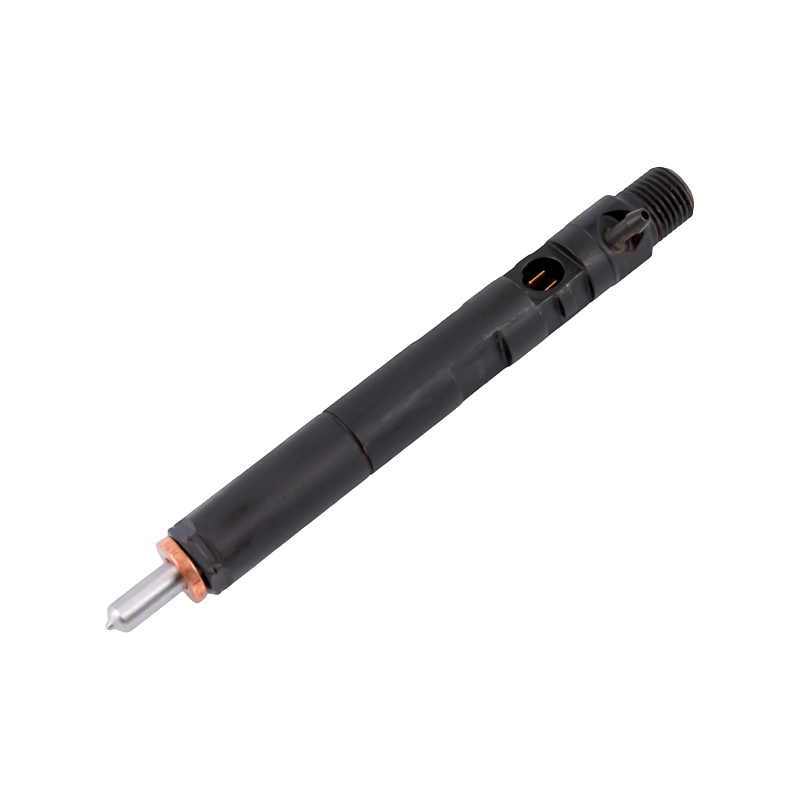
Continuing to operate a vehicle with known injector problems in the hope that symptoms will resolve themselves or remain manageable is a costly mistake. Injector problems do not improve without intervention — they invariably worsen, and the secondary damage they cause escalates proportionally with the delay.
Once the decision to replace has been made, selecting the correct replacement injectors is critical. The replacement unit must match the original injector's flow rate, spray pattern, operating pressure range, electrical resistance, and connector type exactly — any deviation will cause the ECU's fuel calculations to be incorrect, resulting in either a rich or lean condition that defeats the purpose of the replacement.
OEM injectors from the vehicle manufacturer or their designated supplier offer the highest confidence in specification matching and are the appropriate choice for vehicles under warranty or where maximum long-term reliability is the priority. High-quality aftermarket injectors from established suppliers — particularly those that offer flow-matched sets verified on calibration equipment — provide a cost-effective alternative for older vehicles. Remanufactured injectors can be acceptable if they carry a warranty and are supplied with flow test documentation. Avoid unbranded or very low-cost injectors that offer no verifiable flow data, as the cost saving is quickly negated by poor performance and short service life. Always replace injector O-rings and seals as part of any injector replacement to prevent fuel leaks at the installation interfaces.
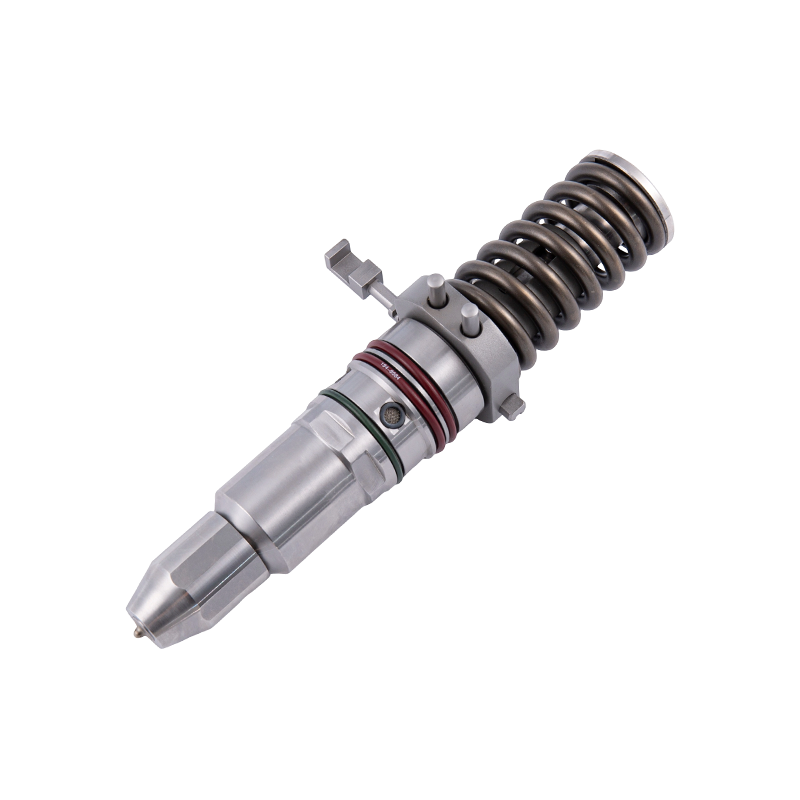
The fuel injector compatible with Caterpillar CRI/CRS series 3500A-111-3718 is d...
See Details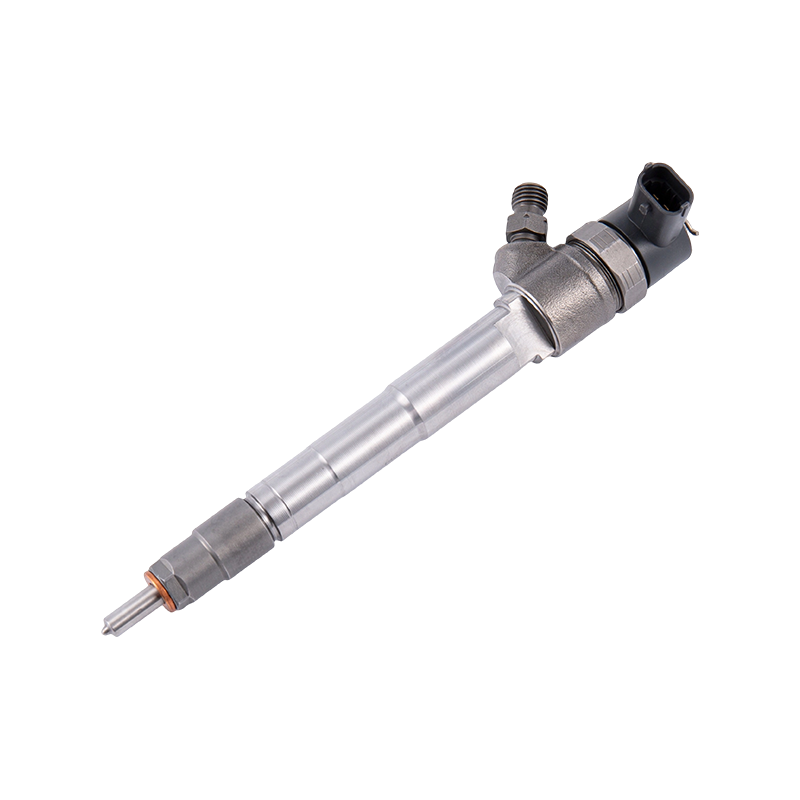
The 0445110376 common rail diesel injector is compatible with the Bosch CRI 110 ...
See Details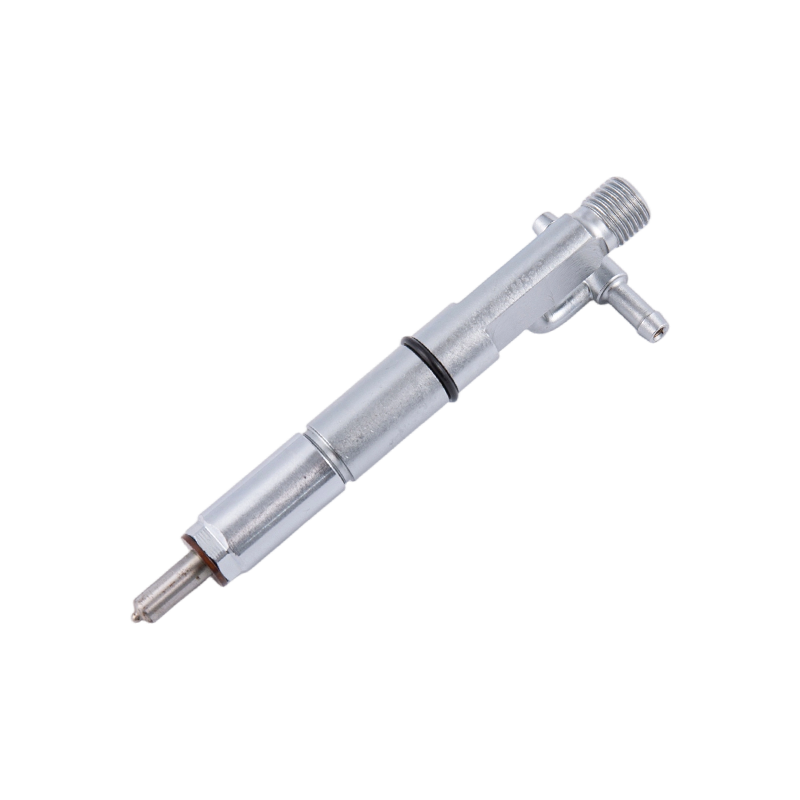
The product compatible with DENSO 093500-7500 fuel injector—part of the X1 Serie...
See Details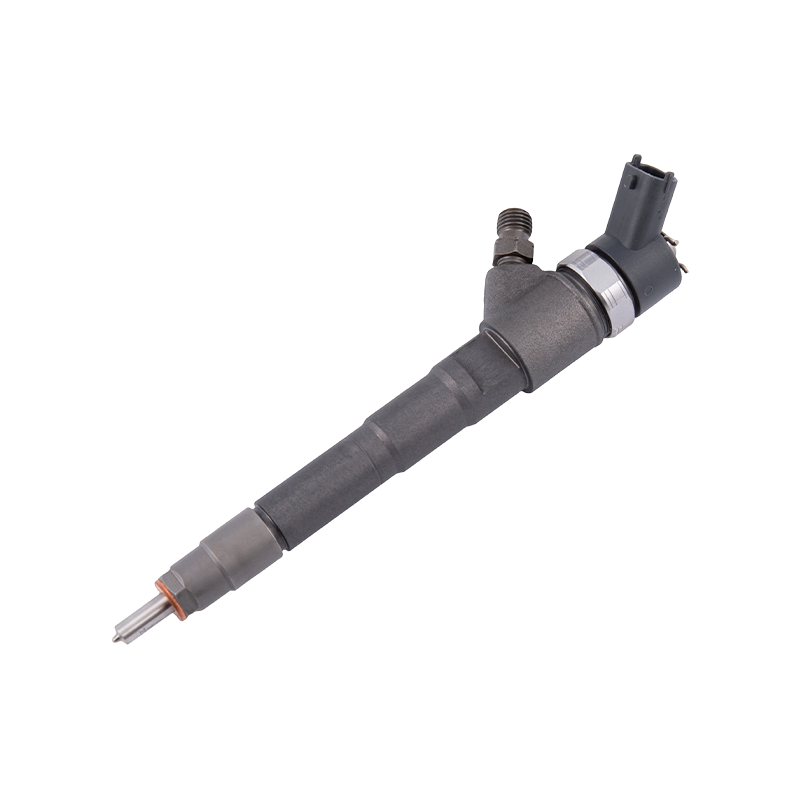
The 0445110273 common rail diesel injector is compatible with the Bosch CRI 110 ...
See Details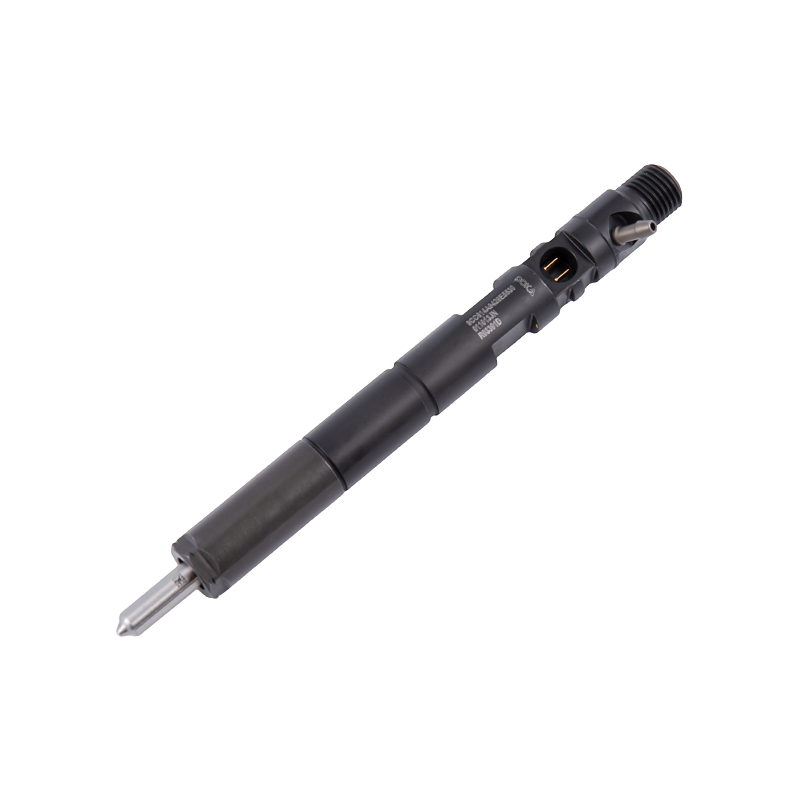
The product compatible with Delphi EJBR03301D fuel injector from the Multec Seri...
See Details
The product compatible with Delphi EJBR01801A fuel injector in the Multec Series...
See Details