中文
中文 English
 русский
 Español
News
Excellent product with exquisite craftsmanship.

 sales2@wxdoka.com
 +86-15190391637
 No.18 Xiangge Road, Hudai Town, Binhu District, Wuxi, China
Content
Within single-cylinder air-cooled diesel engines, the shift fork tied to the fuel injection mechanism performs a role that is often underestimated given its relatively small size. This component acts as the direct mechanical link responsible for engaging and positioning the drive elements that regulate fuel delivery timing. Because single-cylinder diesel engines rely on a single injection event per combustion cycle to deliver consistent power output, the accuracy of the shift fork directly affects how precisely fuel is metered and timed into the combustion chamber.
Unlike multi-cylinder systems where slight timing variances can be balanced across cylinders, a single-cylinder configuration has no such buffer. Any deviation in the shift fork's positioning accuracy translates immediately into inconsistent combustion, uneven power delivery, or increased fuel consumption. This makes the design, material selection, and manufacturing precision of the shift fork a determining factor in overall engine reliability.
A well-engineered shift fork is built around several structural elements that work together to maintain stable operation under repeated mechanical stress.
The main body of the shift fork must withstand repeated lateral and axial forces as it shifts the drive sleeve or collar into position. A structure that lacks sufficient rigidity can flex under load, leading to imprecise engagement and premature fatigue cracking over extended use cycles.
The contact points where the fork interfaces with the sliding sleeve experience continuous friction during every shift cycle. These surfaces are typically hardened or treated to resist abrasive wear, since even minor surface degradation can widen tolerances over time and introduce play into the shifting mechanism.
Precise datum points are essential for ensuring the shift fork installs into the housing in the correct orientation and alignment. Deviations at these reference points can cascade into misalignment throughout the entire fuel injection drive assembly, affecting timing accuracy even if the fork itself is otherwise well-manufactured.
The performance of a shift fork is inseparable from the manufacturing process used to produce it. High-accuracy tooling combined with automated machining allows for tighter dimensional control across every unit produced, which is particularly important for a component that must consistently engage within narrow tolerance windows.
In-house manufacturing systems that control the entire production sequence, from raw material shaping to final finishing, offer a distinct advantage over outsourced or fragmented production models. When a single facility oversees load-bearing structure formation, wear-surface treatment, and datum point machining, it becomes possible to maintain consistency across large production volumes while still adjusting quickly to specific engine model requirements.
Automated machining reduces the variability that can occur with manual production methods. This is especially relevant for shift forks, where even a tolerance deviation of a few hundredths of a millimeter can affect how smoothly the fork engages with the sliding collar during operation.
Single-cylinder air-cooled diesel engines are produced across a wide range of displacement sizes and configurations, each requiring shift forks with slightly different dimensions, arm lengths, or mounting geometries. A flexible in-house tooling setup allows for faster adjustment between product variants without sacrificing the precision required for reliable fuel injection timing.
Shift forks for fuel injection drive systems are typically manufactured from alloy steels chosen for their balance of strength, hardness, and fatigue resistance. The material must tolerate repeated cyclical loading without developing microfractures at stress concentration points, particularly at the fork arms where contact with the sliding sleeve occurs.
Surface hardening treatments, such as carburizing or induction hardening, are commonly applied to the contact zones to extend service life while preserving a tougher, more ductile core that resists brittle failure under shock loading. This combination of a hardened surface and resilient core structure allows the shift fork to endure the demanding operating conditions found in continuous-duty diesel applications, including agricultural machinery, water pumps, and small industrial generators.
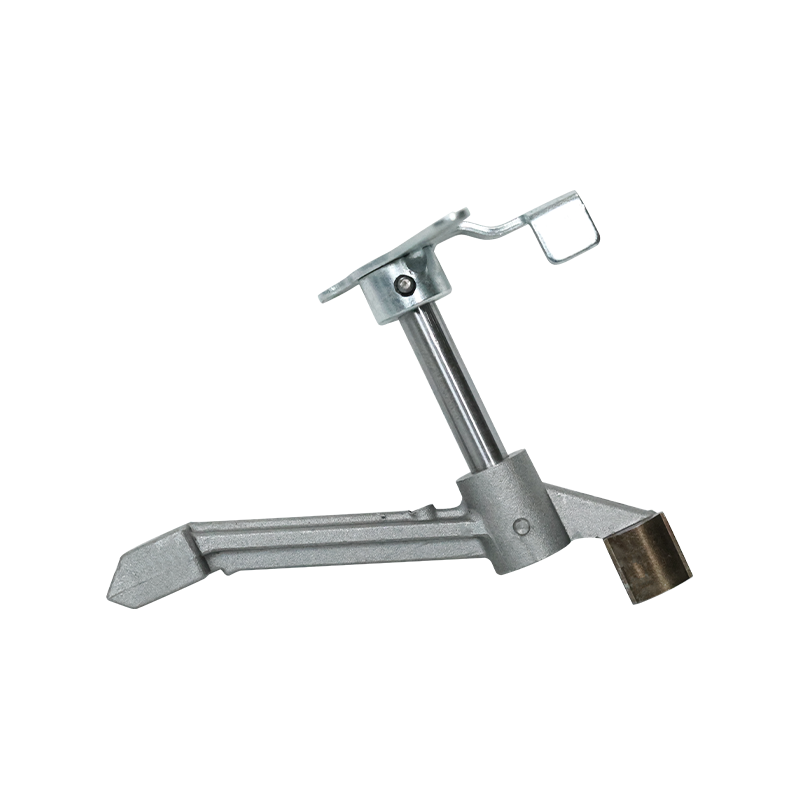
The table below outlines how different operating environments influence shift fork design priorities.
| Application Type | Primary Design Priority | Typical Material Treatment |
| Agricultural machinery | Vibration and shock resistance | Induction hardened alloy steel |
| Water pump engines | Consistent long-duration operation | Carburized surface treatment |
| Small generators | Precise timing stability | Tight tolerance finish machining |
| Construction equipment | High load-bearing capacity | Reinforced core structure |
Consistent quality control throughout production is essential for a component that plays such a direct role in engine timing accuracy. Effective quality assurance typically includes the following checkpoints.
Engine manufacturers and assembly operations working with multiple single-cylinder air-cooled diesel platforms benefit significantly from sourcing shift forks from a supplier capable of covering the full range of mainstream engine models. This reduces the complexity of managing multiple suppliers for what is fundamentally the same component category, while ensuring that fitment, tolerance standards, and material quality remain consistent across an entire engine lineup.
A supplier with comprehensive model coverage and in-house tooling capability can also respond more efficiently to design updates or engine revisions, since new fork variants can be developed and validated without the delays associated with coordinating across external production partners.
Even a precisely manufactured shift fork requires correct installation to perform as intended. Proper alignment during assembly ensures that the fork engages smoothly with the sliding sleeve without introducing binding or excessive play. Technicians should verify that mounting surfaces are free of debris or burrs before installation, as even minor obstructions at the datum points can shift the fork's operating position and affect fuel injection timing accuracy over time. Periodic inspection during routine engine servicing helps catch early signs of wear at the contact surfaces before they progress into timing inconsistencies or drive engagement failures.
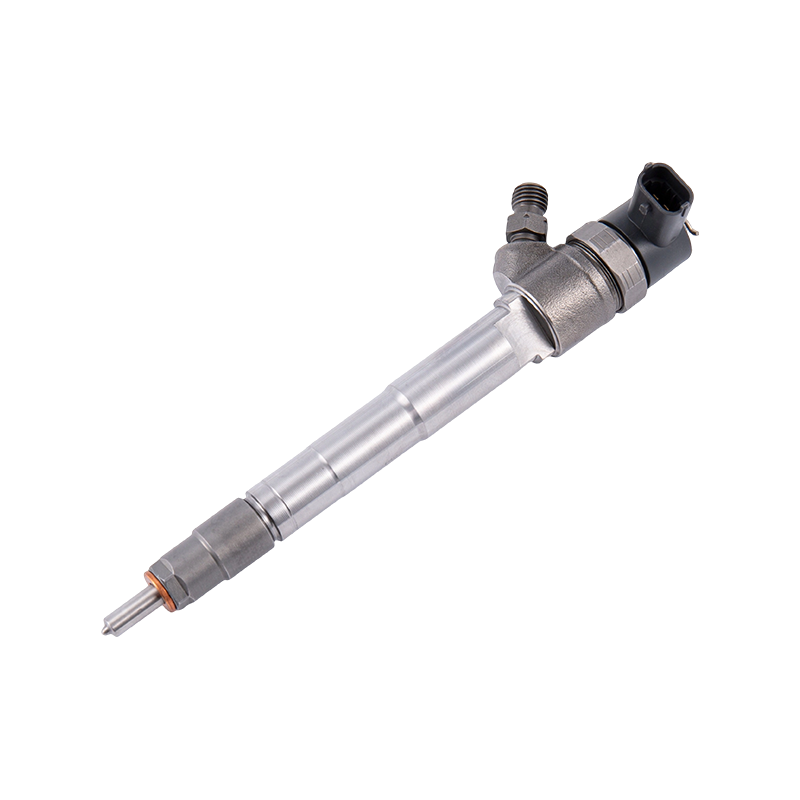
The 0445110376 common rail diesel injector is compatible with the Bosch CRI 110 ...
See Details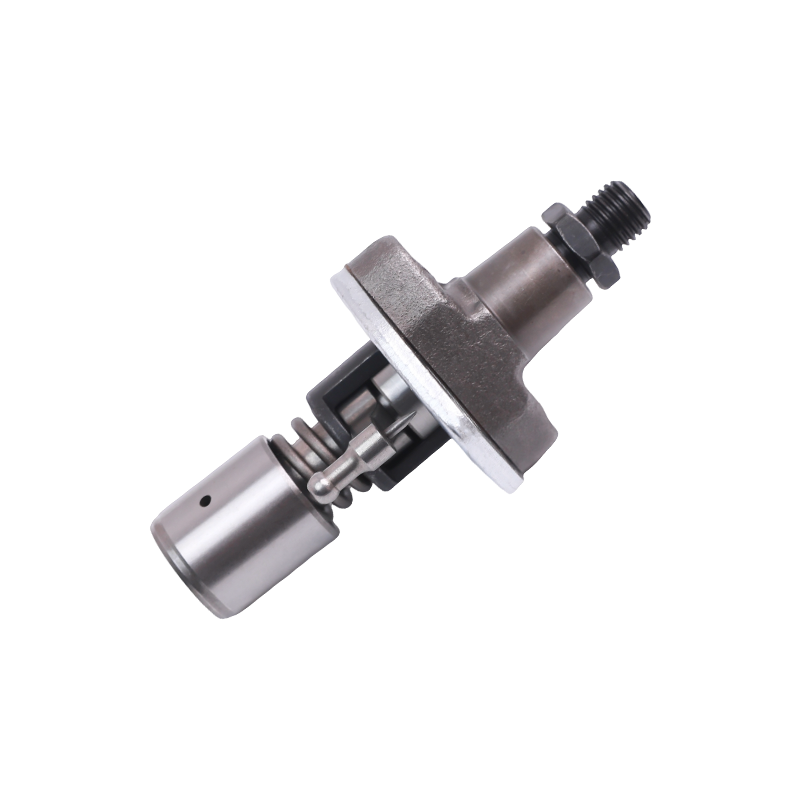
The 192F Fuel Injection Pump is engineered for Yanmar-series KD192F and KD192FE ...
See Details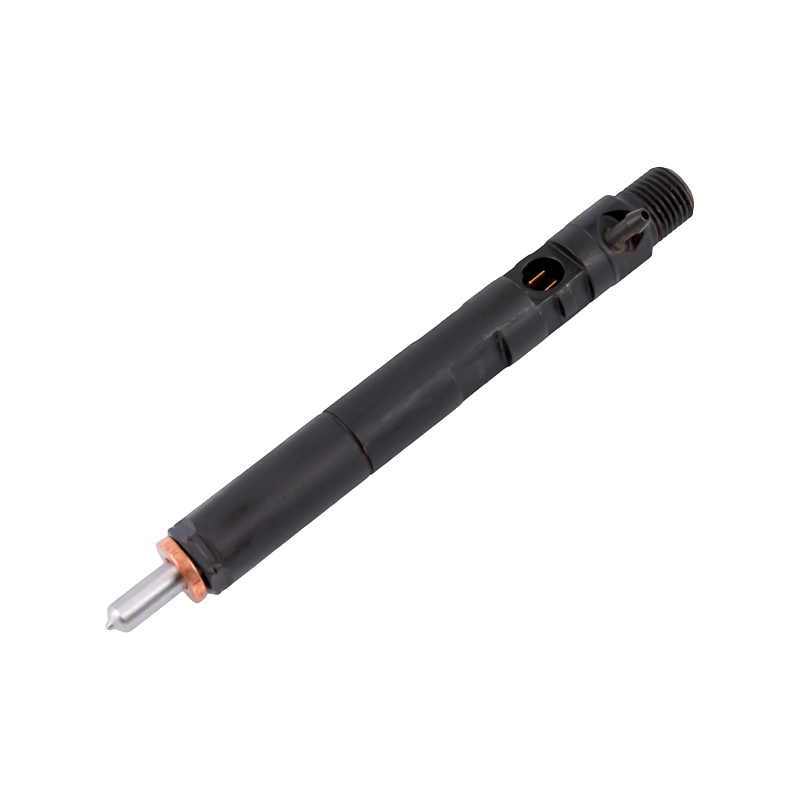
The product compatible with Delphi EJBR01801A fuel injector in the Multec Series...
See Details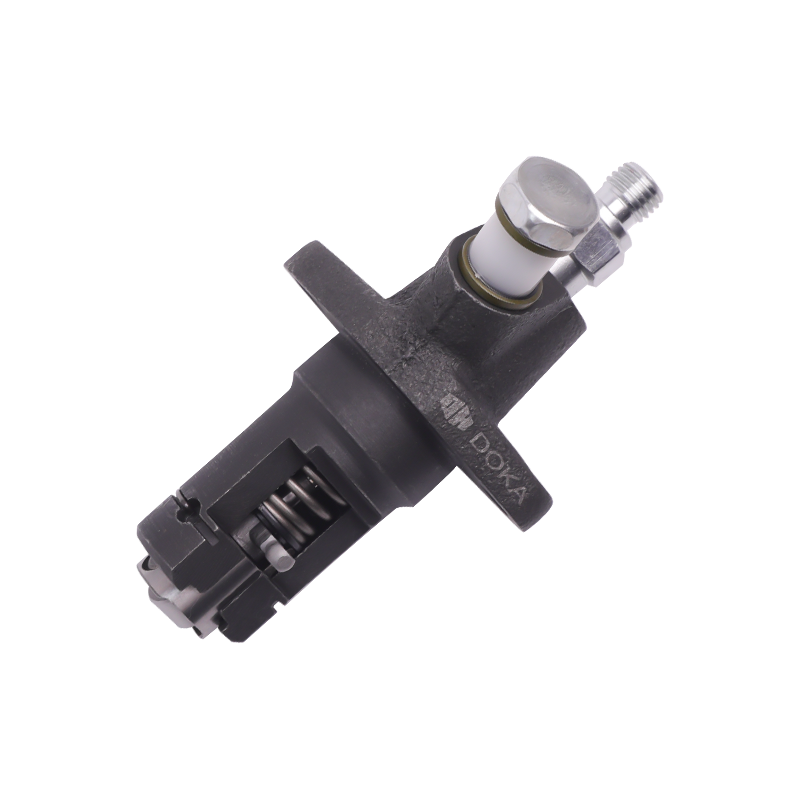
Yanmar Series 168F Fuel Injection Pump is a mechanical plunger type specifically...
See Details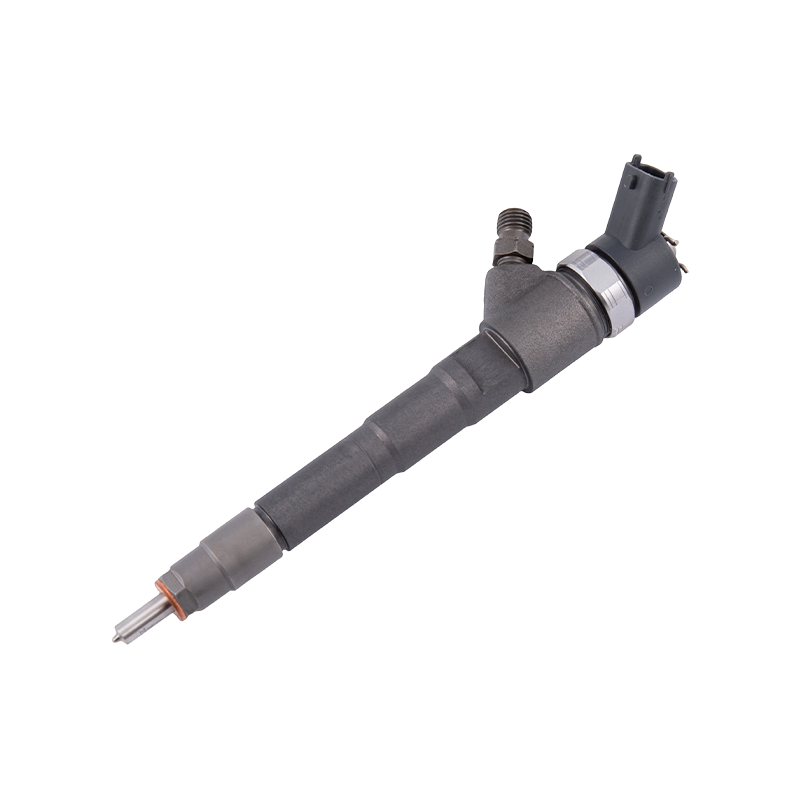
The 0445110273 common rail diesel injector is compatible with the Bosch CRI 110 ...
See Details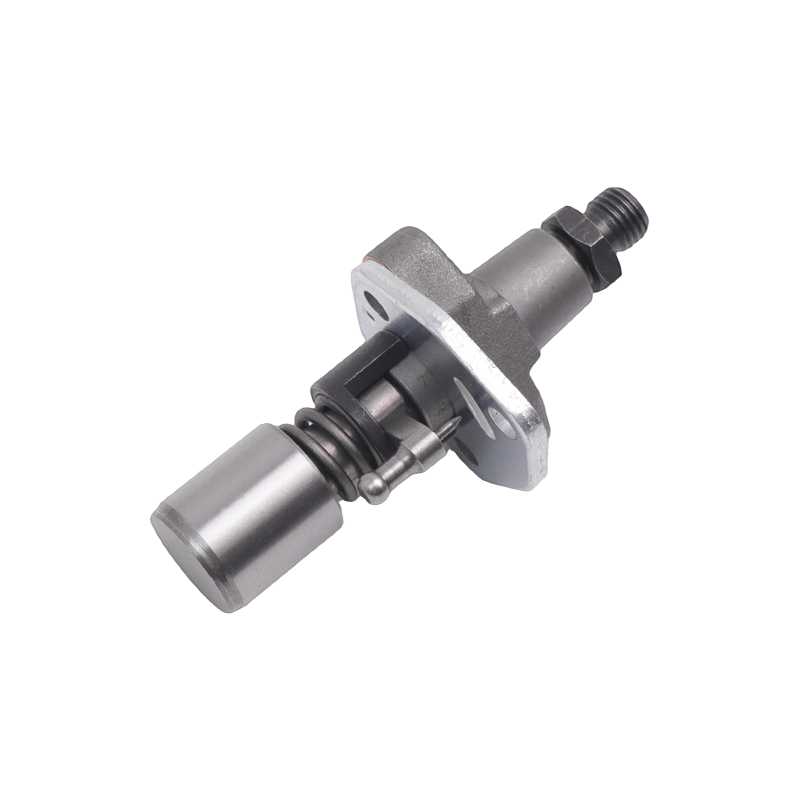
The 186FA Fuel Injection Pump is purpose-built for Yanmar-series KD186FA and KD1...
See Details