中文
中文 English
 русский
 Español
News
Excellent product with exquisite craftsmanship.

 sales2@wxdoka.com
 +86-15190391637
 No.18 Xiangge Road, Hudai Town, Binhu District, Wuxi, China
Content
The piezoelectric actuator stack is the component that most differentiates one injector supplier from another, since it converts electrical voltage into the mechanical displacement that opens and closes the injector's needle valve. A stack is built from hundreds of thin ceramic layers bonded together, and the consistency of that bonding process determines how the actuator behaves after tens of millions of switching cycles. Poorly bonded layers create microscopic stress points that concentrate mechanical fatigue during repeated expansion and contraction, which eventually leads to a loss of stroke length or, in more severe cases, a cracked stack that causes complete injector failure. Suppliers with mature stack production processes typically run each batch through a displacement consistency test before final assembly, checking that every stack in a batch produces the same expansion under a given voltage, since even a small variance between stacks on the same engine can cause cylinder-to-cylinder fuel delivery imbalance.
Thermal stability is another factor tied directly to stack construction quality. Piezoelectric ceramics exhibit a property called depolarization, where prolonged exposure to high temperature gradually reduces the material's ability to expand under voltage. Injectors operating in the engine bay experience significant thermal cycling between cold starts and full operating temperature, so a stack with a lower depolarization threshold will show gradually declining injection precision over its service life even if no single component fails outright. Reviewing a supplier's published depolarization temperature threshold, rather than assuming all piezoelectric stacks perform identically, helps buyers match the injector to the thermal environment of the specific engine application.
Buyers evaluating suppliers sometimes need to justify why a piezoelectric injector is specified over a solenoid injector in the first place, since the higher unit cost of piezoelectric technology needs to be weighed against measurable performance gains for the specific application. The table below summarizes the practical differences that matter most in a sourcing decision.
| Characteristic | Piezoelectric Injector | Solenoid Injector |
| Response time | Under 0.1 ms typical | 0.2 - 0.3 ms typical |
| Multiple injection events per cycle | Up to 5-7 events supported | Typically 2-3 events supported |
| Fuel metering precision at low volumes | High, due to direct mechanical actuation | Moderate, limited by electromagnetic response lag |
| Unit cost | Higher | Lower |
| Typical application fit | Emissions-critical diesel and GDI engines | General-purpose gasoline and diesel engines |
The ability to support multiple injection events per combustion cycle is often the deciding factor for emissions-focused applications, since splitting fuel delivery into a pilot, main, and post-injection phase reduces combustion noise and particulate formation in ways that a slower-responding solenoid injector cannot replicate as precisely.
Every piezoelectric injector leaves the factory with a unique calibration code, sometimes referred to as an IMA (Injector characteristic Map Adaptation) code or similar designation depending on the manufacturer, which compensates for the microscopic manufacturing variance inherent in each individual unit. This code must be programmed into the engine control unit whenever an injector is replaced, and using an injector without properly transferring its calibration data results in incorrect fuel quantity delivery even though the injector itself is functioning correctly. Suppliers who provide clear, individually matched calibration documentation with each unit, rather than a generic data sheet covering an entire batch, significantly reduce the risk of installation errors that get misdiagnosed as injector defects.
Different engine control unit platforms expect calibration data in different formats, whether as a printed code on the injector body, a data matrix code, or a value that must be entered manually through a diagnostic tool. Confirming that a supplier's calibration data format matches what the target ECU platform expects, before placing a bulk order, avoids a situation where an entire batch of otherwise correct injectors cannot be properly commissioned because the calibration data was provided in an incompatible format.
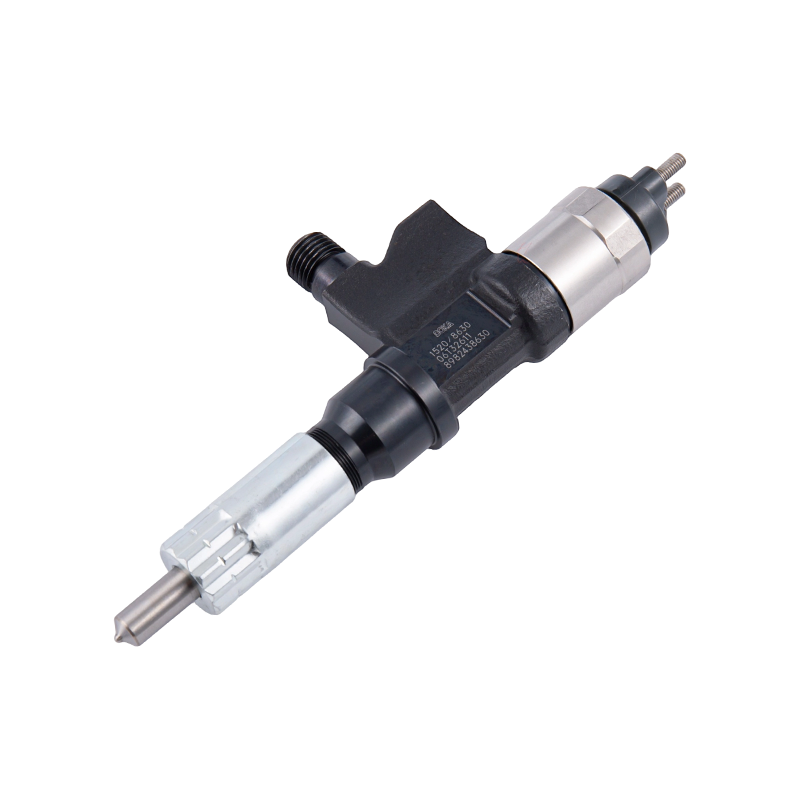
Because piezoelectric injectors operate under both high electrical voltage and extreme mechanical cycling, the testing protocol a supplier applies before shipment says more about long-term reliability than the specification sheet alone. A supplier that only performs a basic function test at low pressure is not verifying the same failure modes that occur under actual operating conditions, where fuel pressures in common rail diesel systems can exceed 2,000 bar.
Understanding how piezoelectric injectors typically fail helps buyers ask more targeted questions during supplier evaluation, rather than relying solely on warranty terms as a proxy for quality. Stack cracking, often caused by manufacturing stress points or thermal shock during rapid temperature transitions, usually presents as a sudden and complete loss of injector function rather than a gradual decline, since a cracked stack loses its ability to expand uniformly under voltage. Needle valve seat wear, by contrast, tends to develop gradually and shows up first as a slight increase in idle roughness or fuel consumption before becoming severe enough to trigger a diagnostic fault code.
Coking, the buildup of carbonized fuel deposits around the injector tip, is not strictly a manufacturing defect but is influenced by the precision of the injector's spray pattern and tip design. An injector with a well-designed nozzle geometry and consistent spray cone angle resists coking buildup more effectively than one with minor manufacturing variance in the nozzle holes, since uneven spray patterns create localized hot spots where fuel residue is more likely to carbonize on the injector tip.
Not every field failure traces back to the injector itself. Contaminated fuel, incorrect torque during installation that distorts the injector body, or failure to transfer calibration data correctly can all produce symptoms that closely resemble a manufacturing defect. Suppliers who offer failure analysis support, including sectioning and inspecting returned units to identify the actual root cause, provide buyers with more useful long-term data than those who simply process warranty replacements without investigating why the original unit failed.
For OEM and large-volume aftermarket buyers, batch traceability is often as important as the injector's individual performance specifications. A supplier that can trace each injector back to its specific production batch, ceramic stack lot, and test results allows a buyer to isolate and investigate a quality issue affecting a specific date range or production run, rather than treating every failure as an isolated incident. This traceability also matters for regulatory compliance in regions where emissions-related components require documented conformity records, since an injector supplier unable to provide batch-level test data can create compliance gaps that surface later during an audit rather than at the time of purchase.
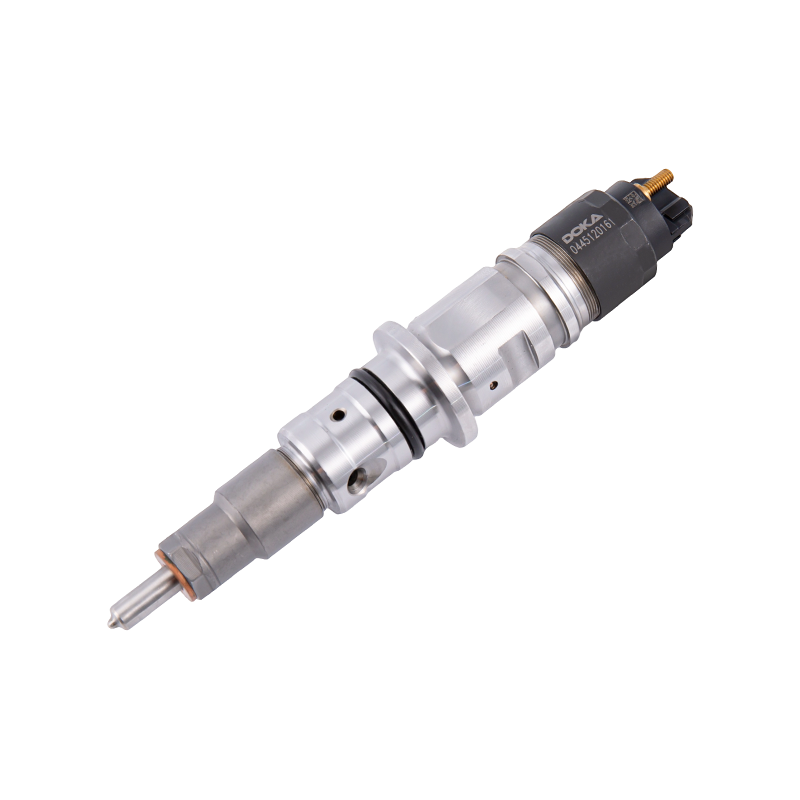
The 0445120161 diesel injector is compatible with the Bosch CRIN 120 series. It ...
See Details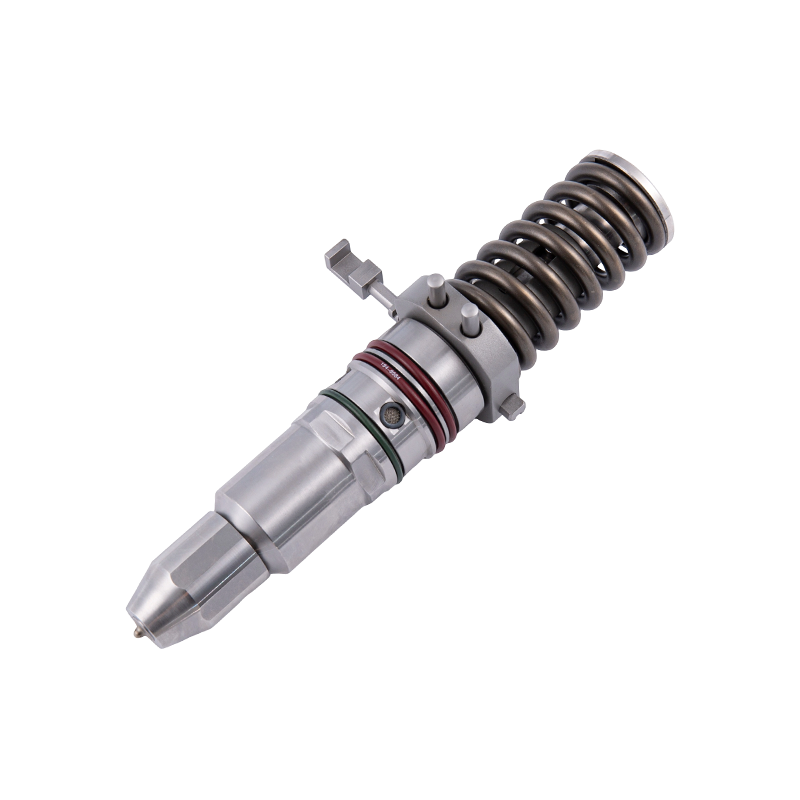
The fuel injector compatible with Caterpillar CRI/CRS series 3500A-111-3718 is d...
See Details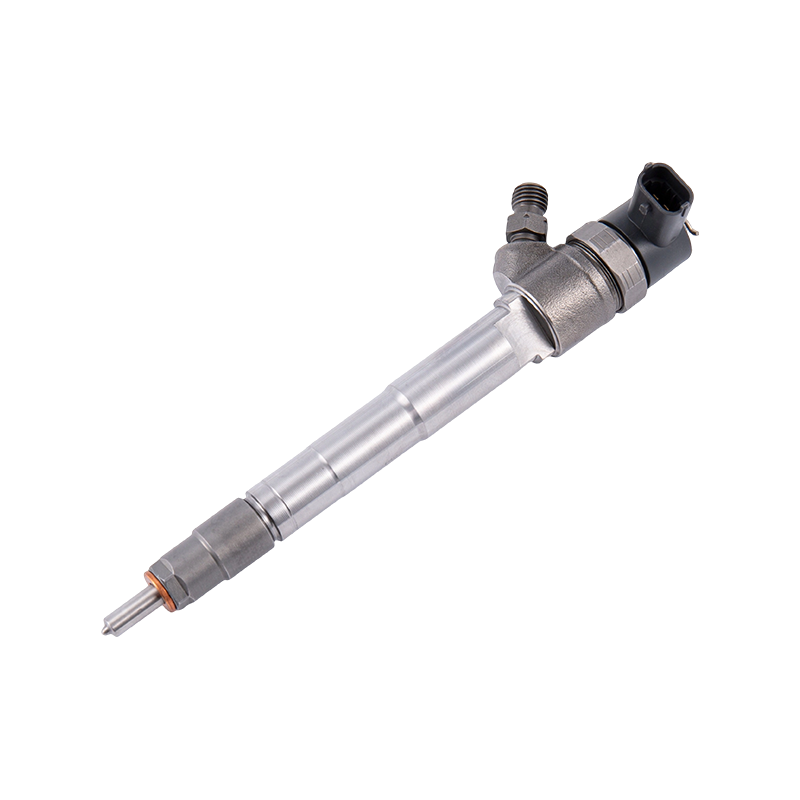
The 0445110376 common rail diesel injector is compatible with the Bosch CRI 110 ...
See Details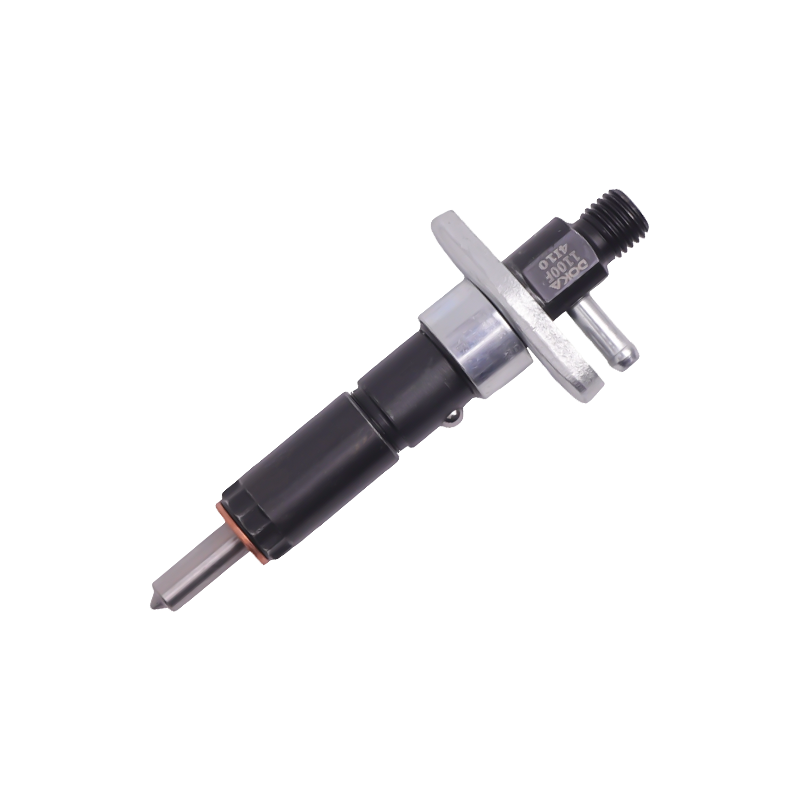
The 1100F fuel injector is specifically designed for the direct injection system...
See Details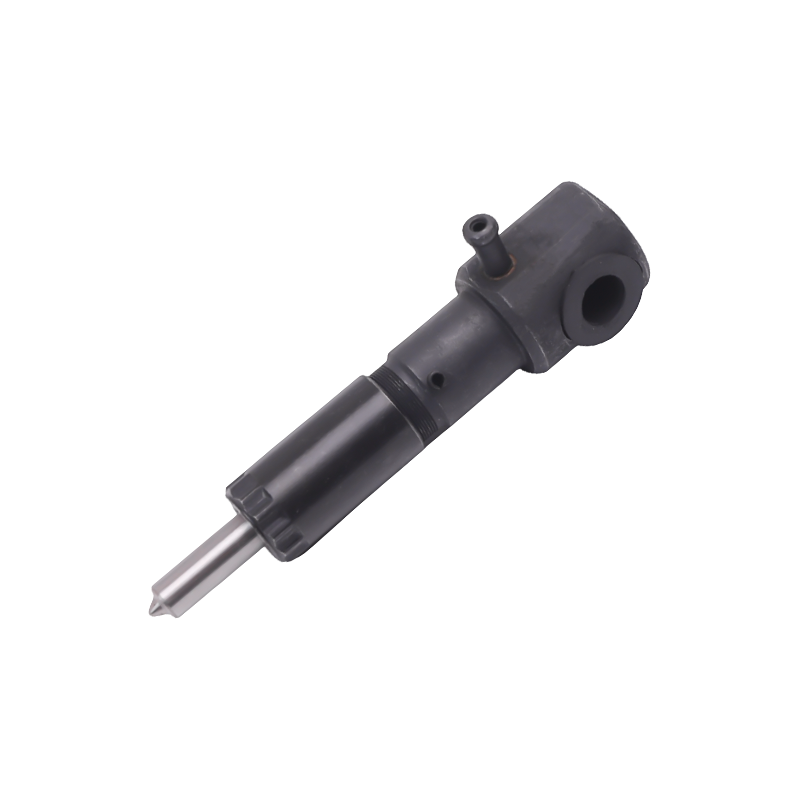
The 186FA fuel injector is engineered for the direct injection systems of KD186F...
See Details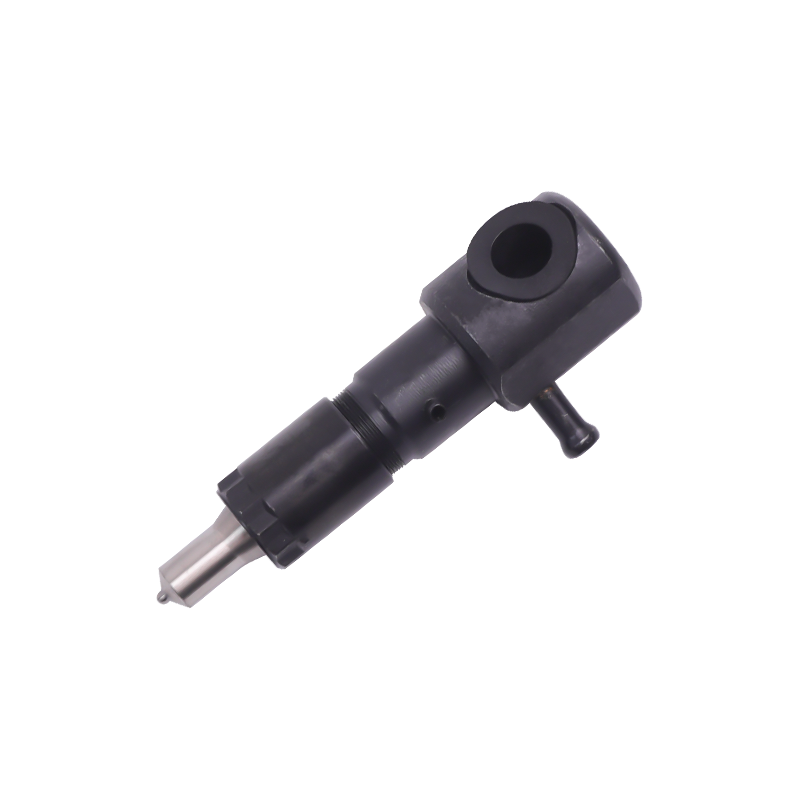
The 178F fuel injector is designed for the direct injection systems of KD178F an...
See Details