中文
中文 English
 русский
 Español
News
Excellent product with exquisite craftsmanship.
 sales2@wxdoka.com
 +86-15190391637
 No.18 Xiangge Road, Hudai Town, Binhu District, Wuxi, China
A repair shop manager receives a batch of injectors for a pre‑2010 diesel engine. The original nozzle part numbers are discontinued. The generic replacements fit but produce an uneven spray cone—idle knock, higher soot, and customer returns. When precise injection geometry matters, the only sustainable fix is a purpose‑built nozzle. Experienced custom common rail nozzle manufacturers step in here, turning drawings and usage parameters into production‑ready components that match the original flow rate, opening pressure, and spray angle.
Content
A common rail nozzle does more than meter fuel. At rail pressures exceeding 1,800 bar, its seat diameter, needle lift, and hole layout determine atomization quality, penetration depth, and combustion timing. Off‑the‑shelf nozzles cover broad engine families, but when an engine has been modified, operates in severe conditions, or requires a replacement for a discontinued model, the standard options often lead to torque deviation, elevated emissions, or accelerated bore wear. Custom nozzles address these mismatches by matching the exact hydraulic flow, sac volume, and spray pattern needed.
Custom requests commonly arise for non‑standard needle valve lift, unique injection angle to accommodate a revised piston bowl, flow‑matched sets for multi‑cylinder engines, or legacy parts that have been out of production for decades. In these scenarios, the buyer typically provides an OEM reference, a physical sample, or a detailed parameter list covering nozzle type (SAC/VCO), number of holes, hole diameter, cone angle, and required flow at a specific rail pressure and pulse width. Selecting a capable partner starts with knowing what an engineered nozzle can achieve. For a concrete example, a high-precision common rail nozzle designed with exact seat‑to‑needle alignment illustrates the kind of component that becomes the template for custom work.
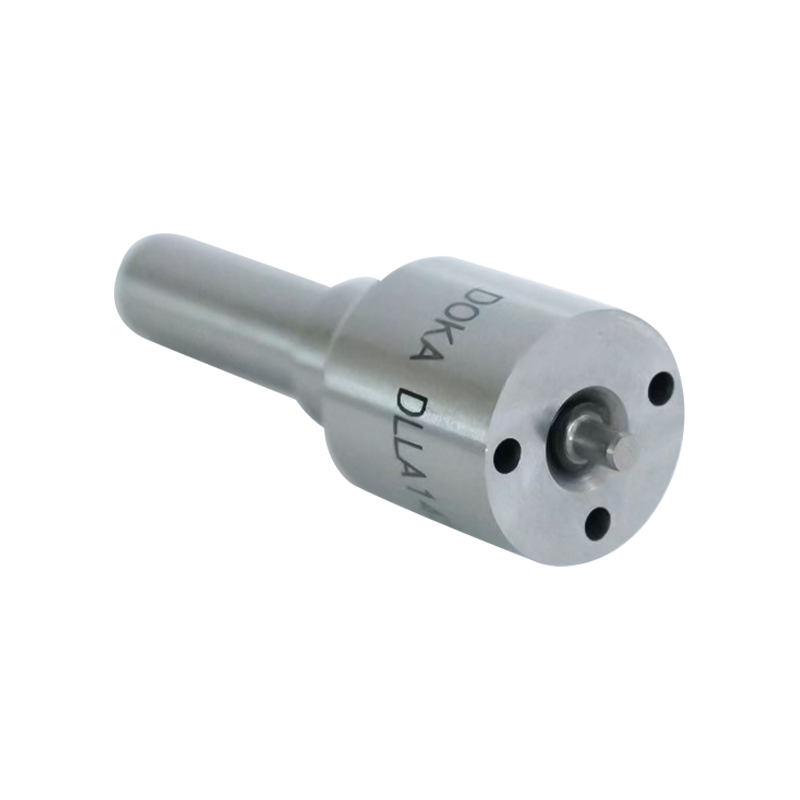 DLLA145P864 Common Rail Fuel Nozzle Component – High-Precision Atomization CustoWuxi DOKA is Manufacturer of DLLA145P864 Common Rail Fuel Nozzle Component – High-Precision Atomization, Custom factory,The DLLA145P864 C...View Product →
Not every shop that can cut steel can make a production‑grade common rail nozzle. The difference between a prototype and a reliable batch lies in how the manufacturer handles material, geometry, validation, and repeatability. Buyers should evaluate three core areas before committing to a supplier.
Nozzle needle and body must maintain a diametrical clearance of a few microns across the entire operating temperature range. Loose clearance leads to internal leakage and pressure loss; too tight risks seizure. The base material must remain stable under cyclic loading. Many trusted manufacturers specify high‑speed steel or powder‑metallurgy tool steel for their combination of hot hardness and resistance to erosive wear. A precision injection and atomization nozzle with verified hole‑to‑hole flow consistency demonstrates what proper material selection and EDM‑based hole drilling can achieve. When speaking with a potential supplier, ask how they control form deviations in the needle seat area and whether they regularly measure roundness and surface finish after heat treatment.
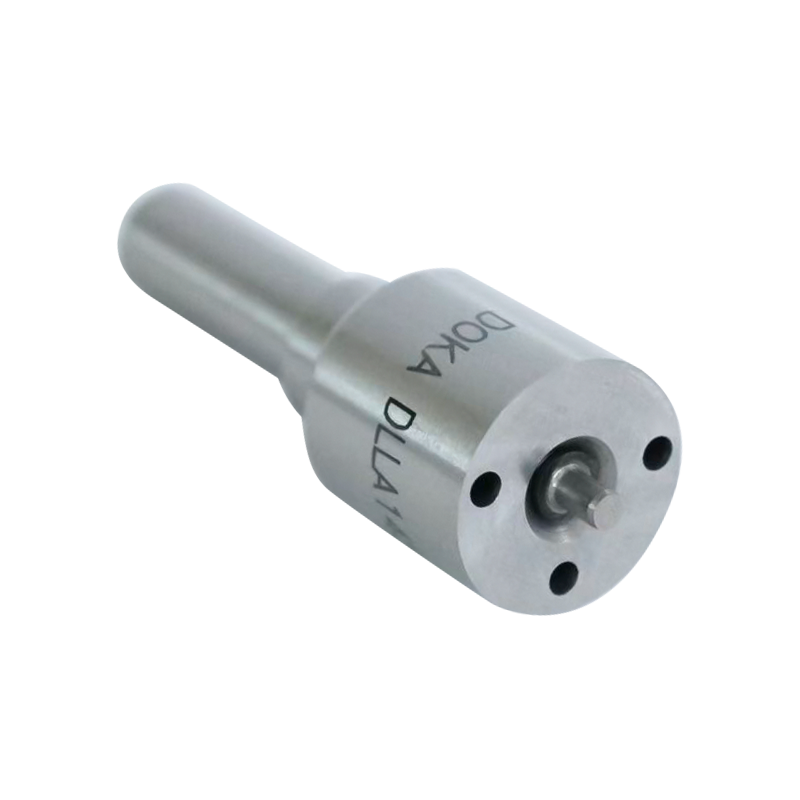 DLLA153P884 Common Rail Fuel Nozzle – High-Precision Injection and Atomization CWuxi DOKA is Manufacturer of DLLA153P884 Common Rail Fuel Nozzle – High-Precision Injection and Atomization, Custom factory,The DLLA153P8...View Product →
Full‑service manufacturers do not outsource validation. They run every batch through flow‑rate calibration, injection‑delay measurement, and spray‑pattern imaging at multiple rail pressures. Durability testing—cycling prototypes for hundreds of hours on a test bench—exposes drift before it reaches the field. A rigorous quality loop also includes cleanliness control: residual particles above ISO 4406 cleanliness codes can score the needle guide during first operation. Wuxi DOKA integrates simulation‑driven design, bench validation, and environmental cycling under one roof, a structure that shortens the debug cycle and catches tolerance issues early. You can learn more about DOKA’s quality assurance system and how it supports full‑loop traceability.
A flexible production line that can switch between low‑volume trial batches and serial production without tooling delays is a strong sign of genuine custom capability. Look for evidence that the plant handles diverse product types—single‑cylinder, multi‑cylinder, and heavy‑duty injector components—because this variety reflects line changeover competence. Typical project milestones for a new nozzle design run 15–30 days for first‑article samples, followed by 45–60 days for production ramp, assuming no major design iterations. Ask the manufacturer how they manage the sample approval process and whether they reserve machine capacity for repeat orders to stabilize supply.
A disciplined process flow reduces risk for both the buyer and the manufacturer. Although every factory has its own sequence, the critical steps remain consistent across trusted suppliers.
Once the specification is confirmed, the engineering team creates a simulation model to predict hydraulic behavior and hole‑to‑hole distribution. CNC EDM drilling then forms the injection holes with sub‑millimeter accuracy, followed by precision grinding of the needle seat and guiding diameter. After vacuum heat treatment, the components go through multi‑stage lapping to achieve the required sealing line contact. The assembly is then flow‑tested on a dedicated calibration stand—frequently a production‑oriented Bosch EPS or similar bench—to verify nominal flow and shot‑to‑shot variation. Final inspection includes dimensional checks with air gauging and video measurement, plus a controlled clean‑room packaging step that preserves the internal cleanliness until installation.
The concentration of precision machining expertise, raw material supply chains, and specialized testing infrastructure in China allows manufacturers to deliver nozzle assemblies that meet international performance standards at a significantly lower total cost than many Western‑based sources. This does not mean “cheap” but rather a better ratio of engineering depth to unit price. Suppliers that have invested in in‑house R&D, such as simulation software and endurance benches, can often execute complex custom orders that would be economically unviable elsewhere. For instance, the same technical disciplines that produce a nozzle capable of consistent atomization under transient loads also support the development of components that help how high-performance injectors improve power through tighter shot‑to‑shot control. When vetting a Chinese partner, verify their export track record, certification portfolio, and willingness to share sample test data—not just catalog references.
The first move is to compile a clear technical file. Gather the existing injector model number, OEM part number, and any available engine application data. If you have a worn original nozzle, provide it for CT or video‑scope measurement so the manufacturer can reverse‑engineer the critical dimensions. Supply the target flow rate (often expressed in cc/min at a given pressure and pulse width), the required hole count and cone angle, and any special material or coating preferences. Request a sample batch of 5–10 pieces first and run them on your own test bench, checking not only static flow but also dynamic response at idle and full load. Only after confirming that the samples meet the performance envelope should you proceed to a commercial agreement and volume order.
Selecting a custom common rail nozzle manufacturer is a decision about engineering trust, not just unit price. A qualified partner brings micron‑level process control, documented validation protocols, and the production agility to support evolving designs. By focusing on machining capability, in‑house testing, and clear communication of requirements, you reduce the risk of field failures and build a supply line that can grow with your needs.
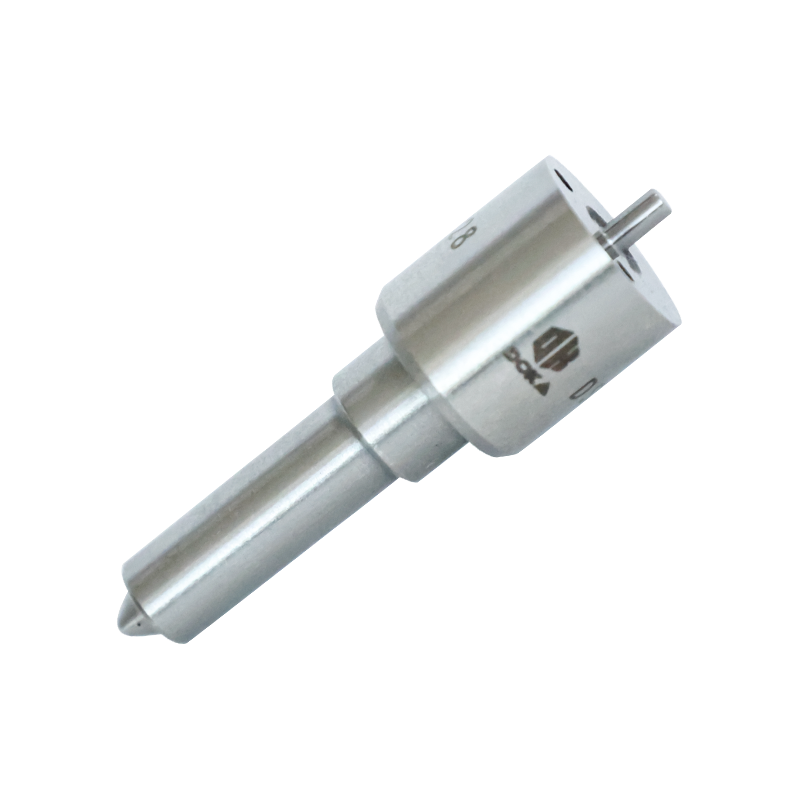
The DSLA150PN926 Common Rail Fuel Nozzle Component features a robust and durable...
See Details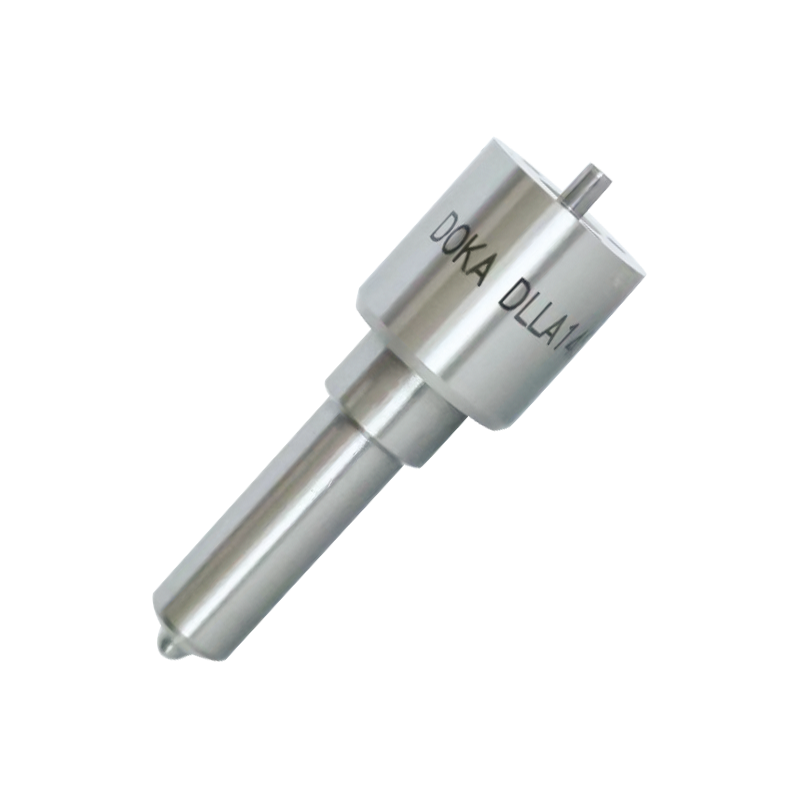
The DLLA145P864 Common Rail Fuel Nozzle is manufactured using advanced technolog...
See Details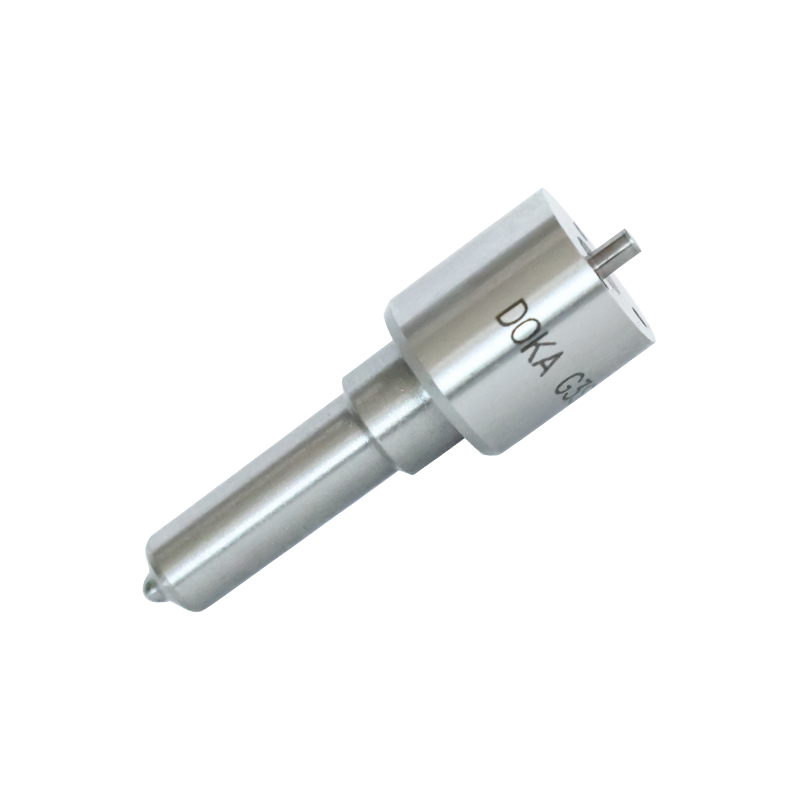
The G3S33 Common Rail Fuel Nozzle Component is compatible with multiple injector...
See Details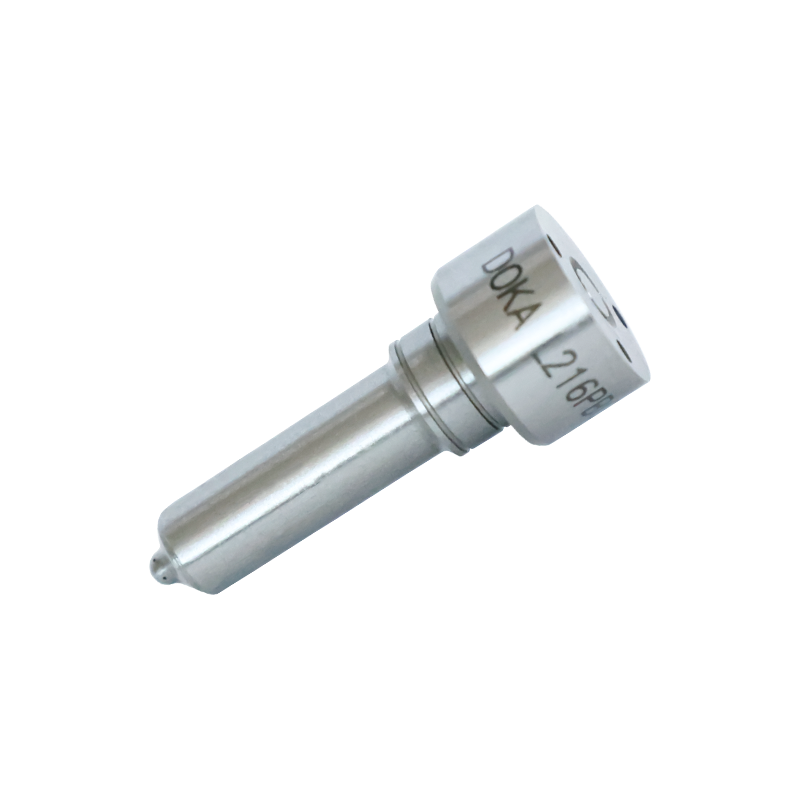
The L216PBC Common Rail Fuel Nozzle is specifically designed for Delphi BEBE4D08...
See Details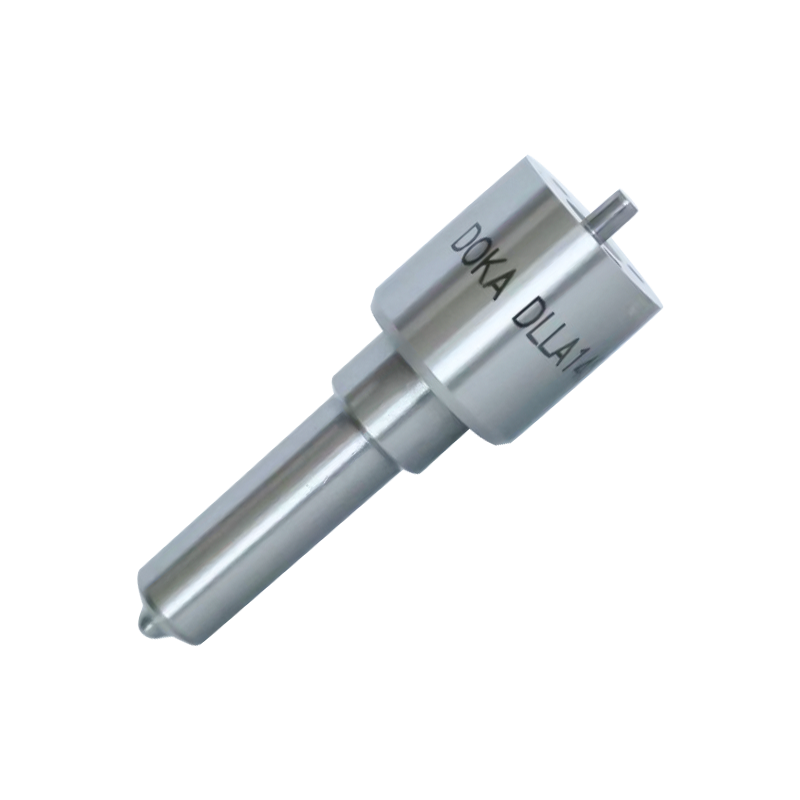
The DLLA153P884 Common Rail Fuel Nozzle is manufactured using advanced technolog...
See Details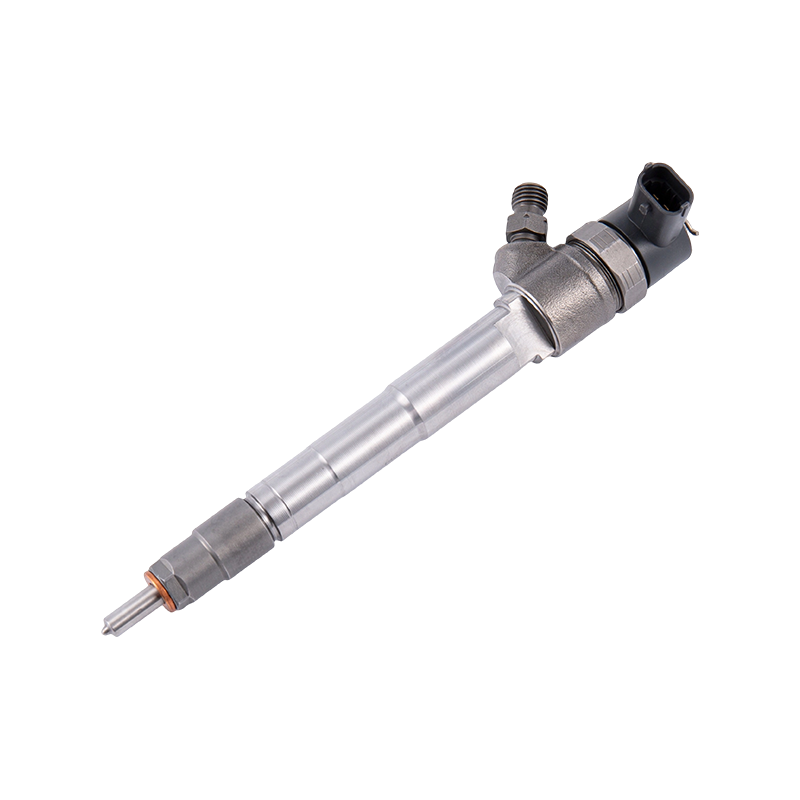
The 0445110376 common rail diesel injector is compatible with the Bosch CRI 110 ...
See Details