中文
中文 English
 русский
 Español
News
Excellent product with exquisite craftsmanship.

 sales2@wxdoka.com
 +86-15190391637
 No.18 Xiangge Road, Hudai Town, Binhu District, Wuxi, China
Content
The Caterpillar HEUI—Hydraulically actuated Electronically controlled Unit Injector—system represents one of the most significant developments in heavy-duty diesel fuel injection technology of the 1990s and 2000s. Unlike conventional mechanical injection systems that rely on a high-pressure fuel pump to generate injection pressure, the HEUI system uses high-pressure engine oil as a hydraulic medium to actuate the injectors, with electronic control governing injection timing, duration, and pressure on a cylinder-by-cylinder basis. This architecture allowed Caterpillar engineers to achieve injection pressures exceeding 28,000 psi—far beyond what conventional cam-driven pump systems of the era could produce—enabling finer fuel atomisation, more complete combustion, lower particulate emissions, and improved fuel economy across a wide range of operating conditions.
The HEUI concept was co-developed by Caterpillar and Navistar International, with both companies independently applying the technology to their own engine families during the 1990s. Caterpillar's implementation became the foundation of their highly regarded 3126, C7, and C9 engine series, as well as selected versions of the 3406E and C-10 and C-12 platforms. These engines powered an enormous range of applications including on-highway trucks, school and transit buses, construction equipment, marine propulsion systems, and stationary power generation units, making the HEUI system one of the most widely deployed advanced injection technologies in the commercial diesel market.
Understanding the operating principle of the HEUI system is essential for anyone maintaining, diagnosing, or rebuilding these engines. The system departs fundamentally from both traditional mechanically governed injection and common-rail designs in how it generates the pressure needed to force fuel into the combustion chamber.
The HEUI system uses a dedicated high-pressure oil pump—driven directly off the engine—to pressurise engine lubricating oil to between 500 and 3,000 psi within a high-pressure oil manifold, often referred to as the "rail" even though it carries oil rather than fuel. This pressurised oil is routed to each unit injector through dedicated oil passages in the cylinder head. Inside each injector, the high-pressure oil acts on a hydraulic amplifier piston that multiplies the oil pressure by a ratio of approximately 7:1 to generate the actual fuel injection pressure at the injector tip—which can reach 23,000 to 28,000 psi in operational conditions. The oil actuation pressure is continuously variable and is controlled by the engine ECM through an Injection Actuation Pressure Control Valve (IAPCV), allowing the system to modulate injection pressure dynamically in response to load, speed, and emissions requirements.
Each HEUI injector contains a solenoid-operated control valve that the engine ECM energises to initiate and terminate the injection event. When the ECM sends a current pulse to the injector solenoid, the control valve opens, allowing high-pressure oil to enter the hydraulic amplifier chamber. The amplifier piston descends, pressurising fuel in the injector barrel to injection pressure, which forces the needle valve off its seat and delivers a precisely metered fuel charge into the combustion chamber. When the ECM terminates the solenoid current, the control valve closes, oil pressure collapses, the needle returns to its seat, and injection ends. The duration of the current pulse directly controls the quantity of fuel injected, while the timing of the pulse within the engine cycle controls injection timing. This fully electronic control enables pilot injection, split injection, and other advanced injection strategies that are critical for meeting emissions standards and optimising combustion quality.
The HEUI injection system was deployed across a substantial range of Caterpillar engine families spanning nearly two decades of production. Technicians and fleet operators working with these engines should be familiar with which specific configurations use HEUI injection, as diagnosis and repair procedures differ significantly from common-rail and mechanical injection engines.
| Engine Model | Displacement | Primary Applications | Production Years |
| Caterpillar 3126 | 7.2L inline-6 | Medium trucks, buses, RVs | 1997–2003 |
| Caterpillar C7 | 7.2L inline-6 | Medium trucks, school buses, construction | 2003–2009 |
| Caterpillar C9 | 8.8L inline-6 | Heavy trucks, transit buses, marine | 2004–2010 |
| Caterpillar 3406E | 14.6L inline-6 | Class 8 trucks, industrial | 1993–1999 |
| Caterpillar C-10 / C-12 | 10.3L / 11.9L inline-6 | Class 8 on-highway trucks | 1996–2004 |
The 3126 and its successor, the C7, are the most numerically common HEUI-equipped engines encountered in service, particularly in school bus, transit bus, and medium-duty truck fleets. The C9 represents a heavier-duty application of the same core technology, while the larger 3406E, C-10, and C-12 engines applied HEUI principles to Class 8 on-highway applications where high injection pressure was essential for meeting the progressively tightening emissions standards of the late 1990s and early 2000s.
The HEUI system's dependence on engine oil condition and pressure introduces failure modes that are not present in fuel-pressure-only injection systems. Many of the most common and costly HEUI failures are directly traceable to oil maintenance practices and the condition of the high-pressure oil circuit components. Understanding these failure patterns allows technicians to diagnose problems more efficiently and helps fleet operators implement preventive maintenance practices that extend system service life.
The high-pressure oil pump is the most mechanically stressed component in the HEUI system and is a common failure point, particularly on high-mileage engines or those that have experienced oil degradation or neglected oil change intervals. The pump uses a series of precision-machined pistons and valves to generate the high oil pressures required for injector actuation, and these components are extremely sensitive to oil contamination, viscosity breakdown, and extended drain intervals. A worn or failing high-pressure oil pump manifests as low actuation pressure, which the ECM attempts to compensate for by demanding higher IAPCV duty cycles—a condition visible through diagnostic software such as Caterpillar ET (Electronic Technician). Symptoms include hard starting, especially when cold, rough running, misfires under load, and in severe cases complete engine shutdown as actuation pressure falls below the minimum threshold required to open the injector control valves.
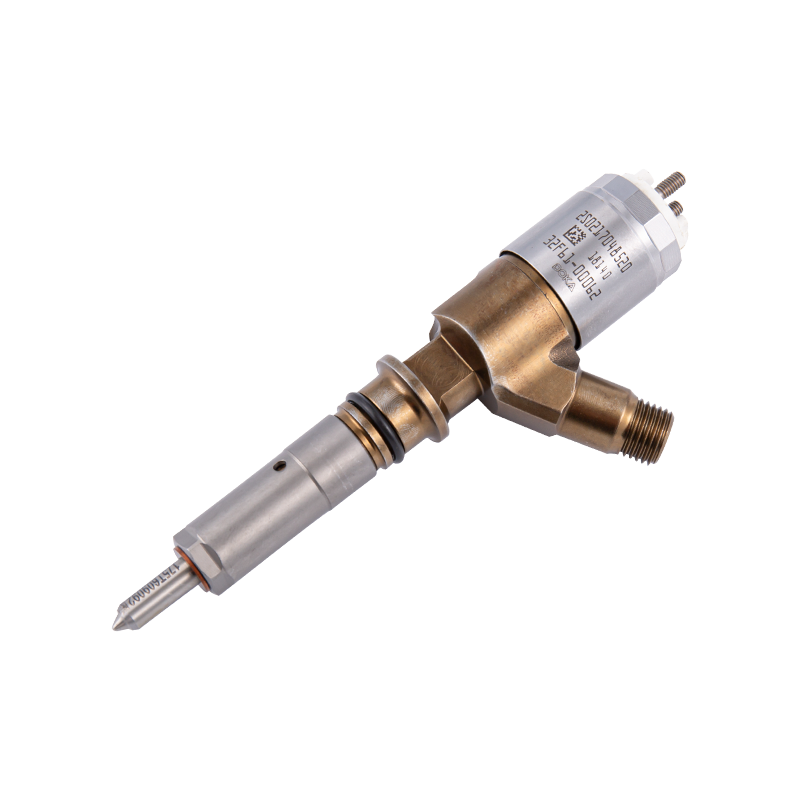
Individual HEUI injector failures are common on high-mileage engines and typically present as cylinder-specific misfires, rough idle, or excessive smoke from one or more cylinders. The injector solenoid winding can develop open-circuit or short-circuit failures that prevent the injector from actuating correctly. Internal O-rings and seals within the injector body—which must withstand repeated pressure cycles between near-zero and 28,000 psi—eventually fatigue and leak, causing internal cross-contamination between the oil actuation circuit and the fuel circuit. Oil contamination of the fuel system from injector seal failure is a particularly serious consequence, as it can damage the fuel transfer pump and introduce oil into the combustion chamber in quantities that cause visible blue smoke and catalytic converter or diesel particulate filter damage in later-specification engines.
The IAPCV is an electrically controlled pressure-regulating valve that modulates the oil pressure supplied to the injectors in response to ECM commands. Contamination of the valve seat or spool by oil degradation products, metal particles from a worn pump, or sludge from infrequent oil changes can cause the valve to stick, leak internally, or respond sluggishly to ECM commands. A faulty IAPCV typically produces erratic actuation pressure readings, hunting or surging at idle, and inconsistent power delivery under varying load conditions. Because the IAPCV is a relatively affordable component compared to the injectors or the high-pressure oil pump, it is often the first replacement part specified during HEUI system diagnosis when actuation pressure anomalies are detected.
Air entrainment in the high-pressure oil circuit—caused by low oil level, a leaking oil pump inlet screen, a cracked high-pressure oil manifold, or external oil cooler leaks—is one of the more difficult HEUI problems to diagnose because aerated oil cannot transmit hydraulic pressure consistently. The result is unpredictable injection behaviour, apparent misfires that move between cylinders, and actuation pressure readings that fluctuate erratically rather than holding a steady value. Diagnosing oil aeration requires careful inspection of the high-pressure oil circuit for air entry points and should always include a check of the engine oil level and condition, as both overfill and underfill conditions can promote aeration in the HEUI oil circuit.
Effective HEUI system diagnosis requires both the correct diagnostic tooling and a systematic approach that separates oil circuit problems from fuel circuit problems and electronic control issues before any components are replaced. The following diagnostic sequence reflects best practice for HEUI-equipped Caterpillar engines:
The HEUI system's sensitivity to oil condition makes engine oil maintenance the single most impactful preventive measure available to operators of HEUI-equipped Caterpillar engines. Many of the most costly HEUI failures encountered in the field—worn high-pressure oil pumps, stuck IAPCVs, and internally contaminated injectors—can be directly attributed to extended oil change intervals, use of incorrect oil specifications, or failure to address oil leaks and consumption promptly.
Key preventive maintenance recommendations for HEUI-equipped engines include:
The Caterpillar HEUI system occupies a significant position in the history of diesel engine development as a transitional technology that bridged the gap between mechanically governed injection and the fully hydraulic common-rail systems that dominate modern heavy-duty diesel engines. By demonstrating that electronically controlled variable-pressure injection was achievable and commercially viable in production engines, the HEUI platform helped establish the performance and emissions standards that common-rail injection systems subsequently built upon and exceeded.
Despite Caterpillar's withdrawal from the North American on-highway truck engine market in 2010—driven in part by the escalating cost of meeting US EPA 2010 emissions standards with after-treatment systems—millions of HEUI-equipped 3126, C7, C9, and large-bore engines remain in active service in trucks, buses, construction equipment, and marine applications worldwide. For the technicians, fleet managers, and owner-operators who maintain these engines, a thorough understanding of the HEUI system's operating principles, common failure modes, and correct diagnostic and maintenance practices is essential knowledge that directly impacts equipment reliability, operating costs, and service life extension.
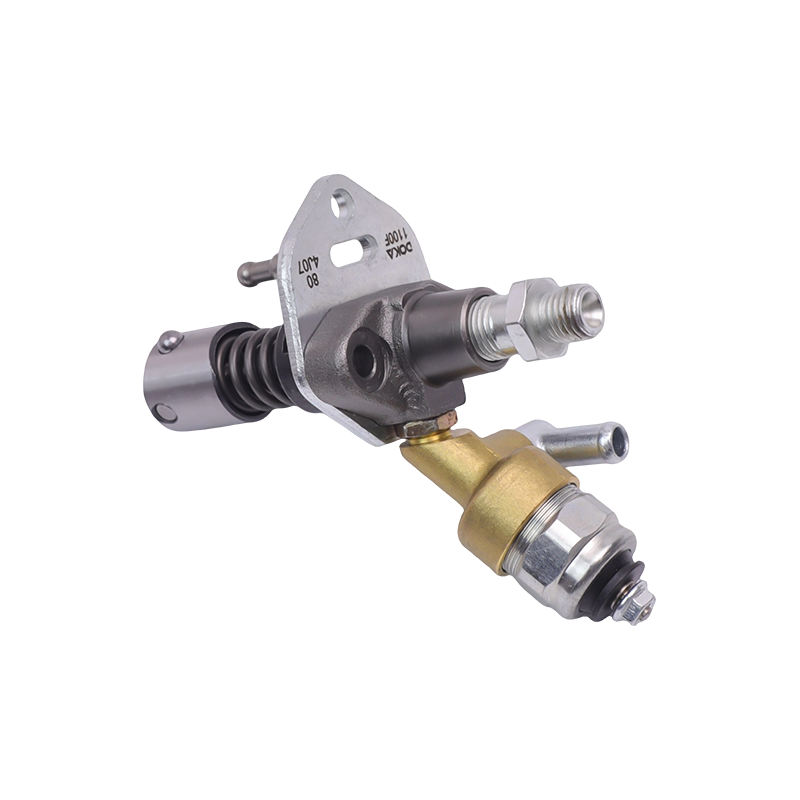
The 1100F solenoid-valve-type Fuel Injection Pump is engineered for the Yanmar-s...
See Details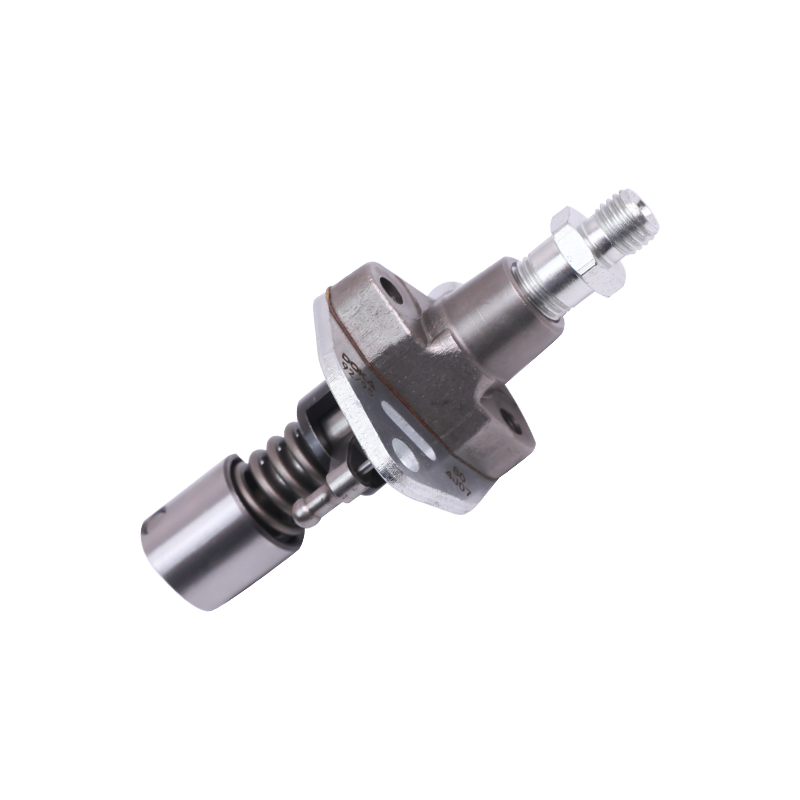
The 192F roller-type Fuel Injection Pump is designed for Yanmar-series KD192F an...
See Details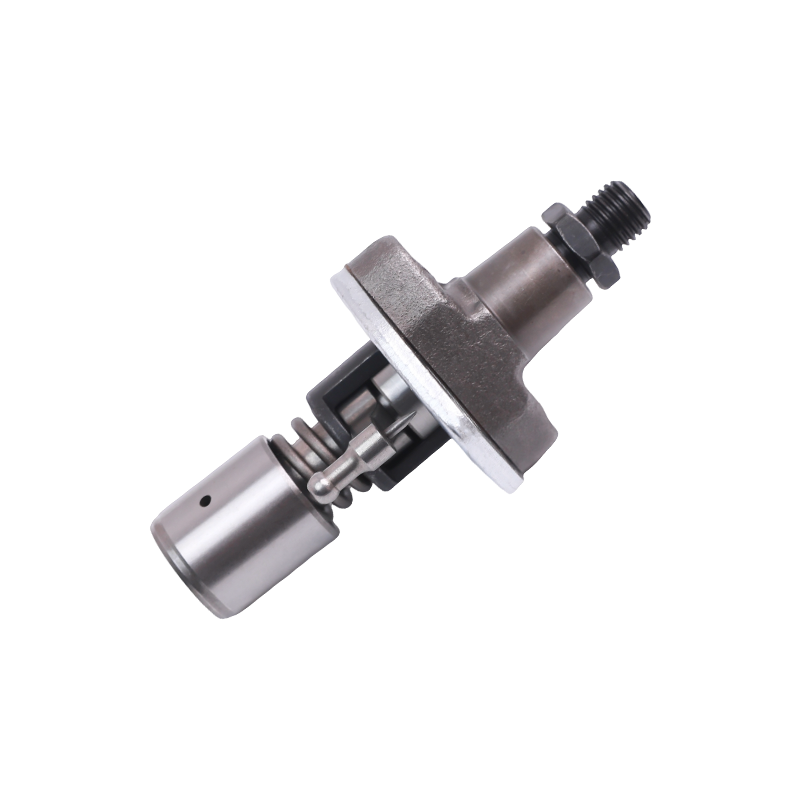
The 192F Fuel Injection Pump is engineered for Yanmar-series KD192F and KD192FE ...
See Details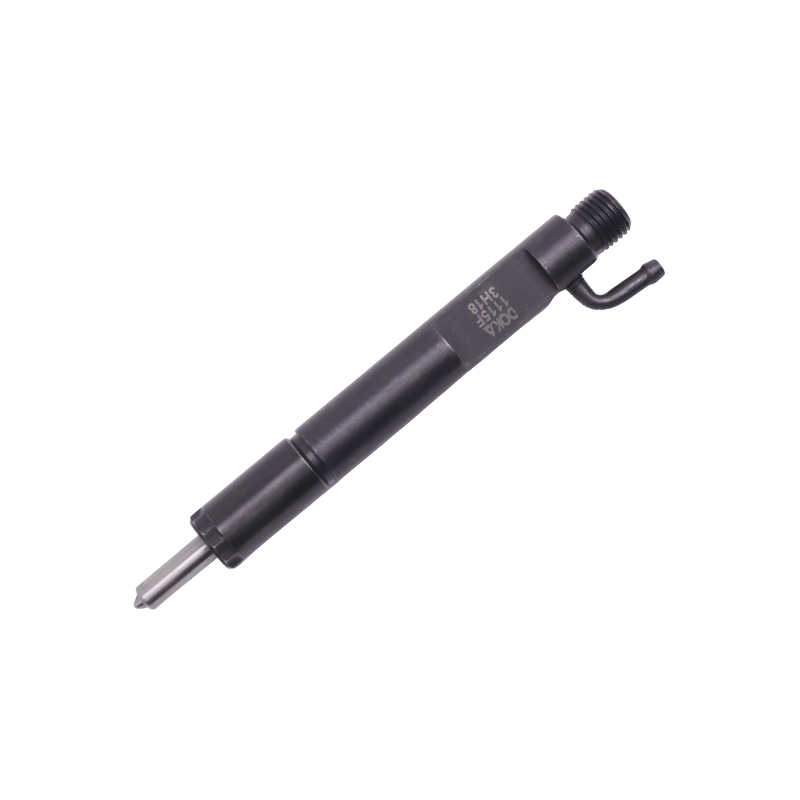
The 1115F fuel injector is designed for 1115 single-cylinder diesel engines, fea...
See Details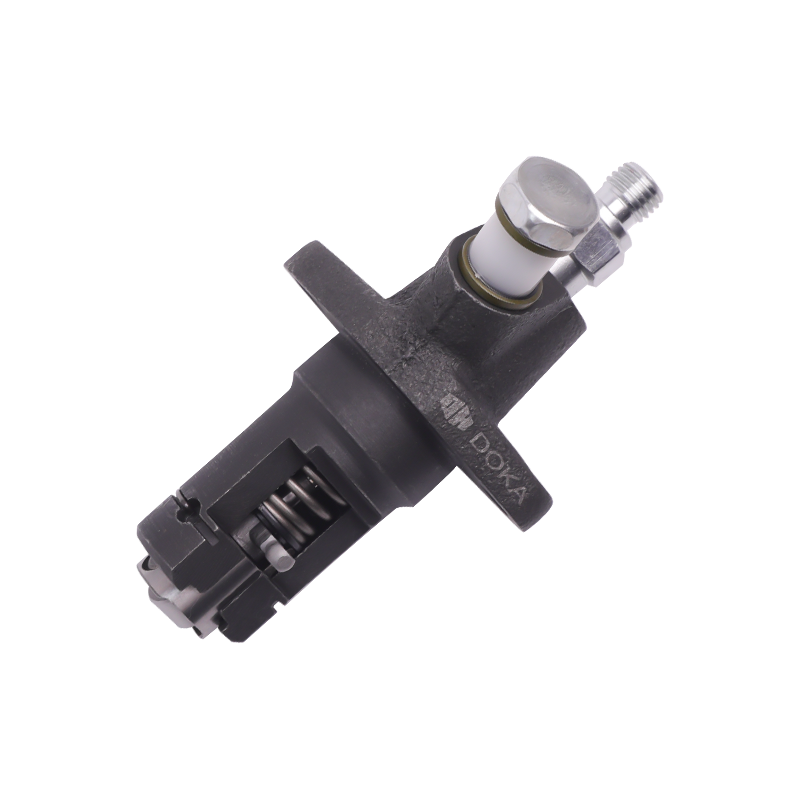
Yanmar Series 168F Fuel Injection Pump is a mechanical plunger type specifically...
See Details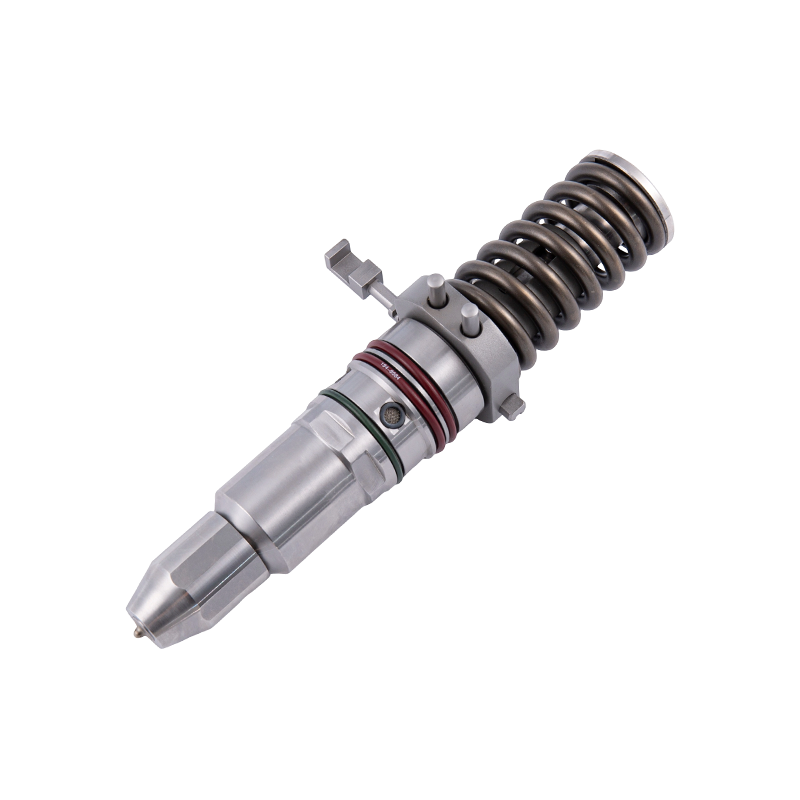
The fuel injector compatible with Caterpillar CRI/CRS series 3500A-111-3718 is d...
See Details