中文
中文 English
 русский
 Español
News
Excellent product with exquisite craftsmanship.

 sales2@wxdoka.com
 +86-15190391637
 No.18 Xiangge Road, Hudai Town, Binhu District, Wuxi, China
A piezoelectric injector meters and times fuel using a stack of piezo ceramic crystals that change shape the instant voltage is applied, replacing the electromagnetic coil of a solenoid design and cutting actuation time from several tenths of a millisecond into the tens of microseconds. That speed is not a marketing detail. At 4,000 rpm a diesel engine completes a full combustion cycle in roughly ten milliseconds, and only a response that fast allows five or more separate injection events inside it: tiny pilot charges that quiet combustion, a precisely shaped main shot for power, and post injections that manage soot and support exhaust aftertreatment. For workshops, distributors, and fleet buyers, the practical question is not whether piezo technology works, but where it earns its cost premium and what to verify before specifying a replacement.
Content
The defining feature sits in the actuator. The piezoelectric effect, known since the 1880s from experiments with quartz, causes certain crystalline materials to deform by a small, exact amount when voltage is applied. Modern injectors use lead zirconate titanate ceramics because they produce far greater movement than natural quartz.
Inside the injector, hundreds of thin ceramic wafers are laminated into a single stack. Each wafer expands by only a fraction of a micrometer, but the stack multiplies this into tens of micrometers of travel, delivered in microseconds and with enough force to act on high-pressure fuel. That travel opens and closes an internal valve controlling when the nozzle needle lifts.
Series production began in passenger car diesels in the early 2000s, first through servo-assisted third-generation common rail systems and later through direct-controlled designs such as DENSO's G2 piezo platform. Two decades on, piezo injectors remain standard equipment on diesel platforms where multi-shot precision justifies their cost. For a closer look at how this actuator is integrated into current platforms, see our overview of piezoelectric injector technology in modern common rail diesel systems.
Both piezo designs pursue the same goal: move the nozzle needle faster, hold its position more repeatably, and repeat injection more often within one combustion cycle than a solenoid valve allows.
In this architecture, high-pressure fuel from the rail feeds a small control chamber above the nozzle needle through a restricted inlet orifice. The piezo stack actuates an internal valve covering the outlet orifice. When the ECU energizes the stack, the outlet opens, pressure bleeds from the control chamber, and the resulting pressure imbalance lifts the needle to start injection. Closing reverses the sequence. The hydraulic circuit amplifies the stack's small travel, which is why this design dominated the first generation of piezo common rail systems.
Here the stack acts on the needle's control volume with far less hydraulic intermediate stage, eliminating servo losses and giving the ECU even finer command over the smallest pilot quantities. Current compatible examples built on this principle include the DENSO G2 piezoelectric direct-controlled fuel injector 0950006070, which shows how direct control has become the preferred layout in newer passenger-car common rail platforms.
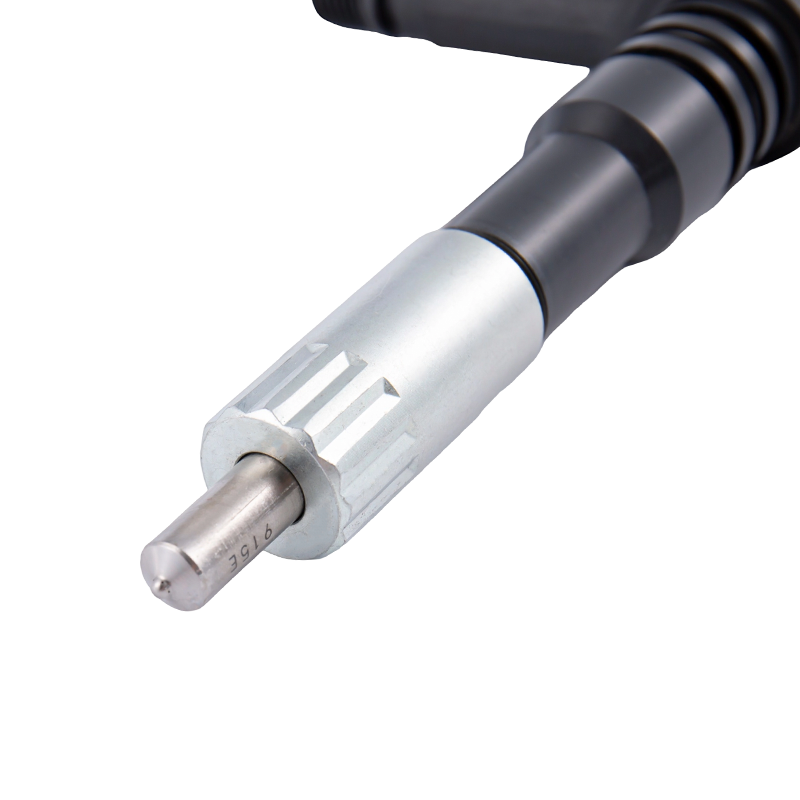 DENSO G2 Piezo Direct-Controlled Fuel Injector 095000-6070 for Komatsu Excavators and LoadersThis DENSO G2 piezo injector serves Komatsu PC350-7, PC400-7, WA320, and WA470 machines, illustrating the direct-controlled layout favored in newer passenger and workhorse common rail platforms where fine pilot-quantity metering matters most.View Product →
Electrically, the ECU charges and discharges the stack like a capacitor, typically at voltages well above 100 V. Because charging takes microseconds, injection timing can be shifted in extremely fine increments, and quantities of roughly one cubic millimeter or less can be metered with repeatable accuracy. That metering resolution is the single biggest reason calibration engineers favor piezo hardware for low-emission diesel calibration.
| Attribute | Piezoelectric Injector | Solenoid Injector |
|---|---|---|
| Actuation principle | Stacked ceramic crystals deform under applied voltage | Coil magnetically lifts an armature |
| Needle response | On the order of tens of microseconds | Several tenths of a millisecond |
| Injections per cycle | Five or more, including pilot, main, and post shots | Typically up to three |
| Smallest pilot quantity | About 1 mm³ or less, repeatable | Limited by slower valve movement |
| Drive electronics | 100–200 V capacitive charge control | Lower-voltage current control |
| Typical sensitivities | Brittle ceramic stack, moisture at connector | Coil burnout, armature and seat wear |
| Typical duty | Premium diesel platforms with strict emission targets | Broad mainstream passenger and commercial coverage |
Independent comparisons of the two families consistently find that piezo systems offer wider margins for optimizing diesel combustion. On the engine, that margin shows up as quieter cold starts from smaller pilots, lower NOx because pre-injections soften the main pressure rise, and cleaner particulate filter regeneration because post injections can be dosed accurately enough to avoid fuel dilution in the oil. Across a working season, the same precision translates into measurably lower fuel consumption at part load, which is where most diesel hours are actually spent.
The same physics that makes piezo injectors fast also makes them less forgiving than solenoid units, and anyone stocking or installing them should plan around four realities.
None of these points are reasons to avoid the technology. They are reasons to match it to the right application and to buy from suppliers who test at rated conditions.
Piezo injectors are platform-specific components, and most warranty disputes trace back to mismatched specification rather than defective hardware. Before ordering, work through the following points. If you need a broader framework, our guide to choosing compatible diesel engine fuel system components covers the selection process across solenoid and piezo platforms alike.
European passenger-car platforms illustrate the same discipline. The Delphi Multec series piezo direct-acting fuel injector 28236381 fits only the Multec-based systems it was calibrated for, and confirming that lineage with a single part-number lookup can save an entire diagnostic cycle.
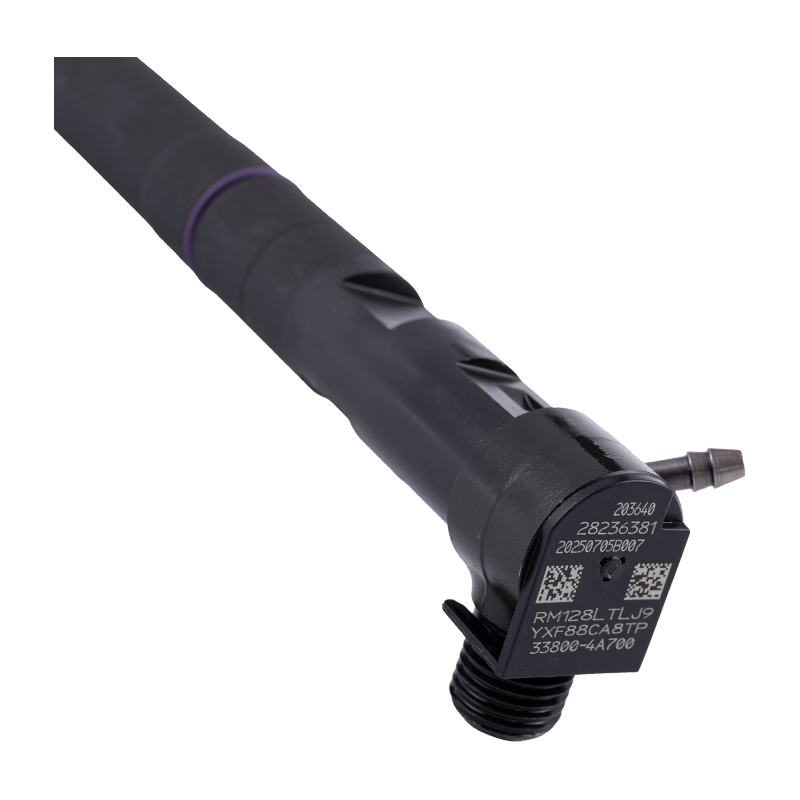 Delphi Multec Piezo Direct-Acting Fuel Injector 28236381 for Hyundai Starex H1 and i800Designed for the Hyundai Starex H1 (D4CB) and i800, this Multec-series injector fits only the systems it was calibrated for, so verifying its part-number lineage is a practical way to avoid a lengthy diagnostic cycle.View Product →
For heavier equipment, validated supply looks similar at higher displacements: the Bosch CRIN 120 series piezo common rail injector in our compatible range is produced on flexible lines that machine nozzles, plungers, and valve assemblies in-house, with bench verification and environmental testing before dispatch.
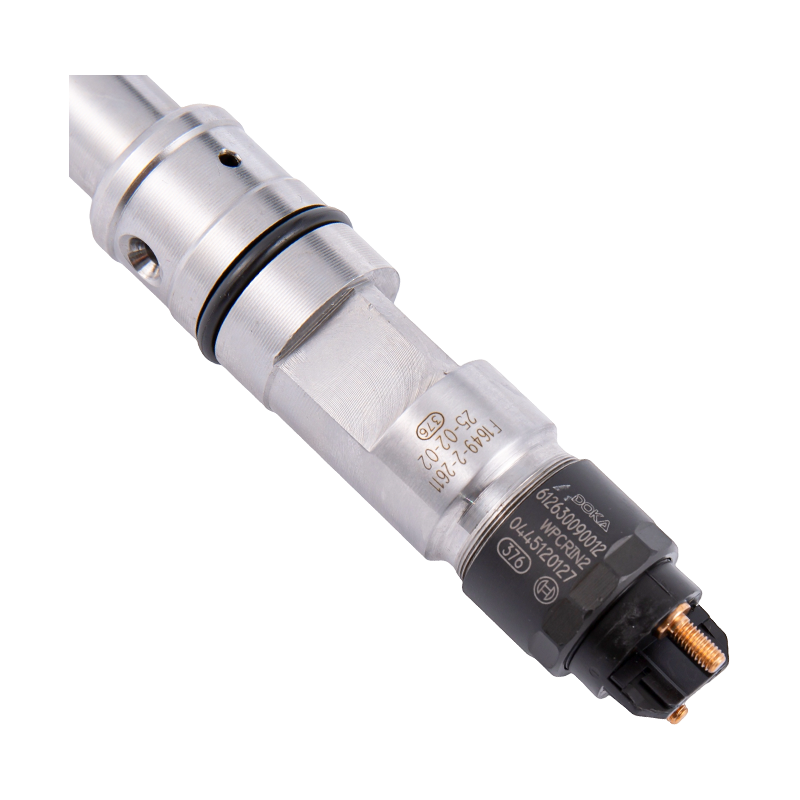 Bosch CRIN 120 Piezo Common Rail Injector 0445120127 for Iveco Cursor 9 and Renault DXi11Built for Iveco Cursor 9 and Renault DXi11 engines, this CRIN 120 injector suits heavier equipment, with in-house machining of nozzles, plungers, and valve assemblies plus bench verification before dispatch.View Product →
Piezo injectors reward buyers who treat them as calibrated system components rather than generic parts: match the control concept, respect the coding, and buy from sources that test at rail pressure. Handled that way, the technology's speed and precision translate directly into quieter, cleaner, and more economical diesel operation, and into fewer returns sitting on the shelf.
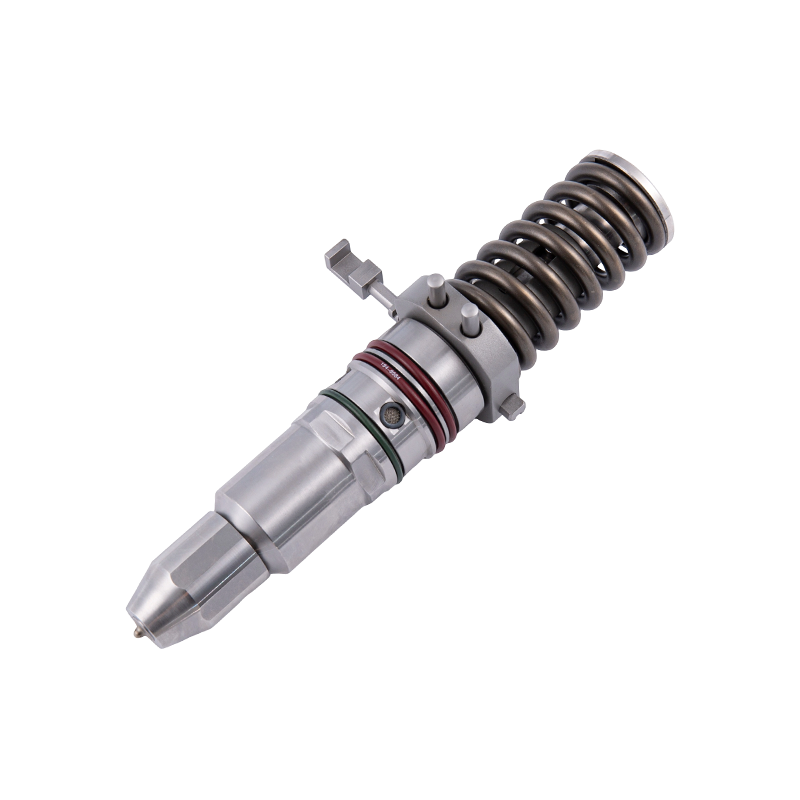
The fuel injector compatible with Caterpillar CRI/CRS series 3500A-111-3718 is d...
See Details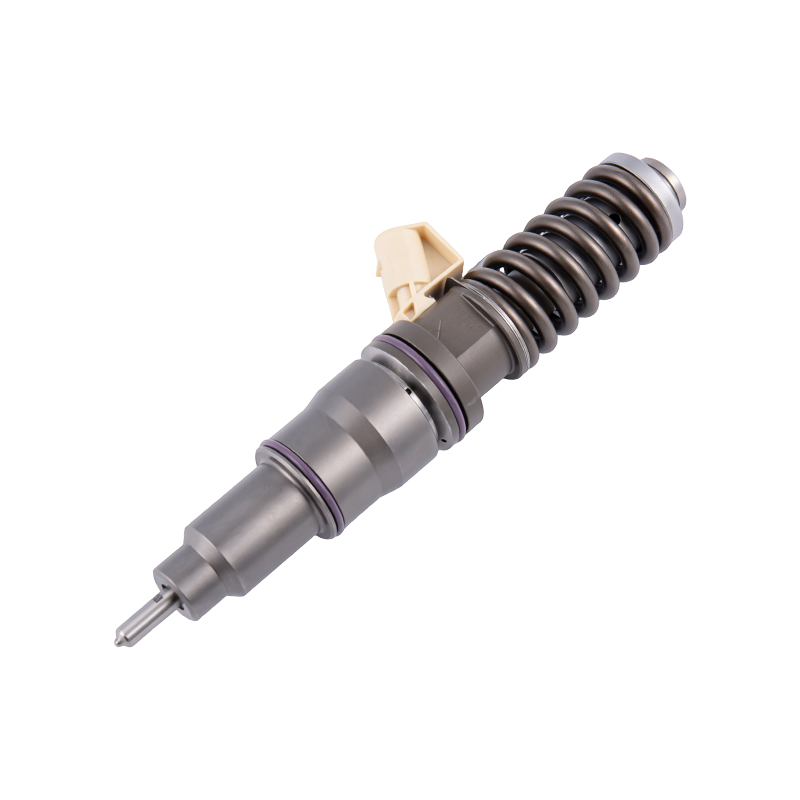
The product compatible with Delphi 20440388 fuel injector from the HDU Series is...
See Details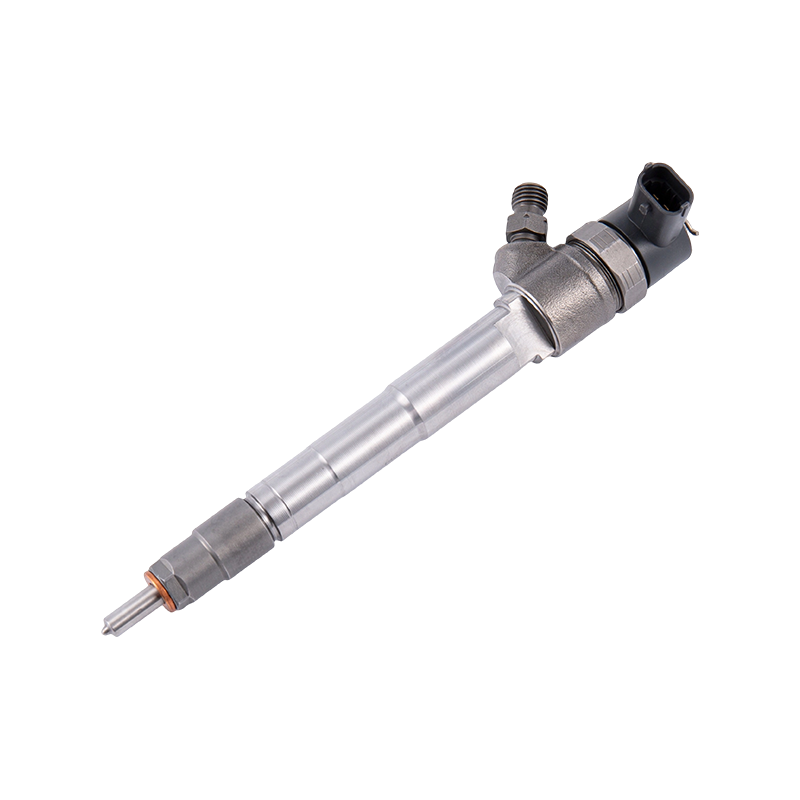
The 0445110376 common rail diesel injector is compatible with the Bosch CRI 110 ...
See Details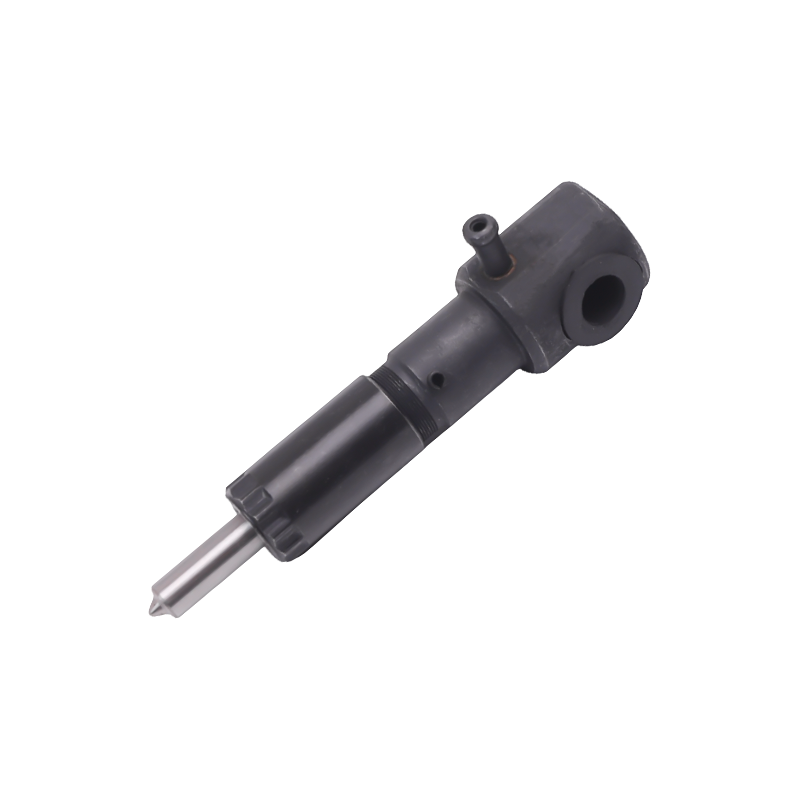
The 186FA fuel injector is engineered for the direct injection systems of KD186F...
See Details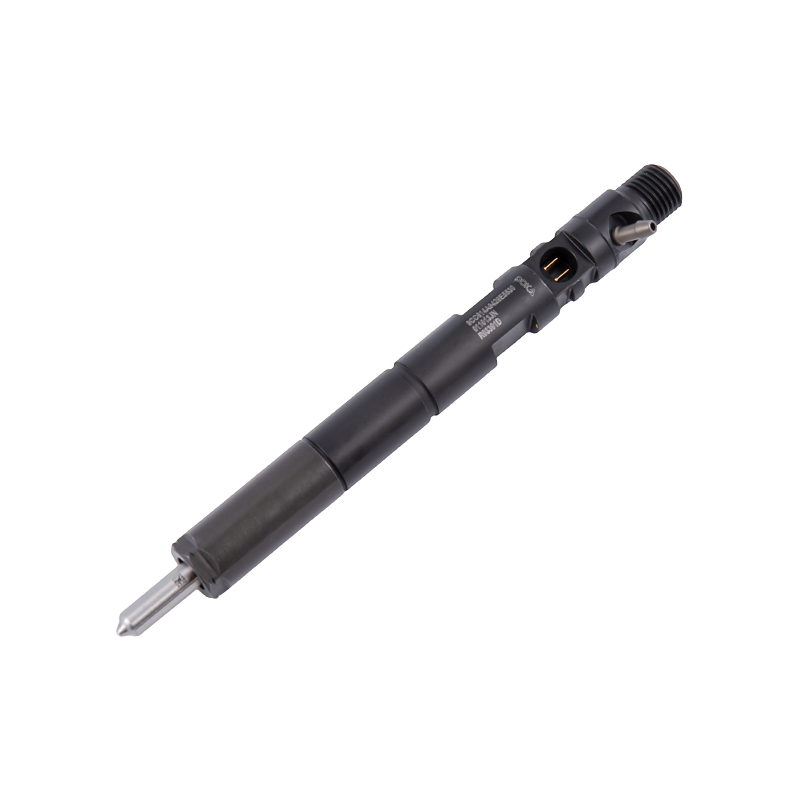
The product compatible with Delphi EJBR03301D fuel injector from the Multec Seri...
See Details
The product compatible with Delphi EJBR01801A fuel injector in the Multec Series...
See Details