中文
中文 English
 русский
 Español
News
Excellent product with exquisite craftsmanship.
 sales2@wxdoka.com
 +86-15190391637
 No.18 Xiangge Road, Hudai Town, Binhu District, Wuxi, China
Send three rough quotes to three companies in China and you will see tenfold differences. Some offer $15 common rail injectors, others quote $90 for what looks like the same part. The difference is not marketing. It is the depth of the factory behind the price. Buyers who have evaluated high-pressure fuel injector suppliers for years tend to follow a simple rule: you are not buying a part, you are buying a manufacturing system that can hold tolerances, repeat them, and prove it with data.
A reliable China high-pressure fuel injector factory is defined by process integration, not by the city it is in. Wuxi DOKA CNC Technology Co., Ltd., for example, has spent more than 15 years in fuel injection systems and installs over 1.2 million units per year. That volume only makes sense if the factory itself controls machining, assembly, and testing. Otherwise, the scrap rate and warranty cost would destroy the margin.
Content
High-pressure diesel injectors work under extreme conditions. They must deliver precise fuel quantities at pressures above 2000 bar, resist contamination, and remain stable for thousands of hours. A supplier that only assembles imported parts can be a valid trading partner, but it is not a factory in the engineering sense. A genuine factory starts with raw steel and knows how each machining step affects the spray pattern.
| Capability Area | Full-Process Factory | Assembly Workshop |
|---|---|---|
| Precision machining | Nozzles, plungers, and valve seats produced in-house | Buys finished parts, limited control over geometry |
| Calibration | Flow bench calibration for each injector | Calibration depends on the parts supplier |
| Testing | Durability, high-pressure leak, and environmental tests | Often only basic leak checks |
| Traceability | Batch records linked to materials, machining, and test data | Limited traceability beyond incoming goods |
| Typical role | OEM programs and long-term aftermarket supply | Short-run or price-driven sourcing |
The following five areas are the fastest way to separate an engineering-driven factory from an assembly shop.
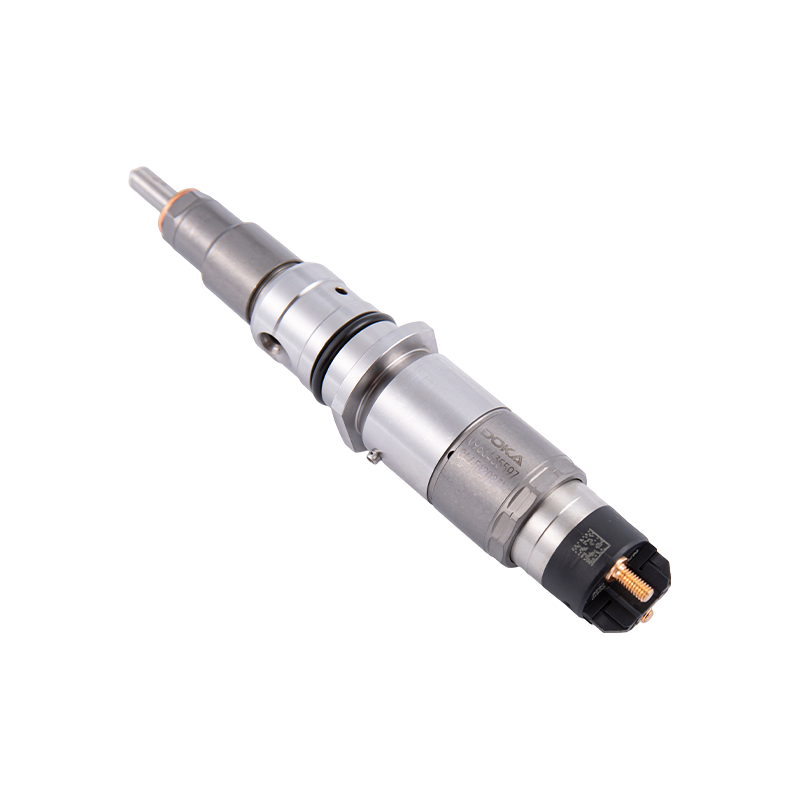 Compatible with Bosch CRIN 120 Series Heavy-Duty Common Rail Injector 0445120231Wuxi DOKA is Manufacturer of Compatible with Bosch CRIN 120 Series Heavy-Duty Common Rail Injector 0445120231 – For Komatsu HD785 / Hitac...View Product → as an example: it has to maintain its calibrated delivery over thousands of pressure cycles, so an in-house flow bench is not optional.
Vertical integration changes how a factory handles quality issues. If a nozzle fails, a factory that makes the nozzle can find the root cause and correct it within days. A factory that buys parts from a broker has to wait for the same broker to answer. Wuxi DOKA operates flexible production lines that can produce nozzles, plungers, and delivery valves at the same time, with simulation design, bench validation, assembly, and environmental testing done internally. That gives the buyer a single point of responsibility instead of a chain of anonymous suppliers.
Piezoelectric injectors are less forgiving than solenoid units. They require extremely clean oil, exact control of small displacement, and careful electrical testing. When you source a piezoelectric injector, ask the factory about its test equipment for response time and internal leakage. A DENSO G2-series piezoelectric direct-controlled injector is a typical part where small differences in assembly quality appear as long cranking times or uneven idling.
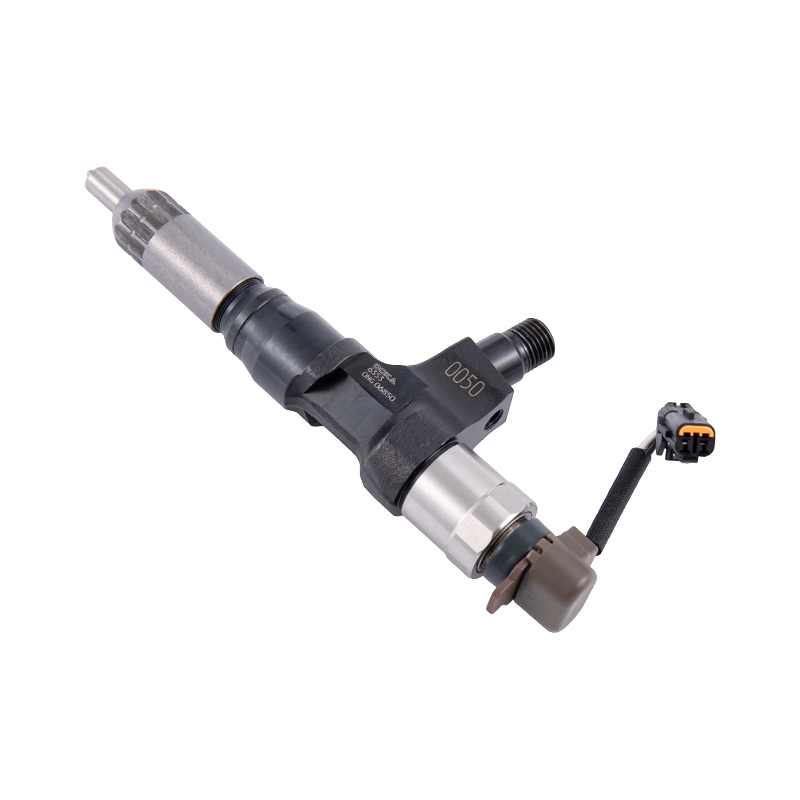 Compatible with Denso G2 series piezoelectric direct-controlled fuel injector 09Wuxi DOKA is Manufacturer of Compatible with Denso G2 series piezoelectric direct-controlled fuel injector 095000-6353 – suitable for HIN...View Product →
Different machines impose different demands. A mini tiller with a single-cylinder diesel engine relies on mechanical injection pumps and simple injectors, while a construction rammer needs components that survive vibration and harsh fuel. A common rail truck engine needs injectors with very narrow tolerance on small pilot injections. The ideal factory covers both simple and advanced systems, because that breadth usually translates into deeper calibration knowledge.
For example, the atomization quality of a common rail system depends heavily on the nozzle. A common rail fuel nozzle with high-precision atomization is designed to keep the spray symmetrical even after long operation. That symmetry directly affects combustion efficiency, so a factory that understands nozzle geometry is better positioned to solve performance problems than one that only sells finished injectors.
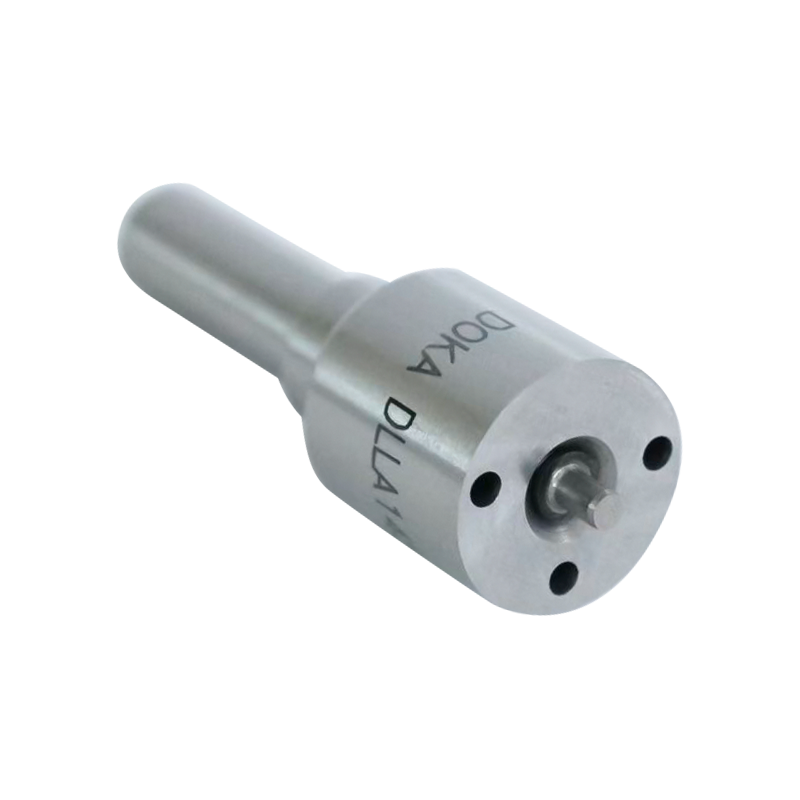 DLLA153P884 Common Rail Fuel Nozzle – High-Precision Injection and Atomization CWuxi DOKA is Manufacturer of DLLA153P884 Common Rail Fuel Nozzle – High-Precision Injection and Atomization, Custom factory,The DLLA153P8...View Product →
When buying replacements, verify that the injector body, nozzle, and valve assembly are matched to the original system's specification. An easy way is to ask the factory how to choose compatible components for a particular engine model. The answer will reveal whether they understand the complete fuel system or simply repeat a parts list.
Choosing a China high-pressure fuel injector factory should start with engineering data, not price. Look for a factory that can show machining steps, calibration curves, test reports, and batch traceability. Visit if possible, or at least ask for a live video of the test bench. The best factories do not sell parts; they sell a repeatable process. You can review the production range to see whether the scope of components matches your application needs.
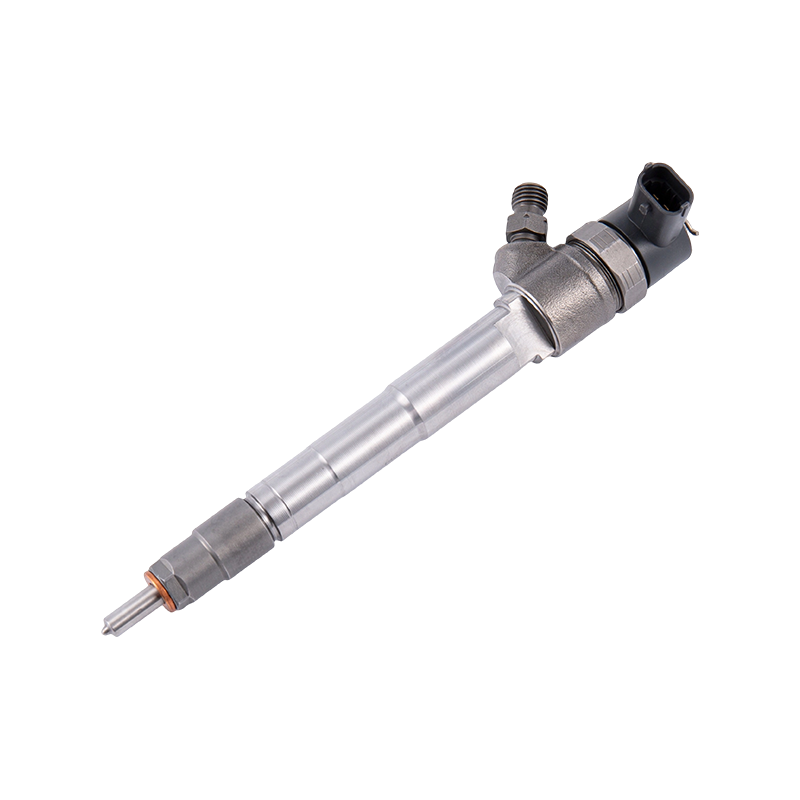
The 0445110376 common rail diesel injector is compatible with the Bosch CRI 110 ...
See Details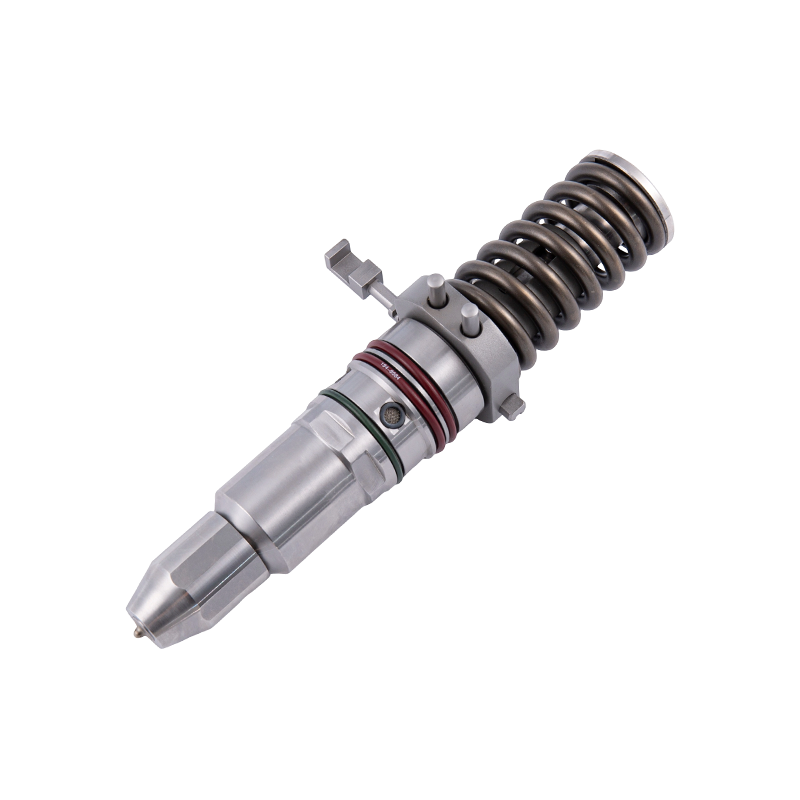
The fuel injector compatible with Caterpillar CRI/CRS series 3500A-111-3718 is d...
See Details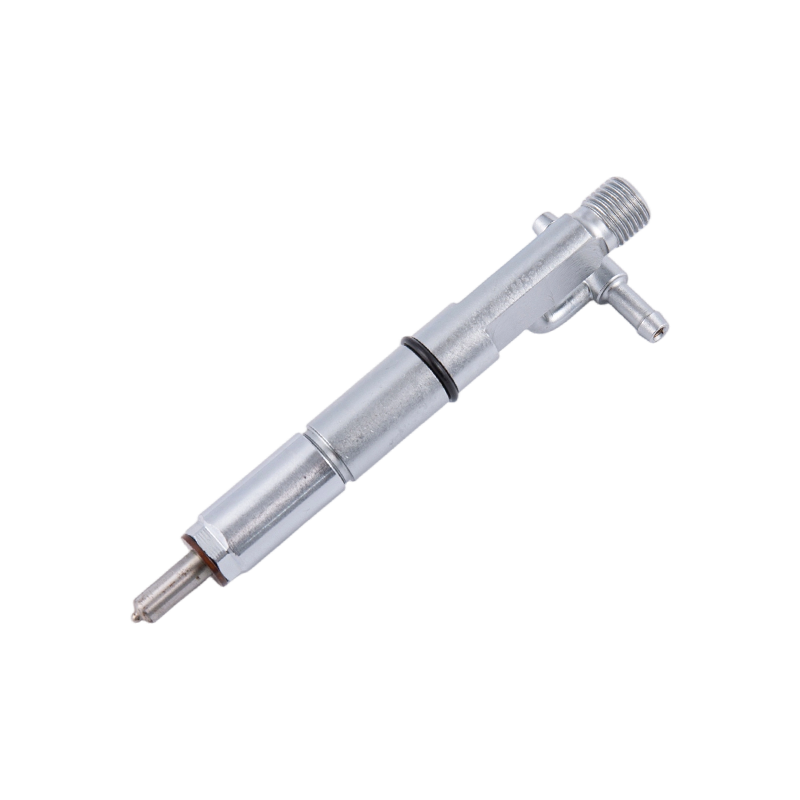
The product compatible with DENSO 093500-7500 fuel injector—part of the X1 Serie...
See Details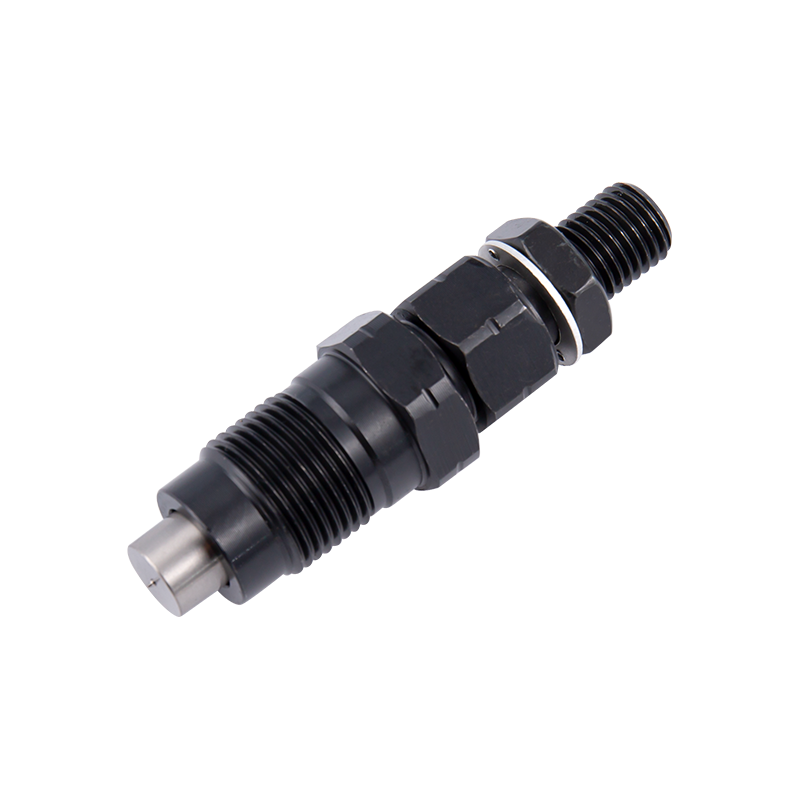
The product compatible with DENSO 093500-5700 fuel injector from the X1 Series i...
See Details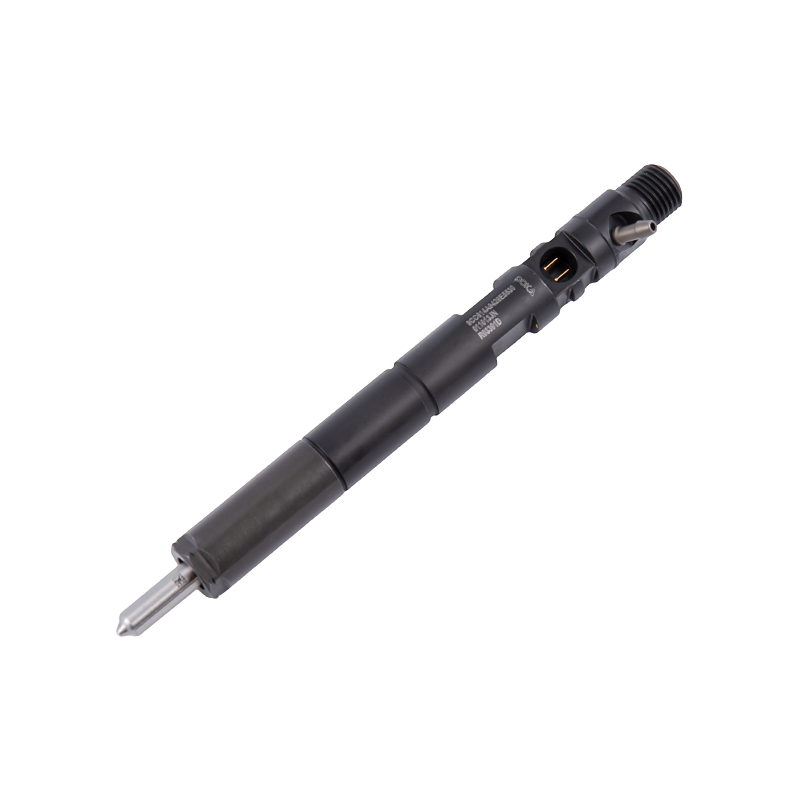
The product compatible with Delphi EJBR03301D fuel injector from the Multec Seri...
See Details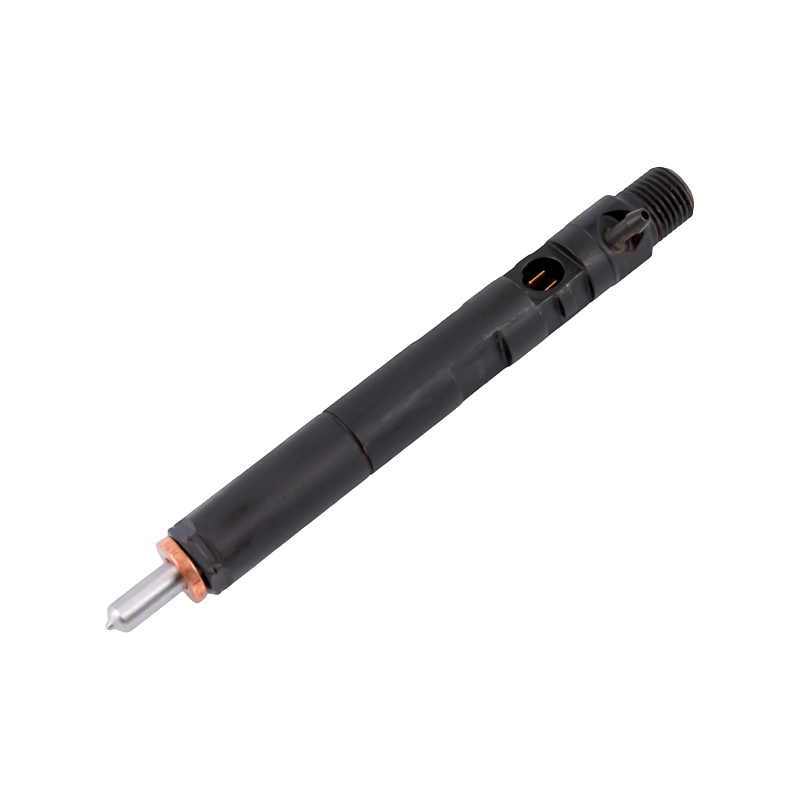
The product compatible with Delphi EJBR01801A fuel injector in the Multec Series...
See Details