中文
中文 English
 русский
 Español
News
Excellent product with exquisite craftsmanship.

 sales2@wxdoka.com
 +86-15190391637
 No.18 Xiangge Road, Hudai Town, Binhu District, Wuxi, China
When a Caterpillar 3126, C7, or C9 in your fleet starts misfiring under load and the fault code points at a HEUI injector, the hunt for a replacement suddenly becomes a high-stakes purchasing decision. The process looks familiar: type the part number, collect quotes, compare prices. But a HEUI injector is not an ordinary off-the-shelf component. It is a hydraulically actuated, electronically controlled injector that uses engine oil as its actuation force, and that single difference changes how a buyer should evaluate a supplier.
Here is the conclusion upfront: the right Caterpillar HEUI injector supplier is the one that can prove part-interchange accuracy, intensifier and solenoid integrity, bench-test evidence, and production capacity for consistent batches. If a supplier cannot demonstrate those capabilities, a lower price is simply the cost of future downtime.
Content
HEUI stands for Hydraulically actuated Electronically controlled Unit Injector. The system first entered the market in 1993 as a joint venture between Caterpillar and Navistar, and it helped power engines like the 3126, C7, and C9, as well as the Ford 7.3L and 6.0L Power Stroke diesels. Unlike a common-rail injector, which uses diesel fuel under high pressure, a HEUI injector receives high-pressure engine oil from a separate oil rail. Inside the injector, that oil pushes an intensifier piston, which multiplies oil pressure and forces fuel toward the nozzle at injection pressures that can exceed 23,000 psi.
This construction creates a few consequences for anyone purchasing replacements:
When a supplier sends out a "compatible" HEUI injector with shortcuts in one of these areas, the engine may run rough, produce smoke, or develop high-pressure oil leaks. That is why choosing compatible diesel engine fuel system components is a technical exercise, not a price comparison.
Vetting a supplier is not an abstract exercise. Each checkpoint below is something you can verify with a simple email or phone call.
HEUI injectors are not interchangeable across all engine models. A 3126B injector differs from a C7 injector, and within the same engine family, part numbers like C62123460 and C93879433 correspond to different calibration, connector, and mounting configurations. A responsible supplier will confirm the OEM part number, the engine serial-number range, and the harness connector type before an order ships.
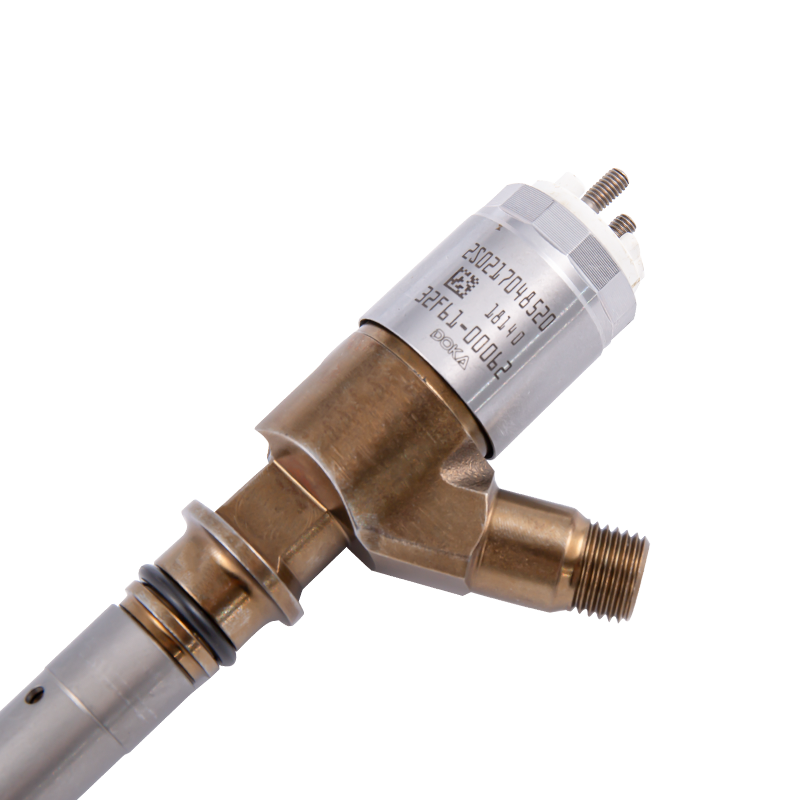 Caterpillar HEUI Fuel Injector C6-212-3460 for C6.6 and C7.1 EnginesThis injector fits C6.6 and C7.1 Tier 3 engines in gen sets and construction machinery. Its copper seat and precision nozzle ensure stable performance with high-sulfur fuel, supporting non-ECU systems for easy maintenance.View Product →
The components that fail most often in a HEUI injector are the intensifier piston and its sealing system. Worn seals cause high-pressure oil leaks; undersized or oversized plungers produce rail-pressure loss. A supplier with real engineering insight should explain the tolerances it holds, the lapping methods it uses, and the material grades for the poppet valve, solenoid, and nozzle. If the supplier treats the injector as a black box, that is a warning.
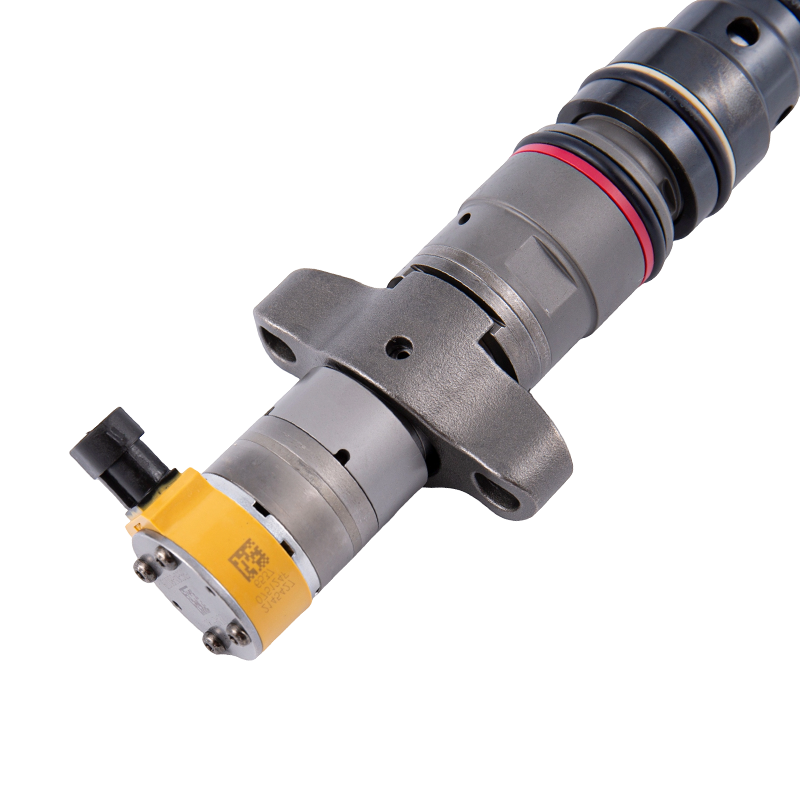 Caterpillar HEUI Fuel Injector C9-387-9433 for C9 and C9.3 TrucksDesigned for C9/C9.3 Tier 4 Final engines, this injector uses HEUI technology with up to 260 bar drive pressure, an integrated fuel sensor, and ±1.5% temperature compensation for consistent injection under varying loads.View Product →
Any credible Caterpillar HEUI injector supplier either runs its own test bench or outsources calibration to a facility that can verify spray pattern, opening pressure, response time, and oil-side sealing. Ask for example data that shows injection quantity reproducibility, not just a generic certificate. A supplier that can describe its internal simulation and solid testing loop is more likely to deliver consistent units.
In service, HEUI injectors face high pressure, heat, and contamination. The parts that fail early are usually the nozzle and valve assemblies because they are exposed to fuel contaminants and carbon buildup. Ask the supplier about coatings and surface treatments that reduce wear. Nozzle quality matters more than the paper specification because it largely determines the long-term service life of the unit.
| Checkpoint | What a weak supplier offers | What a reliable HEUI supplier offers |
|---|---|---|
| Part matching | Generic cross-reference list | Engine serial range + harness type + part number confirmation |
| Intensifier and seal quality | "New old stock" or vague rebuild language | Specific material grade and tolerance data |
| Test data | Certificate only, no numbers | Injection quantity measurements, pressure and response-time records |
| Production and lead time | No visible capacity evidence | Clear production throughput and batch consistency |
If your supplier answers "no" to the examples in the left column above, you have found a major difference in how reliably that supplier manages the risk of a bad injector.
A supplier's responsibility does not stop at the part. HEUI systems are extremely sensitive to oil condition. If the oil is old, contaminated, or the high-pressure oil pump is not maintaining the required rail pressure, a new injector will fail prematurely without evidence of a manufacturing defect.
That is why maintenance practices are part of supplier evaluation:
A good supplier will also tell you what it sees in returned parts and which maintenance habits are causing the most failures. That kind of feedback is more useful than an extra discount. For a deeper look, read the best practices for maintaining Caterpillar HEUI fuel systems.
When you move beyond a single replacement and start ordering for a fleet, the questions become more systematic. For a family of 3126s, C7s, or C9s, the supplier should provide:
This means a supplier should be treated as a long-term partner, not a transactional source. A supplier with 15 years of fuel-system engineering experience and yearly volume measured in the millions is a different business from a reseller that shuffles injectors between boxes. Production loops for simulation design, bench validation, assembly calibration, and environmental testing are the internal capabilities that matter most for HEUI parts, and they show up in the consistency of every batch.
Right now, when you compare quotes, look past the unit price and focus on evidence. A reliable Caterpillar HEUI injector supplier will show you how it identifies the correct part, what it does to ensure the intensifier and nozzle remain true to specifications, and how it tests each injector before it ships. That evidence, not the discount, is what separates an engine that runs clean for thousands of hours from one that returns to the shop next month.
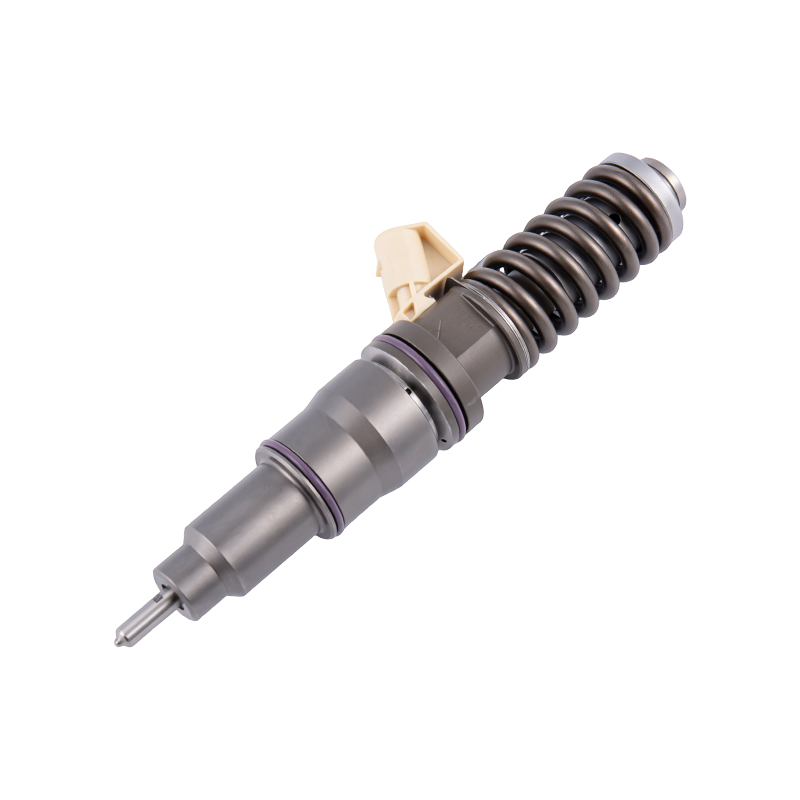
The product compatible with Delphi 20440388 fuel injector from the HDU Series is...
See Details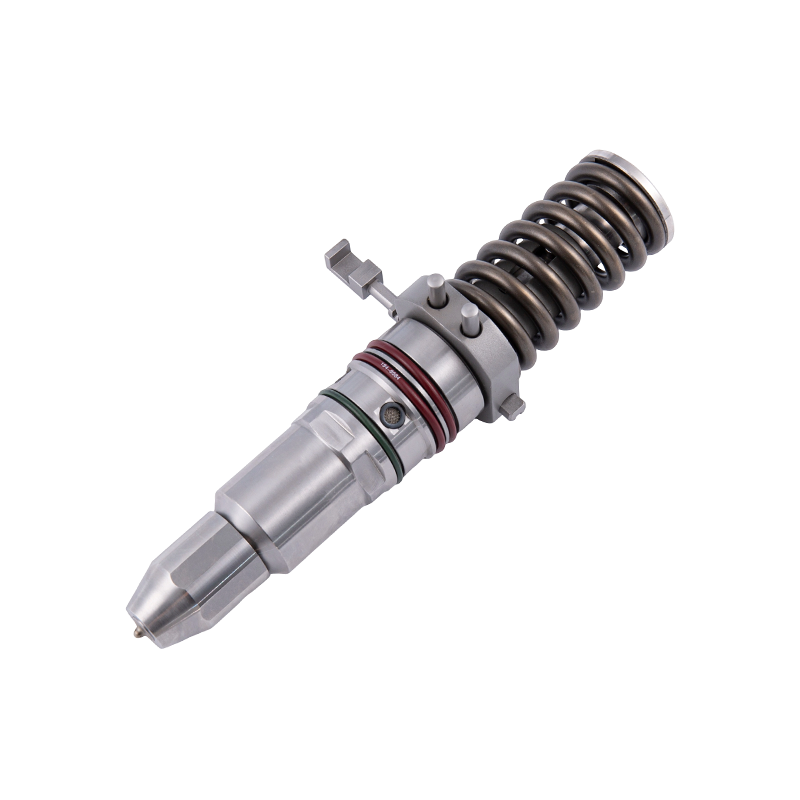
The fuel injector compatible with Caterpillar CRI/CRS series 3500A-111-3718 is d...
See Details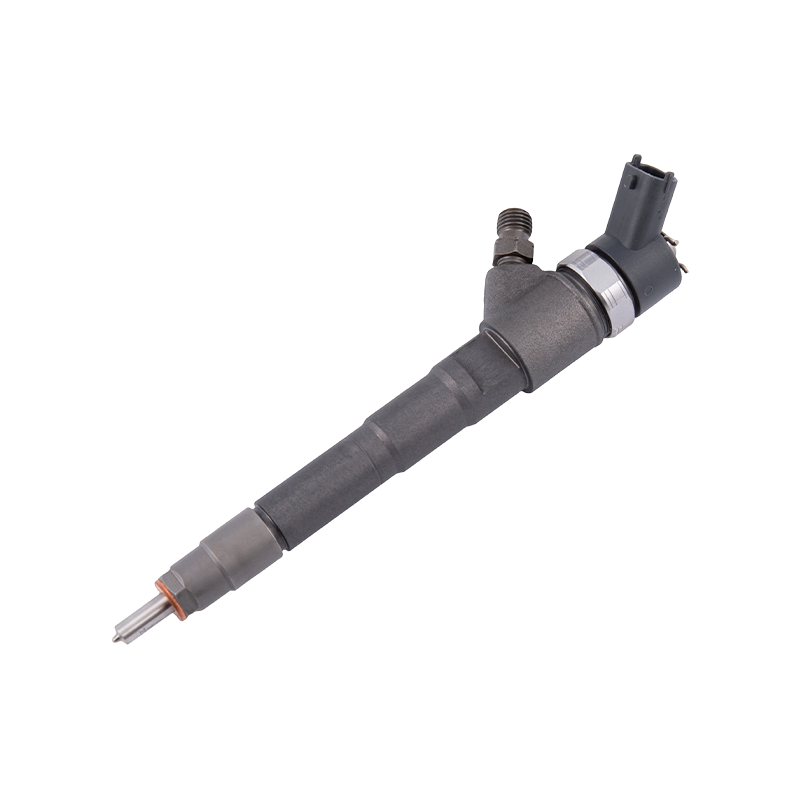
The 0445110273 common rail diesel injector is compatible with the Bosch CRI 110 ...
See Details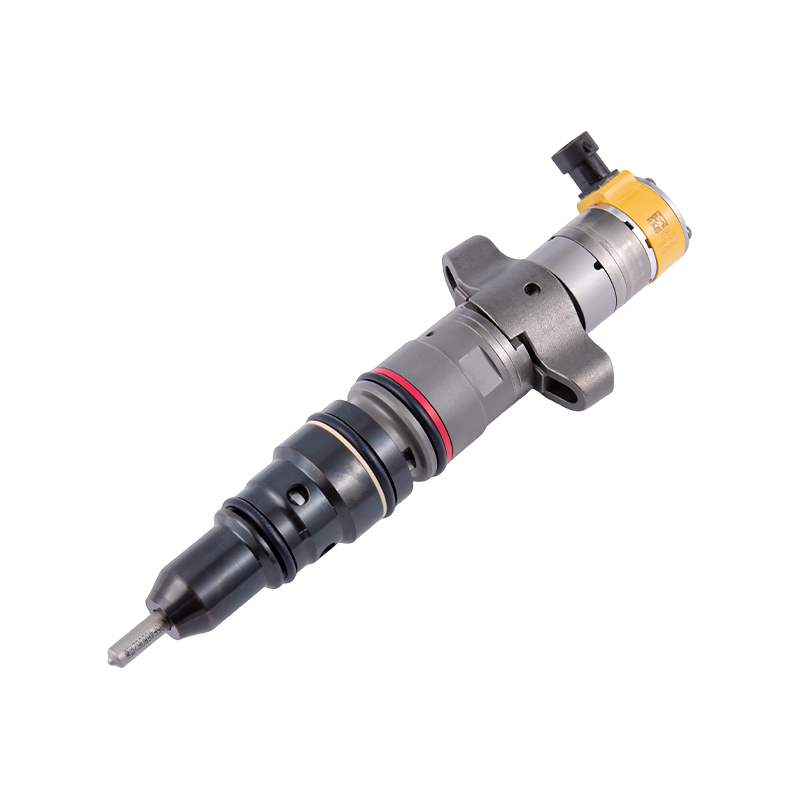
The injector is compatible with Caterpillar HEUI series injector CAT C9-387-9433...
See Details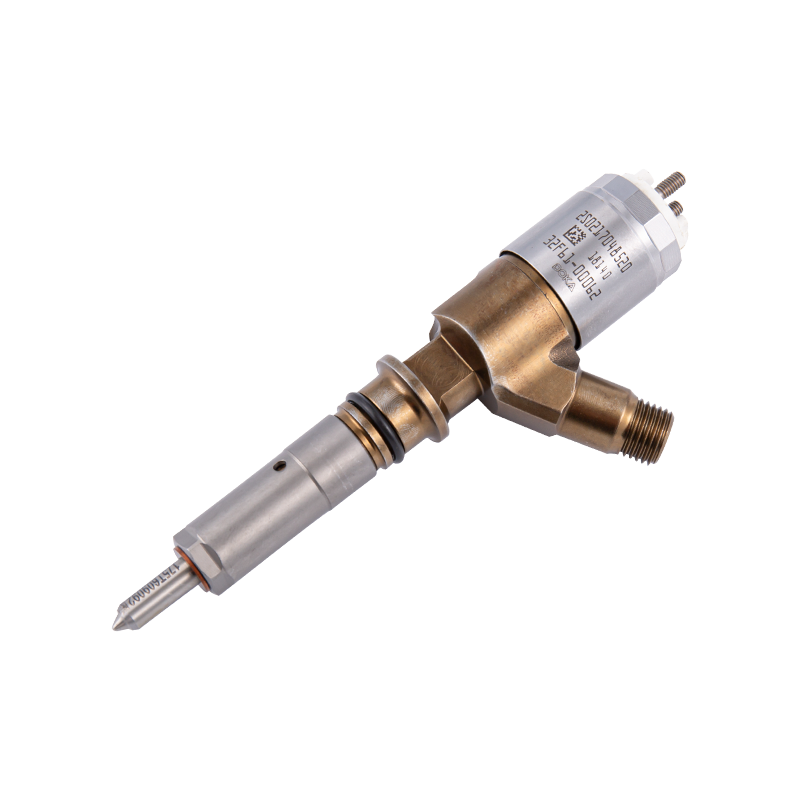
Compatible with Caterpillar HEUI series fuel injector CAT C6-212-3460, suitable ...
See Details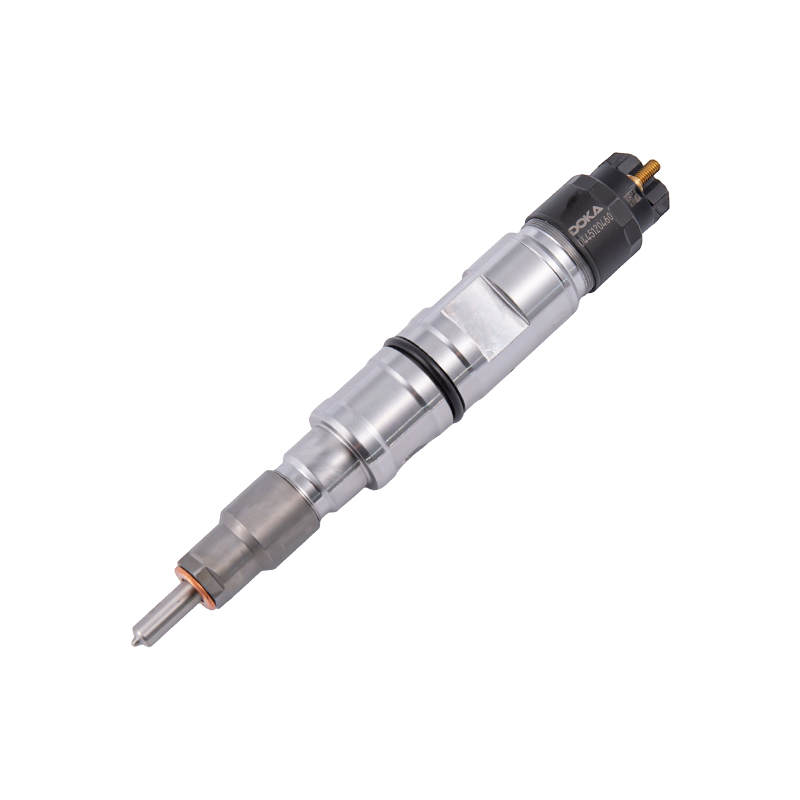
Compatible with Bosch CRIN 120 series fuel injectors 0445120460, it is suitable ...
See Details