中文
中文 English
 русский
 Español
News
Excellent product with exquisite craftsmanship.

 sales2@wxdoka.com
 +86-15190391637
 No.18 Xiangge Road, Hudai Town, Binhu District, Wuxi, China
Content
A piezoelectric injector operates based on the deformation of piezoelectric crystals when subjected to an electrical voltage. In a common rail diesel system, the engine control unit sends a precisely timed voltage signal to the injector. This voltage causes the piezo stack inside the injector to expand or contract within microseconds. The mechanical movement is transferred through a hydraulic or mechanical coupling system to lift the injector needle, allowing high-pressure fuel to be sprayed into the combustion chamber.
Unlike traditional solenoid injectors, which rely on electromagnetic force and moving armatures, the piezoelectric injector responds faster due to the direct crystal deformation effect. This rapid actuation allows multiple injection events per combustion cycle, including pilot, main, and post-injection phases. The ability to deliver extremely small and accurately timed fuel quantities improves combustion stability and reduces noise.
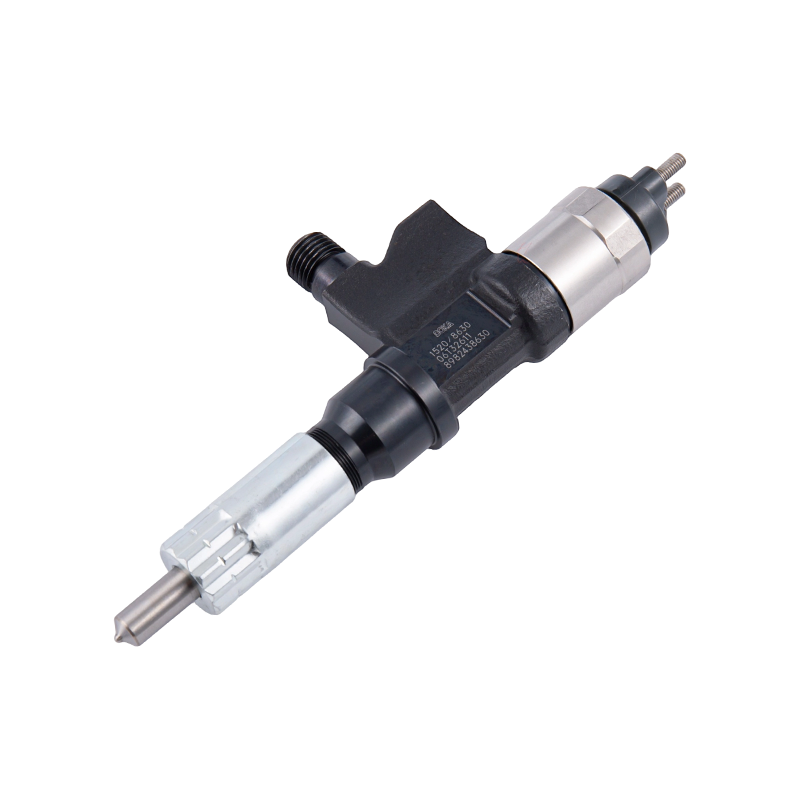
The internal structure of a piezoelectric injector is engineered to operate under very high fuel pressures, often exceeding 1800 bar in modern diesel engines. Each component must maintain dimensional stability and sealing integrity while enabling ultra-fast movement.
The integration between electronic control and mechanical response is critical. The engine management system calculates injection timing based on load, speed, temperature, and emission parameters, and the piezoelectric injector translates these signals into high-precision fuel delivery.
Piezoelectric injectors are adopted in many high-performance diesel engines due to their fast response and high control accuracy. The actuator can react within microseconds, significantly reducing injection delay and enabling finer control of injection duration.
| Comparison Item | Piezoelectric Injector | Solenoid Injector |
| Response Speed | Microsecond-level | Slower electromagnetic actuation |
| Injection Events per Cycle | Multiple precise injections | Limited injection phases |
| Fuel Atomization | Very fine and consistent | Less precise under rapid cycles |
| Emission Control | Supports lower NOx and particulate levels | Moderate emission control capability |
The enhanced injection strategy made possible by piezo technology allows smoother combustion pressure rise, which reduces engine noise and mechanical stress. In addition, accurate fuel metering contributes to improved fuel efficiency under varying load conditions.
Piezoelectric injectors are commonly installed in passenger cars, light commercial vehicles, and heavy-duty diesel engines equipped with advanced common rail systems. Engines that require strict emission compliance standards benefit from the injector’s capacity for controlled pilot and post injections, which help manage exhaust gas temperature and after-treatment performance.
In high-output diesel engines, the rapid switching capability supports stable combustion even at elevated engine speeds. This characteristic is particularly important in engines designed for high torque output, where precise fuel delivery directly affects drivability and exhaust cleanliness.
Due to their precision design, piezoelectric injectors require clean fuel and strict contamination control. Even small particles can interfere with the needle movement or damage the control valve surfaces. High-pressure fuel filtration and periodic system inspection are critical for maintaining performance.
Calibration of piezoelectric injectors typically involves coding or programming individual injector correction values into the engine control unit. These correction codes compensate for minor manufacturing tolerances and ensure balanced fuel distribution across cylinders. Accurate coding after replacement is essential to maintain proper combustion behavior.
Precise control over injection timing and fuel quantity directly influences emission formation. Early pilot injections can reduce ignition delay and moderate combustion pressure rise, while post-injection strategies assist in controlling particulate matter and supporting diesel particulate filter regeneration. The fine atomization generated by a piezoelectric injector promotes more complete fuel combustion and reduces unburned hydrocarbons.
As emission standards become stricter, the demand for accurate fuel metering continues to increase. Piezoelectric injector technology provides the level of responsiveness required for modern engine calibration strategies, allowing manufacturers to optimize performance without compromising emission compliance.
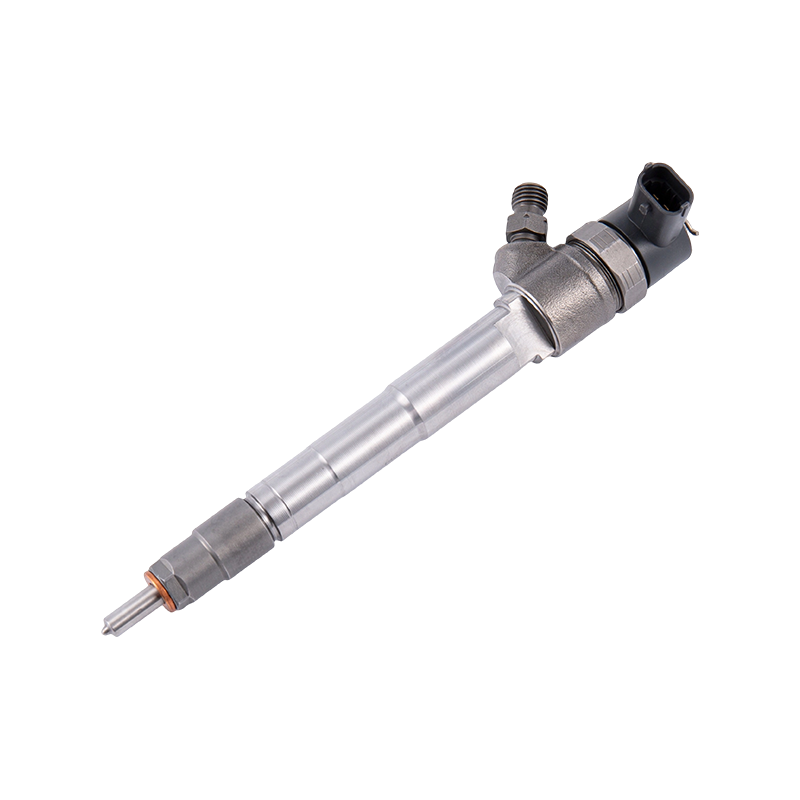
The 0445110376 common rail diesel injector is compatible with the Bosch CRI 110 ...
See Details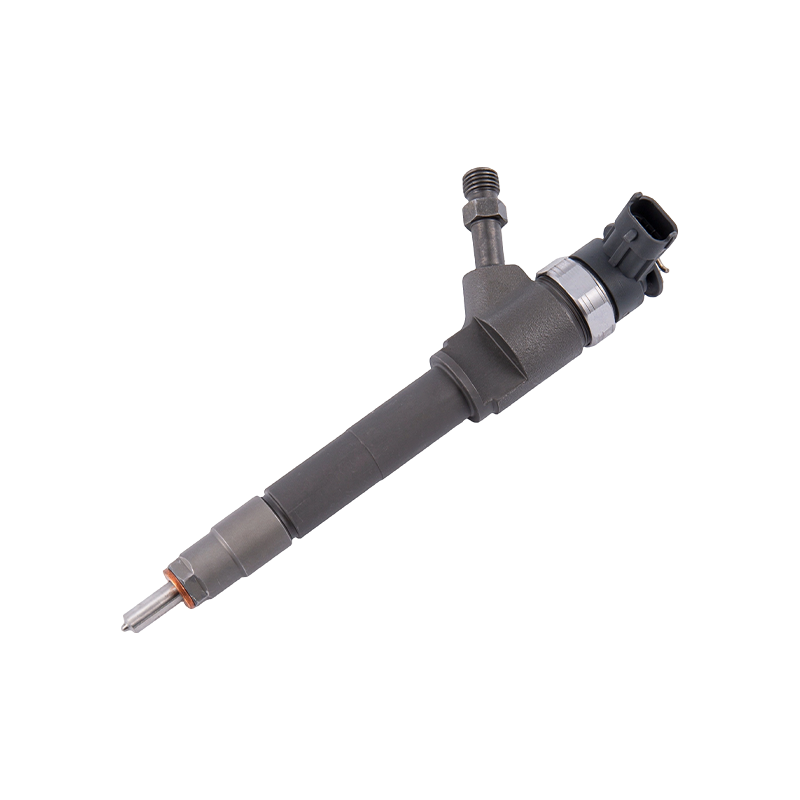
The 0445110249 common rail diesel injector is highly compatible with the Bosch C...
See Details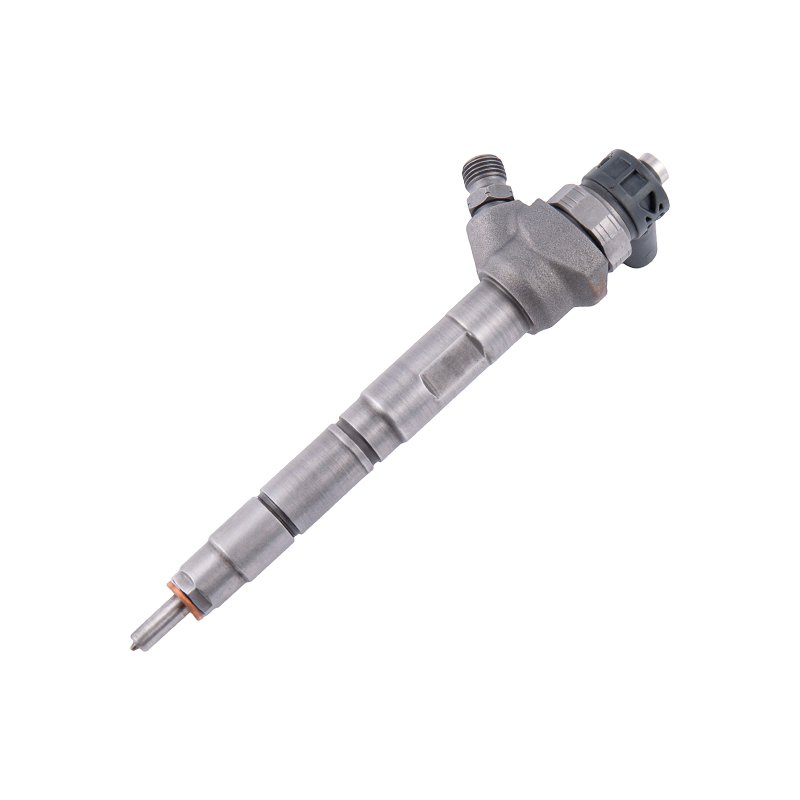
The 0445110646 common rail diesel injector is compatible with the Bosch CRI 110 ...
See Details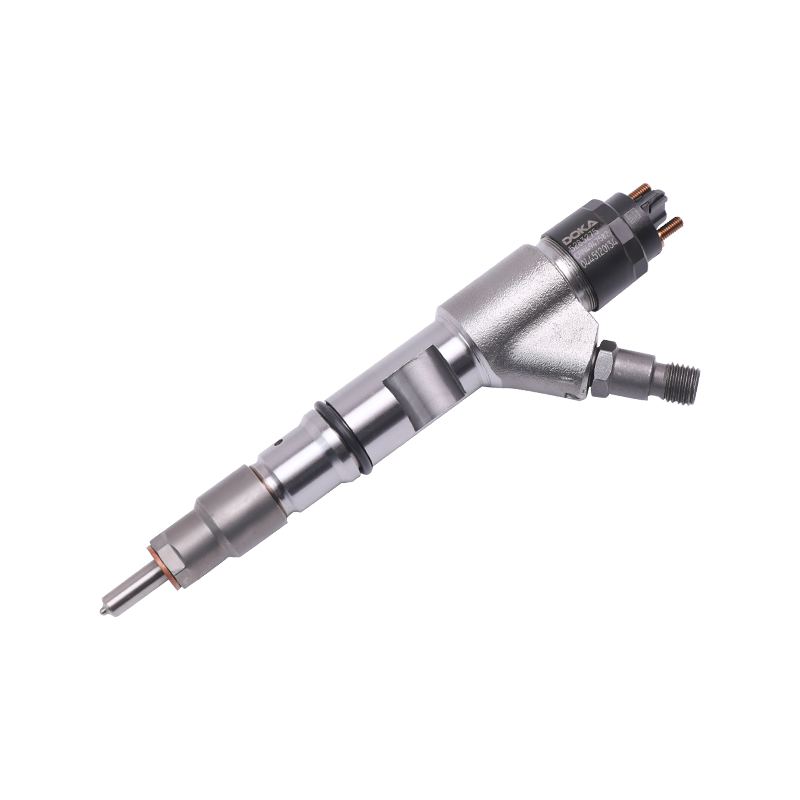
The 0445120134 injector is compatible with the Bosch CRIN 120 Series. It is desi...
See Details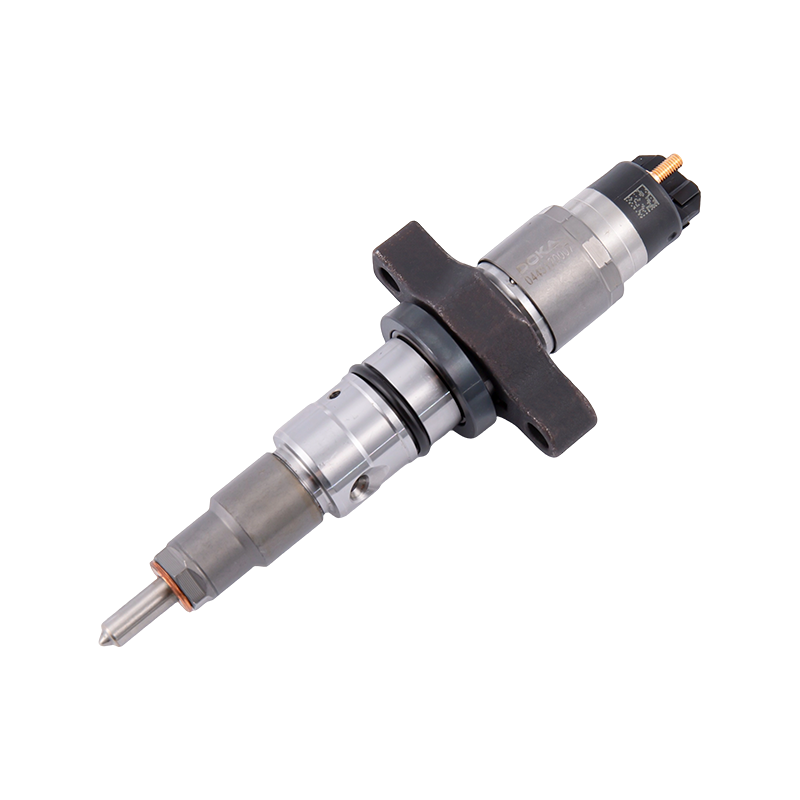
The 0445120007 Common Rail Injector, which is compatible with the Bosch CRIN 120...
See Details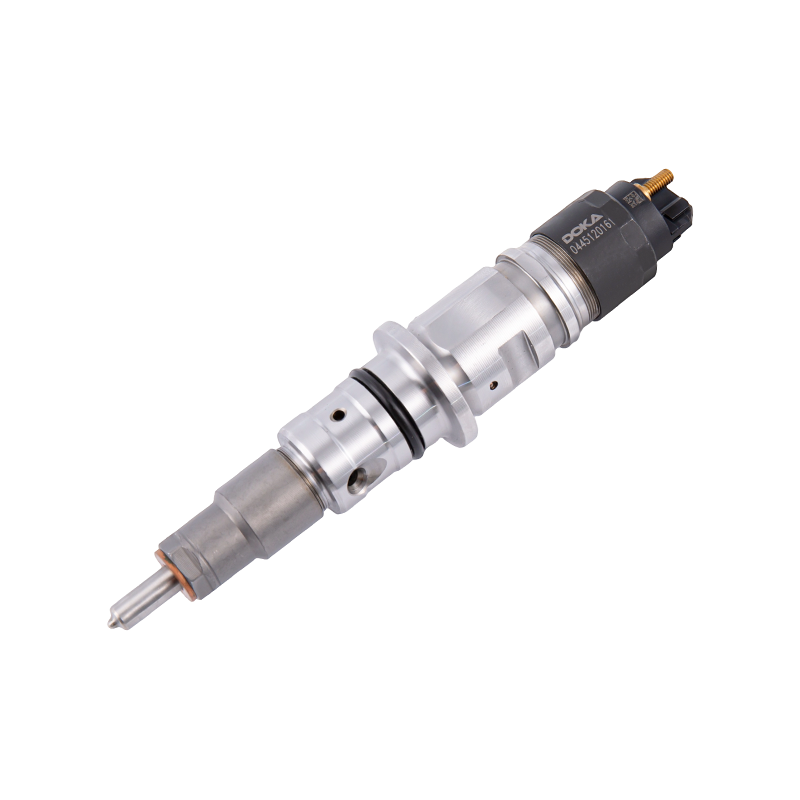
The 0445120161 diesel injector is compatible with the Bosch CRIN 120 series. It ...
See Details