中文
中文 English
 русский
 Español
News
Excellent product with exquisite craftsmanship.

 sales2@wxdoka.com
 +86-15190391637
 No.18 Xiangge Road, Hudai Town, Binhu District, Wuxi, China
Content
A direct-injection injector is a precision component that delivers fuel directly into the combustion chamber under extremely high pressure. Unlike port fuel injection systems that spray fuel into the intake manifold, direct injection systems atomize fuel inside the cylinder, allowing more precise control of combustion timing, fuel quantity, and spray pattern.
The injector operates through an electronically controlled solenoid or piezoelectric actuator. When triggered by the engine control unit (ECU), the injector opens momentarily to spray a finely atomized fuel mist. Injection pressures in gasoline direct injection (GDI) systems can exceed 200 bar, while diesel systems often operate at much higher pressures. This high-pressure delivery improves fuel efficiency, increases power output, and reduces emissions when functioning correctly.
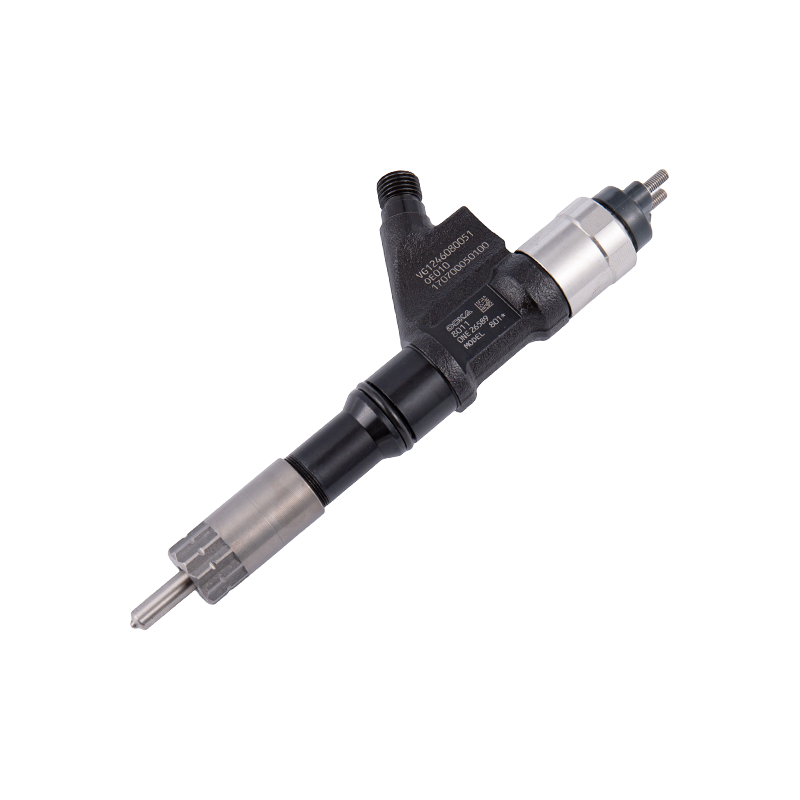
Because direct-injection injectors operate in extreme heat and pressure environments, they are prone to carbon buildup and wear. Malfunctioning injectors can disrupt fuel atomization and combustion balance, leading to noticeable performance issues.
Typical symptoms include rough idling, engine misfires, hesitation during acceleration, increased fuel consumption, and illuminated check engine lights. In severe cases, hard starting or fuel dilution in engine oil may occur due to improper injection timing or leakage.
| Symptom | Possible Injector Issue | Impact on Engine |
| Rough Idle | Clogged nozzle | Uneven combustion |
| Misfire Codes | Electrical failure | Cylinder imbalance |
| Fuel Smell | Leaking seal | Reduced efficiency |
Accurate diagnosis of a direct-injection injector requires both electronic scanning and mechanical testing. Technicians typically begin with an OBD diagnostic scan to identify misfire codes or fuel trim irregularities. Live data monitoring helps determine whether a specific cylinder is underperforming.
Advanced diagnostic steps may include fuel pressure testing, injector balance testing, and oscilloscope waveform analysis to verify electrical signal integrity. In some cases, injectors are removed for bench flow testing to measure spray pattern consistency and fuel volume output.
Carbon deposits are a major concern for direct-injection injectors, especially in gasoline engines where fuel no longer washes intake valves. Preventive maintenance includes using high-quality fuel and periodic fuel system cleaners designed for direct-injection systems.
Professional cleaning methods include pressurized on-car cleaning systems and ultrasonic bench cleaning. Ultrasonic cleaning effectively removes stubborn carbon buildup from nozzle tips and internal passages, restoring proper spray patterns.
When cleaning no longer restores performance, replacement of the direct-injection injector may be necessary. It is recommended to replace sealing rings and high-pressure lines according to manufacturer specifications. Improper installation can result in compression leaks or fuel leakage.
After installation, injector coding or calibration may be required to match flow characteristics with the engine control unit. Failing to perform proper calibration can result in incorrect fuel delivery and compromised engine efficiency.
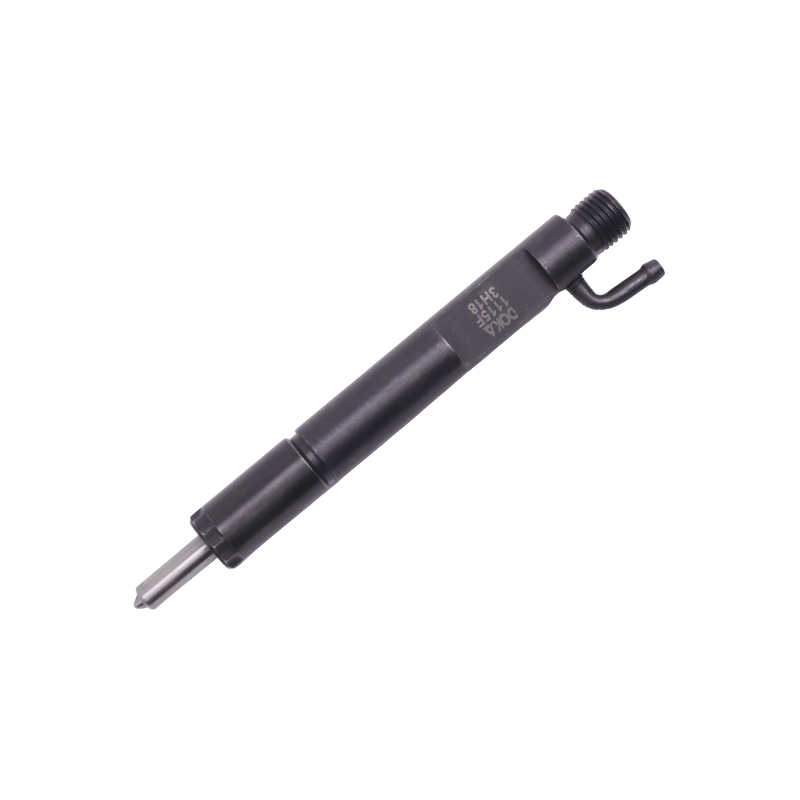
The 1115F fuel injector is designed for 1115 single-cylinder diesel engines, fea...
See Details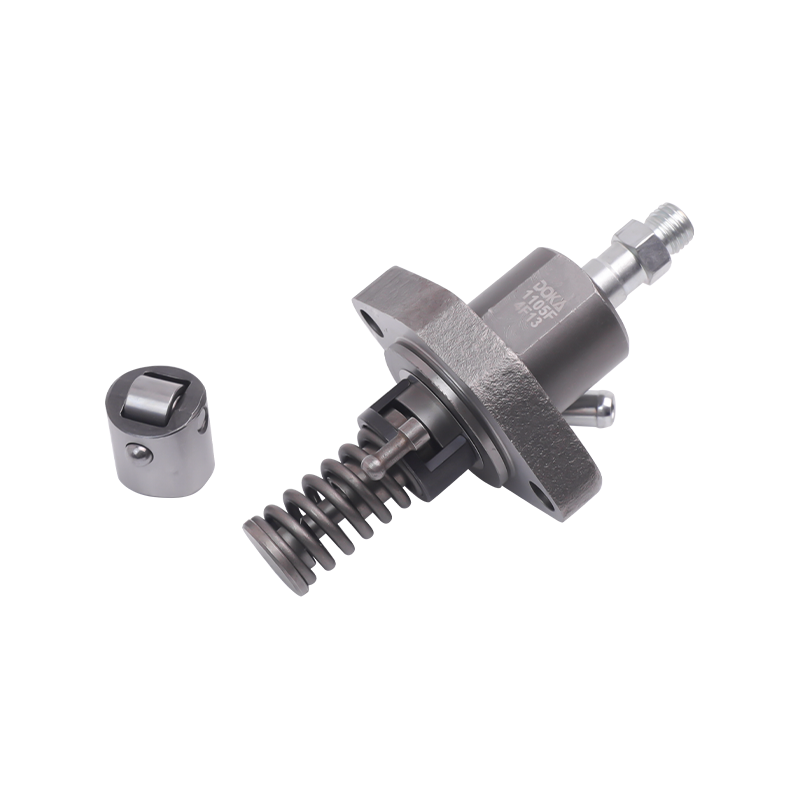
The 1115F fuel injection pump is specifically designed for 1115 single-cylinder ...
See Details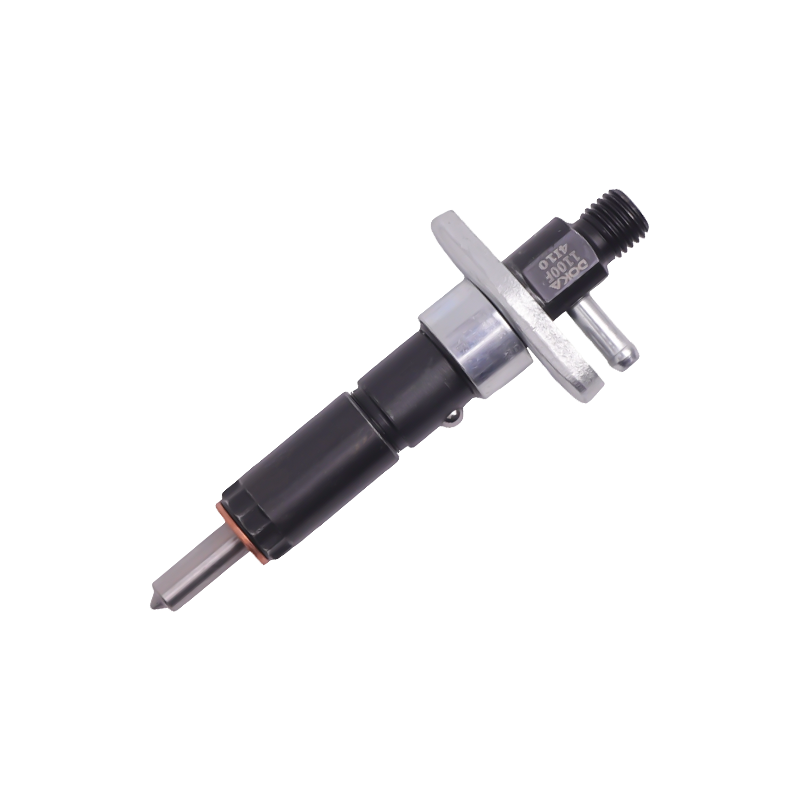
The 1100F fuel injector is specifically designed for the direct injection system...
See Details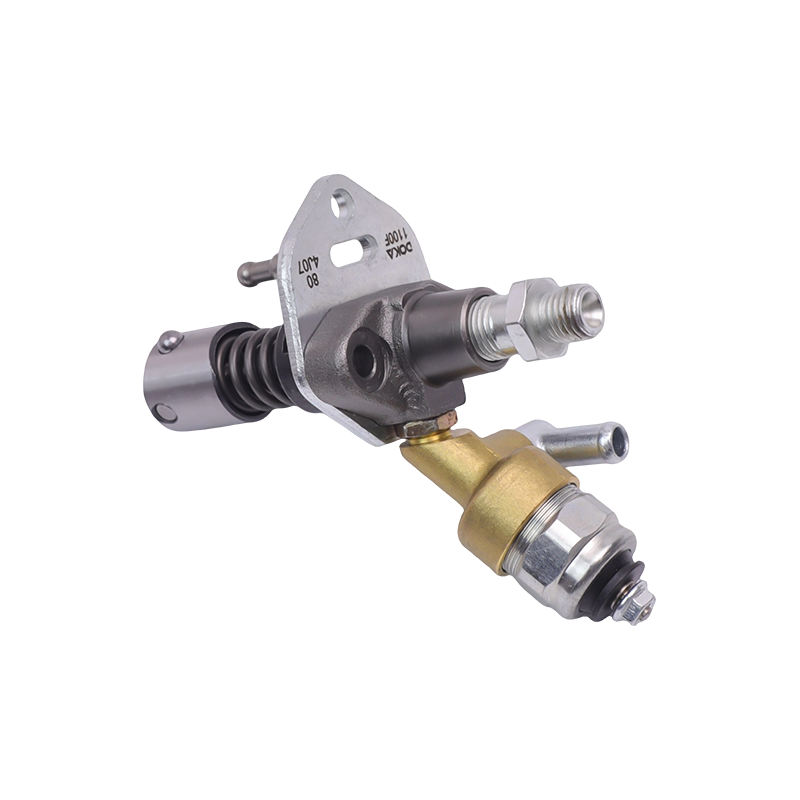
The 1100F solenoid-valve-type Fuel Injection Pump is engineered for the Yanmar-s...
See Details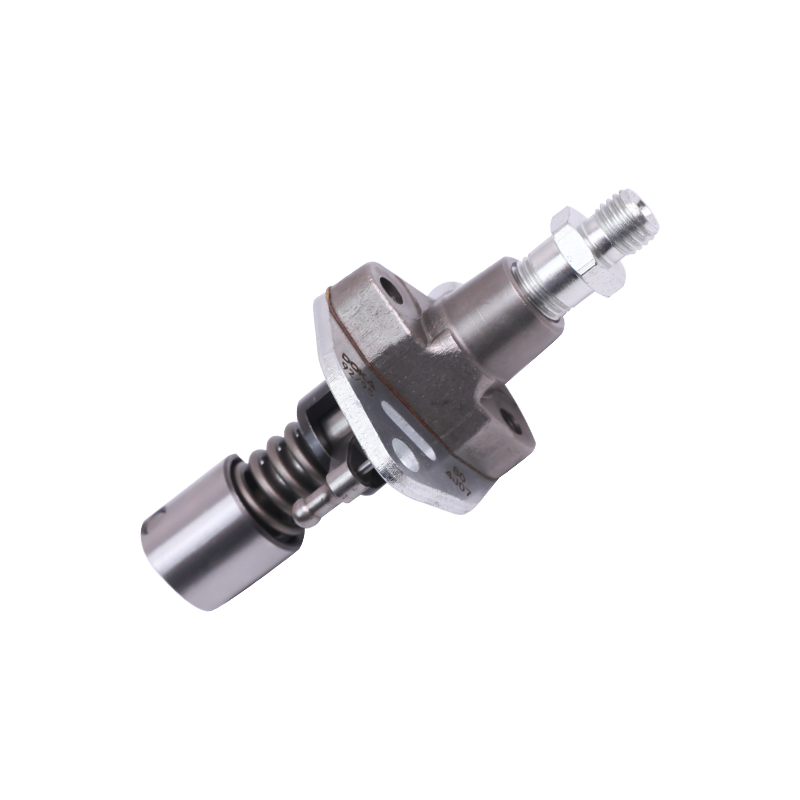
The 192F roller-type Fuel Injection Pump is designed for Yanmar-series KD192F an...
See Details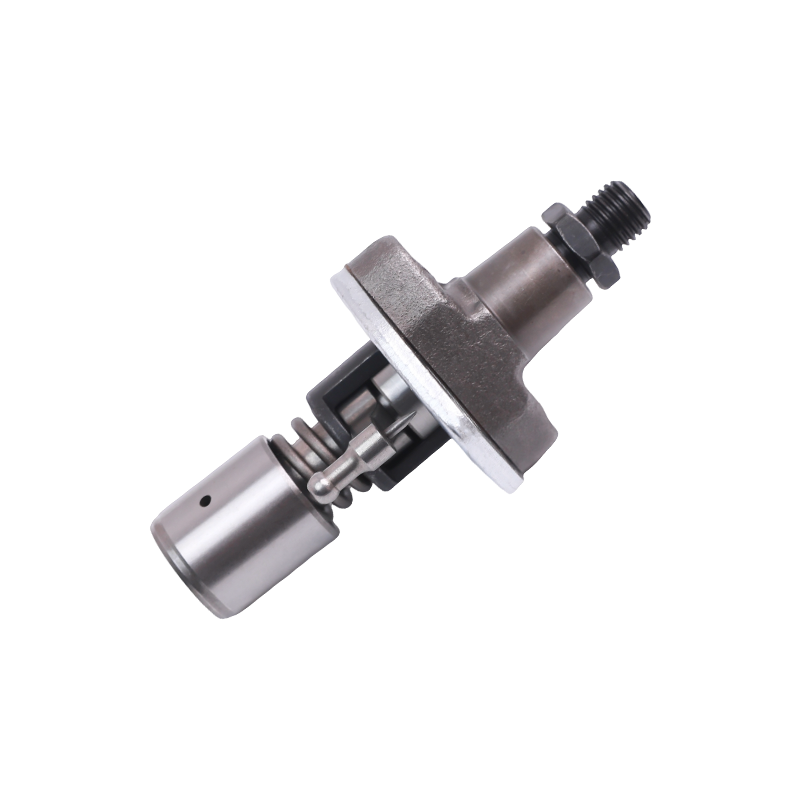
The 192F Fuel Injection Pump is engineered for Yanmar-series KD192F and KD192FE ...
See Details