

 中文
中文 English
 русский
 Español
High-pressure common rail fuel pumps represent critical components in modern diesel engines, directly affecting performance, fuel efficiency, and long-term reliability. The transition from CP3 to CP4 fuel pump technology marked a significant evolution in diesel fuel injection systems, driven by increasingly stringent emissions regulations and demands for improved fuel economy. Understanding the fundamental differences between these pump generations, their respective strengths and weaknesses, and real-world reliability concerns helps diesel vehicle owners make informed decisions about maintenance, repairs, and potential upgrades. This comprehensive comparison examines the technical distinctions, performance characteristics, failure patterns, and practical implications of CP3 versus CP4 fuel pump technology.
Content
- 1 Fundamental Design Differences Between CP3 and CP4 Pumps
- 2 Performance Characteristics and Capabilities
- 3 Reliability Issues and Common Failure Modes
- 4 Impact of Fuel Quality on Pump Performance and Longevity
- 5 CP4 to CP3 Conversion: Considerations and Benefits
- 6 Preventive Measures to Extend CP4 Pump Life
- 7 Symptoms and Diagnosis of Failing Fuel Pumps
- 8 Making the Right Choice for Your Application
Fundamental Design Differences Between CP3 and CP4 Pumps
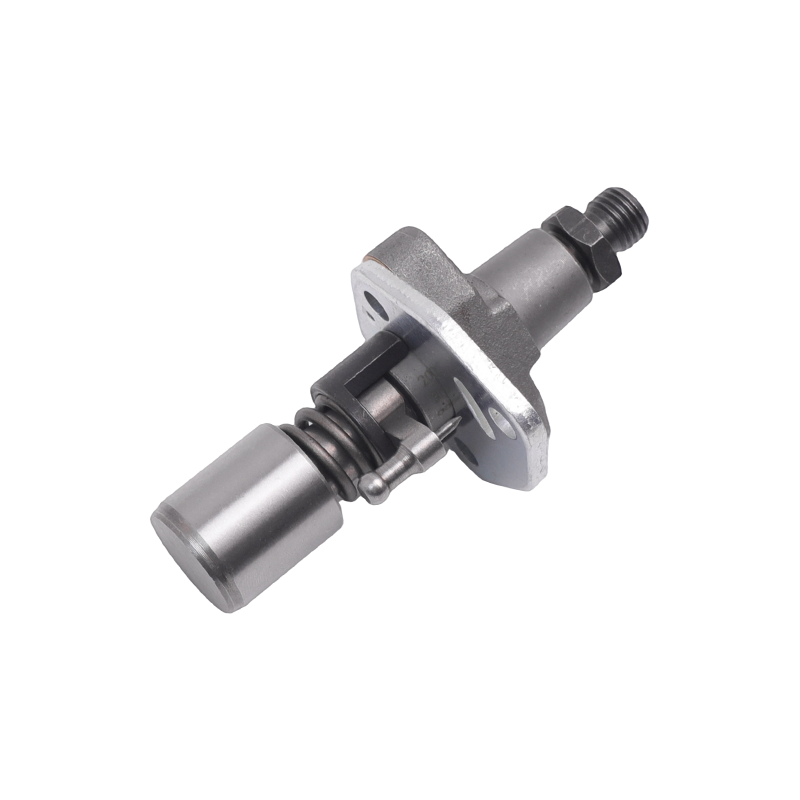
The CP3 (Common Rail Pump, 3rd generation) and CP4 (Common Rail Pump, 4th generation) represent successive generations of Bosch high-pressure diesel fuel pumps, each designed to meet different performance and emissions requirements. The CP3 pump debuted in the early 2000s and became widely used across various diesel platforms from manufacturers including Dodge, GM, and Ford in their heavy-duty truck applications. This pump design features a radial piston configuration with three pumping elements arranged around a central camshaft, creating fuel pressure through mechanical actuation as the engine-driven camshaft rotates.
CP3 pumps operate with internal lubrication provided entirely by diesel fuel itself, containing no separate oil reservoir or external lubrication system. The pump relies on the lubricating properties inherent in diesel fuel to protect its internal components including pistons, cylinder bores, and bearings during operation. This design approach works effectively with traditional diesel fuel formulations that contain adequate lubricity from sulfur compounds and other natural constituents. The robust construction of CP3 pumps includes hardened steel components dimensioned to withstand the mechanical stresses of generating fuel pressures typically ranging from 23,000 to 26,000 PSI depending on application and tuning.
The CP4 pump emerged around 2011 as emissions regulations tightened and manufacturers sought higher injection pressures to improve combustion efficiency and reduce particulate emissions. While maintaining the basic common rail principle, the CP4 design incorporates significant changes aimed at achieving higher operating pressures with reduced parasitic drag on the engine. The most notable design modification involves a dual-piston configuration rather than the CP3's three-piston arrangement, reducing the number of pumping elements while increasing individual piston stroke to maintain or exceed fuel delivery capacity.
This transition to fewer, larger displacement pistons in the CP4 design allows the pump to generate pressures exceeding 29,000 PSI in many applications, supporting advanced injection strategies including multiple pilot injections, main injection events, and post-injections that optimize combustion and emissions. However, the higher pressures and reduced pumping element count create tighter tolerances and increased mechanical stress on individual components. The CP4 pump's internal clearances measure in microns, requiring exceptionally clean fuel and adequate lubrication to prevent catastrophic wear and failure.
Performance Characteristics and Capabilities
Examining the performance specifications and operational capabilities of CP3 and CP4 pumps reveals important distinctions that affect their suitability for different applications and performance objectives.
| Specification | CP3 Pump | CP4 Pump |
| Maximum Pressure | 23,000-26,000 PSI | 29,000-36,000 PSI |
| Number of Pistons | 3 radial pistons | 2 opposed pistons |
| Flow Rate (typical) | 130-160 L/hr @ pressure | 110-125 L/hr @ pressure |
| Parasitic Power Loss | 8-12 HP at rated speed | 5-8 HP at rated speed |
| Typical Service Life | 200,000-400,000+ miles | 100,000-200,000 miles |
| Fuel Lubricity Sensitivity | Moderate tolerance | High sensitivity |
| Contamination Tolerance | Good - larger clearances | Poor - tight tolerances |
The CP3 pump's higher flow rate capacity at pressure makes it particularly well-suited for performance applications and modified engines producing significantly more power than stock configurations. Enthusiasts building high-horsepower diesel trucks often retain or upgrade to dual CP3 pumps to ensure adequate fuel supply for large injectors and aggressive tuning. A single stock CP3 pump can typically support 500-600 horsepower reliably, while modified or dual CP3 setups enable 800-1000+ horsepower applications when paired with appropriate injectors and tuning.
The CP4 pump's reduced parasitic power consumption contributes to improved fuel economy in stock applications, as the engine expends less energy driving the fuel pump. This efficiency advantage aligns with manufacturer objectives to meet corporate average fuel economy (CAFE) standards and reduce CO2 emissions. However, the CP4's lower maximum flow rate at pressure limits its capacity to support substantial power increases beyond stock output. Modified engines exceeding 450-500 horsepower often encounter fuel delivery limitations with CP4 pumps, necessitating replacement with CP3 conversions or aftermarket alternatives to support higher power levels.
Reliability Issues and Common Failure Modes
Reliability represents perhaps the most significant distinction between CP3 and CP4 fuel pumps, with real-world failure rates dramatically favoring the older CP3 design. Understanding the failure mechanisms affecting each pump generation helps owners implement preventive measures and recognize early warning signs of impending problems.
CP3 Pump Reliability and Longevity
CP3 pumps have established an exceptional reliability record across hundreds of thousands of installations, with many pumps exceeding 300,000-400,000 miles without failure in properly maintained vehicles. The robust three-piston design distributes mechanical loads across multiple elements, reducing stress on individual components and creating redundancy that allows continued operation even if one piston experiences minor wear. The relatively generous internal clearances tolerate minor contamination and slight variations in fuel lubricity without immediate catastrophic consequences, providing a margin of safety against real-world fuel quality variations.
When CP3 pumps do fail, the progression typically occurs gradually over thousands of miles, providing warning signs that alert attentive owners to developing problems. Common symptoms of declining CP3 pump health include reduced rail pressure at idle or under load, extended cranking before starting, loss of power under acceleration, and fuel pressure-related diagnostic trouble codes. These gradual failure modes allow owners to plan pump replacement rather than experiencing sudden complete failure that leaves vehicles stranded. The internal components of failing CP3 pumps usually show wear patterns rather than catastrophic destruction, often making repair or rebuilding economically viable alternatives to complete pump replacement.
CP4 Pump Reliability Concerns and Catastrophic Failures
CP4 pumps have earned notoriety for premature failures and catastrophic failure modes that cause extensive collateral damage to fuel system components. The tight internal tolerances required to generate extreme pressures leave minimal margin for contamination, fuel lubricity deficiencies, or manufacturing variations. When CP4 pump internal components begin to wear, the accelerated progression often results in complete disintegration of pump internals, releasing metal particles throughout the entire high-pressure fuel system.
Catastrophic CP4 failures contaminate fuel rails, injectors, fuel lines, and fuel filters with microscopic metal debris that is nearly impossible to completely remove through flushing alone. This contamination necessitates replacement of all fuel system components downstream of the pump failure—a repair often costing $8,000-$15,000 or more depending on vehicle make and parts availability. The sudden nature of many CP4 failures provides minimal warning, with trucks running normally one moment and experiencing complete loss of power the next as the disintegrating pump floods the fuel system with metal particles.
Several factors contribute to CP4 pump failures, with fuel lubricity deficiencies representing the primary culprit. Ultra-low sulfur diesel (ULSD) mandated by emissions regulations removes sulfur compounds that previously provided natural lubrication to fuel system components. While fuel refiners add lubricity improver additives to meet minimum specifications, these minimum standards prove marginally adequate for the extreme demands of CP4 pump internals. Fuel from certain suppliers or regions may have lubricity at the minimum threshold, providing insufficient protection during extended operation or when combined with other risk factors.
Impact of Fuel Quality on Pump Performance and Longevity
Fuel quality differences affect CP3 and CP4 pumps unequally, with the CP4 design showing dramatically higher sensitivity to fuel lubricity, cleanliness, and composition variations. Understanding these sensitivities enables owners to implement protective measures that extend pump life and reduce failure risk.
Lubricity Requirements and Deficiencies
Diesel fuel lubricity is measured using the High-Frequency Reciprocating Rig (HFRR) test, which quantifies the fuel's ability to prevent wear between metal surfaces under controlled conditions. The ASTM D975 specification for diesel fuel in North America requires a maximum wear scar of 520 microns, though many fuel system manufacturers recommend enhanced lubricity with wear scars below 460 microns for optimal component protection. CP3 pumps tolerate fuels at or slightly above the 520 micron specification without immediate problems due to their more robust construction and larger internal clearances.
CP4 pumps require fuel lubricity at the better end of the specification range to prevent accelerated wear of their precision components. Fuels with wear scar values approaching 520 microns may provide inadequate lubrication for CP4 pump internals operating at extreme pressures and speeds. Unfortunately, fuel lubricity is not posted at retail pumps, and quality can vary between suppliers, seasons, and even individual deliveries to the same station. This variability creates uncertainty for CP4-equipped vehicle owners who have no reliable way to verify fuel quality before filling their tanks.
Biodiesel blends generally provide enhanced lubricity compared to pure petroleum diesel, with even small percentages of biodiesel significantly improving wear protection. However, biodiesel introduces other concerns including cold weather gelling, fuel system seal compatibility, and potential for biological growth in fuel tanks. Many diesel enthusiasts add aftermarket lubricity improver additives to every tank as insurance against inadequate fuel lubricity, with quality additives costing $10-20 per treatment and providing measurable wear scar reduction in testing.
Contamination Sensitivity and Filtration Requirements
Water contamination poses serious risks to both pump types, though CP4 pumps show lower tolerance for even trace water content. Water lacks the lubricating properties of diesel fuel and can cause corrosion of precision pump components. Additionally, water enables bacterial and fungal growth in fuel tanks, producing acidic byproducts and biomass that further contaminate fuel and clog filters. CP3 pumps can often tolerate minor water contamination long enough for drivers to notice symptoms and address the problem, while CP4 pumps may experience rapid damage from similar contamination levels.
Particulate contamination from dirt, rust, or degraded fuel system components creates abrasive wear that accelerates pump deterioration. Standard fuel filters capture particles above 10-30 microns depending on filter specification, but CP4 pump tolerances measure in single-digit microns, meaning particles passing through filters can still cause damage. Maintaining religiously scheduled fuel filter changes every 10,000-15,000 miles or annually (whichever comes first) provides critical protection, particularly for CP4-equipped vehicles. Using premium filters with high efficiency ratings and water separation capabilities adds minimal cost while providing enhanced protection against contamination-related failures.
CP4 to CP3 Conversion: Considerations and Benefits
The reliability concerns surrounding CP4 pumps have created a robust market for CP3 conversion kits that allow owners to retrofit the more reliable older pump design to newer vehicles originally equipped with CP4 units. These conversions offer significant benefits but involve important technical and financial considerations.
Conversion Kit Components and Installation Requirements
CP4 to CP3 conversion kits typically include the CP3 pump, modified mounting hardware to adapt the different pump configuration to the engine, high-pressure fuel lines sized appropriately for CP3 output, and sometimes fuel system modifications to accommodate the CP3's different flow characteristics. Quality conversion kits are available for popular diesel platforms including 2011-2016 GM Duramax, 2011-2019 Ford Power Stroke, and 2013-2018 Ram Cummins engines, with prices ranging from $2,500-4,500 depending on kit completeness and manufacturer.
Installation complexity varies by vehicle platform, with some conversions requiring only pump replacement and fuel line modifications while others demand more extensive changes including ECM tuning to accommodate different pump characteristics. Professional installation typically costs $800-1,500 in labor depending on vehicle complexity and shop rates. DIY installation is possible for mechanically skilled owners with appropriate tools, though the precision required for fuel system work and importance of proper installation to prevent leaks or contamination makes professional installation advisable for most owners.
Performance and Reliability Benefits of Conversion
Converting from CP4 to CP3 eliminates the catastrophic failure risk that represents the CP4's most significant liability. Owners gain peace of mind knowing their fuel pump is unlikely to experience sudden complete failure requiring $10,000+ in repairs to the entire fuel system. The improved reliability proves particularly valuable for trucks used in commercial applications, towing, or travel to remote areas where being stranded creates serious inconveniences or safety concerns. Many fleet operators have proactively converted entire fleets to CP3 pumps to avoid the downtime and expense of repeated CP4 failures.
The CP3's higher flow capacity provides additional benefits for modified trucks or those used for heavy towing. The increased fuel delivery enables more aggressive tuning and supports larger injectors for owners pursuing performance improvements. Stock trucks benefit from the headroom CP3 pumps provide under sustained high-load conditions like mountain towing, where CP4 pumps may struggle to maintain rail pressure during extended full-throttle operation. The small fuel economy penalty from increased parasitic losses—typically 0.5-1 MPG—is usually considered acceptable given the reliability and performance advantages gained.
Economic Analysis of Conversion Investment
The $3,000-6,000 total investment for CP3 conversion including parts and labor seems substantial until compared against the cost of catastrophic CP4 failure. A single CP4 failure requiring complete fuel system replacement costs $8,000-15,000, making the conversion economically justified if it prevents even one failure over the vehicle's ownership period. For vehicles with 80,000-100,000 miles approaching the typical range for CP4 failures, proactive conversion makes strong financial sense, particularly for owners planning to keep vehicles long-term.
The decision becomes less clear-cut for newer vehicles with low mileage where CP4 failure hasn't yet occurred. Some owners opt to run stock CP4 pumps while implementing preventive measures like premium fuel additives and rigorous filter maintenance, planning to convert if/when failure occurs. Others prefer proactive conversion for peace of mind, viewing the investment as insurance against future problems. For vehicles still under manufacturer warranty, conversion may void fuel system warranty coverage, though many owners accept this trade-off given the low likelihood of manufacturer warranty covering CP4 failures caused by "fuel quality issues."
Preventive Measures to Extend CP4 Pump Life
Owners choosing to retain CP4 pumps rather than converting to CP3 can implement several preventive strategies that reduce failure risk and potentially extend pump life significantly beyond typical failure rates.
Fuel Additive Programs
Regular use of quality diesel fuel additives represents the single most important preventive measure for CP4 pump protection. Lubricity improver additives boost fuel's wear protection characteristics, with quality products reducing HFRR wear scar measurements by 100-150 microns or more. Products like Stanadyne Performance Formula, Hot Shot's Secret Diesel Extreme, and Archoil AR6200 have demonstrated effectiveness in laboratory testing and real-world use. Treating every tank adds $8-15 per fill-up but provides insurance against the variable quality of retail diesel fuel.
Beyond lubricity improvement, comprehensive diesel additives provide additional benefits including detergency to clean injectors and fuel system components, cetane improvement for better cold starting and combustion, water dispersant properties to prevent free water accumulation, and corrosion inhibitors that protect fuel system metals. While additives cannot guarantee prevention of CP4 failures, statistical evidence suggests that owners using quality additives consistently experience lower failure rates than those running untreated fuel. The modest cost of additive programs represents worthwhile insurance given the catastrophic expense of CP4 failure.
Enhanced Filtration Systems
Upgrading fuel filtration beyond stock specifications provides additional protection against contamination-related pump damage. Aftermarket fuel filter systems offering enhanced water separation and finer particle filtration than stock filters are available for most diesel platforms at costs ranging from $300-800 installed. Systems incorporating water-in-fuel sensors provide early warning of contamination issues before they damage the high-pressure pump. Some enthusiasts install dual filtration systems using both stock filters and supplementary aftermarket filters in series for maximum protection.
Regardless of filtration system, maintaining aggressive filter change intervals proves critical for CP4 protection. Changing filters every 10,000 miles or 6 months (whichever comes first) rather than following extended manufacturer intervals ensures filters maintain maximum efficiency. After fueling from questionable sources or experiencing potential contamination events, changing fuel filters immediately provides cheap insurance against introducing harmful particles or water into the high-pressure fuel system. The $30-60 cost of fuel filter changes represents trivial expense compared to potential pump failure costs.
Fuel Source Selection and Tank Maintenance
Choosing fuel suppliers carefully and maintaining onboard fuel tanks properly reduces contamination risk and improves fuel quality consistency. High-volume fuel stations that turn over inventory quickly provide fresher diesel with less opportunity for water accumulation or fuel degradation in underground tanks. Truck stops catering to commercial fleets often maintain higher fuel quality standards than low-volume stations. Avoiding bargain-priced diesel from unknown suppliers reduces the risk of contaminated or off-specification fuel that could damage sensitive fuel system components.
Maintaining vehicle fuel tanks in good condition prevents contamination generated within the fuel system itself. Keeping tanks at least 1/4 full minimizes condensation formation that introduces water into fuel. Periodic fuel tank cleaning or use of biocide additives prevents bacterial and fungal growth that produces acidic byproducts harmful to fuel system components. For vehicles in humid climates or those stored for extended periods, using fuel stabilizer additives prevents fuel degradation and moisture-related problems that could compromise CP4 pump lubrication or introduce contamination.
Symptoms and Diagnosis of Failing Fuel Pumps
Recognizing early warning signs of fuel pump problems enables intervention before complete failure occurs, particularly important for CP4 pumps where catching deterioration early may prevent catastrophic failure and extensive collateral damage.
Common Symptoms of Pump Deterioration
Both CP3 and CP4 pumps exhibit similar symptoms as they begin failing, though the progression timeline differs significantly. Extended cranking time before the engine starts indicates the pump struggles to build adequate rail pressure for injection. Hard starting when cold or after the vehicle sits for several hours suggests internal pump leakage allowing pressure to bleed down when not operating. Loss of power under acceleration or inability to maintain speed on hills reflects insufficient fuel delivery to meet engine demands under load.
Rough idle or surging at steady cruise speeds can result from fluctuating rail pressure as the failing pump intermittently loses efficiency. Fuel in the engine oil, detected during oil changes or through oil level rising on the dipstick, indicates severe pump internal leakage allowing high-pressure fuel to bypass seals and enter the crankcase through the pump drive mechanism. Unusual noises from the fuel pump area including squealing, grinding, or knocking sounds suggest bearing wear or internal component damage requiring immediate attention.
Diagnostic Procedures and Tools
Professional diagnosis of fuel pump problems requires scan tools capable of reading fuel system parameters including rail pressure actual versus desired, pump flow rates, and system performance under various load conditions. Comparing actual rail pressure to commanded pressure reveals whether the pump maintains target pressures across the operating range. Significant deviations indicate pump wear or failure, though other components like pressure regulators or injectors can create similar symptoms requiring careful differential diagnosis.
Fuel pressure testing using mechanical gauges provides direct measurement of system performance independent of electronic sensors that could provide false readings. Installing a temporary test gauge in the rail pressure test port and observing pressure under various conditions—idle, snap throttle, sustained load—reveals pump capability and health. Pressure that builds slowly, fails to reach specification, or drops rapidly when load is applied indicates pump problems requiring replacement. For DIY diagnostics, mechanical fuel pressure testing represents accessible troubleshooting requiring only a quality gauge set costing $100-200.
- Monitor for diagnostic trouble codes related to fuel pressure, particularly P0087 (fuel rail pressure too low) or P0088 (fuel rail pressure too high)
- Pay attention to fuel economy changes—sudden decreases may indicate pump efficiency loss requiring higher flow to maintain pressure
- Listen for changes in fuel pump noise during operation, as increased volume or altered tone suggests bearing or internal wear
- Track cranking time and cold start performance, documenting any gradual increases that indicate developing pump problems
Making the Right Choice for Your Application
Deciding between CP3 and CP4 fuel pumps—or choosing whether to convert from CP4 to CP3—depends on multiple factors including vehicle usage, performance objectives, budget considerations, and tolerance for potential reliability issues.
For stock or lightly modified trucks used primarily for daily driving and occasional towing, retaining CP4 pumps while implementing rigorous preventive maintenance represents a viable approach. Using quality fuel additives at every fill-up, maintaining aggressive filter change intervals, and selecting high-quality fuel sources minimizes CP4 failure risk to acceptable levels for many owners. This approach avoids the upfront cost of conversion while accepting some residual failure risk as an acceptable trade-off. Setting aside funds for potential future pump failure provides financial preparedness should problems eventually develop.
Vehicles used in commercial applications, for long-distance travel, or in remote areas where breakdowns create serious consequences benefit substantially from CP3 conversion. The enhanced reliability eliminates the risk of catastrophic failure leaving operators stranded with expensive repair bills and potentially business-disrupting downtime. Fleet operators and commercial users almost universally prefer CP3 conversions given the operational costs and complications of CP4 failures. The improved fuel delivery capacity of CP3 pumps also benefits trucks regularly operating under sustained high-load conditions where adequate fuel supply proves critical.
Performance enthusiasts planning substantial power modifications should strongly consider CP3 conversion or dual CP3 setups regardless of current pump type. The CP3's superior flow capacity supports modified engines exceeding 500 horsepower, while CP4 pumps limit achievable power levels and may fail prematurely under the stress of performance tuning. The relatively modest additional cost of CP3 conversion compared to total modification expenses makes this upgrade logical as part of comprehensive performance builds. Many tuners and performance shops recommend or require CP3 conversion before implementing aggressive calibrations to ensure adequate fuel delivery and system reliability.
Ultimately, the CP3 pump represents superior technology from a reliability and performance perspective, despite its higher parasitic losses and slightly lower peak pressure capability. The CP4's advantages in efficiency and pressure generation prove insufficient to offset its documented reliability problems and catastrophic failure modes. Whether choosing to convert an existing CP4-equipped vehicle or selecting between used trucks with different pump generations, the CP3's proven track record of longevity and durability makes it the preferred choice for most diesel owners prioritizing long-term reliability over minor efficiency differences.