中文
中文 English
 русский
 Español
News
Excellent product with exquisite craftsmanship.

 sales2@wxdoka.com
 +86-15190391637
 No.18 Xiangge Road, Hudai Town, Binhu District, Wuxi, China
Content
In diesel engine engineering, the cooling system and the lubrication system are not independent — they are thermally and mechanically intertwined in ways that make the choice of oil pump inseparable from the choice of cooling architecture. Air-cooled and water-cooled diesel engines manage heat removal through fundamentally different mechanisms, and these differences create distinct temperature distributions, oil viscosity behaviors, flow volume requirements, and pressure demands that must be precisely matched by the oil pump specification.
An oil pump selected without accounting for the cooling system type will either over-supply oil — wasting engine power through excessive pumping resistance — or under-supply it at critical operating conditions, resulting in accelerated bearing wear, piston ring scuffing, and eventually catastrophic engine failure. Understanding the specific demands that each cooling architecture places on the lubrication system is therefore a prerequisite for any serious oil pump selection decision.
This distinction matters most in the context of small to medium single- and multi-cylinder diesel engines used in generators, agricultural machinery, construction equipment, and marine auxiliary applications — sectors where both air-cooled and water-cooled variants of similar displacement engines are commonly available and where procurement decisions between the two types are made regularly.
In an air-cooled diesel engine, combustion heat is dissipated directly from the cylinder head and barrel surface through finned aluminum or iron castings into the surrounding air. There is no coolant jacket to absorb and redistribute heat away from the cylinder walls. This creates a thermal environment with two distinctive characteristics that directly affect oil pump requirements.
First, operating temperatures at the cylinder wall and piston crown are significantly higher in air-cooled engines than in water-cooled equivalents running at the same power output. Cylinder wall temperatures in air-cooled diesel engines under full load can reach 200–250°C, compared to 150–180°C in a comparable water-cooled engine. At these elevated temperatures, engine oil viscosity is substantially reduced — sometimes to the point where boundary lubrication conditions arise at the piston ring and cylinder wall interface unless the oil pump maintains adequate flow volume to continuously replenish the oil film and carry heat away from the friction surfaces.
Second, temperature gradients across the engine are steeper and less uniform in air-cooled designs. The cylinder head — particularly around the exhaust valve and injector bore — runs substantially hotter than the crankcase and bottom-end components. This uneven thermal distribution means that oil returning to the sump from the hottest zones arrives at a higher temperature than in water-cooled engines, reducing the sump's ability to cool the oil between circulation cycles. The oil pump must therefore maintain higher flow rates to compensate for reduced oil cooling efficiency at the sump level.
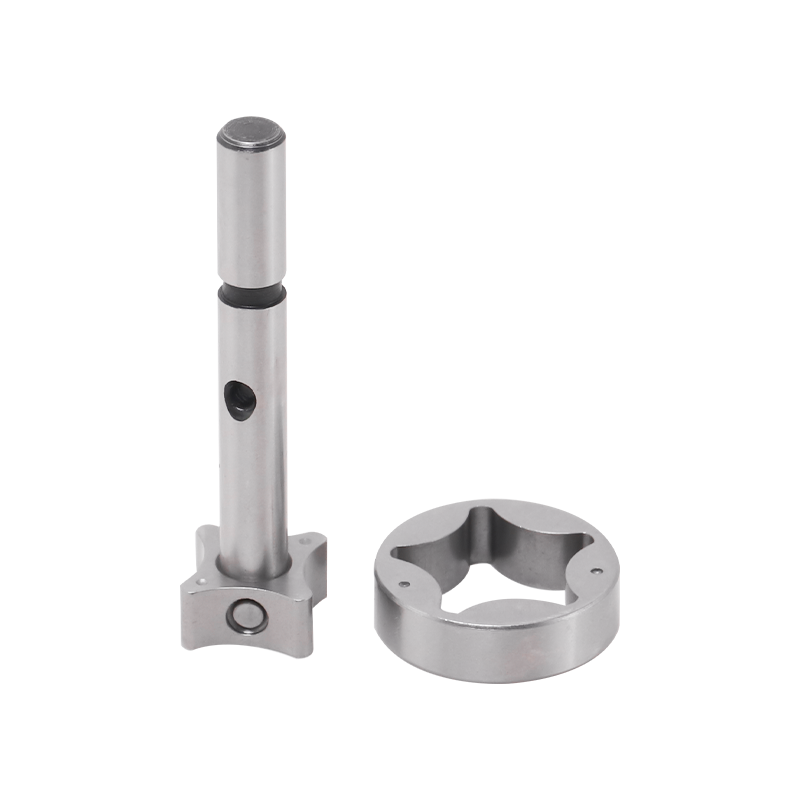
In a water-cooled diesel engine, a liquid coolant circuit — typically a mixture of water and ethylene glycol antifreeze — absorbs heat from the cylinder block and head through a jacketing system and transfers it to the radiator for rejection to the atmosphere. This architecture has two major implications for oil pump selection that directly contrast with air-cooled requirements.
The coolant circuit stabilizes cylinder wall and head temperatures within a much narrower operating band — typically maintained by a thermostat at 80–95°C coolant outlet temperature. This more controlled thermal environment means that oil temperatures, while still influenced by friction and combustion proximity, are moderated by the coolant's heat absorption. Oil sump temperatures in a water-cooled engine under normal operating conditions typically stabilize at 100–130°C, a range in which modern multi-grade oils maintain adequate viscosity without the same flow-rate compensation required in air-cooled designs.
Many water-cooled diesel engines also incorporate an oil-to-water heat exchanger (oil cooler) that actively transfers excess heat from the lubrication circuit into the coolant circuit. This additional cooling capacity reduces the reliance on high oil flow rates for thermal management and allows the oil pump to be sized primarily for lubrication requirements rather than heat dissipation, resulting in a more efficient overall system with lower parasitic power losses from oil pumping.
The following table summarizes the principal oil pump selection differences between the two engine types across the criteria most relevant to pump specification:
| Selection Factor | Air-Cooled Diesel Engine | Water-Cooled Diesel Engine |
|---|---|---|
| Primary oil function | Lubrication + heat removal | Primarily lubrication |
| Required flow rate | Higher (thermal compensation) | Lower (coolant handles heat) |
| Typical sump oil temp. | 130–160°C | 100–130°C |
| Oil viscosity grade | SAE 40 / 15W-40 typical | SAE 5W-30 to 15W-40 |
| Pressure relief valve | Higher setting required | Standard setting typical |
| Oil cooler integration | Uncommon / air-fin cooler only | Common (water-oil exchanger) |
| Variable displacement pump | Rare | Increasingly standard |
Mismatching oil pump specification to engine cooling architecture is one of the more common sources of premature engine wear in field-serviced diesel equipment. The errors tend to follow predictable patterns for each engine type.
For air-cooled engines, the most frequent mistake is specifying an oil pump by displacement class alone without accounting for the elevated thermal flow requirement. A pump that delivers adequate pressure at rated RPM may provide insufficient flow at the reduced idle-equivalent speeds that occur during variable-load operation — for example, in a diesel generator set running at 40–60% of rated load for extended periods. In this condition, the engine is producing heat but the pump is not delivering the flow volume required to maintain adequate oil film renewal at the hottest cylinder locations.
For water-cooled engines, a common error involves installing a higher-flow pump from an air-cooled application as a substitute part. While this may appear to provide additional safety margin, an oversized pump creates excessive oil gallery pressure that accelerates wear on shaft seals, increases the load on the pressure relief valve (which must now open more frequently to bypass surplus flow), and can cause oil aeration through turbulent sump return — all of which reduce rather than improve lubrication quality.
The following guidelines apply when selecting or specifying a replacement or upgrade oil pump for either engine cooling architecture:
The oil pump is a low-cost component relative to the engine it protects, but the consequences of misselection are expensive and often irreversible. Matching pump specification to cooling architecture is not an optional refinement — it is a fundamental requirement of correct diesel engine service practice.
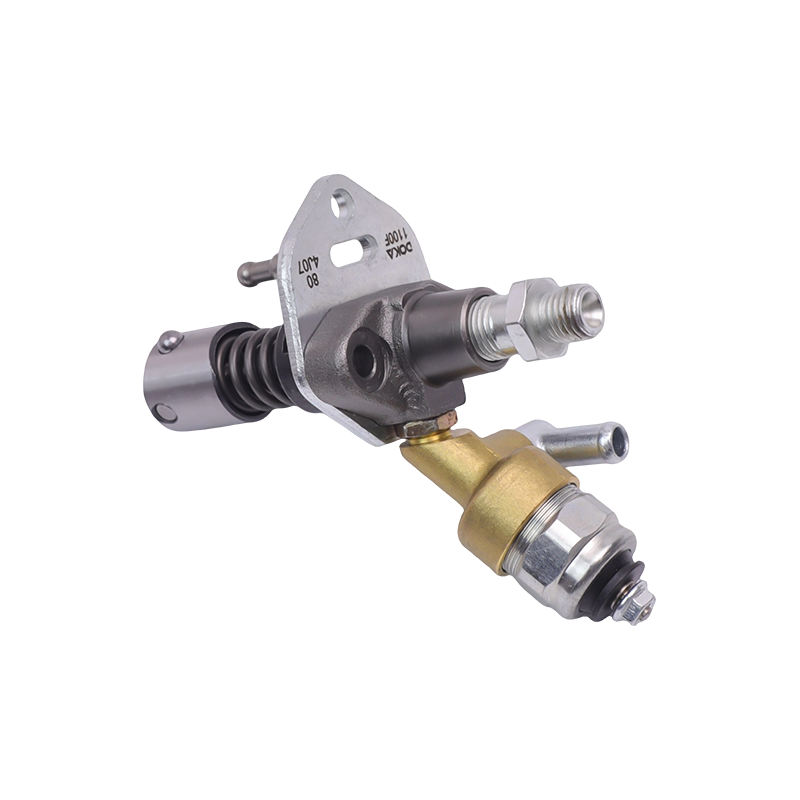
The 1100F solenoid-valve-type Fuel Injection Pump is engineered for the Yanmar-s...
See Details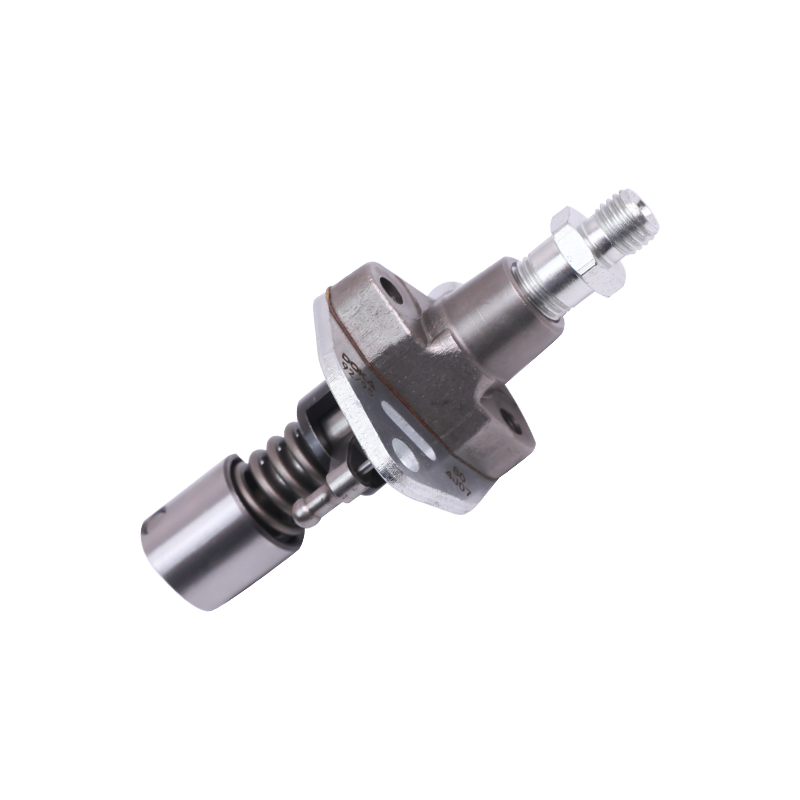
The 192F roller-type Fuel Injection Pump is designed for Yanmar-series KD192F an...
See Details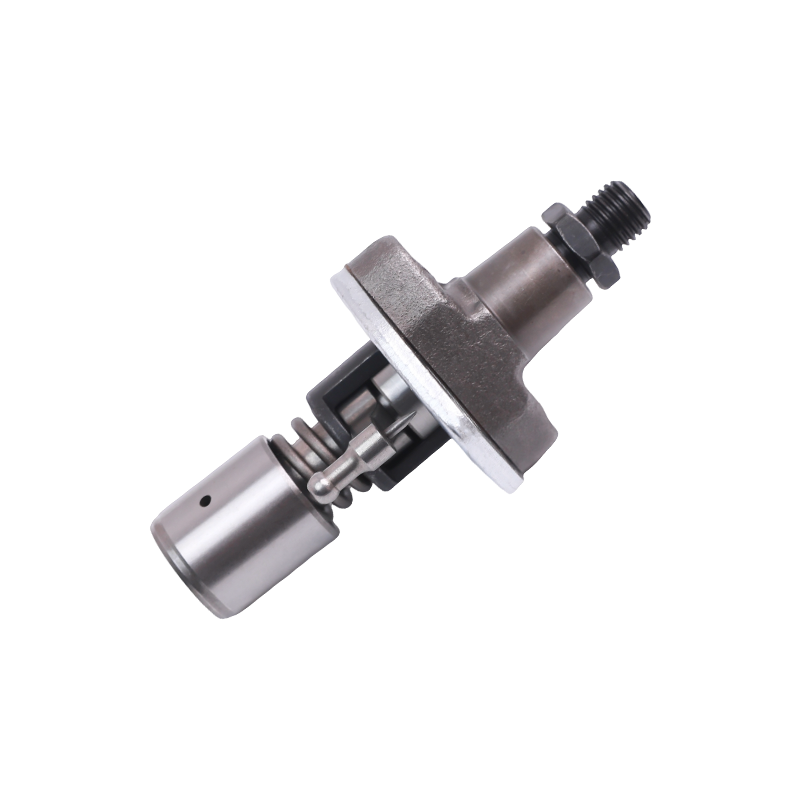
The 192F Fuel Injection Pump is engineered for Yanmar-series KD192F and KD192FE ...
See Details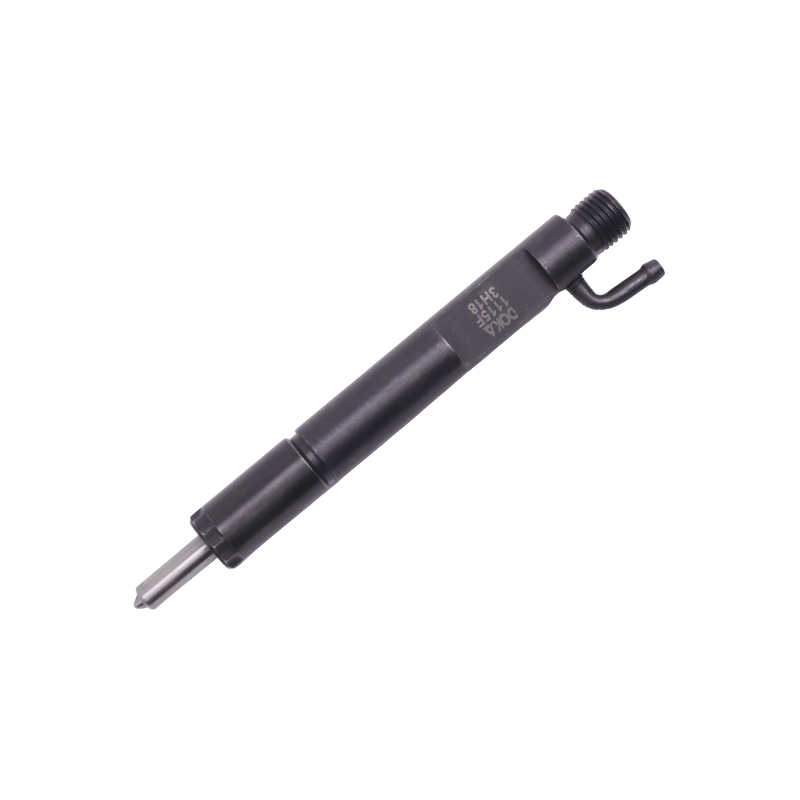
The 1115F fuel injector is designed for 1115 single-cylinder diesel engines, fea...
See Details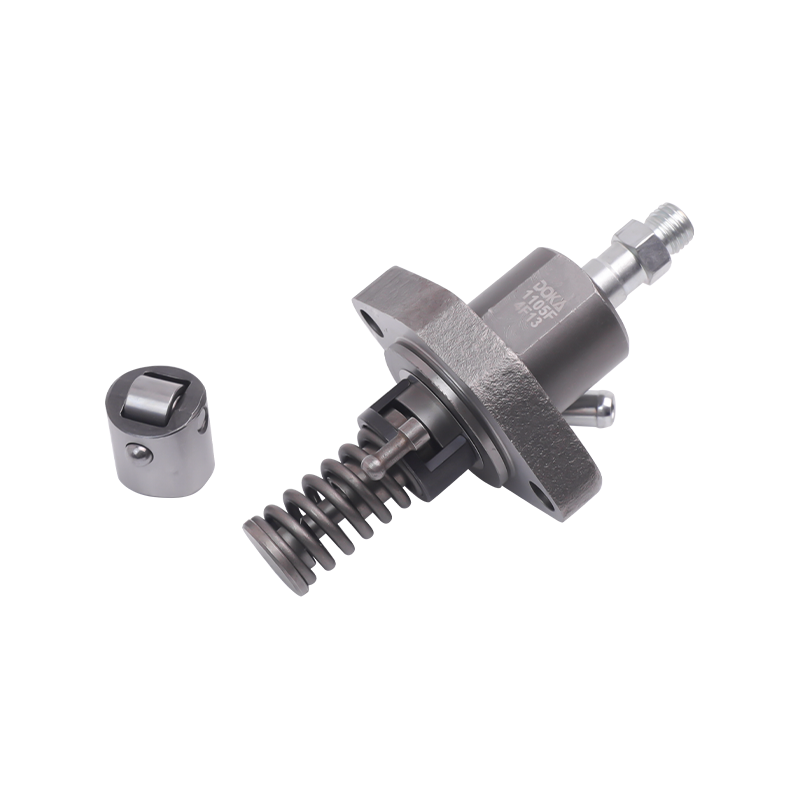
The 1115F fuel injection pump is specifically designed for 1115 single-cylinder ...
See Details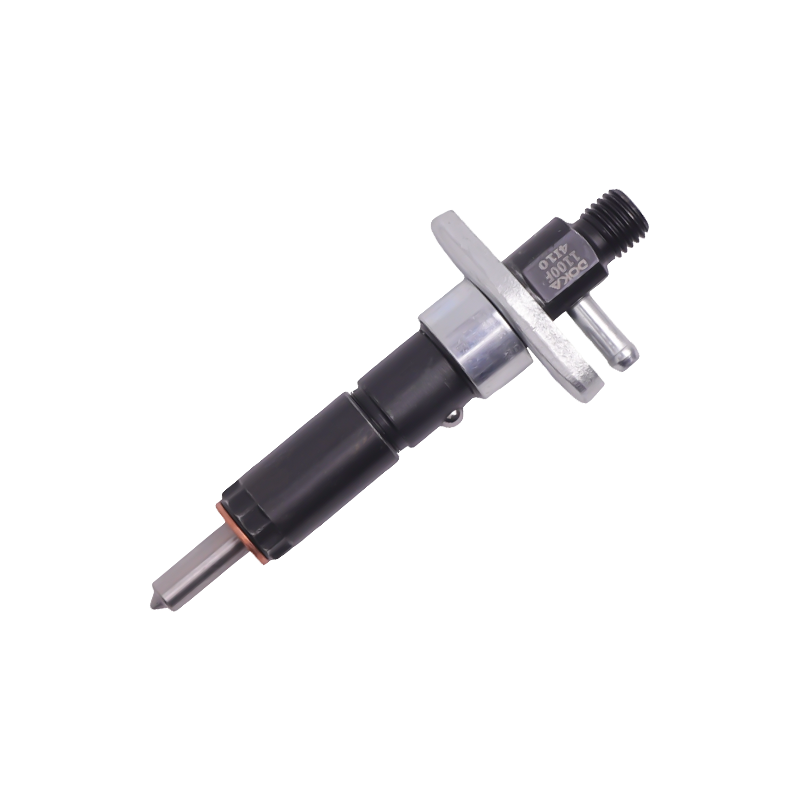
The 1100F fuel injector is specifically designed for the direct injection system...
See Details