中文
中文 English
 русский
 Español
News
Excellent product with exquisite craftsmanship.

 sales2@wxdoka.com
 +86-15190391637
 No.18 Xiangge Road, Hudai Town, Binhu District, Wuxi, China
Content
Diesel fuel injectors are a critical component of a diesel engine’s fuel system, responsible for delivering precise amounts of fuel directly into the combustion chamber. Their performance directly affects engine efficiency, fuel consumption, emissions, and overall reliability. Understanding how these injectors work and why they matter is essential for both vehicle owners and mechanics.
Diesel fuel injectors operate under high pressure to atomize diesel fuel and spray it into the combustion chamber at the correct moment. This ensures optimal combustion, maximizing power output while minimizing fuel wastage and emissions. Modern engines often use advanced electronic controls to regulate injection timing and quantity, allowing for improved performance and efficiency.
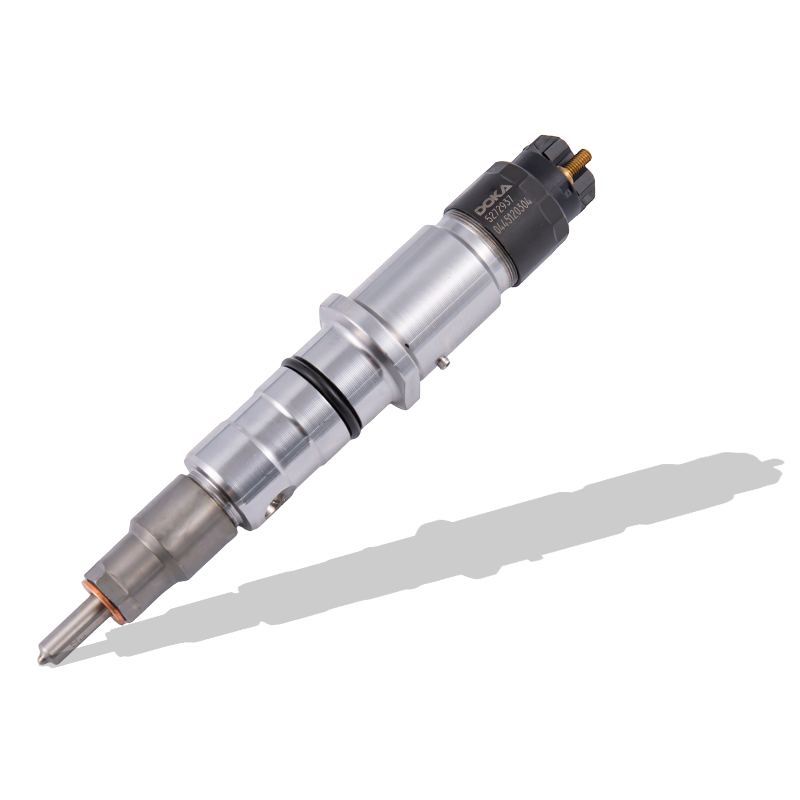
Mechanical injectors rely on cam-driven pumps and precise mechanical timing to inject fuel, while electronic injectors use sensors and electronic control units (ECUs) to manage injection timing and volume. Electronic injectors offer better fuel efficiency, lower emissions, and more precise control, but mechanical injectors are simpler and easier to maintain in older engines.
Diesel injectors come in several types depending on the engine design and performance requirements. Choosing the right type affects fuel efficiency, engine responsiveness, and maintenance requirements.
| Injector Type | Application | Advantages | Considerations |
|---|---|---|---|
| Common Rail Injector | Modern diesel engines | High precision, low emissions, better fuel economy | Requires high-pressure fuel pump and ECU control |
| Unit Injector | Heavy-duty engines | Durable, integrated pump and injector | Less flexible than common rail systems |
| Mechanical Injector | Older diesel engines | Simple design, easy maintenance | Lower precision, higher emissions |
Detecting injector problems early can prevent engine damage and costly repairs. Common signs include rough idling, decreased fuel efficiency, increased smoke, and difficulty starting the engine. Listening for unusual engine noises and monitoring performance are practical ways to identify issues before they become severe.
Efficient fuel injection ensures complete combustion, which directly impacts engine power, fuel consumption, and emissions. Properly functioning injectors help achieve optimal fuel atomization and timing, reducing unburned fuel and smoke. This not only saves fuel costs but also contributes to meeting environmental standards.
Well-maintained injectors support smoother engine operation, consistent power delivery, and improved responsiveness. Engine tuning and injector calibration further enhance performance, making diesel fuel injectors a critical factor for overall vehicle reliability.
Diesel fuel injectors play a pivotal role in engine performance, efficiency, and emissions control. Understanding their function, types, and maintenance requirements ensures that your diesel engine runs smoothly and reliably. Regular inspection, proper maintenance, and timely replacement of injectors can prevent costly repairs and maximize engine longevity, making them an essential component in any diesel-powered vehicle.
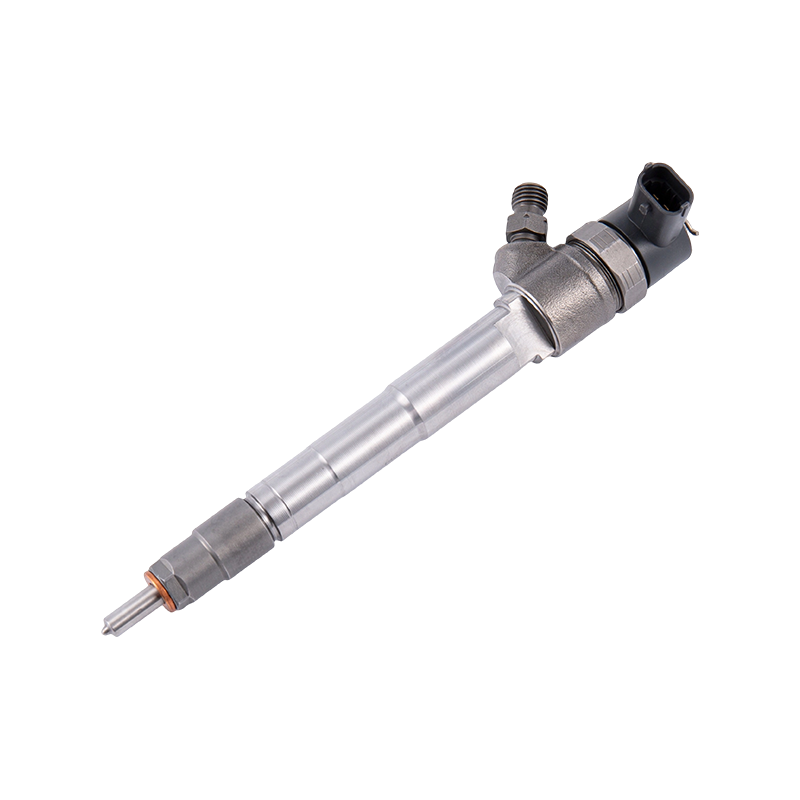
The 0445110376 common rail diesel injector is compatible with the Bosch CRI 110 ...
See Details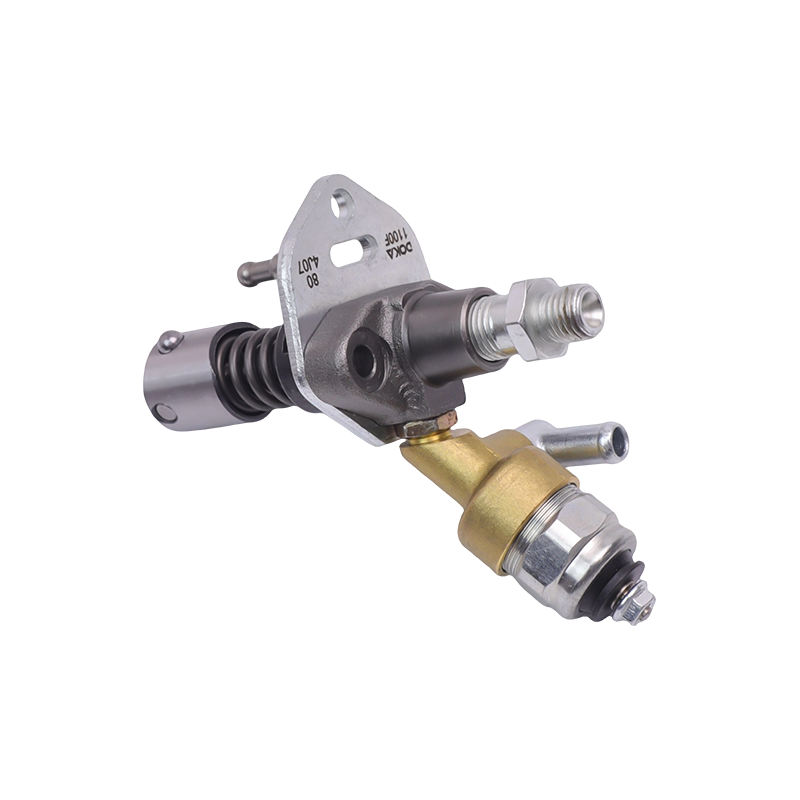
The 1100F solenoid-valve-type Fuel Injection Pump is engineered for the Yanmar-s...
See Details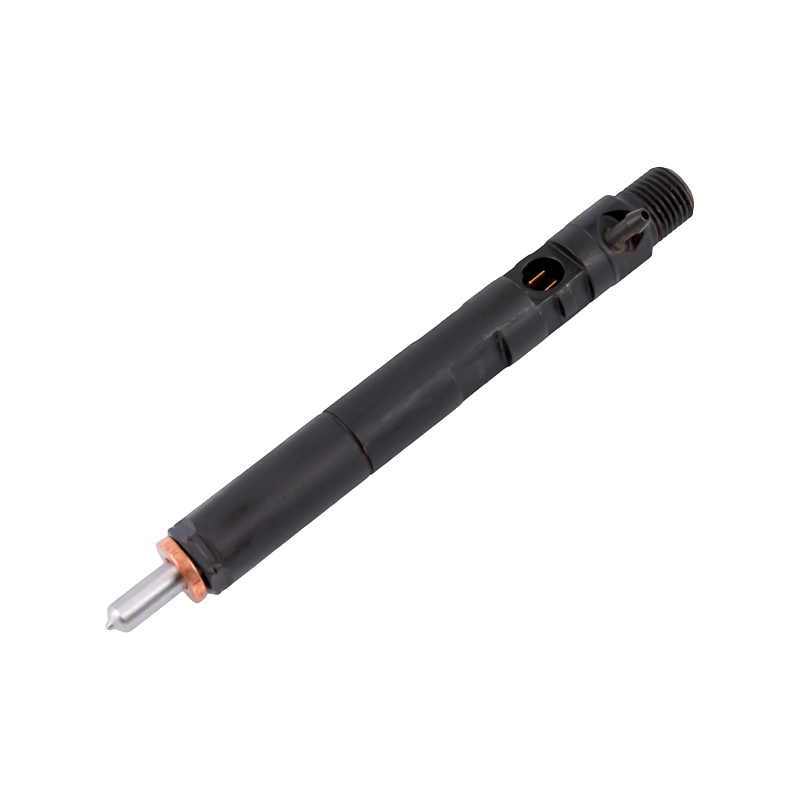
The product compatible with Delphi EJBR01801A fuel injector in the Multec Series...
See Details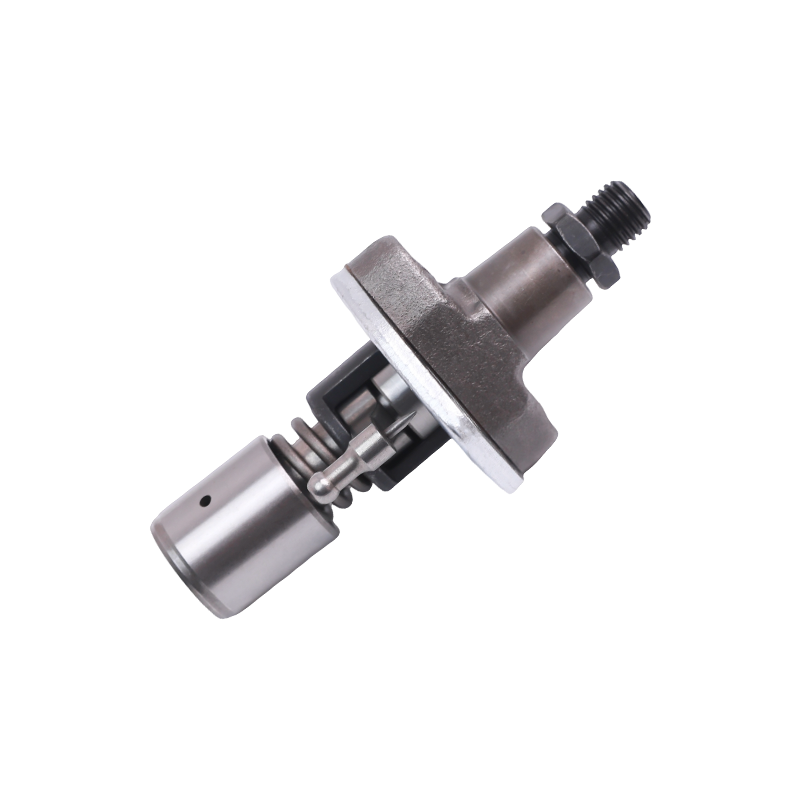
The 192F Fuel Injection Pump is engineered for Yanmar-series KD192F and KD192FE ...
See Details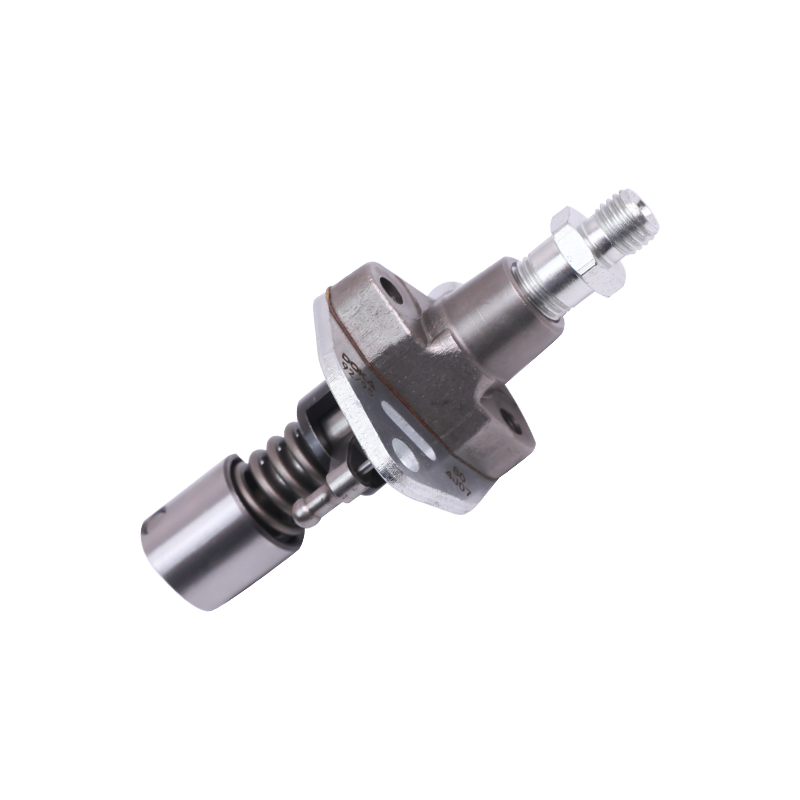
The 192F roller-type Fuel Injection Pump is designed for Yanmar-series KD192F an...
See Details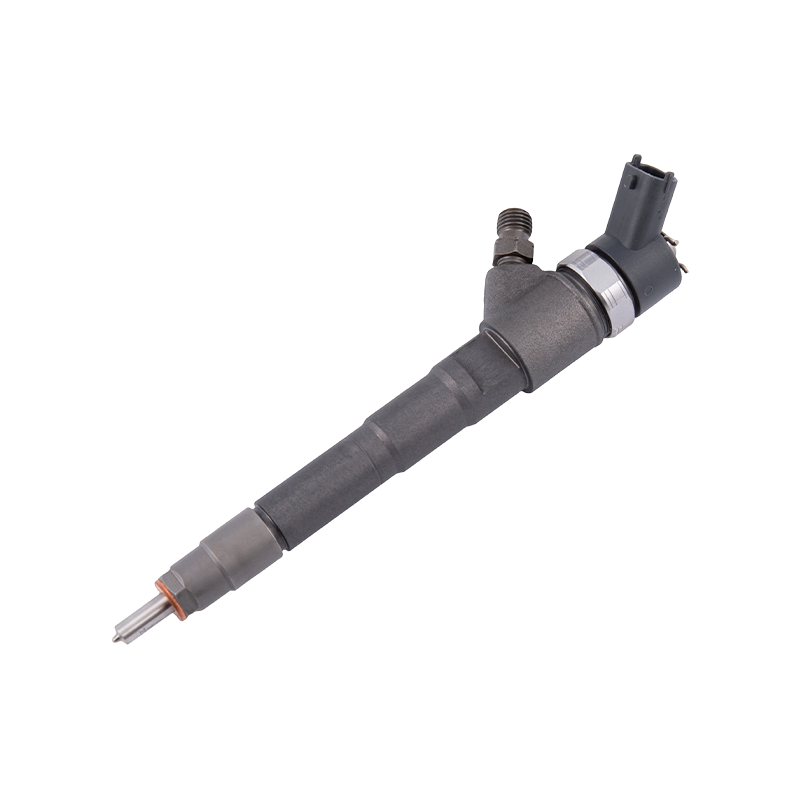
The 0445110273 common rail diesel injector is compatible with the Bosch CRI 110 ...
See Details