中文
中文 English
 русский
 Español
News
Excellent product with exquisite craftsmanship.

 sales2@wxdoka.com
 +86-15190391637
 No.18 Xiangge Road, Hudai Town, Binhu District, Wuxi, China
High-pressure fuel injectors are precision valves that deliver metered fuel into an engine's combustion chamber or intake port at pressures far higher than older injection systems. They are a core part of modern direct-injection and common-rail systems in both diesel and gasoline engines. This article explains exactly what a high-pressure fuel injector is, how it operates step by step, its major components, common failure modes, diagnostic checks, and practical maintenance and selection advice for technicians and performance-minded owners.
Content
A high-pressure fuel injector is an electronically or piezo-actuated nozzle that opens and closes rapidly to inject pressurized fuel into the combustion area. Unlike low-pressure port-injection systems, high-pressure injectors operate at very high pressures generated by a dedicated high-pressure pump or common rail. This elevated pressure enables much finer atomization, tighter spray control, and multiple injection events per combustion cycle — all of which improve combustion efficiency, emissions, and power delivery.
Understanding component roles clarifies how the injector converts a control signal into a precisely metered spray. Typical high-pressure injector components include the nozzle tip, valve needle, actuator (solenoid or piezo stack), return spring, and sealing elements. Each part must withstand high pressure, rapid cycling, and corrosive fuel chemistry.
Solenoid injectors use an electromagnetic coil to lift the valve needle when energized. Piezo injectors use electrically driven ceramic stacks that change dimension under voltage, producing faster response and finer control of short-duration pulses. Piezo actuators excel at very short, high-frequency injection events; solenoids are robust and more common on cost-sensitive applications.
Nozzle design — number, size, and angle of orifices — determines spray pattern, penetration, and atomization quality. Multiple orifices produce distributed sprays that mix fuel more evenly with air; a single-hole, high-velocity jet can be used for deep-penetration strategies. Precision machining and tight tolerances are required to maintain consistent flow and avoid irregular combustion or soot formation.
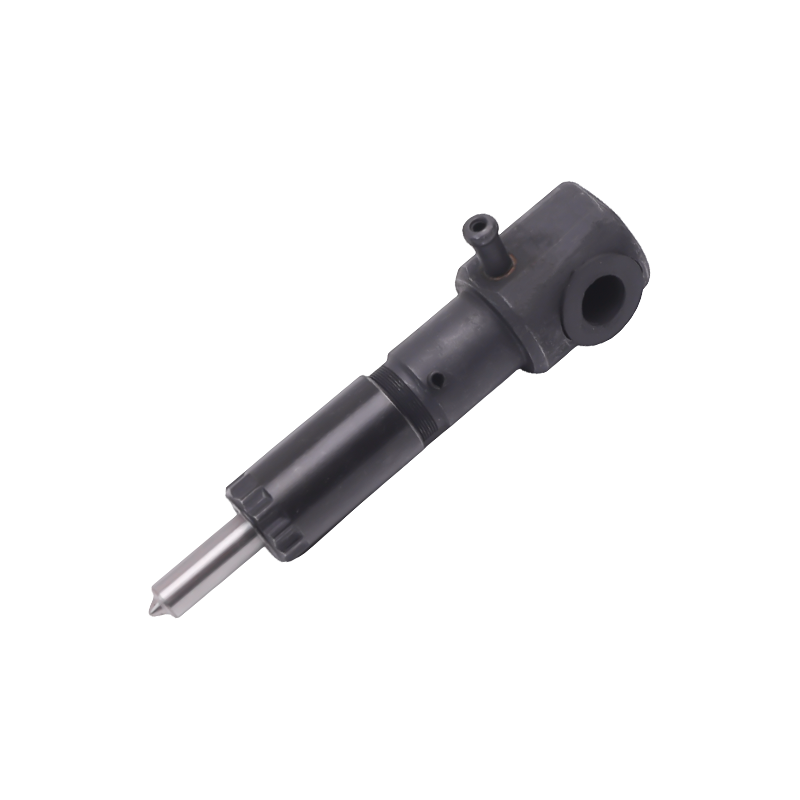
Injector operation is a fast sequence coordinated with engine timing. The control unit (ECU) commands the injector to open for a precise duration while the high-pressure rail supplies fuel at target pressure. The timing, duration, and pressure together determine the injected mass and the resulting air–fuel ratio in the cylinder.
When the ECU signals an injection, the actuator overcomes the spring and seating forces to lift the needle off its seat. High-pressure fuel accelerates through orifices and atomizes into small droplets. The needle reseats when the signal ends and the spring/pressure closes the valve. Modern systems often perform pilot, main, and post injections within a single combustion cycle for smoother combustion and emissions control.
Two variables primarily control fuel mass delivered: rail pressure and injector open time (pulse width). Increasing rail pressure increases fuel density and atomization, so for the same pulse width more mass is delivered. Precise, repeatable control requires accurate pressure sensors and injectors with tight flow tolerances.
Finer atomization increases surface area and improves mixing with air, enabling more complete combustion, lower particulate emissions, and better responsiveness. Spray pattern controls where fuel is deposited relative to the piston crown and swirl fields; incorrect patterns cause wall wetting, misfires, or higher soot production.
High-pressure injectors fail due to mechanical wear, internal leakage, clogged orifices, electrical faults in the actuator, or contamination from degraded fuel. Symptoms manifest as rough idle, loss of power, poor fuel economy, smoke or high particulate output, and fault codes logged by the ECU.
Diagnosing injector problems combines electrical checks, flow and leak tests, and on-vehicle observations. Use a structured approach to isolate injector faults from related systems like fuel pressure, ignition, or air intake.
Regular maintenance — quality fuel filtration, periodic fuel-system cleaning, and prompt replacement of leaking seals or damaged injectors — extends service life. When replacement is needed, match flow characteristics, injector impedance/type, and connector pinout to the vehicle's specifications to avoid drivability issues.
OEM injectors typically match original flow rates and electrical characteristics exactly. Premium aftermarket injectors can equal OEM quality but require careful verification of flow rate, spray pattern, and compatibility with the vehicle's ECU calibration. Low-cost aftermarket parts may have inconsistent flow tolerances and can introduce new problems.
The table below summarizes practical characteristics to compare when assessing or selecting high-pressure injectors. Values are illustrative of typical ranges used in modern systems; always verify exact specifications for your engine model.
| Characteristic | Common Range / Note |
| Rail Pressure | System-specific — modern common-rail systems operate at very high pressure to enable fine atomization. |
| Actuator Type | Solenoid or Piezo — affects response time and pulse control. |
| Flow Consistency | Critical — matched injectors should have minimal deviation in flow at test conditions. |
When working with high-pressure fuel injectors, prioritize safety and cleanliness: relieve system pressure before service, keep contaminants away from rail and injector openings, and use calibrated test equipment for flow and leak checks. Replace seals and O-rings whenever an injector is disturbed. For performance changes, adjust calibration only after verifying injector flow and spray characteristics to maintain emissions compliance and engine reliability.
By understanding the injector's mechanical and electrical behavior — and routinely testing both — you can identify faults early, select appropriate replacements, and ensure the fuel system continues to deliver efficient, clean combustion.
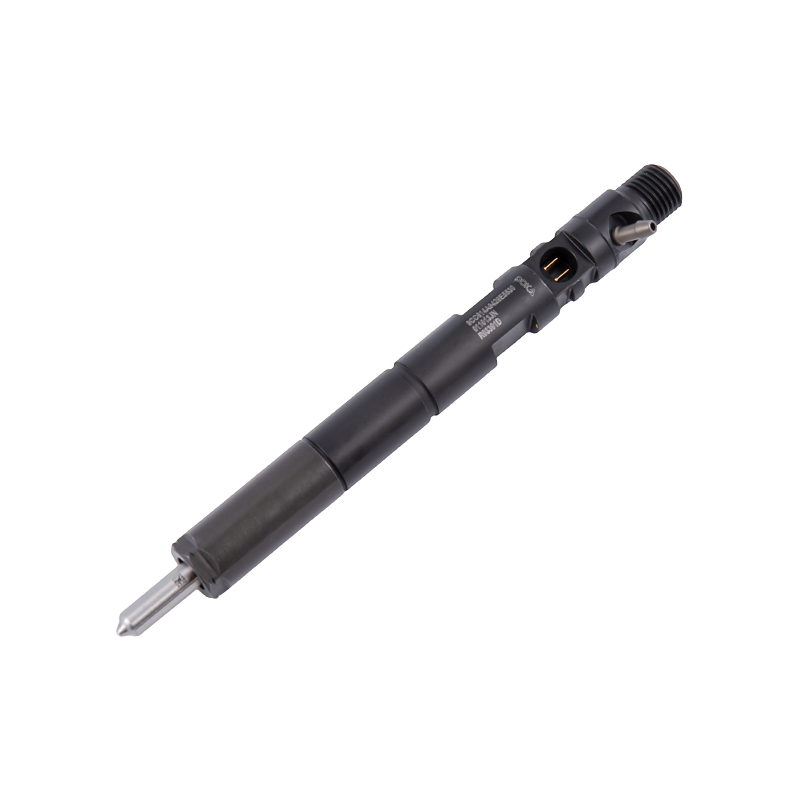
The product compatible with Delphi EJBR03301D fuel injector from the Multec Seri...
See Details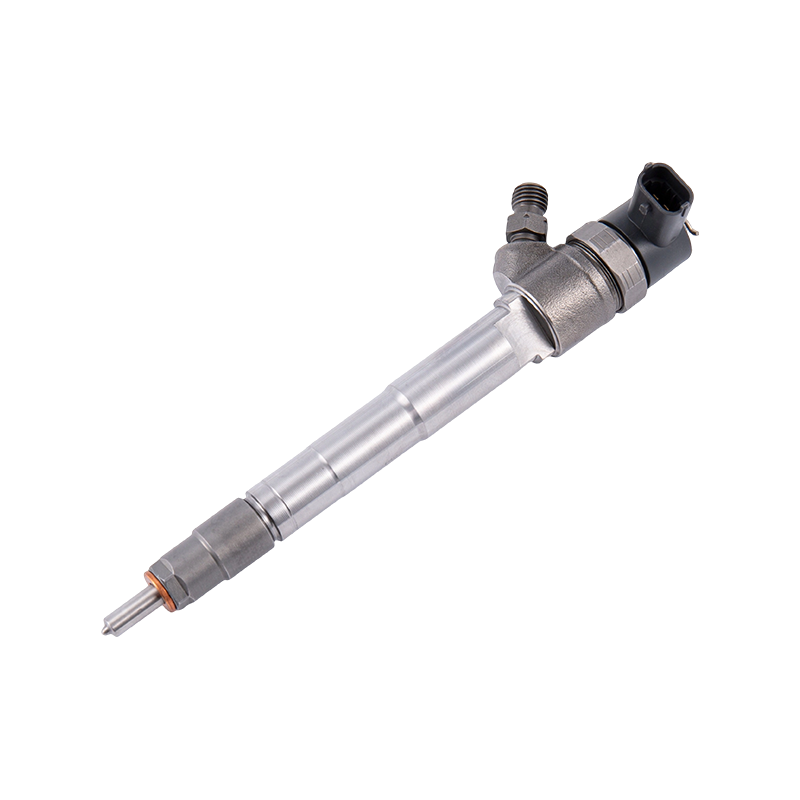
The 0445110376 common rail diesel injector is compatible with the Bosch CRI 110 ...
See Details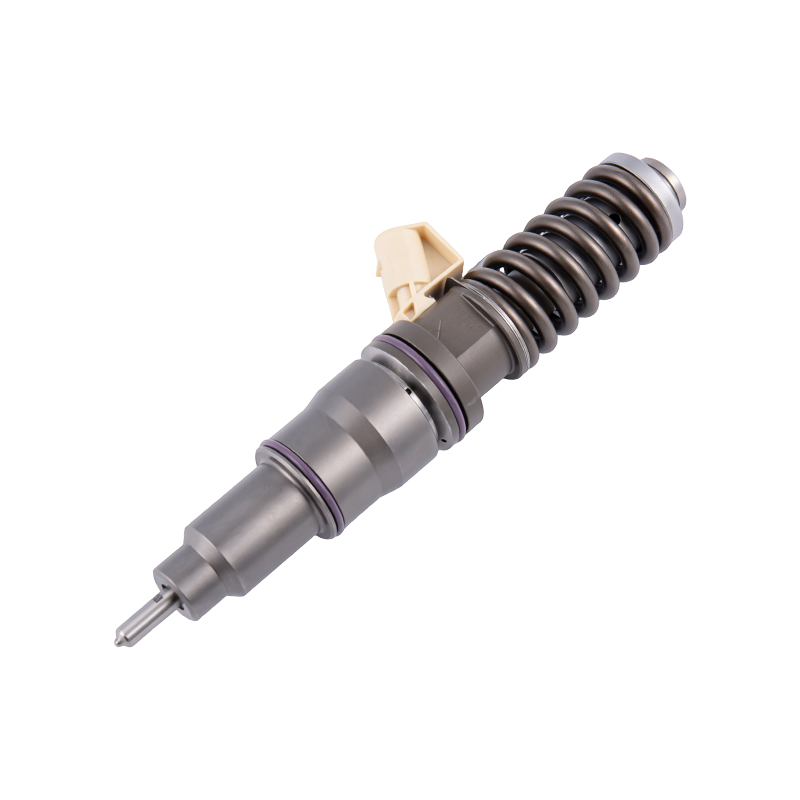
The product compatible with Delphi 20440388 fuel injector from the HDU Series is...
See Details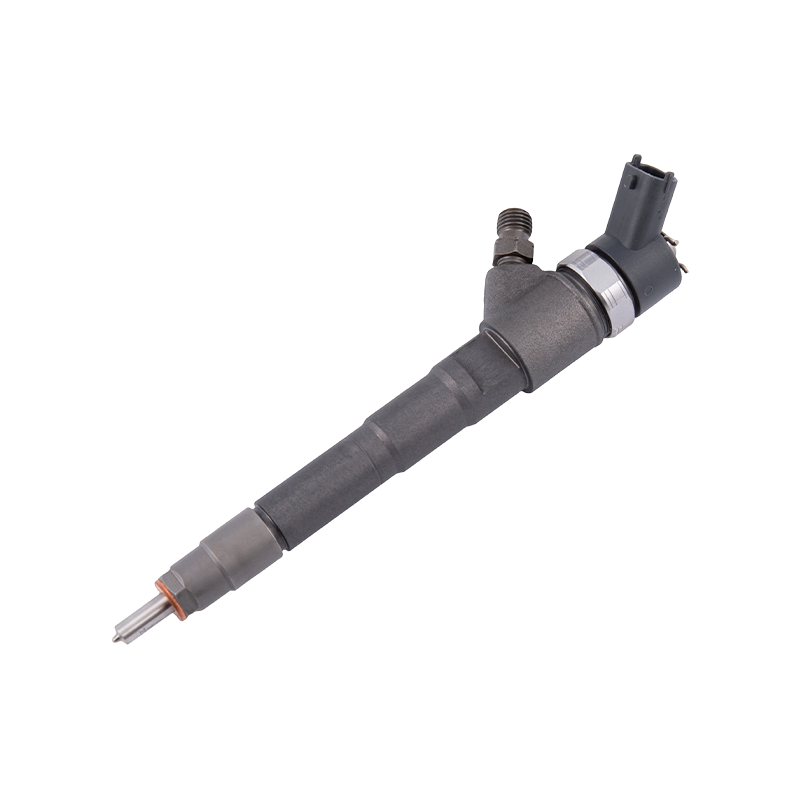
The 0445110273 common rail diesel injector is compatible with the Bosch CRI 110 ...
See Details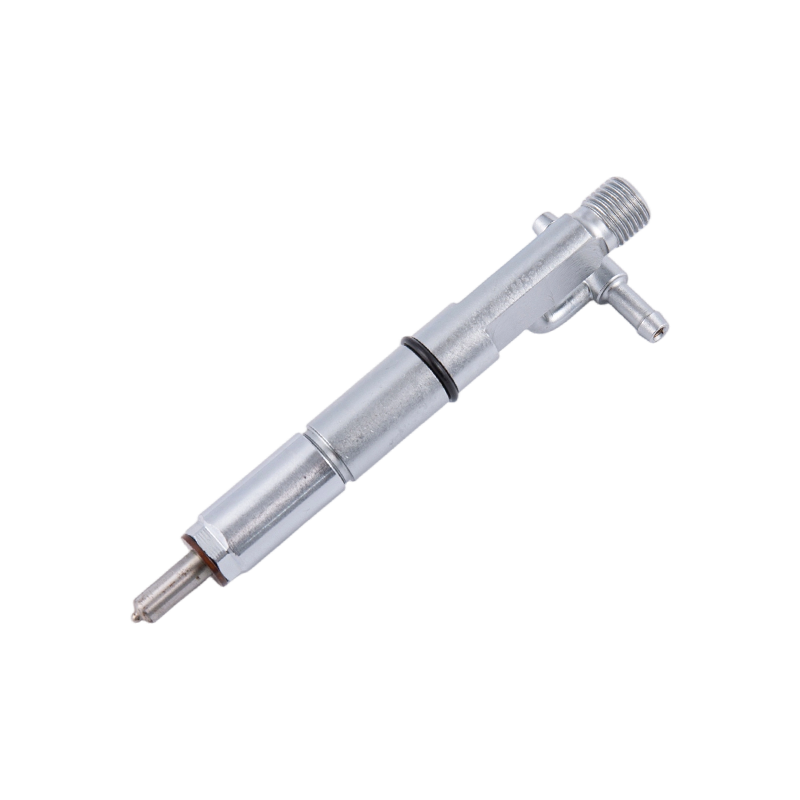
The product compatible with DENSO 093500-7500 fuel injector—part of the X1 Serie...
See Details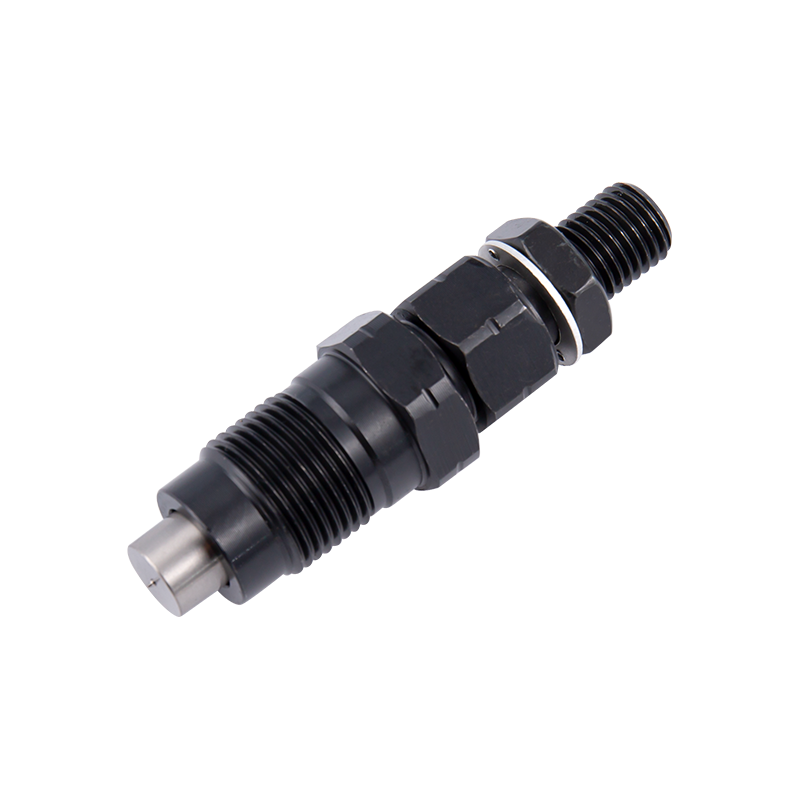
The product compatible with DENSO 093500-5700 fuel injector from the X1 Series i...
See Details