中文
中文 English
 русский
 Español
News
Excellent product with exquisite craftsmanship.

 sales2@wxdoka.com
 +86-15190391637
 No.18 Xiangge Road, Hudai Town, Binhu District, Wuxi, China
If you work around diesel engines long enough, the phrase "cat heui" eventually turns up in a conversation about hard starting, rough idling, or a sudden loss of power under load. HEUI is a system that rewards a little understanding. Once you know how engine oil and diesel fuel cooperate inside the injector, the symptoms stop being mysterious and start pointing to a specific component.
At Wuxi DOKA CNC Technology, we have spent more than 15 years manufacturing and supplying fuel injection components, including a complete line of Caterpillar HEUI injectors. This guide collects what our engineers, our test benches, and our customers have taught us about how the system works, how it wears out, and when repair makes more sense than replacement.
Content
HEUI stands for Hydraulically Actuated Electronically Controlled Unit Injector. The name is a compact description of the design: a unit injector that is driven by hydraulic pressure and timed by electronics rather than by a mechanical camshaft lobe.
When the system appeared in the mid-1990s, engineers wanted electronic injection timing and very high injection pressure without adding a conventional high-pressure fuel rail. Their answer was to use the engine's own lubricating oil as the hydraulic medium. That single decision shapes almost everything about how these injectors behave in service, and it explains why oil quality matters as much as fuel quality on any engine that uses them.
You will find HEUI injectors across a wide range of Caterpillar engine families, from the 3126 and C7/C9 platforms used in trucks and construction equipment to larger industrial and marine applications. Part numbers and calibrations differ, but the operating principle stays the same.
Engine oil is pressurized by a high-pressure oil pump to as much as 3,000 psi and stored in a high-pressure oil rail. That oil is the energy source for injection. Because oil does the heavy lifting, its viscosity, cleanliness, and freedom from aeration directly affect injection quality.
The engine control module decides when to inject and how long the event should last. It sends a command to the solenoid at the top of the injector, which opens an internal valve and admits high-pressure oil into the intensifier chamber.
Inside the injector, a piston with a large surface area pushes down on a much smaller plunger. The difference in area multiplies oil pressure by roughly seven times, so 3,000 psi of oil can generate injection pressures in the range of 20,000 to 23,000 psi at the nozzle, depending on the application.
Low-pressure fuel fills the plunger chamber through a supply passage. As the plunger descends, it pressurizes that fuel and forces it through the nozzle, where it atomizes into the combustion chamber. When the solenoid closes, oil returns to the crankcase, the plunger retracts, and the injector recharges for the next event.
These injectors rarely fail without warning. Most give a progression of clues that experienced owners and technicians learn to recognize:
Any single item on that list deserves investigation. Two or three together usually mean the injector is no longer delivering fuel the way the control module expects.
The table below maps the most common complaints to the faults that most often produce them. Treat it as a starting point for diagnosis, not as a substitute for testing.
| Complaint | Most Likely Cause | First Check |
|---|---|---|
| Long cranking, hard cold start | Leaking injector o-rings or low oil rail pressure | Oil rail pressure test with a mechanical gauge |
| Rough idle and single-cylinder misfire | Carbon-clogged nozzle or scored plunger and barrel | Cylinder contribution test and buzz test |
| Black smoke and low power under load | Poor atomization from a worn nozzle | Nozzle spray pattern check on a bench |
| Rising oil level with a diesel smell | Failing injector body seals | Oil analysis plus o-ring inspection |
| Oil in the fuel or fuel in the oil return | Internal seal failure inside the injector | Bench test and pressure decay check |
Work through the system in order. Chasing the injector first is the fastest way to replace a part that was never the problem.
In practice, the decision comes down to where the wear is. O-rings, copper washers, and external seals are serviceable items and can often be renewed without pulling the whole assembly out of the engine bay. Internal wear on the plunger, barrel, intensifier piston, or nozzle is a different matter. Once those surfaces are scored or eroded, no seal kit will restore the original calibration.
Two practical signals point toward replacement. First, the injector fails a bench test or loses pressure faster than specification allows. Second, the same cylinder keeps returning with the same complaint after a seal refresh. When either happens, a fresh assembly is usually cheaper than the downtime.
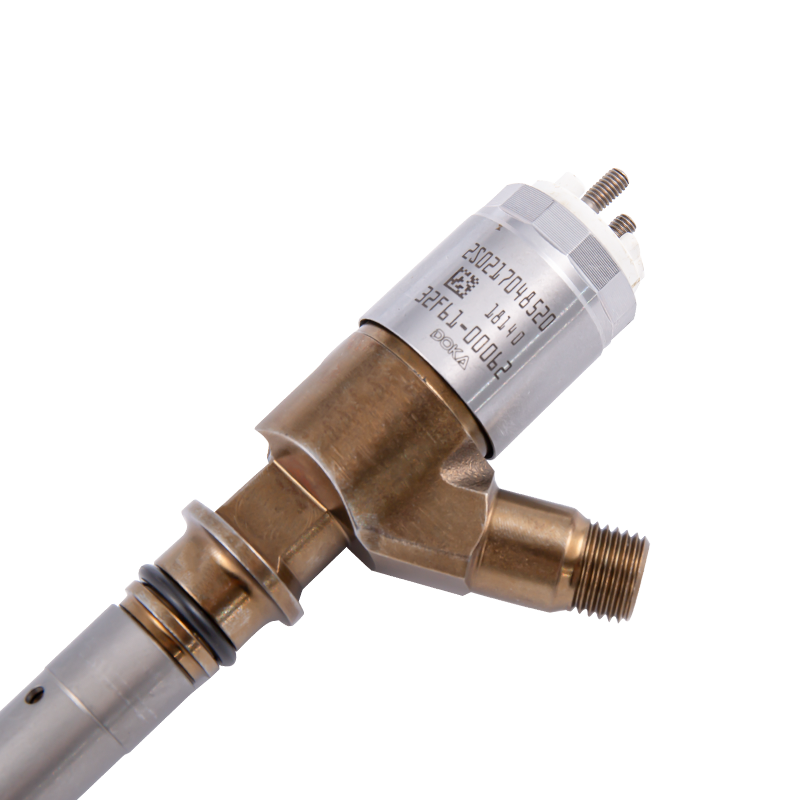 Compatible with Caterpillar HEUI series fuel injector C6-212-3460 – suitable for C6.6 / C7Compatible with Caterpillar HEUI series fuel injector CAT C6-212-3460, suitable for C6.6 and C7.1 diesel engines that meet Tier 3 emission standards, commonly found in...View Product →
HEUI injectors are not interchangeable across engine families, and often not across calibrations within the same family. Before ordering, confirm the part number stamped on the injector body, the engine serial number, and the application. Two units that look identical from the outside can carry different plunger and nozzle specifications.
It also pays to inspect the surrounding components while the injector is out. Worn or contaminated valve assemblies and oil-side parts will shorten the life of a brand-new injector, so renewing them at the same time avoids a repeat visit.
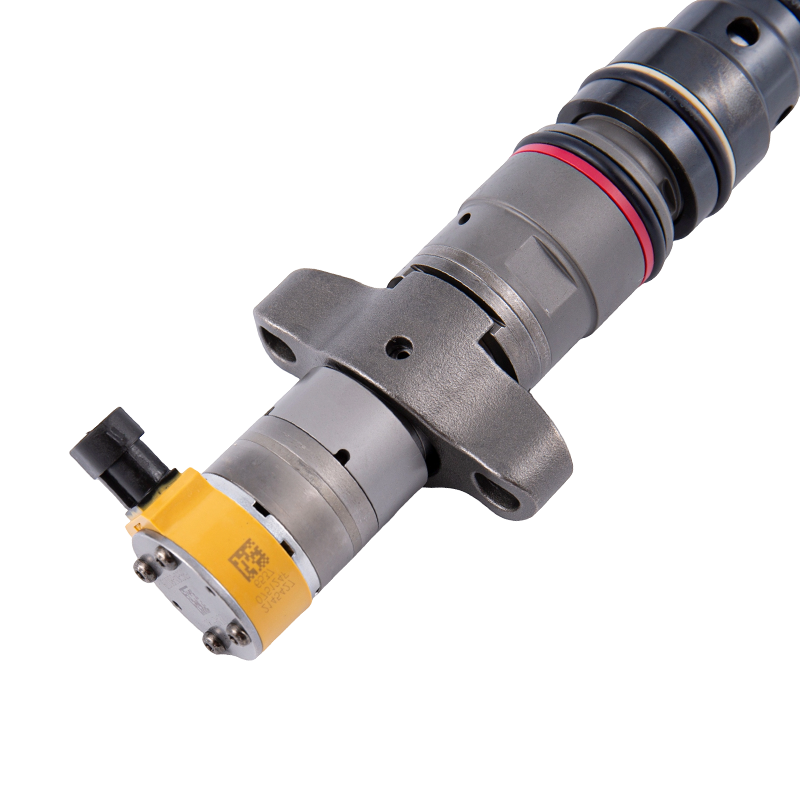 Compatible with Caterpillar HEUI series fuel injector C9-387-9433 – suitable for C9/C9.3 tThe injector is compatible with Caterpillar HEUI series injector CAT C9-387-9433 and is suitable for C9/C9.3 diesel engines under the Tier 4 Final emission standard. I...View Product →
Because engine oil is the hydraulic medium, oil discipline is injector maintenance. Everything that keeps oil clean, cool, and correctly specified also protects the injectors.
If you would like a deeper walkthrough of these checks, our HEUI fuel system maintenance guide covers the procedures step by step.
For fleets and repair shops, downtime is the real cost. Holding one correctly specified HEUI injector for each common engine family, along with o-ring kits, copper washers, and a spare injection pressure regulator, turns a two-day parts order into a same-day repair.
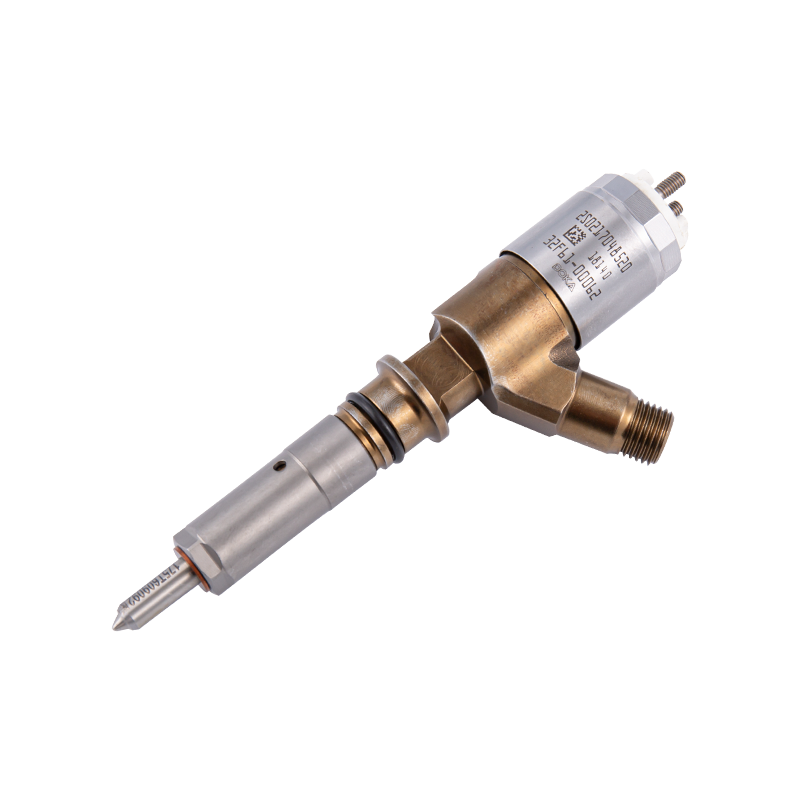 Cater-pillar HEUI Fuel Injectors SuppliersThe Caterpillar HEUI (Hydraulic Electronic Unit Injector) series adopts a proprietary medium-pressure common rail hydraulic drive architecture, specifically developed ...View Product →
For more than 15 years our team in Wuxi has built fuel injection components on a flexible production line that produces nozzles, plungers, and delivery valves side by side. Every HEUI assembly we ship is validated on the bench and inspected for fit before it leaves the factory, with an annual installation volume of more than 1.2 million units behind it.
If you are not certain which injector suits your engine, send us the part number on the old unit and the engine serial number. That is usually all we need to point you to the right replacement and the seals that should go with it.

Compatible with Caterpillar HEUI series fuel injector CAT C6-212-3460, suitable ...
See Details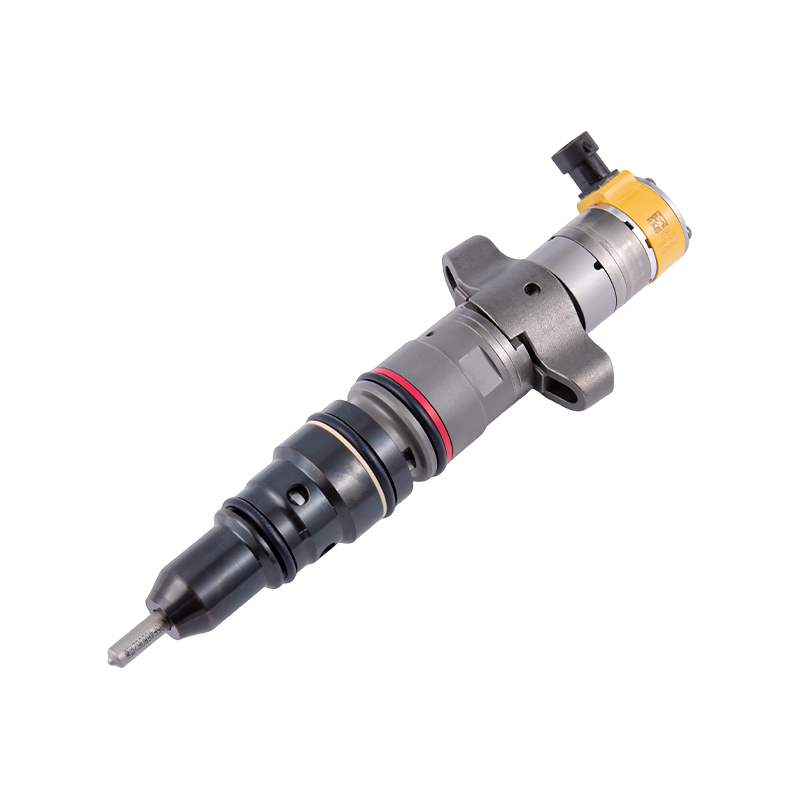
The injector is compatible with Caterpillar HEUI series injector CAT C9-387-9433...
See Details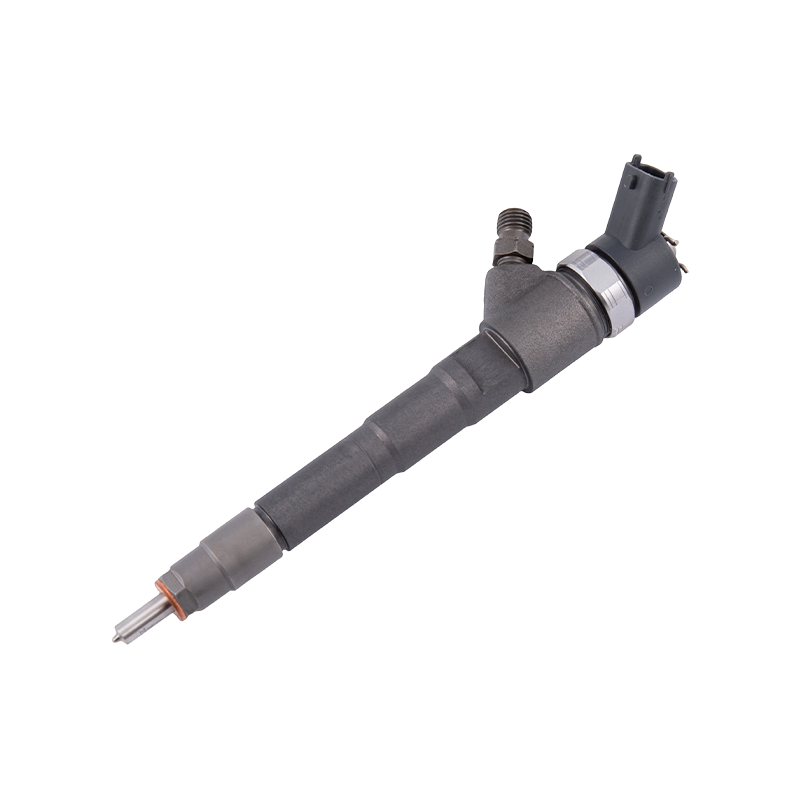
The 0445110273 common rail diesel injector is compatible with the Bosch CRI 110 ...
See Details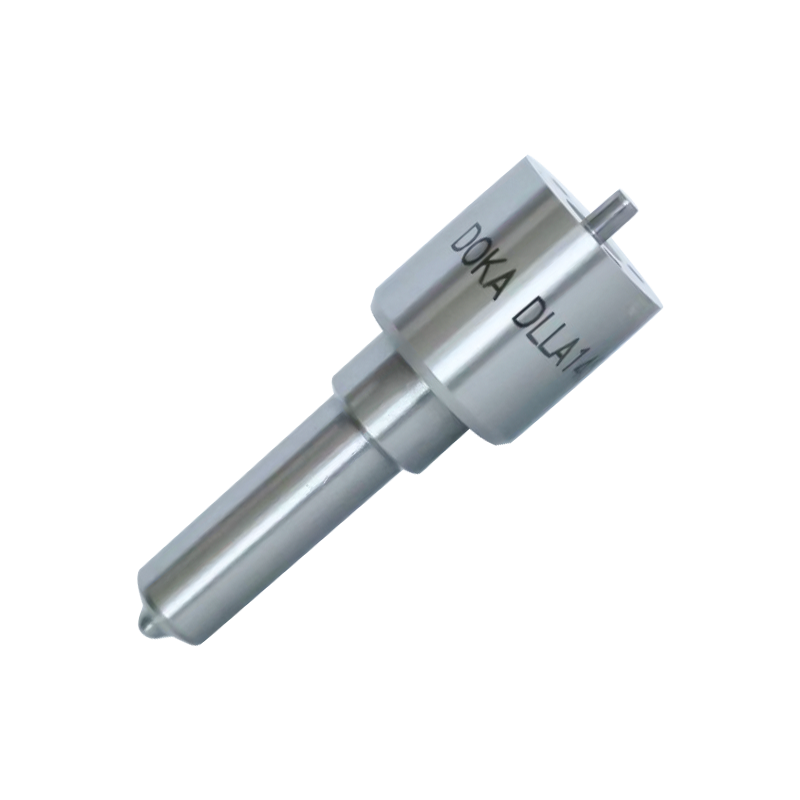
The DLLA153P884 Common Rail Fuel Nozzle is manufactured using advanced technolog...
See Details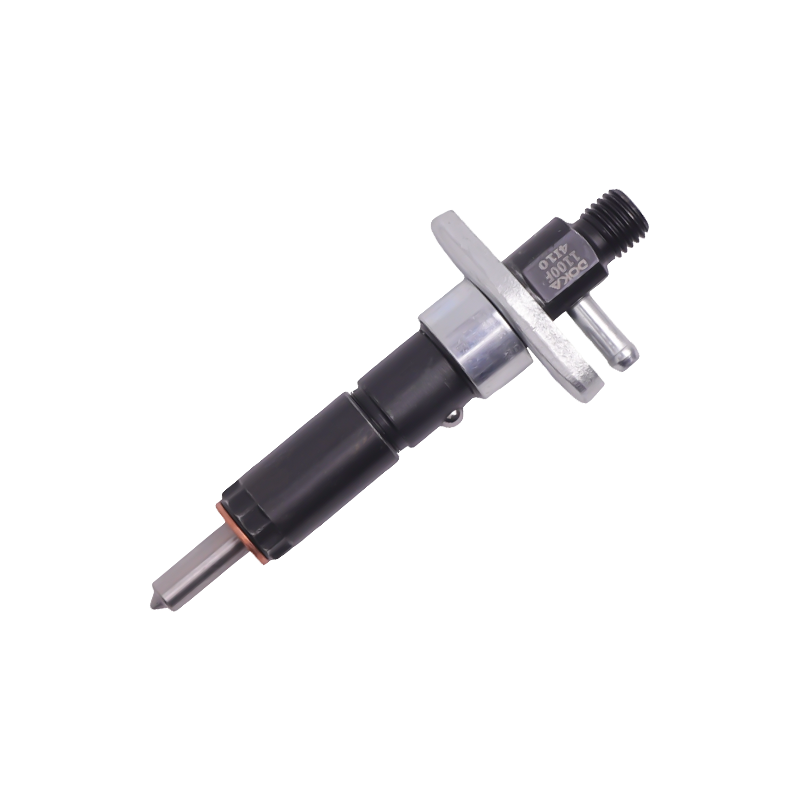
The 1100F fuel injector is specifically designed for the direct injection system...
See Details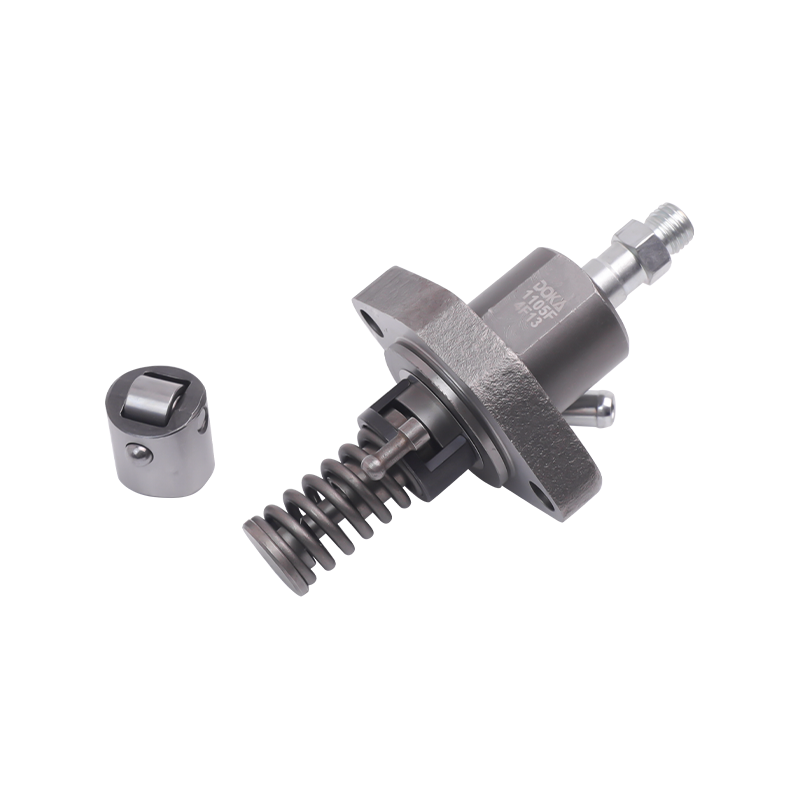
The 1115F fuel injection pump is specifically designed for 1115 single-cylinder ...
See Details