中文
中文 English
 русский
 Español
News
Excellent product with exquisite craftsmanship.

 sales2@wxdoka.com
 +86-15190391637
 No.18 Xiangge Road, Hudai Town, Binhu District, Wuxi, China
Common rail injectors are a primary control point for the combustion process. By precisely metering fuel mass, controlling injection timing, shaping spray pattern, and enabling multiple injection events per cycle, modern injectors directly influence formation of nitrogen oxides (NOx), particulate matter (PM), hydrocarbons (HC) and carbon monoxide (CO). This article focuses on concrete mechanisms by which injectors reduce emissions and the practical considerations for preserving those benefits in service.
Content
Precise control of start-of-injection (SOI) and end-of-injection (EOI) reduces overlap between fuel-rich and high-temperature zones that form NOx and PM. Common rail systems use an electronic high-pressure pump and fast-acting injectors to place small pilot injections before the main event, followed by post injections when needed. Pilot injections raise cylinder pressure slightly before the main injection, producing a softer pressure rise, reducing peak combustion temperature and limiting NOx formation. Post injections help oxidize soot in-cylinder or assist particulate oxidation downstream in the diesel particulate filter (DPF).
Fine atomization and an even spray distribution reduce local fuel-rich pockets where soot nucleates. Nozzle geometry (sac vs. sacless, number and angle of holes, hole diameter) and internal flow paths shape droplet size and penetration. Common rail injectors operate at very high injection pressures, which reduce droplet diameter and accelerate mixing with air; combined with optimized nozzle design, this lowers particulate formation at the source.
Common rail systems maintain fuel at very high pressures (hundreds of bar to over 2,000 bar depending on engine design). Higher rail pressure enables smaller, shorter injection pulses and tighter control of injected mass. The immediate benefits for emissions include improved mixing, reduced ignition delay (lower tendency for diffusion combustion), and the ability to execute multiple short injections with precise mass control. Overall, higher pressure widens the calibration window for balancing NOx and PM.
Injector actuation affects response speed and control resolution. Piezoelectric injectors react faster and with finer incremental control than conventional solenoid valves, allowing extremely short injection events and highly accurate metering. This capability supports advanced injection strategies (e.g., multiple micro-pulses) that reduce combustion transients and emissions. Solenoid injectors remain effective but may require different calibration approaches to achieve comparable multi-pulse precision.
Injector hardware must be paired with ECU maps that define quantity, timing, and sequencing for each operating point. Closed-loop systems use feedback from in-cylinder pressure sensors, exhaust oxygen (lambda) sensors, NOx sensors, or particulate sensors to adapt injection delivery. Dynamic calibration reduces transient spikes in emissions during load changes, cold start, or altitude shifts. Effective calibration translates injector capability into measurable emission reductions on the vehicle.
Injector performance degrades with nozzle wear, deposits, and contaminated fuel. Regular diagnostics — including balance tests, return-flow checks, and spray-pattern inspections — detect drift that raises emissions. Fuel filtration, water separators, and controlled injector cleaning intervals reduce deposit formation. Preserving injector precision over the vehicle lifetime is critical to sustaining low emissions.
Injectors and aftertreatment (EGR, SCR, DPF) operate as an integrated system. For example, injector post-injections can raise exhaust temperature to initiate DPF regeneration or to improve SCR reductant distribution. Precise injector metering reduces the particulate load on the DPF and lowers the volume of NOx SCR must treat. Calibrations should therefore consider downstream device constraints and regeneration schedules to optimize overall tailpipe emissions.
| Injector Strategy | Primary Effect | Emission Targeted |
| Pilot injection | Softens pressure rise; reduces ignition delay | NOx, PM |
| Multiple micro-pulses | Improves mixing and combustion phasing | PM, HC |
| Late post injection | Raises exhaust temp / oxidizes soot | PM (DPF regeneration) |
| High-pressure short pulses | Smaller droplets, faster mixing | PM, HC |
Low-quality fuel and contaminants accelerate nozzle fouling and alter spray behavior. Cetane variations change ignition delay and therefore the combustion phasing that injectors must control. Fuel additives that improve lubricity or clean injectors can help maintain atomization characteristics; however, additives must be validated to avoid adverse deposit formation. Filtration and water removal upstream of injectors remain essential.
Laboratory and on-vehicle tests verify how injector designs affect emissions across duty cycles. Key tests include spray pattern imaging, return-flow measurement, injector response time characterization, and engine-level emissions mapping under steady-state and transient conditions. Validation must include cold-start and aging scenarios to ensure emission performance holds over time.
Common rail injectors enable direct, effective control over combustion processes that create regulated pollutants. To realize sustained emissions benefits, specify high-pressure capable injectors with appropriate nozzle geometry and actuation (piezo where needed), pair them with calibrated ECU strategies (pilot/main/post), maintain fuel quality and filtration, and implement routine diagnostics and cleaning. When injectors and aftertreatment are managed as a system, fleet and vehicle-level emissions can be significantly reduced.

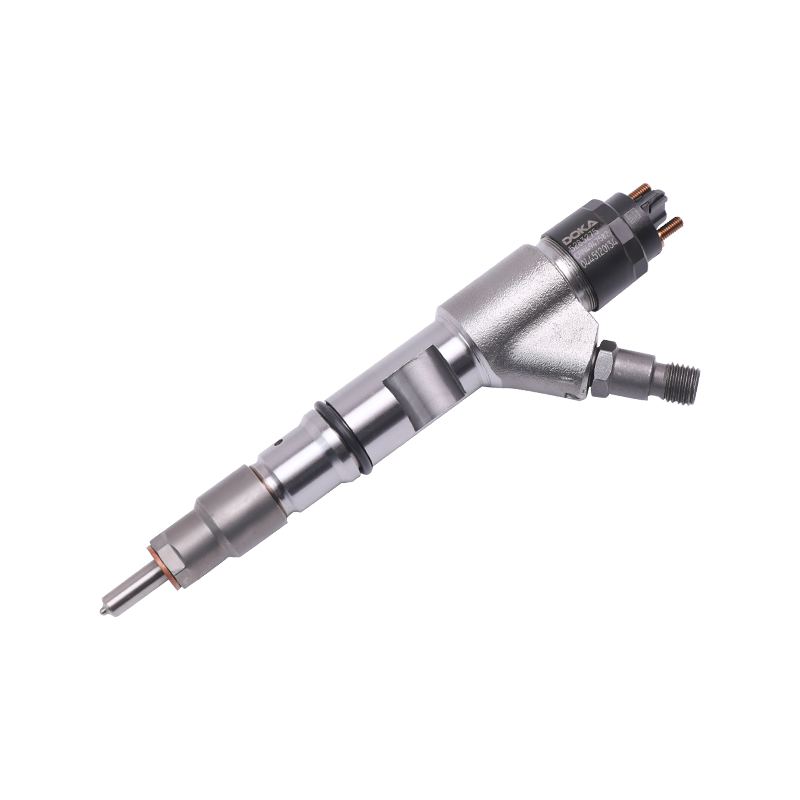
The 0445120134 injector is compatible with the Bosch CRIN 120 Series. It is desi...
See Details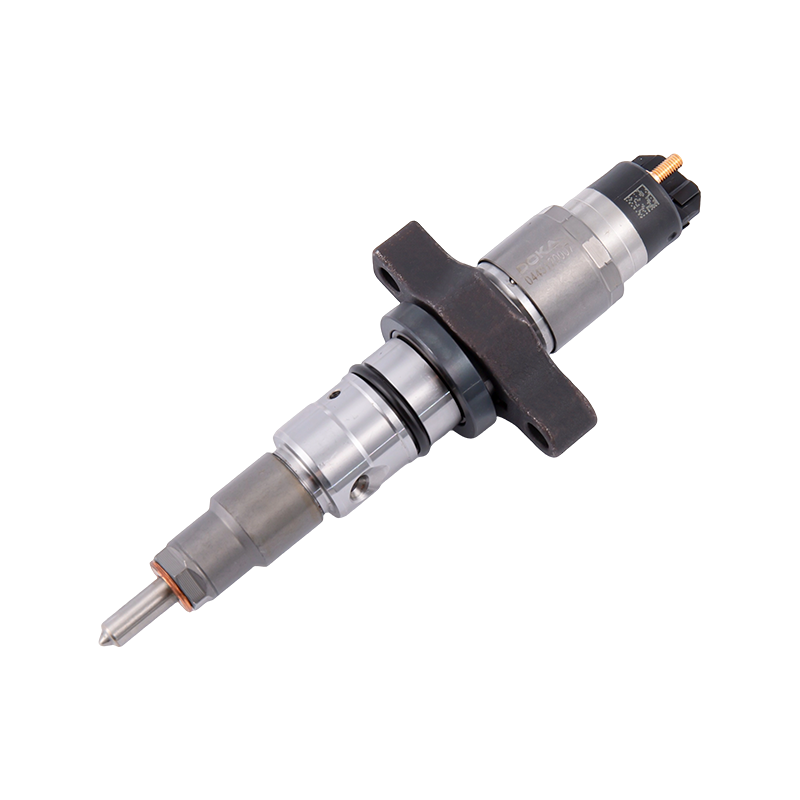
The 0445120007 Common Rail Injector, which is compatible with the Bosch CRIN 120...
See Details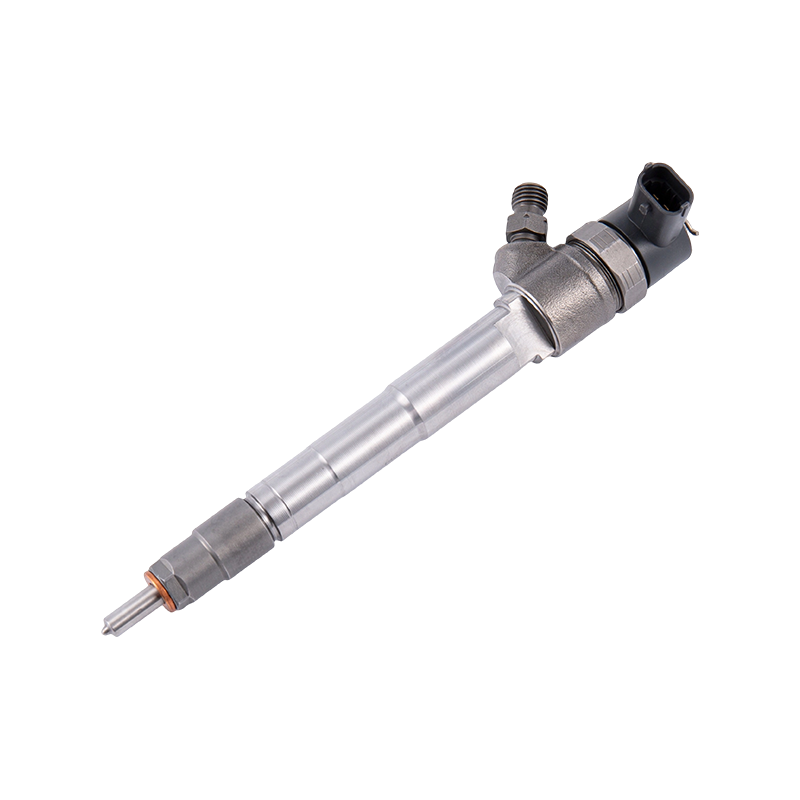
The 0445110376 common rail diesel injector is compatible with the Bosch CRI 110 ...
See Details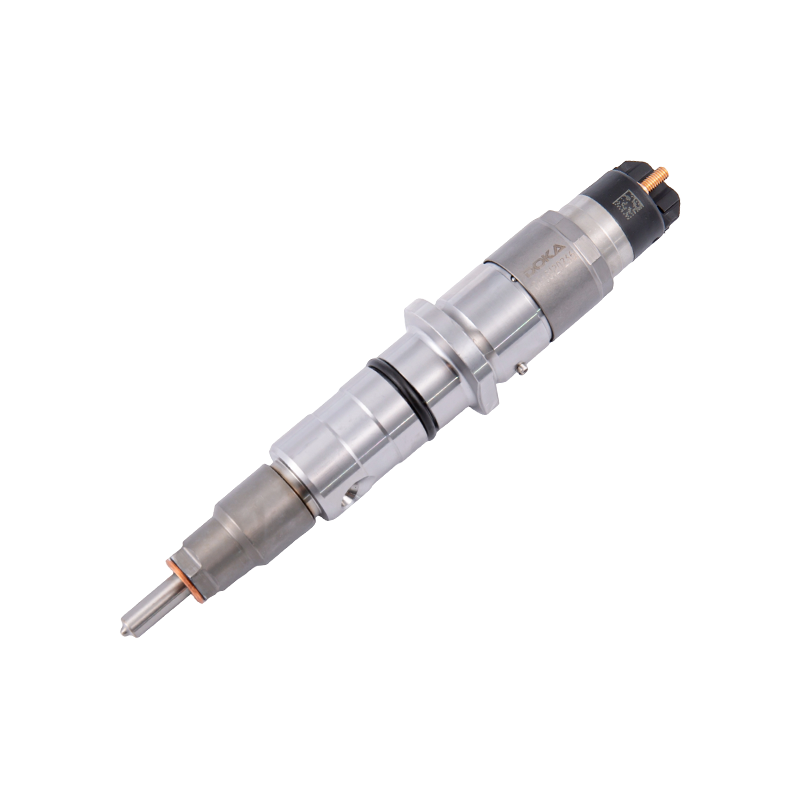
The injector 0445120236, which is compatible with Bosch CRIN 120 Series, is suit...
See Details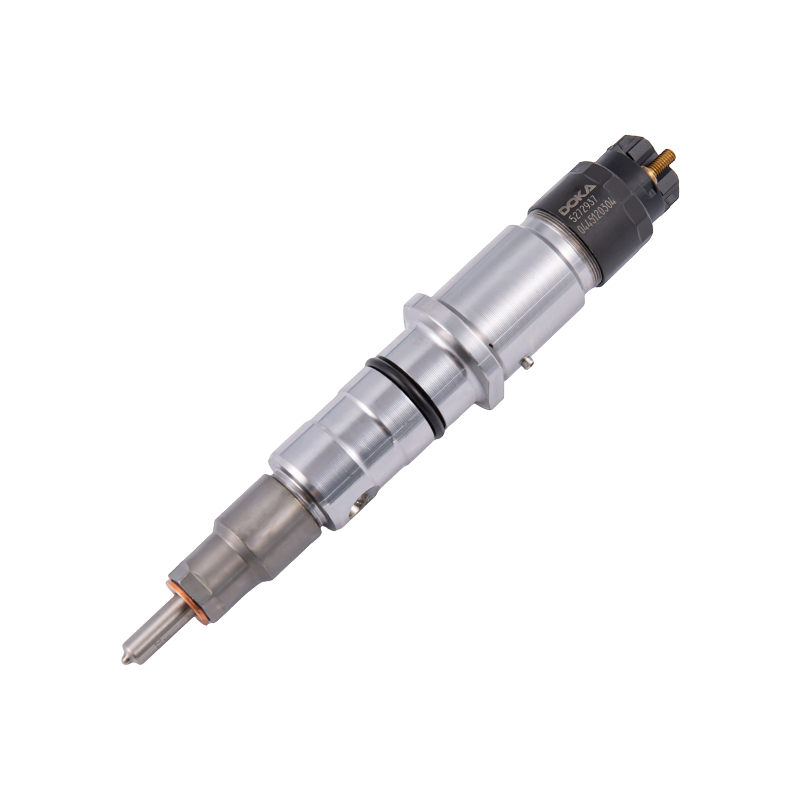
Compatible with Bosch CRIN 120 series fuel injectors 0445120304, it is specifica...
See Details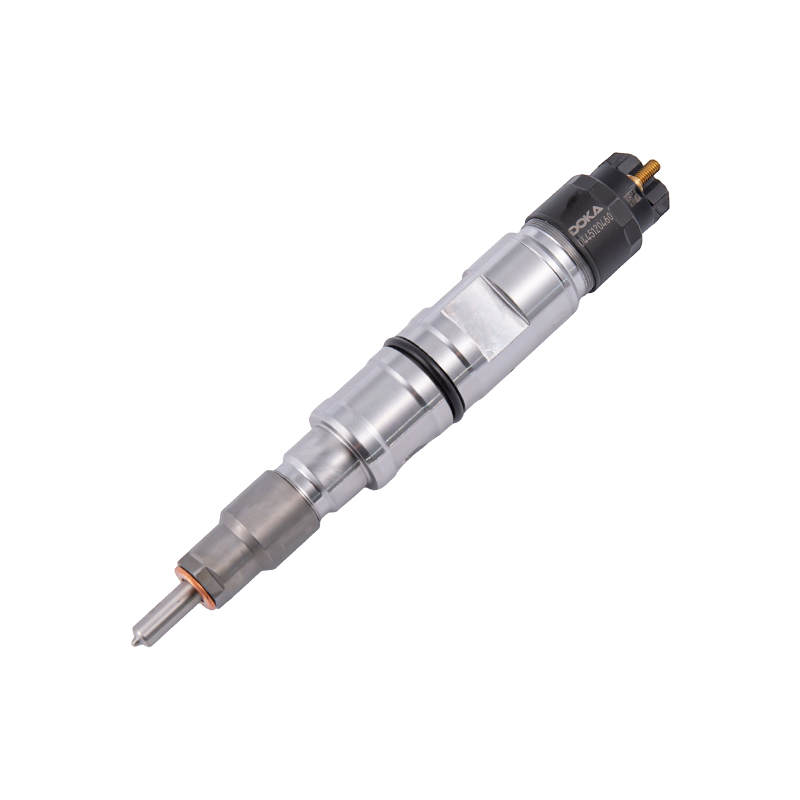
Compatible with Bosch CRIN 120 series fuel injectors 0445120460, it is suitable ...
See Details