中文
中文 English
 русский
 Español
News
Excellent product with exquisite craftsmanship.

 sales2@wxdoka.com
 +86-15190391637
 No.18 Xiangge Road, Hudai Town, Binhu District, Wuxi, China
Content
The fuel injector is the component that introduces fuel into the combustion process with precision timing, controlled spray quantity, and a droplet spectrum optimized for rapid mixing and complete combustion. The evolution of injector technology over the past three decades -- from simple port injection through early direct injection to the current generation of piezoelectric injectors capable of multiple injections per cycle at injection pressures above 2,500 bar -- has been driven by increasingly demanding emissions regulations, fuel economy targets, and the search for higher specific power output from smaller displacement engines.
Direct injection and piezoelectric injection are not competing alternatives -- they represent two levels of the same technology hierarchy. A piezoelectric injector is a type of direct-injection injector that uses a piezoelectric actuator rather than a solenoid to control the needle valve. Direct injection is the application context; piezoelectric actuation is the mechanism that enables the highest-performance execution of direct injection.
Understanding how each technology works, why piezoelectric actuation provides performance advantages over solenoid-driven direct injection, and what the practical implications are for engine performance, diagnostics, and repair provides the foundation for informed decisions in engine design, vehicle selection, and service work.
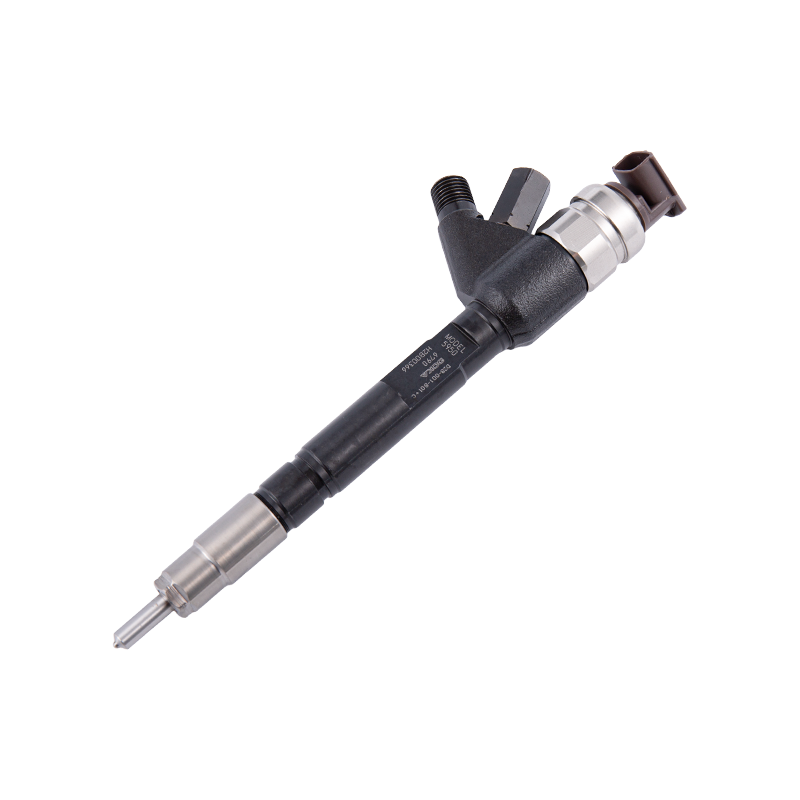
A direct-injection injector injects fuel directly into the combustion chamber rather than into the intake port upstream of the intake valve. This fundamental difference in injection location -- combustion chamber versus intake port -- enables a range of combustion system features that port injection cannot provide, including homogeneous charge formation at high injection pressures, stratified charge operation at part load (in gasoline direct injection systems designed for this mode), charge cooling from fuel evaporation directly in the combustion chamber, and precise cycle-by-cycle control of the injected fuel mass independent of intake manifold dynamics.
In gasoline direct injection (GDI) engines, fuel is injected at pressures typically ranging from 100 bar to 350 bar in modern systems, with some advanced engines using pressures up to 500 bar. The high injection pressure produces a fine droplet spray that atomizes rapidly in the hot, compressed charge within the cylinder. The evaporation of fuel droplets directly in the combustion chamber absorbs heat from the charge, reducing the charge temperature and permitting higher compression ratios (which improve thermodynamic efficiency) without the onset of abnormal combustion (knock) that would limit compression ratio in an equivalent port-injected engine.
GDI injection systems are characterized by their injection pressure delivery (via a high-pressure fuel pump driven from the camshaft), the number of injection events per cycle (which has progressively increased from single injection to five or more in current-generation systems), and the spray geometry of the injector nozzle -- whether a multi-hole pattern producing discrete spray jets, a swirl injector producing a hollow cone spray, or a more recent outward-opening pintle valve design.
Diesel direct injection via the common rail system is the dominant diesel injection architecture in passenger cars, light commercial vehicles, and increasingly in heavy-duty applications. The common rail stores fuel at the target injection pressure (ranging from 1,600 bar in early systems to 2,700 bar in current generation heavy-duty systems) in a shared accumulator volume -- the rail -- from which individual injectors draw fuel. The high-pressure storage in the rail decouples injection pressure from engine speed, allowing maximum injection pressure to be used at any engine operating point rather than being limited to high-speed conditions as in previous pump-line-nozzle injection systems.
Common rail diesel injectors must operate reliably over a pressure range from idle conditions to full-load peak pressure, open and close the needle valve with response times in the microsecond to millisecond range to achieve precise injection timing and duration, and maintain injection quantity accuracy over millions of injection events with minimal drift in performance. These requirements demand precision manufacturing tolerances, the highest-quality materials, and an actuation mechanism capable of meeting the response time and force requirements across the full operating range.
The needle valve at the tip of the injector body is the element that controls the flow of fuel from the high-pressure fuel system into the combustion chamber. When the needle lifts from its seat, the high-pressure fuel flows through the sac volume at the nozzle tip and exits through a defined number of holes (typically 5 to 10 in modern diesel nozzles, 3 to 12 in GDI nozzles) as high-velocity jets that atomize into fine droplets through turbulent breakup and aerodynamic interaction with the dense charge air in the cylinder.
The needle valve lift, the speed of opening and closing, and the pressure differential across the nozzle holes at the moment of opening all affect the initial droplet size distribution, the spray penetration (how far the spray jets travel before losing momentum and mixing with the charge), and the quantity of fuel injected per event. The injector actuation mechanism -- whether solenoid or piezoelectric -- directly controls the speed and accuracy of needle valve motion, making it the key determinant of injection quality.
The majority of direct-injection injectors in service today use a solenoid valve as the actuation mechanism. The solenoid injector has been the dominant design since the introduction of common rail injection in the 1990s and remains the most widely produced direct injection injector type globally.
In a solenoid-actuated common rail diesel injector, the needle valve is not driven directly by the solenoid. Instead, the solenoid operates a small control valve (the two-way or three-way control valve) in the high-pressure fuel circuit within the injector body. The control valve manages the pressure in a hydraulic control chamber above the needle, which governs whether the net hydraulic force on the needle is directed toward the seat (needle closed, injection stopped) or away from the seat (needle open, injection in progress).
When the solenoid is energized, it opens the control valve, venting the control chamber pressure to return (low pressure). The pressure differential between the control chamber and the nozzle pressure acts upward on the needle, lifting it from its seat and initiating injection. When the solenoid is de-energized, the control valve closes, pressure rebuilds in the control chamber, and the needle returns to its seat under the combined action of the hydraulic restoring force and the needle spring. The injection duration is therefore the period between solenoid energization and de-energization, and the injected quantity is determined by the integral of the flow rate over this time.
The inherent limitation of solenoid actuation in direct injection is the mechanical response time of the solenoid-valve-needle system. Solenoid electromagnets require time to build and collapse the magnetic field, and the hydraulic amplification circuit adds additional delay between solenoid actuation and needle valve response. This limits the minimum achievable injection duration and the minimum separation between successive injections, constraining the number of injection events that can be performed within a single engine cycle at high engine speeds.
A piezoelectric injector replaces the solenoid actuator with a piezoelectric stack actuator -- a column of piezoelectric ceramic elements (most commonly lead zirconate titanate, or PZT) that expand when a voltage is applied across them and contract when the voltage is removed. This physical expansion and contraction of the stack provides the actuating force and displacement that operates the injector control valve or, in some designs, directly controls the needle valve position.
Piezoelectric ceramics exhibit the converse piezoelectric effect: when an electric field is applied across the ceramic, the material deforms mechanically. In PZT stacks designed for fuel injector actuators, a voltage of 100 to 200V applied across a stack of 200 to 400 individual ceramic wafers (each approximately 0.1mm thick) produces a total linear displacement of approximately 30 to 60 micrometers. The displacement occurs within microseconds of voltage application -- this near-instantaneous response is the fundamental performance advantage of piezoelectric actuation over solenoid actuation in direct-injection injectors.
The relationship between applied voltage and stack displacement is nearly linear, which means that partial voltage application produces proportional partial displacement. This characteristic enables the piezoelectric injector to perform precise partial lifts of the control valve or needle -- injecting small, precisely controlled quantities at any fraction of full needle lift that a solenoid system cannot replicate.
Two principal piezoelectric injector architectures are used in production vehicles:
The hydraulic coupler in a direct-acting piezoelectric injector is a small, sealed hydraulic chamber between the piezoelectric stack and the needle valve coupling rod. Its primary function is to compensate for the net difference in thermal expansion between the steel injector body and the PZT ceramic stack, which would otherwise cause the injector to deliver unpredictable quantities as temperature changes during warm-up and full-load operation. The hydraulic coupler transmits the mechanical force from the stack to the needle coupling faithfully during the fast dynamics of injection (microsecond to millisecond timescales) while slowly leaking to accommodate thermal expansion differences (second to minute timescales). This elegant mechanical design is one of the key engineering achievements of the direct-acting piezoelectric injector and is fundamental to its long-term injection quantity stability.
The performance advantages of piezoelectric actuation over solenoid actuation in direct-injection injectors have driven the adoption of piezoelectric injectors in the highest-performance and most emissions-sensitive applications, particularly in diesel common rail systems where the demands on injection precision are greatest.
Piezoelectric actuators respond in microseconds compared to the millisecond timescale of solenoid actuators. This faster response enables shorter minimum injection durations, which is critical for pilot and post injection events that are used in advanced diesel combustion systems to reduce combustion noise, control particulate emissions, and support diesel particulate filter regeneration. A piezoelectric injector can reliably inject quantities below 1 mm3 per stroke -- quantities that would require injection durations too short for a solenoid injector to control accurately.
The minimum separation between successive injection events (the dwell time between injections) is shorter for piezoelectric injectors than for solenoid injectors because the needle valve reaches its fully closed position faster after command-off. Modern piezoelectric common rail diesel injectors can perform up to eight or more injection events per cycle (multiple pilots, main injection, and multiple post injections) at high engine speeds where solenoid injectors would be limited to fewer events by their slower response. The increased injection event count per cycle enables combustion strategies that dramatically reduce noise (multiple small pilot injections before the main event pre-mix a small quantity of fuel before ignition, reducing the rate of pressure rise) and emissions (post injections support particulate aftertreatment and NOx reduction strategies).
Because the piezoelectric stack displacement is proportional to the applied voltage, the needle valve lift can be controlled at intermediate positions rather than being restricted to fully open or fully closed. This proportional control capability allows the flow rate through the nozzle holes to be continuously varied during an injection event -- a capability called rate shaping -- in which the rate of fuel delivery is deliberately controlled to follow a desired profile (for example, a ramp-up at injection start, a sustained plateau during the main injection, and a controlled ramp-down at the end). Rate shaping can further reduce combustion noise and NOx emissions compared to conventional rectangular injection rate profiles.
Piezoelectric capacitive actuators store and return electrical energy during each injection cycle (the stack stores energy as charge when voltage is applied and returns it when discharged), unlike solenoid actuators which convert electrical energy to heat in the coil resistance. This capacitive energy recovery means that the peak power demand on the injector driver electronics is high but the net energy consumption per injection event is lower than an equivalent solenoid system. The lower heat generation in the actuator itself reduces thermal stress on the injector components and simplifies the thermal management requirements of the injector driver electronics.
The piezoelectric injector requires a dedicated high-voltage driver circuit in the engine control unit (ECU) or a separate injector driver module. Driving a piezoelectric injector is fundamentally different from driving a solenoid injector because the piezoelectric actuator is a capacitive load rather than an inductive load.
To open the injector, the driver charges the piezoelectric stack to the target voltage -- typically 100V to 200V -- from a boosted supply capacitor bank. The charging current is controlled to produce the desired voltage rise rate, which determines the speed of needle opening and the injection rate during the opening transient. To close the injector, the stored charge is discharged from the stack back into the supply capacitors for recovery.
The precise voltage level applied to the stack determines the degree of needle lift, which directly affects the injected fuel quantity at any given injection pressure. The ECU must therefore control the driver output voltage with high accuracy -- typically to within 1 to 2 volts across the operating range -- to achieve the injection quantity accuracy required for emissions compliance and drivability. Closed-loop injection quantity correction using data from a flow rate measurement module or needle lift sensor is commonly implemented to compensate for injector-to-injector variation and the long-term drift in stack response characteristics.
Piezoelectric injectors are individually calibrated during manufacturing and assigned a set of correction codes (IMA codes, C3I codes, or equivalent depending on the manufacturer and vehicle platform) that encode the injector's specific performance characteristics at key operating points relative to the nominal specification. These correction codes are programmed into the ECU when an injector is installed, allowing the injection control software to compensate for the individual injector's characteristics and deliver accurate injection quantities despite manufacturing variation within the allowable tolerance band. When a piezoelectric injector is replaced, programming the replacement injector's calibration codes into the ECU is an essential step -- failing to do so will result in injection quantity errors that cause rough running, increased emissions, and potentially engine damage from over-fueling.
Piezoelectric injectors were first introduced in production diesel passenger cars in the early 2000s and have since been adopted across a wide range of diesel and gasoline direct injection applications, particularly where the highest injection performance and emissions capability are required.
Piezoelectric common rail injectors are used in passenger car and light commercial diesel engines across multiple manufacturers. Bosch's CRI3 (Common Rail Injector 3) and Delphi's DFI1 (later DCO) direct-acting piezoelectric systems were early production representatives, and the technology has since been refined through multiple generations to reach current systems operating at up to 2,700 bar rail pressure with injection event counts of seven to eight per cycle. In addition to passenger cars, piezoelectric injection is applied in heavy-duty diesel engines for trucks and off-highway equipment where the injection performance benefits for emissions compliance (Euro VI, EPA 2010 and later standards) justify the higher injector cost compared to solenoid systems.
Piezoelectric actuation is also applied in gasoline direct injection systems, though the lower injection pressures in GDI (100 to 500 bar versus 1,600 to 2,700 bar in diesel) mean that the advantages of piezoelectric over solenoid actuation are less extreme than in diesel common rail. High-performance GDI applications and systems targeting the tightest particulate number (PN) limits -- where precisely controlled multiple injections per cycle are needed to reduce wall-wetting and particulate formation -- benefit most from piezoelectric actuation in the gasoline context.
Hydrogen direct injection for internal combustion engines -- an emerging power train technology for vehicles and heavy transport -- represents a future application area where piezoelectric injector performance is particularly relevant. Hydrogen's low energy density, wide flammability range, and very high flame speed create combustion dynamics that demand fast, precise injection control to avoid abnormal combustion events. The high response speed and proportional control capability of piezoelectric injectors make them well-suited to the demands of hydrogen DI combustion.
Piezoelectric injectors present specific diagnostic and service requirements that differ from solenoid injectors. Their higher cost -- typically two to five times the cost of equivalent solenoid injectors -- makes correct diagnosis of injection system faults important before committing to replacement. Their calibration code requirement makes programming a mandatory step in any replacement procedure.
Piezoelectric injectors can fail through several mechanisms:
Piezoelectric injector faults are diagnosed through a combination of ECU fault code reading, fuel injector contribution (cylinder balance) testing, fuel return quantity measurement, and injector electrical resistance and capacitance testing. The capacitance of the piezoelectric stack (measured with the injector disconnected from the vehicle harness) is a direct indicator of stack integrity -- a cracked or delaminated stack will show significantly reduced capacitance compared to the specification value, and a shorted stack will show near-zero capacitance. This capacitance test is the most definitive electrical test for stack failure and can be performed with a standard LCR meter capable of the relevant measurement range.
Injection quantity accuracy is evaluated using the cylinder contribution balance test available in most diagnostic scan tools compatible with the vehicle -- this compares the idle speed correction applied to each cylinder by the injection control software to balance idle quality, with cylinders needing large positive corrections indicating injectors delivering below the target quantity and negative corrections indicating over-delivery. This test identifies which injector is performing outside tolerance but does not identify the failure mechanism causing the quantity error.
Replacing a piezoelectric injector involves the mechanical removal and installation (which follows broadly similar steps to solenoid injector replacement, with attention to the copper sealing washer, carbon deposit removal from the injector bore, and correct torque for the clamping arrangement or union nut) and the critical additional step of programming the replacement injector's calibration codes into the ECU.
The calibration codes are supplied with the replacement injector (either on a label on the injector body or on a separate data card in the packaging) and must be entered into the ECU using a compatible diagnostic tool that supports the injector coding function for the specific vehicle platform. Most professional-grade diagnostic systems support piezoelectric injector coding for the major engine management systems (Bosch EDC17, Delphi DCM, Continental, Denso, and others), and the function is typically accessible in the engine ECU special functions menu.
Failing to program the calibration codes after replacement will result in the ECU using the previous injector's codes (or a default value) to control the new injector, producing injection quantity errors that will manifest as rough idling, smoke at idle or part load, elevated emissions, and in severe cases, damage to the new injector or the engine from chronic over-fueling of one or more cylinders. Injector coding after replacement is a non-optional step, not a recommended best practice.
| Parameter | Solenoid Direct Injector | Piezoelectric Direct Injector |
|---|---|---|
| Actuation mechanism | Electromagnetic solenoid (inductive) | Piezoelectric ceramic stack (capacitive) |
| Response time | 0.3 to 0.8 milliseconds | 0.05 to 0.15 milliseconds |
| Minimum injection quantity | 1 to 2 mm3 per stroke (typical) | 0.5 to 1 mm3 per stroke (typical) |
| Maximum injections per cycle | 5 to 7 (current-generation) | 8 or more |
| Needle lift control | Binary (open or closed) | Proportional (any lift level) |
| Drive voltage | 48 to 120V peak (current control) | 100 to 200V (voltage control) |
| Energy recovery during operation | None (energy dissipated as heat) | Partial (capacitive charge recovery) |
| Calibration code requirement | Sometimes (varies by system) | Always required on replacement |
| Unit cost relative | Lower | Higher (2 to 5 times) |
| Primary application | Mainstream diesel and GDI systems | Premium diesel, high-performance GDI |
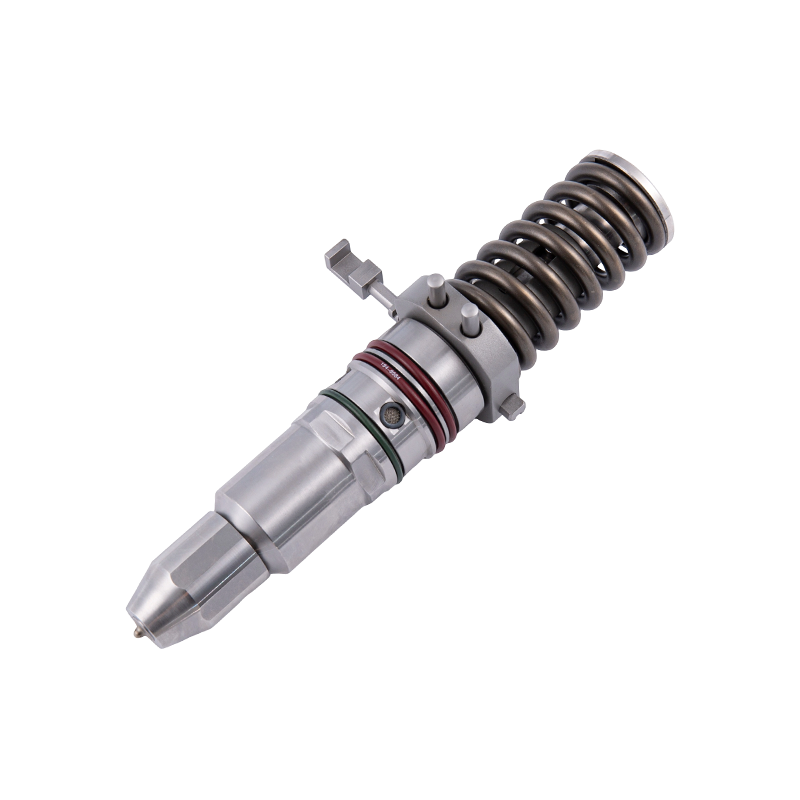
The fuel injector compatible with Caterpillar CRI/CRS series 3500A-111-3718 is d...
See Details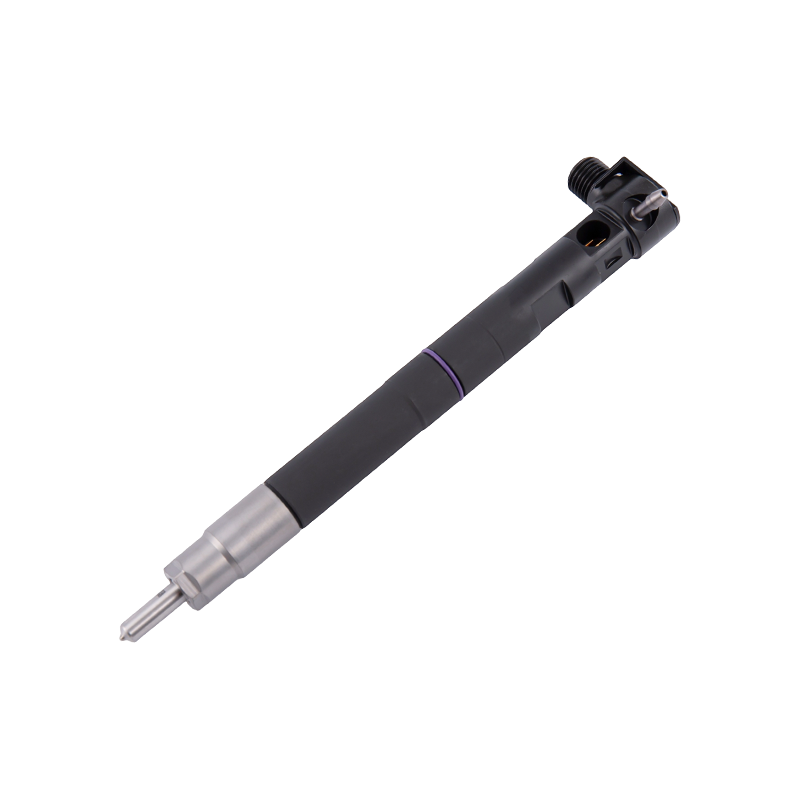
The product compatible with Delphi 28236381 fuel injector from the Multec Series...
See Details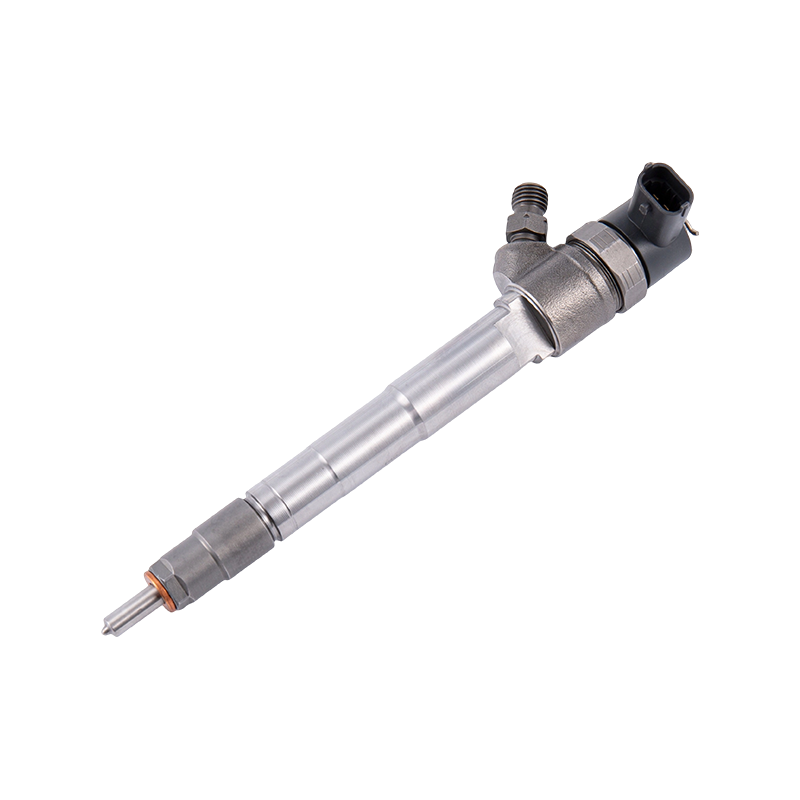
The 0445110376 common rail diesel injector is compatible with the Bosch CRI 110 ...
See Details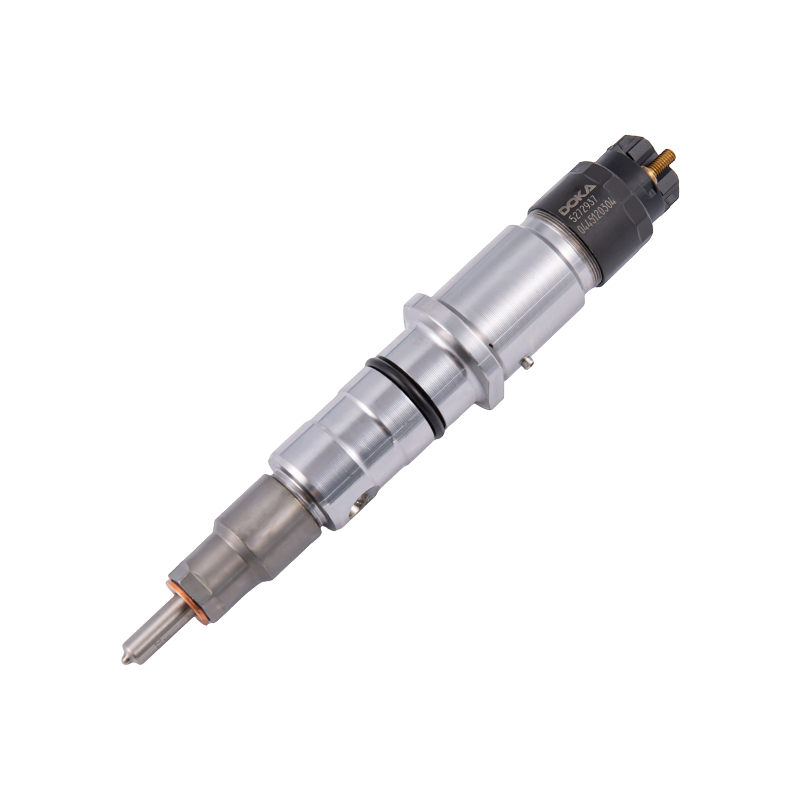
Compatible with Bosch CRIN 120 series fuel injectors 0445120304, it is specifica...
See Details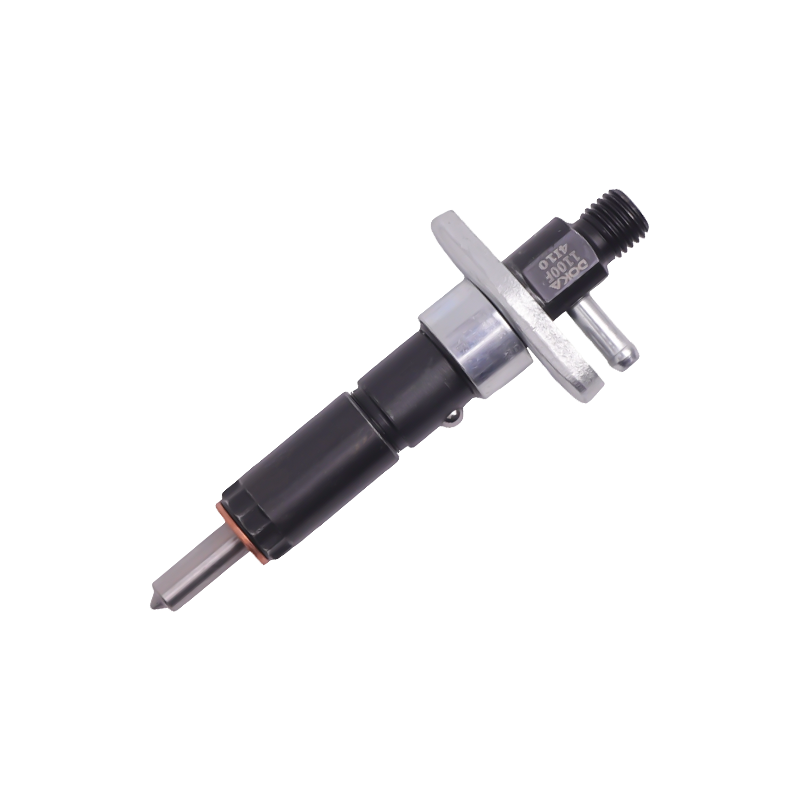
The 1100F fuel injector is specifically designed for the direct injection system...
See Details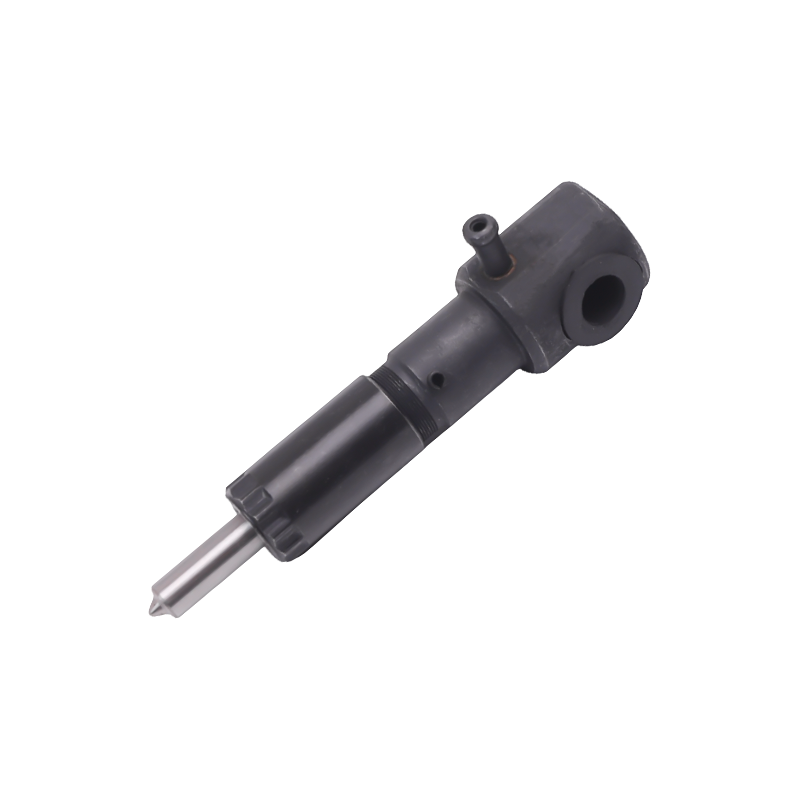
The 186FA fuel injector is engineered for the direct injection systems of KD186F...
See Details