中文
中文 English
 русский
 Español
News
Excellent product with exquisite craftsmanship.

 sales2@wxdoka.com
 +86-15190391637
 No.18 Xiangge Road, Hudai Town, Binhu District, Wuxi, China
Content
A high-pressure fuel injector is the precision component responsible for atomizing fuel into the combustion chamber at exactly the right moment, in exactly the right quantity, and at pressures that would have been considered extraordinary just two decades ago. Where port fuel injection systems of the 1990s operated at roughly 40–60 PSI, modern gasoline direct injection (GDI) systems routinely run at 2,000–3,600 PSI, and advanced diesel common-rail systems push beyond 30,000 PSI. These pressures are not incidental — they are the mechanism by which fine atomization is achieved, producing smaller fuel droplets that combust more completely, reduce particulate emissions, and extract more energy per unit of fuel.
The injector itself must tolerate these pressures millions of times over its service life while maintaining spray pattern consistency to within micron-level tolerances. The needle valve inside a modern injector opens and closes in as little as 0.1 milliseconds, controlled by the engine control unit (ECU) via an electrical signal. Any contamination, wear, or coking on the injector tip degrades spray geometry, which translates directly into misfires, increased hydrocarbon emissions, and reduced fuel economy — consequences that amplify at higher injection pressures.
A high-performance fuel injector is engineered to support power levels and fueling demands that exceed the design envelope of the factory injector. In modified engines — whether turbocharged, supercharged, running flex fuel, or tuned for significantly elevated output — the stock injector becomes the bottleneck. It reaches its duty cycle ceiling, typically around 80–85%, above which it cannot deliver additional fuel without staying open continuously, losing the ability to meter flow accurately and creating dangerous lean conditions.
Performance injectors address this through higher flow rates — expressed in cc/min or lb/hr — while preserving the spray characteristics that keep combustion efficient. The two primary upgrade considerations are:
Matched sets — injectors flow-tested and sorted to within ±1–2% of each other — are standard practice for performance builds. Cylinder-to-cylinder variation in injector flow creates air-fuel ratio imbalances across the engine, which limits the tuner's ability to optimize each cylinder and can mask knock events in hotter-running cylinders.
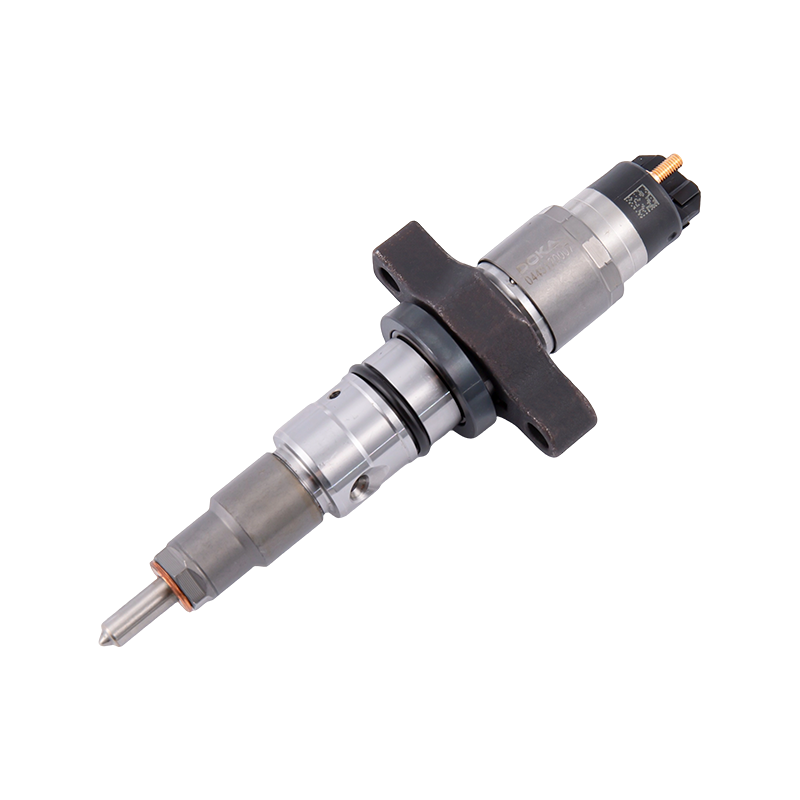
The piezoelectric injector represents the current pinnacle of fuel injection engineering. Unlike conventional solenoid injectors, which use an electromagnetic coil to move a plunger against a return spring, piezoelectric injectors exploit the piezoelectric effect — the property of certain ceramic crystals to change physical dimension almost instantaneously when voltage is applied. This dimensional change actuates the injector needle directly, with response times three to five times faster than the best solenoid designs.
The practical consequences of this speed advantage are substantial. A piezoelectric injector can execute five to seven distinct injection events per combustion cycle — a pilot injection to reduce combustion noise, one or more main injections, and post-injections for after-treatment system management — where a solenoid injector is practically limited to two or three. This multi-injection capability allows engineers to shape the heat release profile of combustion, simultaneously reducing NOx emissions, particulate output, and combustion noise while improving thermal efficiency.
| Characteristic | Solenoid Injector | Piezoelectric Injector |
|---|---|---|
| Actuation speed | ~0.3–0.5 ms | ~0.1 ms |
| Injection events per cycle | 2–3 | 5–7 |
| Pressure capability | Up to ~25,000 PSI | Up to ~36,000 PSI |
| Noise output | Higher | Lower |
| Replacement cost | Lower | Higher |
| Primary application | Gasoline GDI, diesel | Premium diesel, performance GDI |
Piezoelectric injectors require a dedicated high-voltage driver circuit — typically operating at 100–200V — rather than the 12V signal used for solenoid types. This means they are not a drop-in upgrade for vehicles not originally equipped with them; the injection system electronics, ECU calibration, and fuel rail must all be designed for piezo actuation from the outset.
A direct-injection injector delivers fuel directly into the combustion chamber rather than into the intake port upstream of the intake valve. This fundamental difference in placement enables several performance and efficiency advantages: charge cooling from fuel evaporation inside the cylinder allows higher compression ratios, precise injection timing enables stratified charge operation at light loads, and the absence of fuel film on intake port walls reduces cold-start emissions significantly.
However, direct injection introduces a well-documented maintenance challenge that port injection does not share: intake valve carbon deposits. In a port-injected engine, fuel washing over the intake valves on every cycle naturally scours away oil vapors and combustion byproducts that recirculate through the PCV system. In a direct-injection engine, the intake valves receive no fuel wash — only unburned oil vapors — and over time these deposits accumulate on the valve stem and backside, restricting airflow and causing rough idle, hesitation, and power loss. This problem typically becomes noticeable between 50,000 and 100,000 miles on GDI engines without active countermeasures.
Across all injector types — high-pressure, high-performance, piezoelectric, or direct injection — the failure modes share common symptoms. Recognizing them early prevents the secondary damage that a misfiring or leaking injector can cause to catalytic converters, oxygen sensors, and cylinder walls.
When replacing injectors on high-pressure GDI or common-rail diesel systems, always replace the sealing washers, o-rings, and copper crush washers as a matter of course — these components are not designed for reuse at the pressures involved and represent a disproportionate share of post-replacement leak failures when reused to save cost.
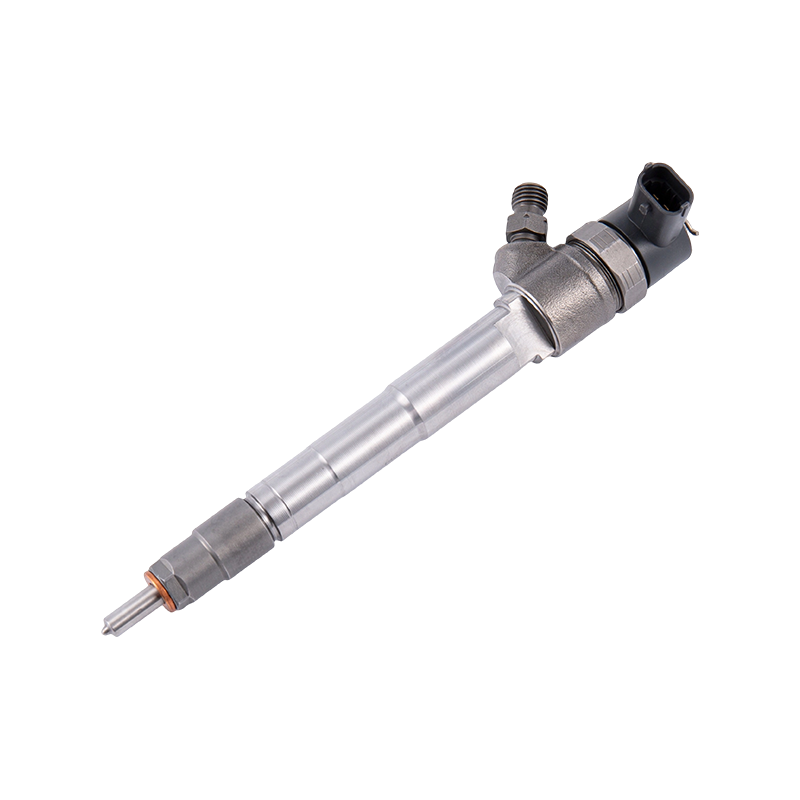
The 0445110376 common rail diesel injector is compatible with the Bosch CRI 110 ...
See Details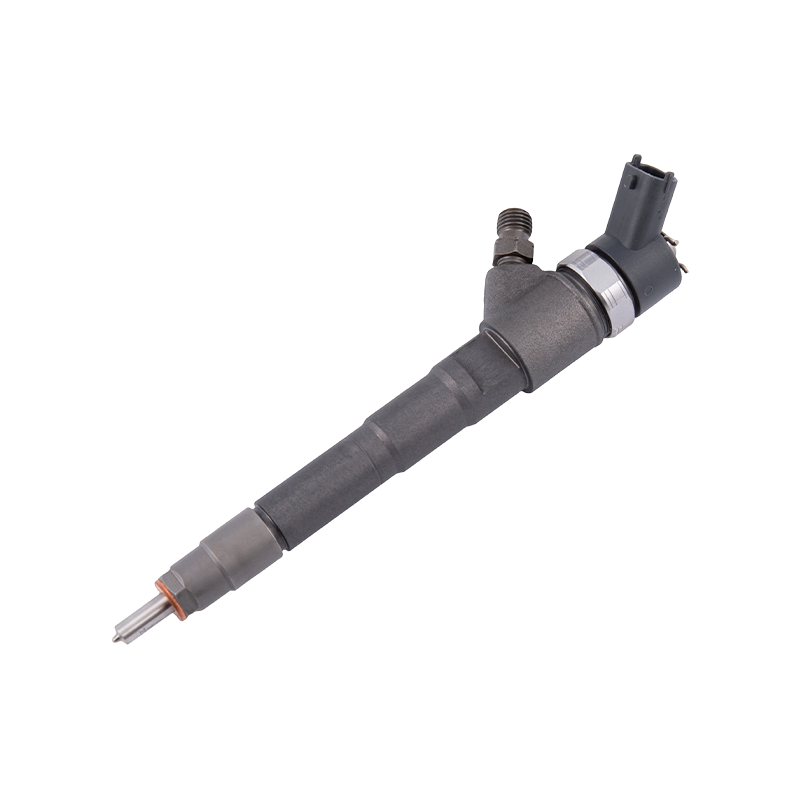
The 0445110273 common rail diesel injector is compatible with the Bosch CRI 110 ...
See Details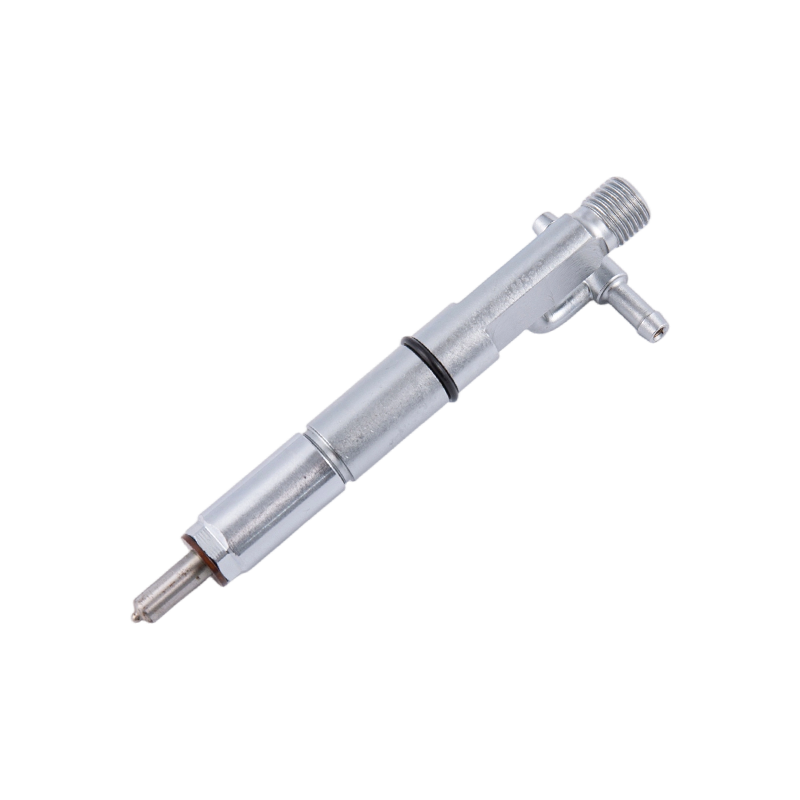
The product compatible with DENSO 093500-7500 fuel injector—part of the X1 Serie...
See Details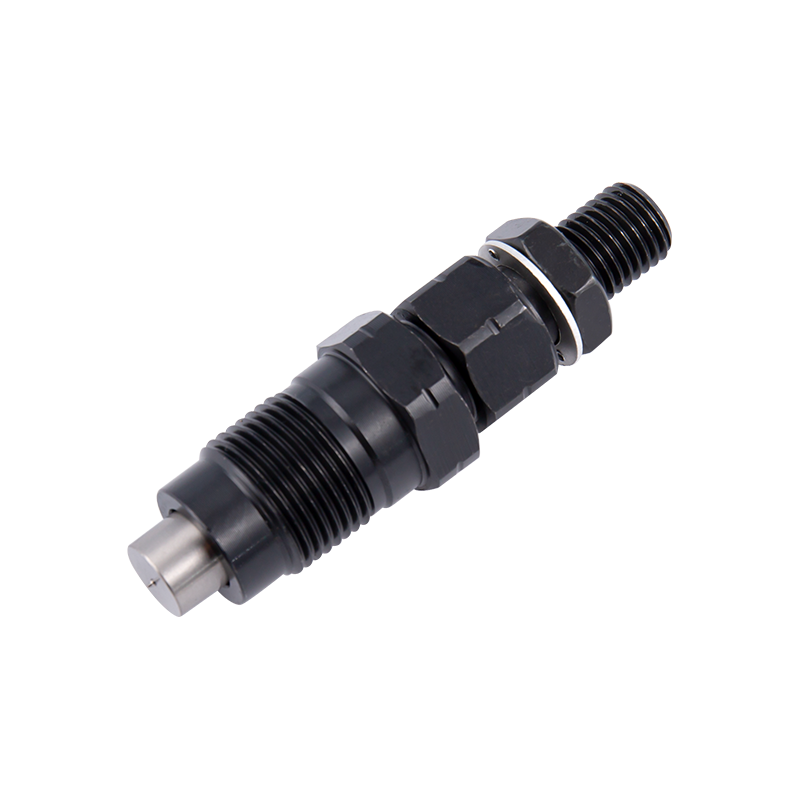
The product compatible with DENSO 093500-5700 fuel injector from the X1 Series i...
See Details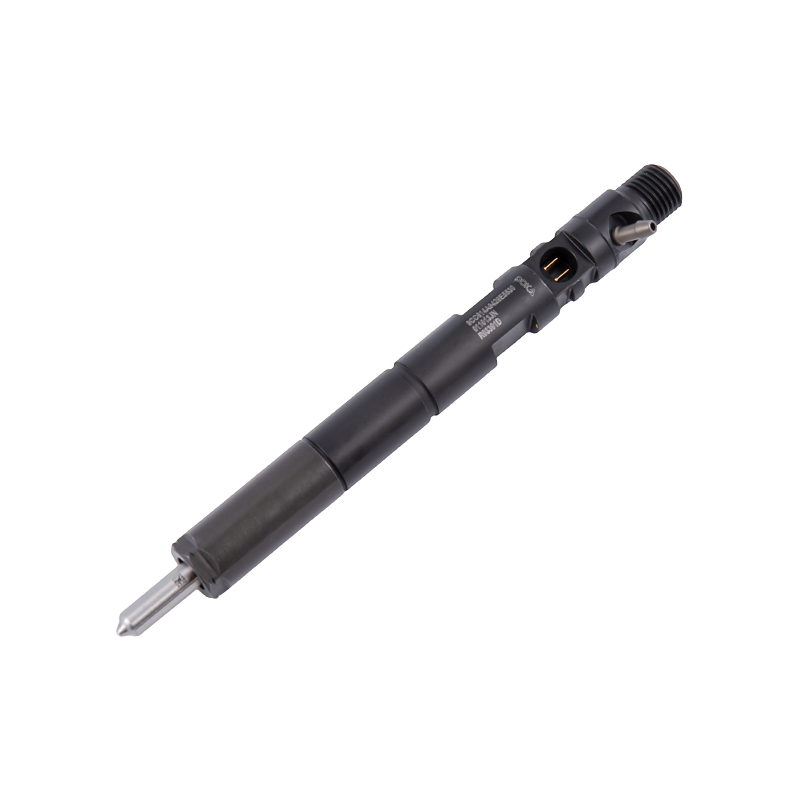
The product compatible with Delphi EJBR03301D fuel injector from the Multec Seri...
See Details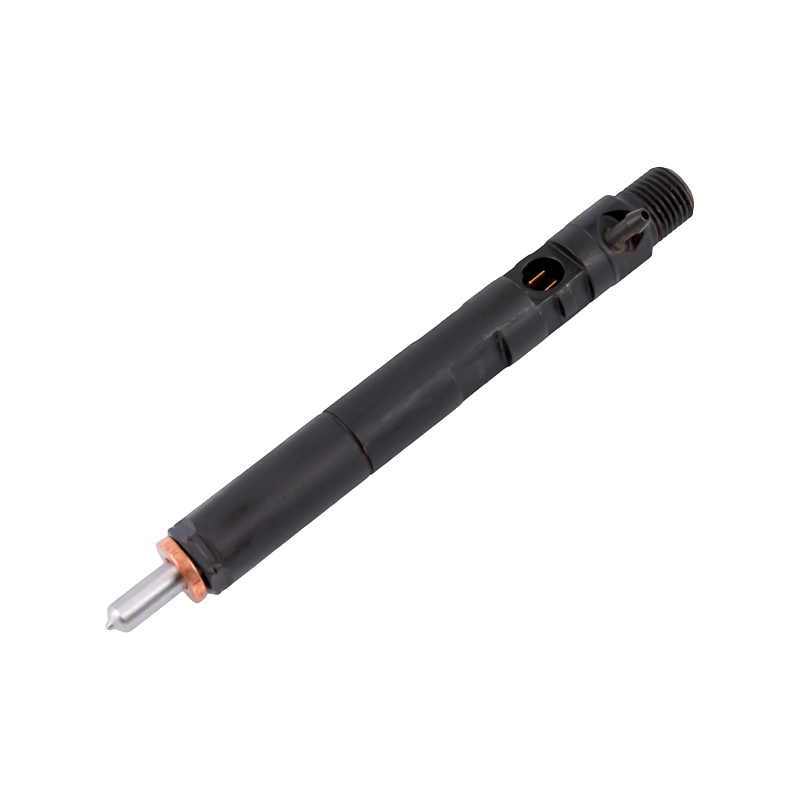
The product compatible with Delphi EJBR01801A fuel injector in the Multec Series...
See Details