中文
中文 English
 русский
 Español
News
Excellent product with exquisite craftsmanship.

 sales2@wxdoka.com
 +86-15190391637
 No.18 Xiangge Road, Hudai Town, Binhu District, Wuxi, China
Content
DEN-SO fuel injectors are critical components in modern internal combustion engines, ensuring precise fuel delivery for optimal performance and efficiency. Proper maintenance and correct usage are essential for extending injector life, preventing engine problems, and maintaining fuel economy. This guide provides in-depth practical tips for handling DEN-SO injectors in various automotive applications.
Fuel injectors deliver precise amounts of fuel into the combustion chamber under controlled pressure. DEN-SO injectors are designed to provide high atomization quality and accurate fuel spray patterns, which are essential for complete combustion, reduced emissions, and consistent engine performance.
Regular maintenance is crucial to prevent injector clogging, leaks, or malfunction. Proper maintenance ensures consistent fuel delivery and prevents engine performance issues.
Proper installation is critical to injector performance. Incorrect installation can cause fuel leaks, misfires, or engine damage. Follow manufacturer guidelines carefully for mounting, alignment, and electrical connections.
Recognizing early signs of injector issues can prevent costly repairs and engine damage. Symptoms often indicate wear, clogging, or electrical faults.
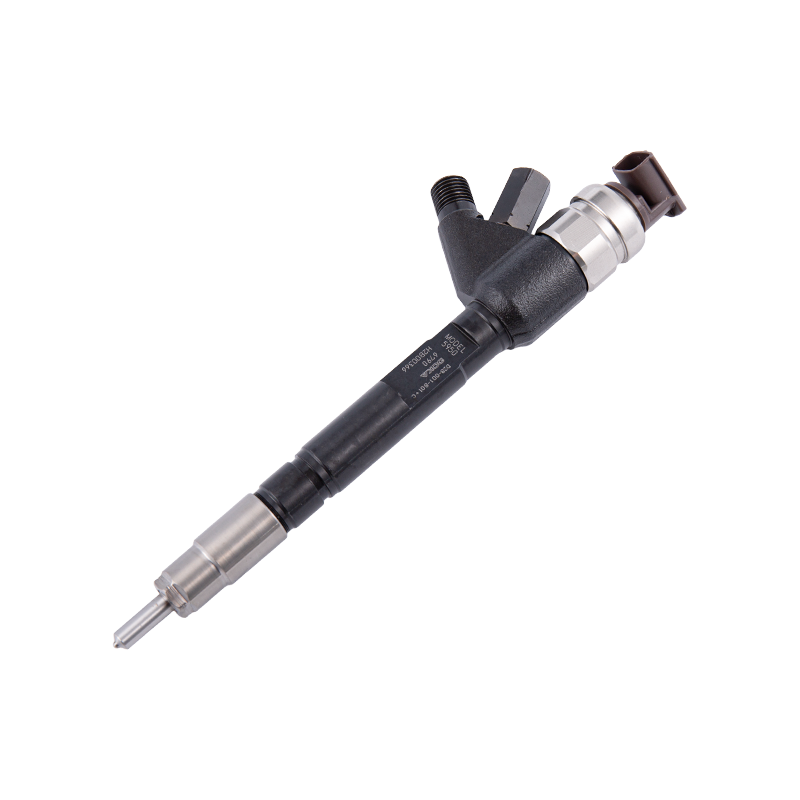
Accurate testing and calibration ensure injectors operate within manufacturer specifications. Regular verification helps maintain engine efficiency and longevity.
Preventive practices help maintain injector reliability and engine health. These measures reduce the likelihood of clogs, corrosion, and electrical failures.
DEN-SO fuel injectors are versatile and compatible with various gasoline and diesel engines. Their adaptability ensures optimal fuel delivery in multiple automotive and industrial applications.
| Engine Type | Application | Benefits |
| Gasoline Engines | Passenger cars, light trucks | Precise fuel delivery, smoother acceleration, improved fuel efficiency |
| Diesel Engines | Commercial vehicles, heavy-duty trucks | High-pressure atomization, durable under heat and pressure, extended service life |
| Hybrid Engines | Hybrid vehicles with fuel-based engines | Reliable intermittent fuel delivery, maintains efficiency with electric drive |
Proper maintenance and usage of DEN-SO fuel injectors are essential for optimal engine performance, efficiency, and longevity. By following cleaning, inspection, installation, and preventive practices, vehicle owners and technicians can ensure reliable fuel delivery, prevent common injector problems, and extend the life of the injectors. Understanding the injector’s role and adhering to these guidelines guarantees that engines operate smoothly, efficiently, and safely in various automotive applications.
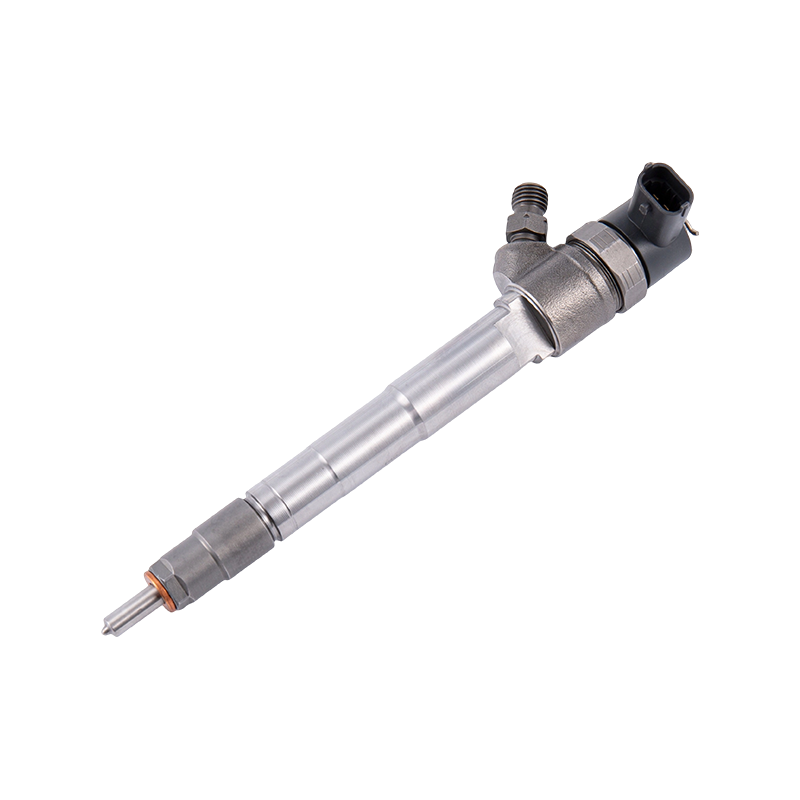
The 0445110376 common rail diesel injector is compatible with the Bosch CRI 110 ...
See Details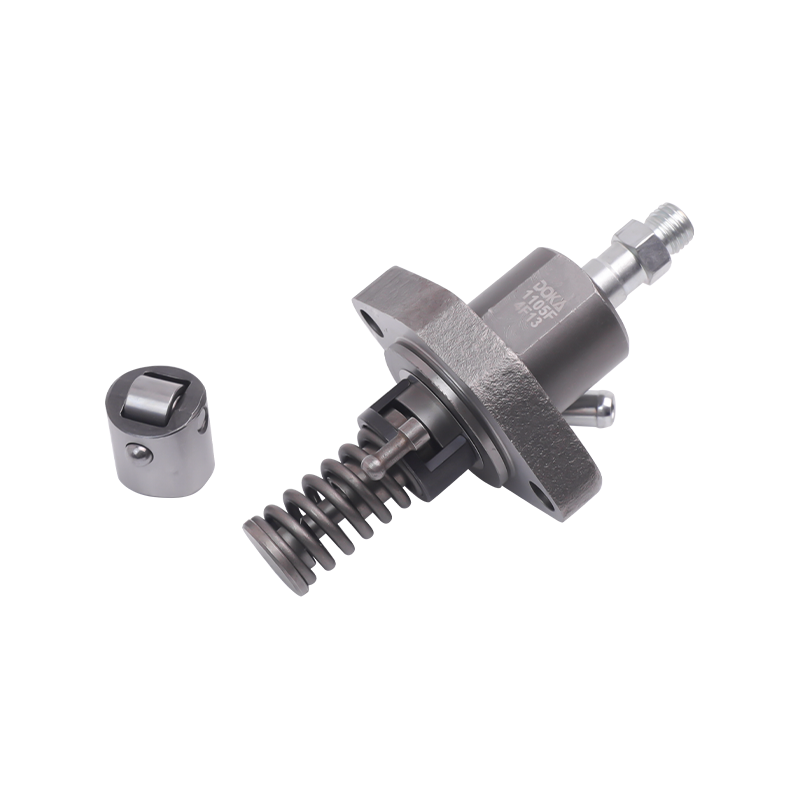
The 1115F fuel injection pump is specifically designed for 1115 single-cylinder ...
See Details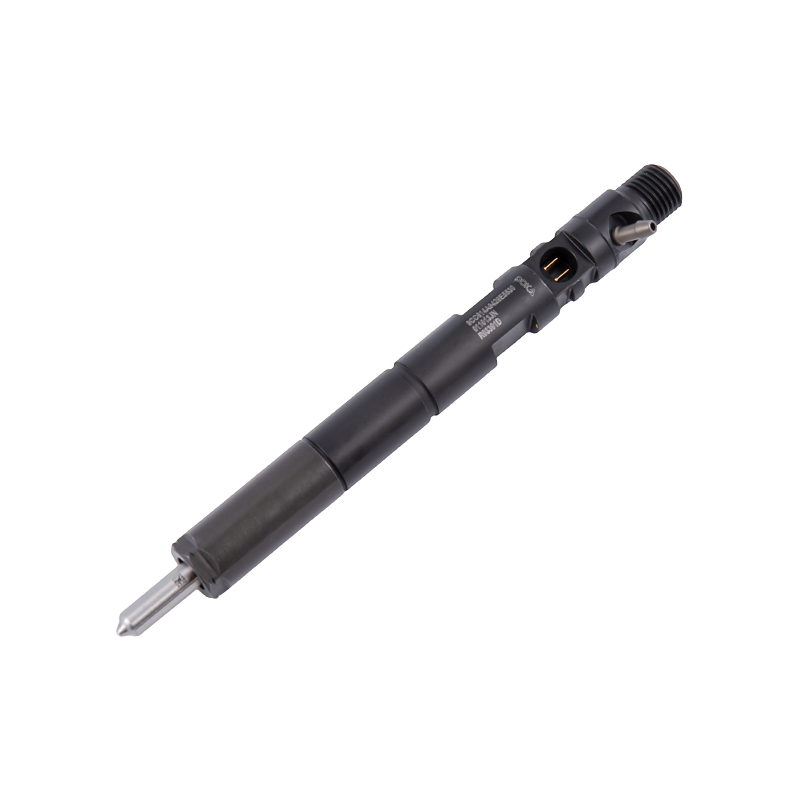
The product compatible with Delphi EJBR03301D fuel injector from the Multec Seri...
See Details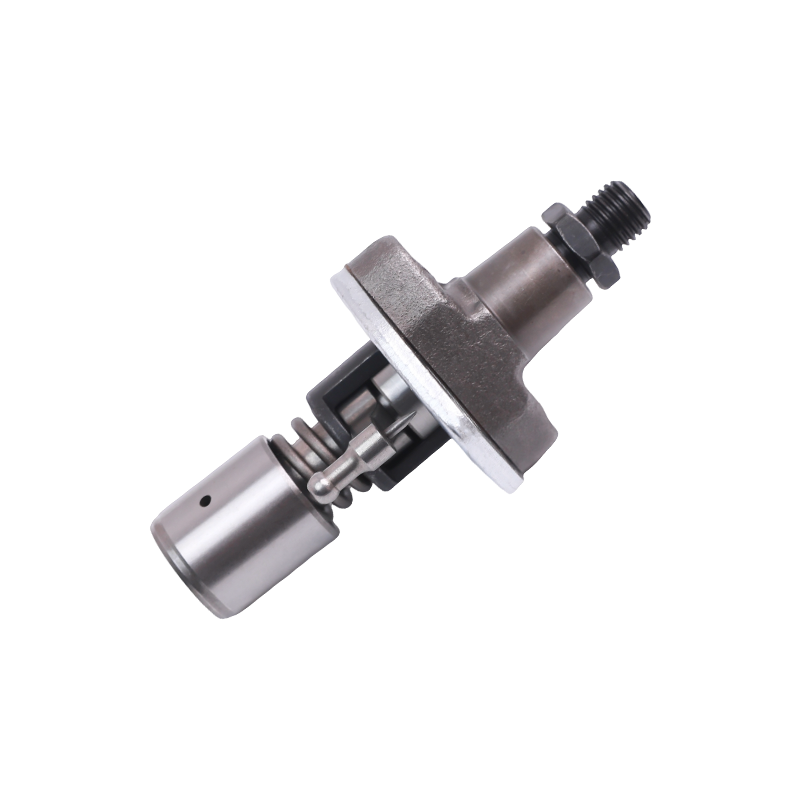
The 192F Fuel Injection Pump is engineered for Yanmar-series KD192F and KD192FE ...
See Details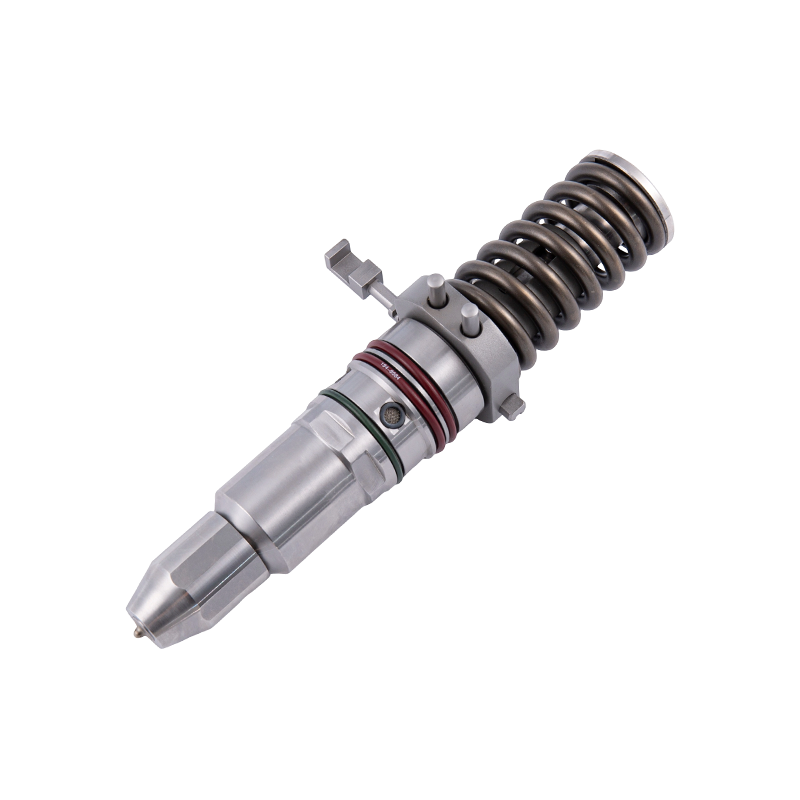
The fuel injector compatible with Caterpillar CRI/CRS series 3500A-111-3718 is d...
See Details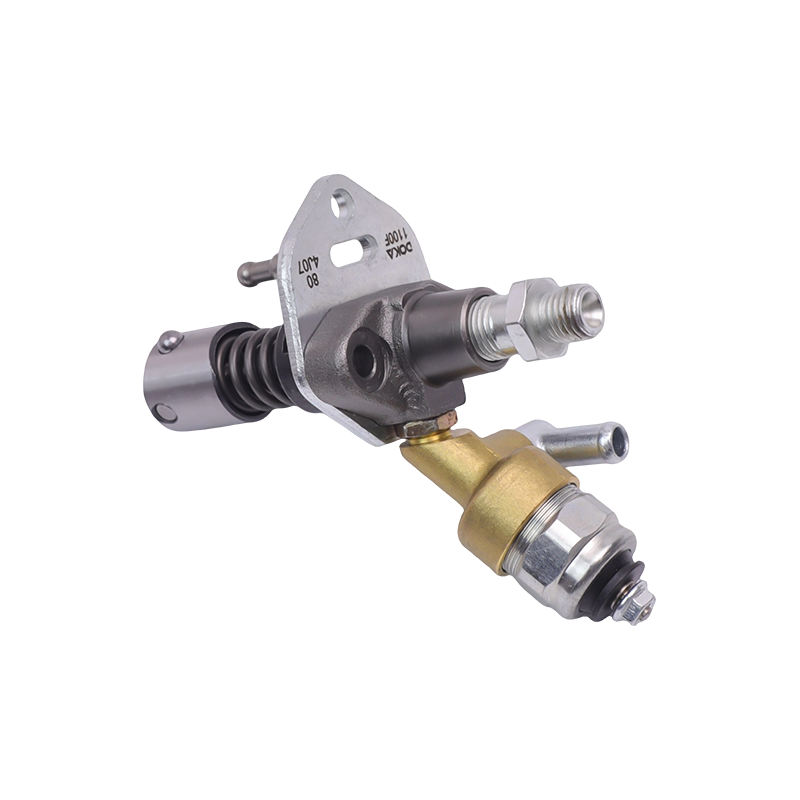
The 1100F solenoid-valve-type Fuel Injection Pump is engineered for the Yanmar-s...
See Details