中文
中文 English
 русский
 Español
News
Excellent product with exquisite craftsmanship.

 sales2@wxdoka.com
 +86-15190391637
 No.18 Xiangge Road, Hudai Town, Binhu District, Wuxi, China
In construction, compaction is one of the most important steps in creating a stable base for any structure or paved surface. Whether the project involves a residential foundation, underground utility trench, sidewalk, or road repair, poorly compacted soil can lead to settlement, cracking, and costly structural failures. Among the most effective tools for confined-area compaction is the rammer, often referred to as a tamping rammer or jumping jack compactor.
Rammers are designed to deliver high-impact force through a narrow foot, making them ideal for compacting cohesive and semi-cohesive soils in tight spaces where larger equipment cannot operate efficiently. Their vertical percussion action allows them to penetrate deeply into clay and mixed soils, creating dense, stable layers that support everything from footings to asphalt patches.
This article explores how rammers are used across construction projects, the types of jobs they are best suited for, and practical guidelines for achieving consistent compaction results.
Content
A rammer is a compacting machine that generates repeated vertical impacts through a steel or composite foot. Most models are powered by gasoline, diesel, battery, or electric motors. The internal mechanism converts rotational energy into a powerful jumping motion, allowing the machine to strike the ground hundreds of times per minute.
Unlike plate compactors, which rely primarily on vibration, rammers produce concentrated impact energy. This makes them especially effective in clay-rich soils where vibration alone may not produce adequate density.
Many construction areas are too narrow or irregular for rollers and ride-on compactors. Trenches, foundation corners, and utility corridors require a machine that can deliver high compaction energy in a small footprint. Rammers excel in these environments.
Their advantages include:
Foundations depend on uniformly compacted subgrade to distribute building loads effectively. Rammers are frequently used after excavation to compact soil beneath strip footings, slab-on-grade foundations, and retaining wall bases.
Before concrete is poured, contractors compact the soil at the bottom of trenches and footing excavations. This prevents differential settlement and minimizes the risk of cracking in walls and slabs.
After foundation walls are completed, soil backfill is placed in thin lifts and compacted with a rammer, especially near corners and tight spaces where larger machines cannot reach.
Water, sewer, gas, and electrical lines are typically installed in narrow trenches. Once pipes or conduits are placed, backfill must be compacted carefully to protect the utility and restore soil stability.
Rammers are ideal for this task because their narrow foot fits easily inside trenches while delivering sufficient force to compact each lift thoroughly.
Rammers are commonly used for small-scale road construction and patching. They compact sub-base, base materials, and asphalt in confined sections such as around manholes, curbs, and utility cuts.
Municipal contractors often rely on rammers for pothole repairs where access is limited and a roller is impractical.
Hardscape installations require stable base preparation. Rammers are used to compact soil before placing concrete sidewalks, curb forms, pavers, and retaining wall blocks.
Landscape contractors also use rammers to prepare bases for patios, garden paths, and drainage features.
| Project Type | Recommended Rammer | Key Requirement |
| Residential foundations | 70 kg gasoline rammer | Balanced power and mobility |
| Utility trenches | Narrow-foot rammer | Confined-space access |
| Indoor construction | Battery or electric rammer | Zero emissions |
| Road patching | High-impact rammer | Dense base and asphalt compaction |
| Landscaping | Lightweight rammer | Easy transport |
Place soil in layers of 15 to 25 cm to ensure uniform density throughout the depth.
Soil should be close to its optimum moisture level. Overly dry or wet soil compacts poorly.
Overlapping each pass ensures there are no weak spots.
Use field density testing when required by engineering specifications.
Operators should wear hearing protection, gloves, steel-toe boots, and eye protection. Before starting, inspect the work area for underground utilities and unstable trench walls. Proper training is essential to reduce vibration exposure and ensure safe handling.
From building foundations to road repairs, rammers play a critical role in achieving reliable soil compaction in confined spaces. Their ability to deliver concentrated impact energy makes them indispensable for contractors working with cohesive soils and tight jobsite conditions.
Choosing the right rammer, following best compaction practices, and maintaining the equipment properly will help ensure stronger structures, smoother pavements, and longer-lasting construction results.
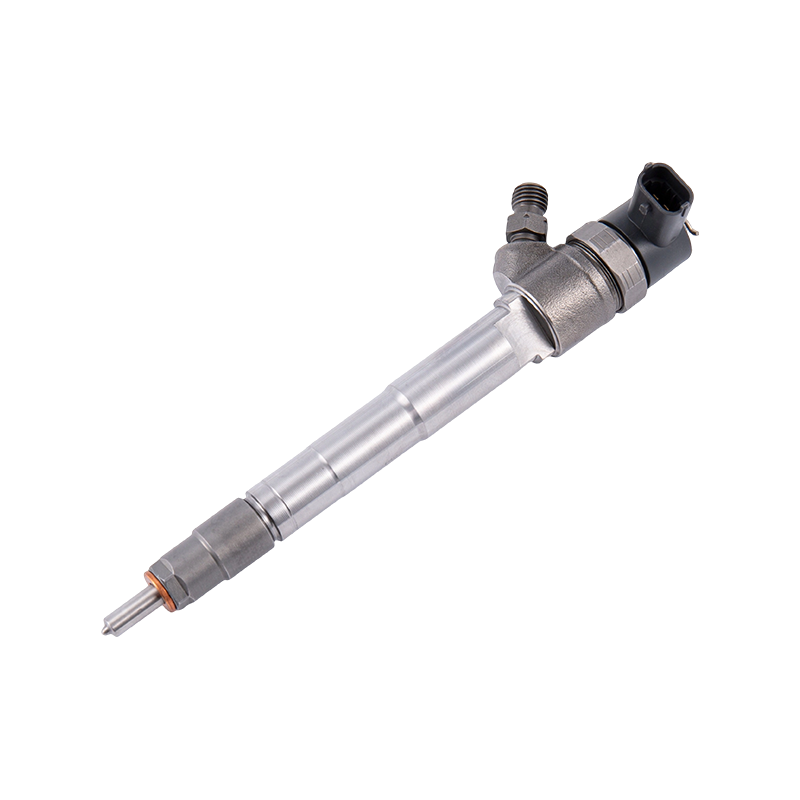
The 0445110376 common rail diesel injector is compatible with the Bosch CRI 110 ...
See Details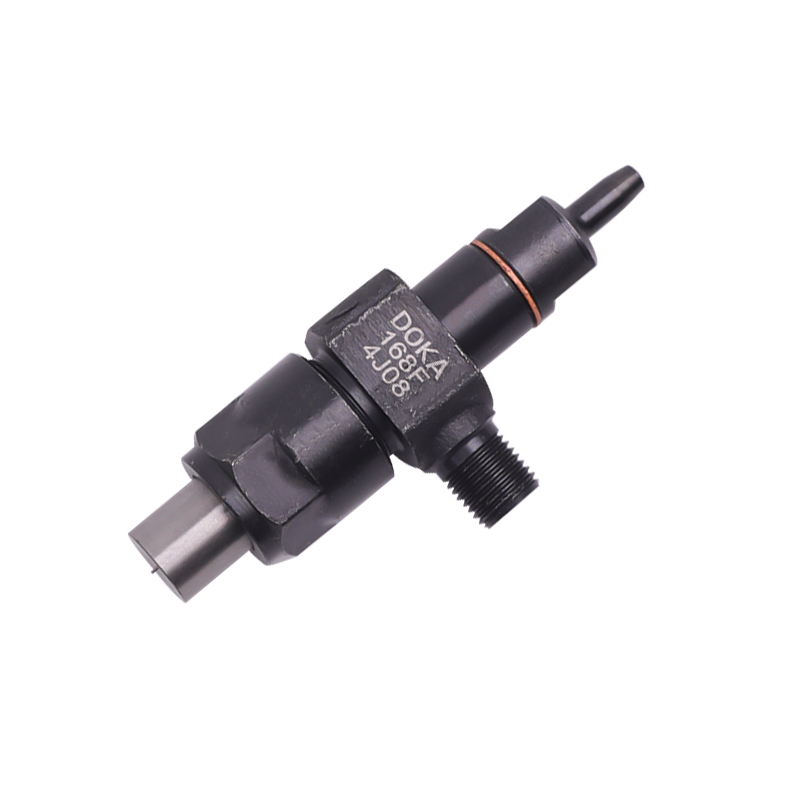
The 168F injector is specifically designed for the Yanmar 168F single-cylinder d...
See Details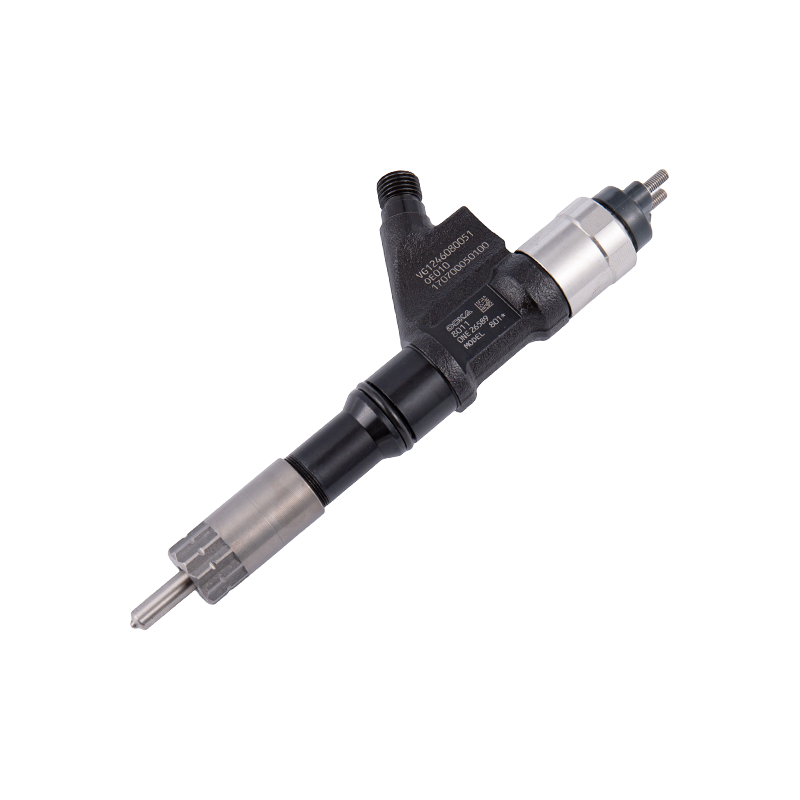
The fuel injector compatible with DENSO 095000-8011 from the G2 Series is engine...
See Details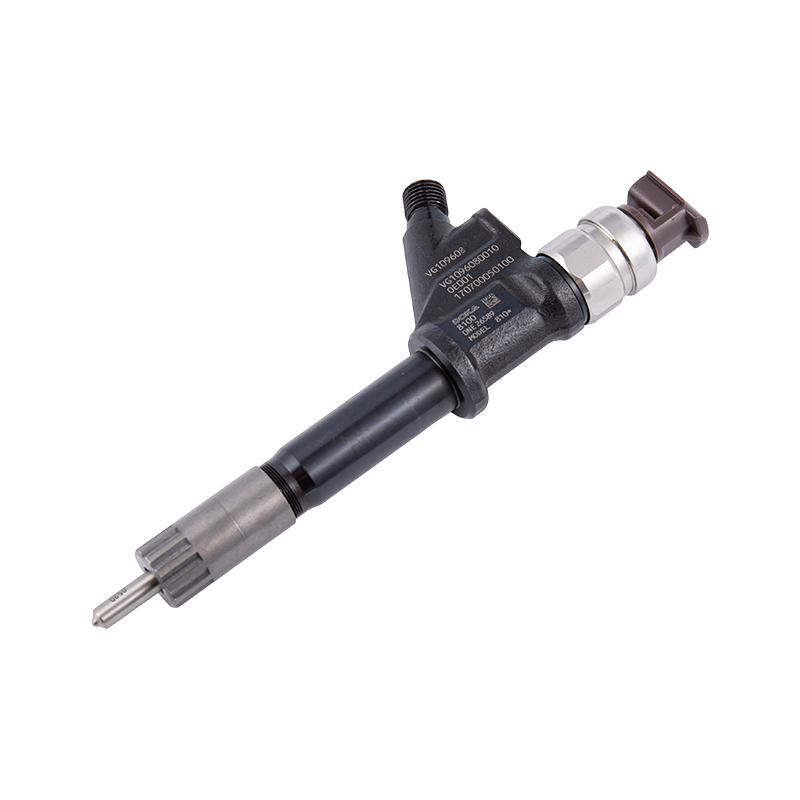
This product is compatible with Denso G2 series piezoelectric direct-controlled ...
See Details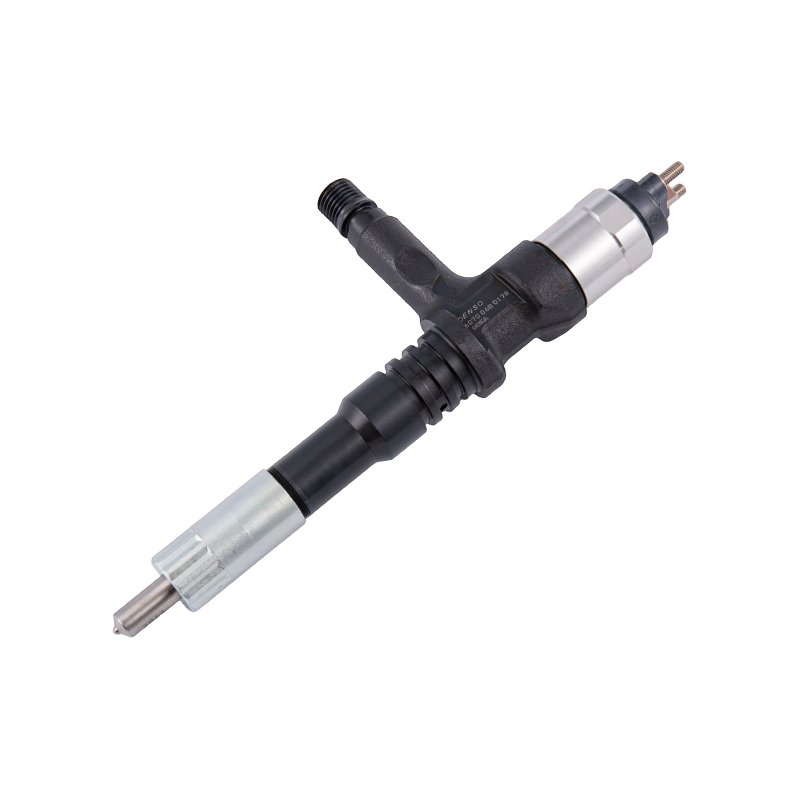
This product is compatible with Denso G2 series piezoelectric direct-controlled ...
See Details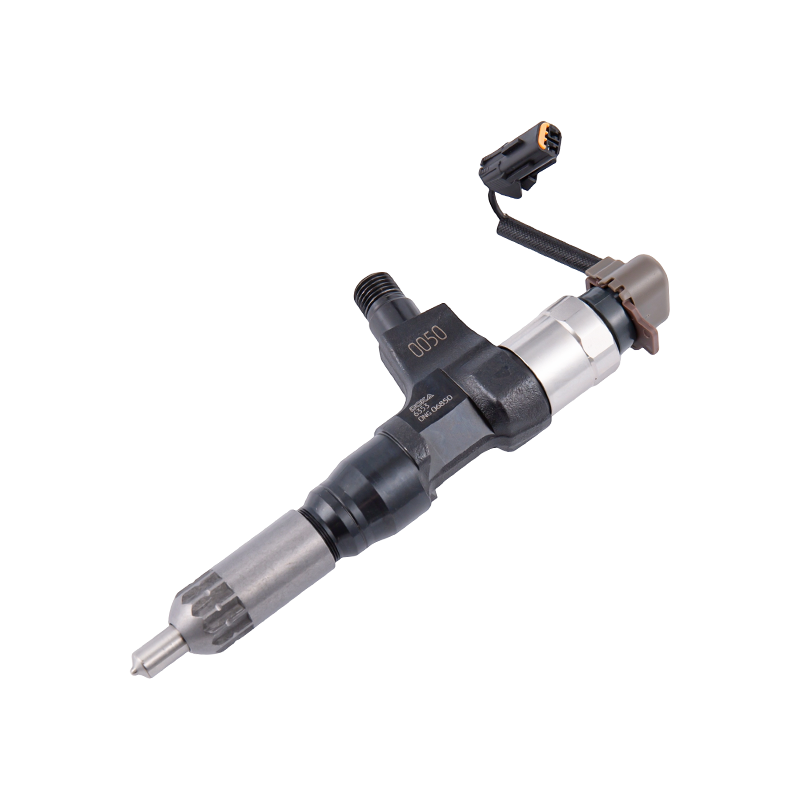
This product is compatible with Denso G2 series piezoelectric direct-controlled ...
See Details