中文
 English
 русский
 Español
News
Excellent product with exquisite craftsmanship.

 sales2@wxdoka.com
 +86-15190391637
 No.18 Xiangge Road, Hudai Town, Binhu District, Wuxi, China
Ask anyone who has spent a season in a workshop that services Caterpillar equipment and you will get the same answer twice: the HEUI system is either beautifully simple or quietly maddening, depending on the day. It fires each injector with high-pressure engine oil instead of a camshaft lobe, which means it rewards the people who pay attention to oil quality and punishes the ones who do not. For buyers outside China, "China heui caterpillar" is often the search that starts a long chain of questions: which injector numbers actually fit, what a remanufactured unit is worth, and how to tell a serious supplier from a trader with a photo library.
We have spent more than fifteen years building fuel injection components in Wuxi, and a fair share of that time has been spent on Caterpillar HEUI and CRI/CRS injectors. What follows is a plain walk-through of how the system behaves, where it fails, and what to look for when you source parts for it.
Content
HEUI stands for hydraulically actuated, electronically controlled unit injector. Instead of a mechanical rocker pushing a plunger, the engine's own oil is pressurised by a dedicated high-pressure oil pump, sometimes to around 3,000 psi, and routed to each injector. When the ECM commands injection, a solenoid opens an oil control valve, high-pressure oil pushes down on an intensifier piston, and the fuel underneath it is amplified to injection pressures that can reach the low 20,000 psi range before the nozzle lifts.
That design gives the ECM unusual freedom. Injection timing and duration are no longer tied to a cam profile, so the system can deliver a small pilot shot ahead of the main event, soften combustion knock, and reduce oxides of nitrogen without giving up fuel economy. It is the arrangement behind the 3126 family, the C7 and C9 platforms, and the larger 3408E and 3412E engines.
The trade-off is that every one of those benefits depends on clean, correctly specified oil. Aerated oil, a restricted filter, the wrong viscosity in cold weather, or a tired oil pump will show up as a hard start, a misfire, or a power complaint that looks exactly like a failed injector. More than once we have seen an injector replaced when the real culprit was an oil circuit drawing air.
The fleets that run HEUI engines are ageing but not retiring. Excavators, wheel loaders, motor graders, on-highway trucks, generator sets and marine engines built around the 3126, C7 and C9 are still working daily in agriculture, construction and power generation. Owners keep them because they are simple to repair and cheap to keep in service, and because the rest of the machine is usually still solid.
That keeps steady demand for injectors that cost far less than a dealer part while still holding up in the field. Chinese manufacturers in Jiangsu and neighbouring provinces have been producing fuel injection components for decades, and the better factories now run simulation, bench testing and calibration in-house rather than outsourcing it. The gap between a genuine rebuild and a good aftermarket unit has narrowed considerably, but the gap between a good aftermarket unit and a poor one has not. The difference is almost always process: how the nozzle is matched, how the spool valve is lapped, and whether anyone actually tested the finished injector before boxing it.
Before you order anything, it helps to know what the symptoms are telling you. The table below covers the complaints that reach our inbox most often, and the check we would make before spending money on a replacement.
| Symptom | What it usually points to | Check this first |
|---|---|---|
| Hard cold start, white smoke, rough idle for a minute | Air entering the oil circuit, spool valve or O-ring wear | Oil level and grade, filter restriction, injector O-rings and copper washer |
| Low power under load, black smoke, poor economy | Worn nozzle tip or a weakened intensifier | Spray pattern on a bench, oil rail pressure under load |
| Fuel dilution of engine oil | Failing injector body seals | Oil analysis, injector O-rings, fuel pressure at the cylinder head |
| Engine oil appearing in the fuel tank | Internal seal failure | Bench test of the suspect injector, seal condition |
| Single-cylinder misfire with an electrical code | Solenoid, harness or valve cover gasket | Continuity and resistance at the solenoid, harness routing |
| Rising oil consumption and blue smoke | Oil passing the injector into the combustion chamber | Sleeve and O-ring seating, cylinder contribution test |
None of these checks takes long, and each one protects you from buying a part you did not need. On a six-cylinder engine, a single weak injector will drag the whole bank down, so a contribution test before teardown saves both time and money.
HEUI injectors changed internally across the years even when the outside looked identical, and that is where most sourcing mistakes happen. A C7 injector built for one serial number break will physically bolt into an earlier engine and then idle badly, smoke, or throw codes, because the trim codes and internal calibration do not match the ECM's expectations.
Work from the engine serial number, not from the machine model. Then confirm the injector number itself, and ask the supplier to state plainly which numbers their unit replaces. A reliable supplier will tell you when a part does not fit; a trader will simply confirm everything you ask.
It is also worth asking how the unit is described. A "new" injector, a "remanufactured" injector and an "OE-compatible" injector are three different products with three different price points, and the honest label matters more than the marketing wording. For high-hour machines, a properly remanufactured unit tested against a known-good reference is often the better economic decision, provided the nozzle and spool valve are genuinely replaced rather than cleaned and refitted.
Our own process runs from simulation and design through bench validation, assembly calibration and environmental testing, and the HEUI line is treated no differently from the common rail lines. Every injector is tested for opening behaviour, delivery across the operating range, return flow and solenoid response, and the results are checked against a reference curve rather than a simple pass-or-fail.
Because we also manufacture nozzles, plungers and valve assemblies in-house, we can control the tolerances that matter most in a HEUI unit: nozzle hole geometry and flow consistency, spool valve fit, and the surface finish on the intensifier bore. That is how our
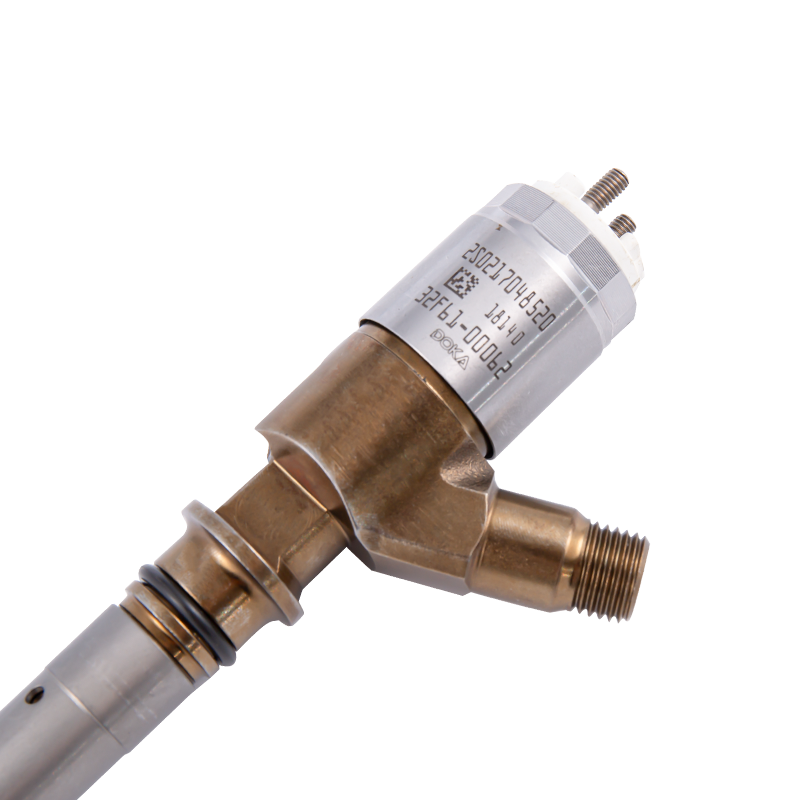 Compatible Caterpillar HEUI Fuel Injector C6-212-3460Compatible HEUI injector for Caterpillar C6.6/C7.1 Tier 3 engines, offering mechanically controlled operation, uniform spray, and easy maintenance for construction machinery and generator sets.View Product →
is built, and it is why we can quote the same numbers to a rebuild shop in South America and a fleet workshop in Southeast Asia.
Volume helps here. With more than 1.2 million sets installed annually across our ranges, we can keep tooling and test benches current in a way that smaller workshops cannot, and problems found on one production batch are corrected before the next one ships.
Fitting a good injector into a dirty system is a waste of a good injector. Before installation, flush or replace the oil, confirm the oil filter is genuine or of equivalent efficiency, and check the oil rail for debris. Use the viscosity grade the engine was calibrated for, and in cold climates respect warm-up: thick oil that will not flow will not actuate an intensifier piston properly.
Torque matters too. The injector hold-down and the oil and fuel connections each have a specification, and a stretched hold-down or a reused copper washer is a common cause of compression leaks and oil in the fuel. After fitting, prime the oil system, crank briefly with the injectors disabled if the procedure allows, then start and check rail pressure against the expected value at idle and under load.
Once the machine is back in service, short oil change intervals and periodic oil analysis are the cheapest insurance available. If you want a deeper maintenance routine, our workshop notes on maintaining Caterpillar HEUI fuel systems walk through the sequence step by step.
When you compare suppliers for HEUI parts, keep the questions narrow and specific. The answers separate factories from resellers quickly.
A supplier who hesitates on the first two questions is not a supplier you want on a machine that earns money every day.
The HEUI system has been in service long enough that its weaknesses are well understood, and none of them are mysterious. Clean oil, correct fitment and a tested injector solve the overwhelming majority of complaints. What remains is usually a diagnostic question rather than a parts question.
If you are still working out which unit suits your engine, start with our Caterpillar HEUI series overview and send us the engine serial number and the number stamped on the injector body. We will tell you what matches, what does not, and what we would check on the machine before anyone spends money.
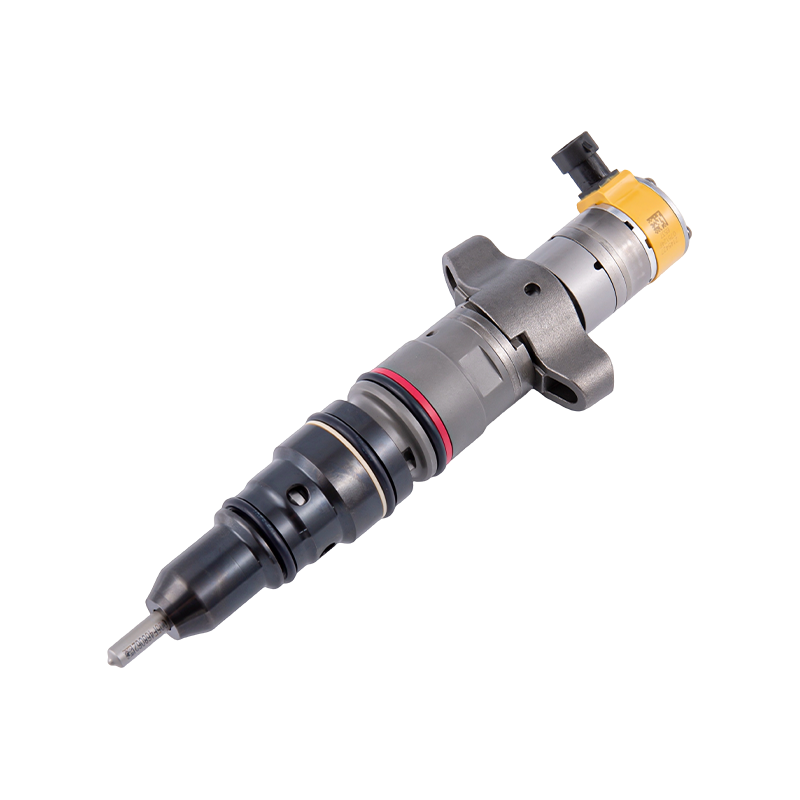
The injector is compatible with Caterpillar HEUI series injector CAT C9-387-9433...
See Details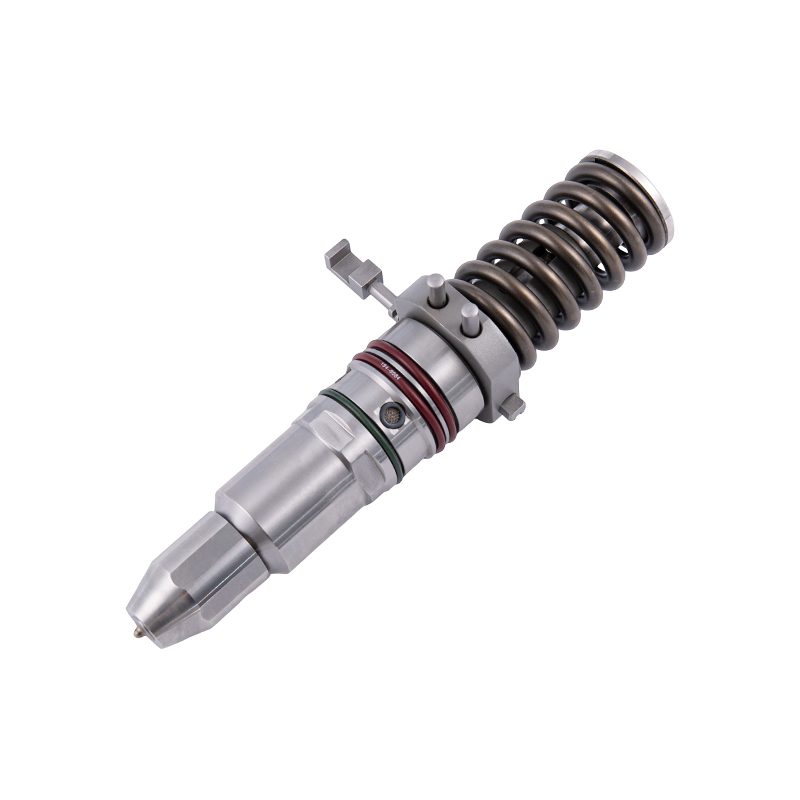
The fuel injector compatible with Caterpillar CRI/CRS series 3500A-111-3718 is d...
See Details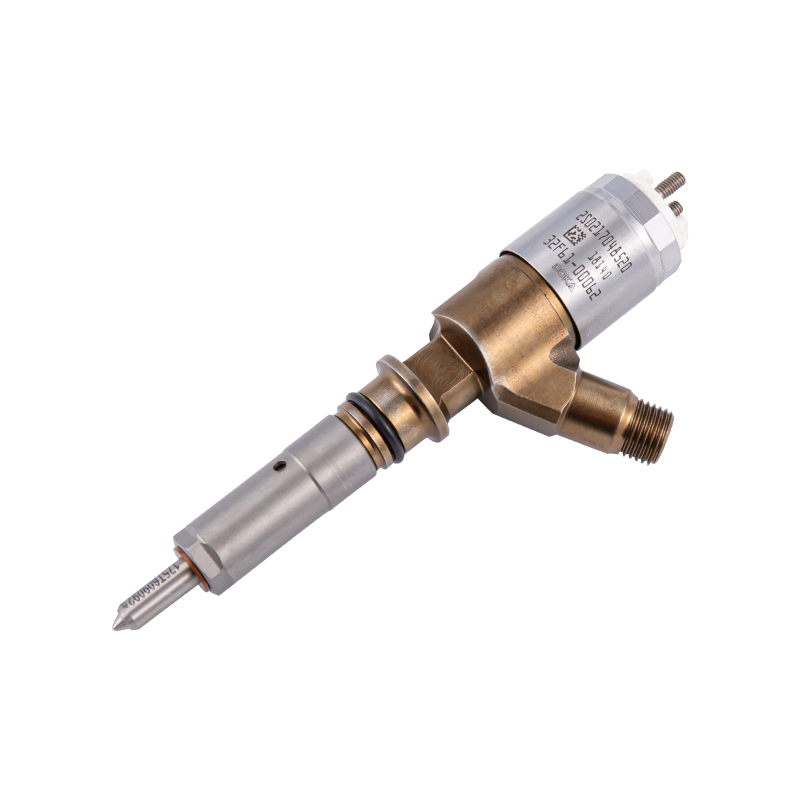
Compatible with Caterpillar HEUI series fuel injector CAT C6-212-3460, suitable ...
See Details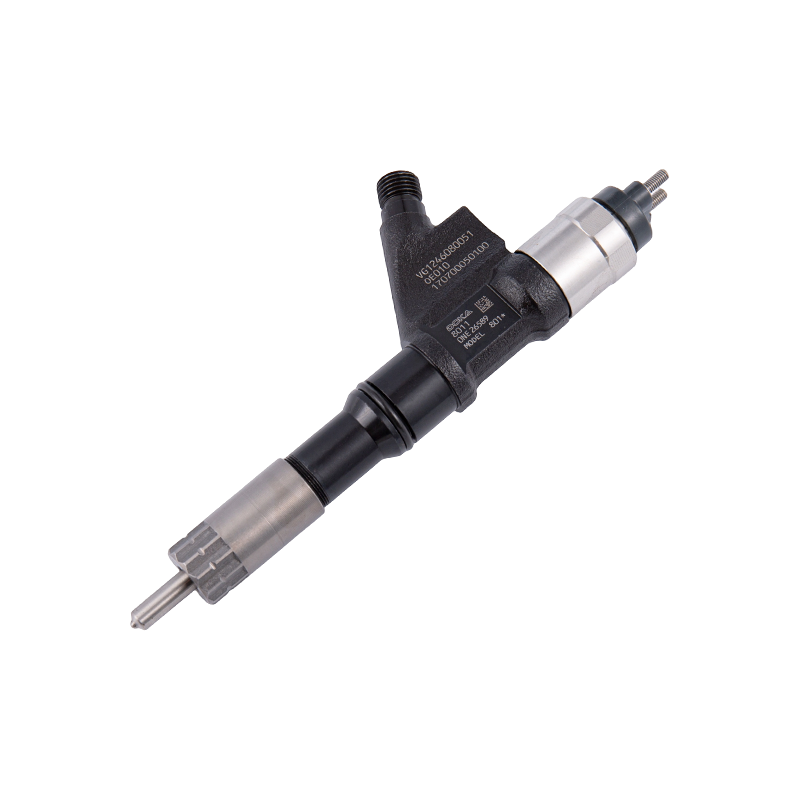
The fuel injector compatible with DENSO 095000-8011 from the G2 Series is engine...
See Details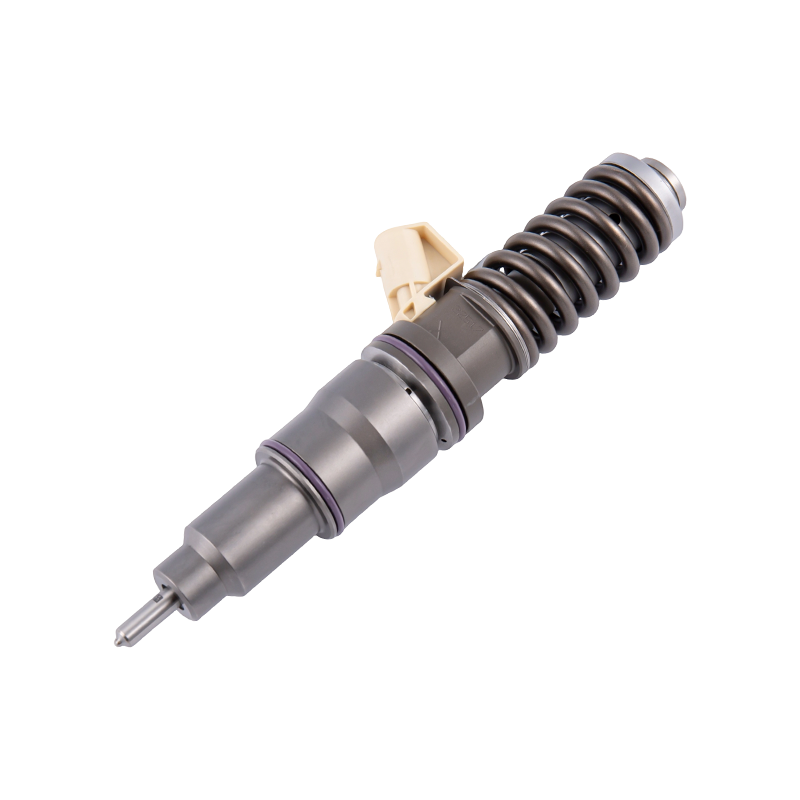
The product compatible with Delphi 20440388 fuel injector from the HDU Series is...
See Details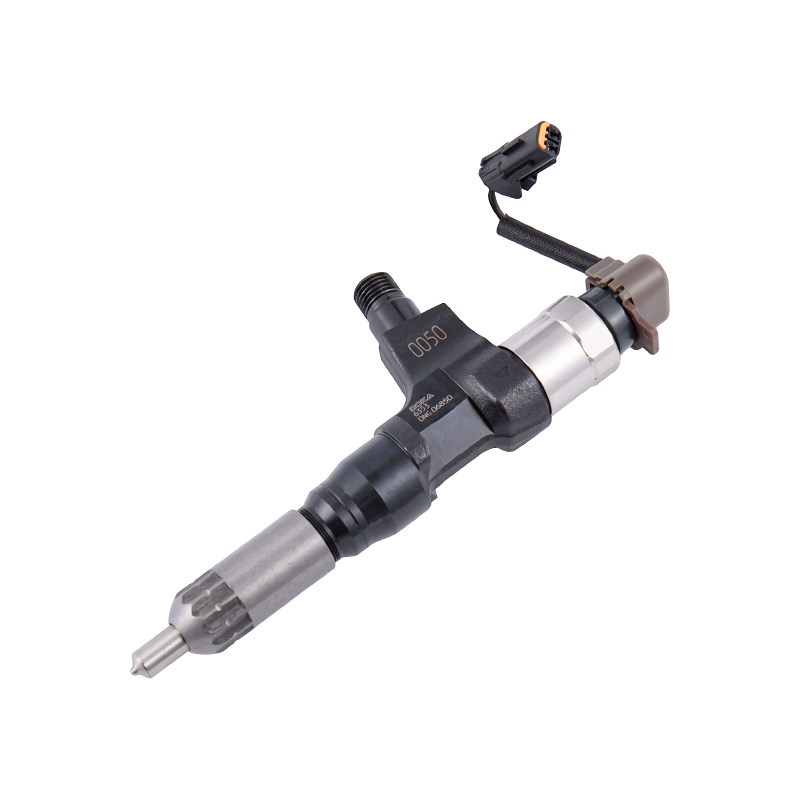
This product is compatible with Denso G2 series piezoelectric direct-controlled ...
See Details