中文
 English
 русский
 Español
News
Excellent product with exquisite craftsmanship.

 sales2@wxdoka.com
 +86-15190391637
 No.18 Xiangge Road, Hudai Town, Binhu District, Wuxi, China
Common rail diesel engine technology changed the way diesel engines breathe, meter, and burn fuel. Instead of tying injection pressure to engine speed and camshaft position, it separates pressure generation from the injection event. That single design decision gave engineers room to shape combustion more precisely — and gave drivers, mechanics, and equipment operators smoother power, lower noise, and better fuel economy.
In this guide, we will walk through the architecture, the fuel path, the injection strategies that make the system shine, and the practical habits that keep it healthy.
Content
At its heart, a common rail system stores pressurized fuel in a shared rail and delivers it to each injector through short, equal-length lines. A high-pressure pump keeps the rail charged, while the engine control module (ECM) decides when each injector opens and how long it stays open. Because pressure is generated independently of injection, the system can maintain high pressure even at low engine speed — something mechanical systems struggle to do.
That independence is the real breakthrough. It allows multiple injection events per combustion cycle, precise fuel metering, and pressure levels that can exceed 2,000 bar in modern engines. If you want a closer look at the injector side, this explanation of how a common rail injector works in a diesel is a useful companion read.
| Feature | Mechanical inline pump | Unit injector | Common rail |
|---|---|---|---|
| Pressure generation | Engine-driven, speed-dependent | Cam-driven, tied to engine | Independent high-pressure pump |
| Injection timing | Governor and mechanical advance | Electronically trimmed but cam-limited | Fully electronic and flexible |
| Pilot injection | Very limited | Possible on some designs | Standard on most modern systems |
| Service access | Simple but imprecise | Injector and cam service can be costly | Requires diagnostics and clean fuel discipline |
Common rail systems vary by application, but the main building blocks are consistent. Understanding what each part does makes diagnosis far less mysterious.
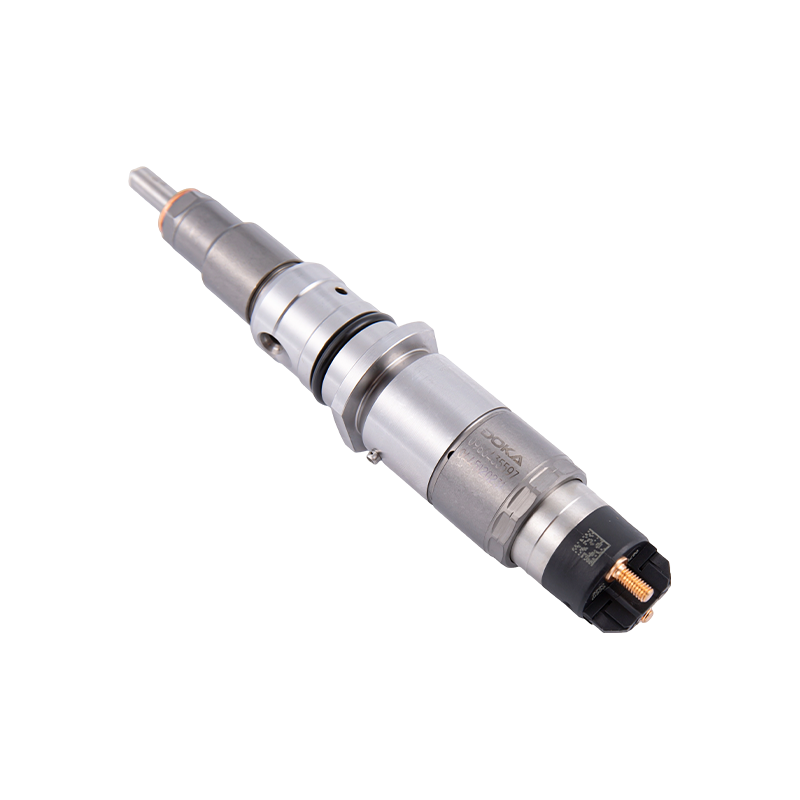 CRIN 120 Series Common Rail Injector 0445120231Heavy-duty CRIN 120 injector for Komatsu HD785 and Hitachi EX3600 mining equipment, with dust-resistant sealing and vanadium-alloy valve seat for high-load use.View Product →
The injector is a small precision assembly, and tiny wear points can have a large effect. Nozzle condition, valve sealing, and internal leakage all influence how much fuel reaches the combustion chamber. For a closer look at the injector family used in many heavy-duty applications, browse our CRIN 120 series common rail injectors.
The path from tank to combustion chamber follows a logical sequence. Once you understand the flow, troubleshooting becomes more structured.
The ECM constantly adjusts rail pressure and injection duration based on demand, temperature, air mass, and emissions requirements. The system is a live control loop, not a set of fixed mechanical settings.
One of the great advantages of common rail is the ability to split a single injection event into several smaller ones. This is where much of the technology's refinement comes from.
A small quantity of fuel is injected shortly before the main event. It pre-conditions the combustion chamber, reduces the pressure rise rate, and softens combustion noise. Pilot injection also helps lower nitrogen oxide formation by starting combustion more gently.
The main event delivers the bulk of the fuel and therefore most of the engine's power. Its timing and duration are mapped across engine speed and load.
A late injection event can raise exhaust temperature for diesel particulate filter regeneration or help manage soot and emissions. It is used selectively because late combustion can affect efficiency and oil dilution.
The calibration is sophisticated, but the principle is simple: common rail gives the ECM a fast, flexible fuel delivery tool, and the software decides how to use it.
Diesel combustion relies on fuel being atomized into very small droplets and mixed with hot compressed air. Higher injection pressure produces finer droplets, better air entrainment, and more complete combustion. That translates into smoother power delivery, lower smoke, and improved efficiency.
Modern common rail systems often run at 1,600 to 2,500 bar, with some applications pushing higher. Rail pressure is not constant; it is scheduled according to operating conditions. At idle, lower pressure reduces noise and energy consumption. Under load, pressure rises to support fuel quantity and atomization.
Piezoelectric injectors take precision further. Instead of a solenoid, they use a stack of piezoelectric crystals that changes length when voltage is applied. The result is very fast, repeatable response and flexible multiple-injection capability.
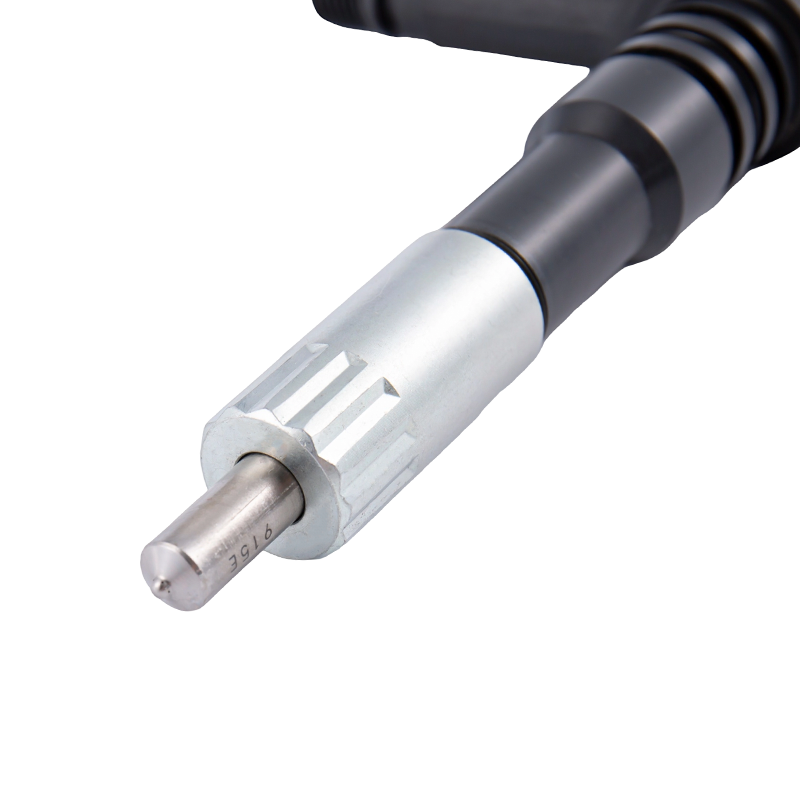 Denso G2 Piezoelectric Fuel Injector 095000-6070Piezoelectric injector for Komatsu PC350-7, PC400-7, WA320 and WA470, designed for fast, precise high-pressure injection in demanding construction and mining work.View Product →
High pressure also places high demands on every component. Fuel cleanliness, injector sealing, and hydraulic stability matter more than they did on lower-pressure systems. Filtration and diagnostic discipline are part of the technology's operating envelope, not optional extras.
A common rail engine usually tells you when something is drifting out of spec. The trick is to read the symptoms as clues rather than jumping straight to parts replacement.
Maintenance is mostly about protecting precision components. Use the specified filter, service the water separator, avoid contaminated fuel, and follow diagnostic procedures before condemning an injector. A clean, pressure-stable fuel system will usually reward you with a long service life.
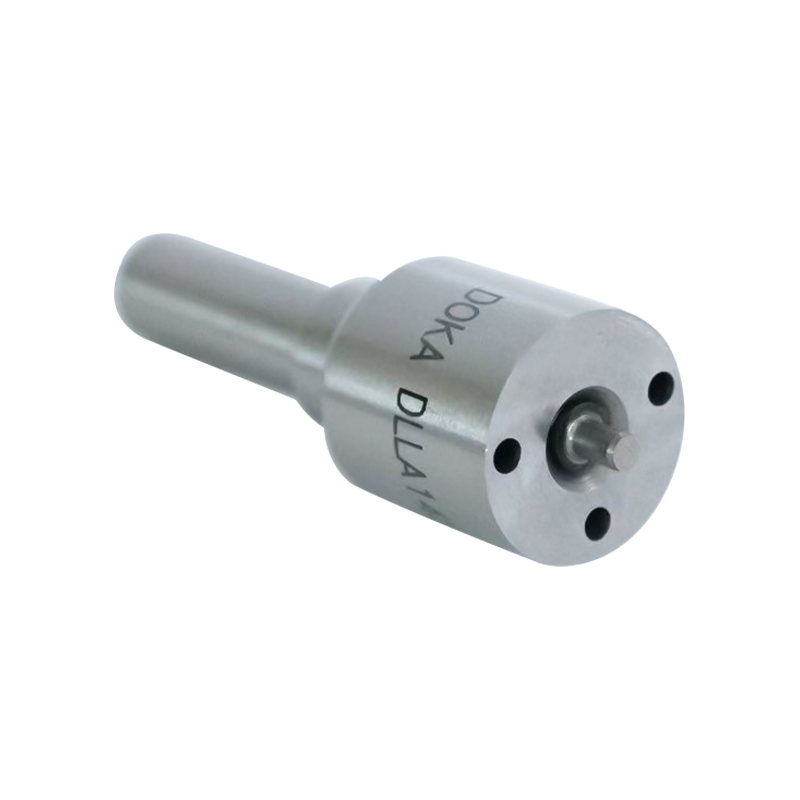 DLLA145P864 Common Rail Fuel NozzleDLLA145P864 common rail nozzle for diesel engines, made from heat- and corrosion-resistant alloy to support uniform atomization and efficient combustion.View Product →
When replacement is necessary, matching the correct nozzle and injector variant matters. Small differences in spray angle, flow rate, and valve design can change emissions, power, and driveability.
Common rail repair is not a place for generic guesses. The same engine family can use different injector codes, nozzle types, and pressure strategies across model years and markets. The safest approach is to identify the exact application, confirm the part number, and verify that the replacement is built to the right tolerance and flow specification.
At DOKA, that matching discipline is central to how we work. We have spent more than 15 years in fuel injection systems, and our production process includes simulation, bench validation, assembly, and environmental testing. Our flexible lines allow us to manufacture nozzles, plungers, and delivery valves side by side, which helps keep tolerances consistent. With more than 1.2 million sets installed annually, we have seen how small details decide whether a repair lasts.
Whether you service agricultural engines, construction equipment, generators, or road vehicles, the goal is the same: restore original fuel delivery behavior rather than simply making the engine run.
Common rail diesel engine technology is best understood as a system, not a collection of separate parts. Pressure generation, electronic control, injector response, fuel cleanliness, and combustion calibration all influence one another. When the system is healthy, the result is quiet, efficient, and responsive diesel power. When something drifts, the symptoms usually point toward the area that needs attention — provided you approach diagnosis methodically.
If you are maintaining or rebuilding a common rail engine, start with clean fuel and accurate information, then choose components that match the application. That combination will always beat guesswork.
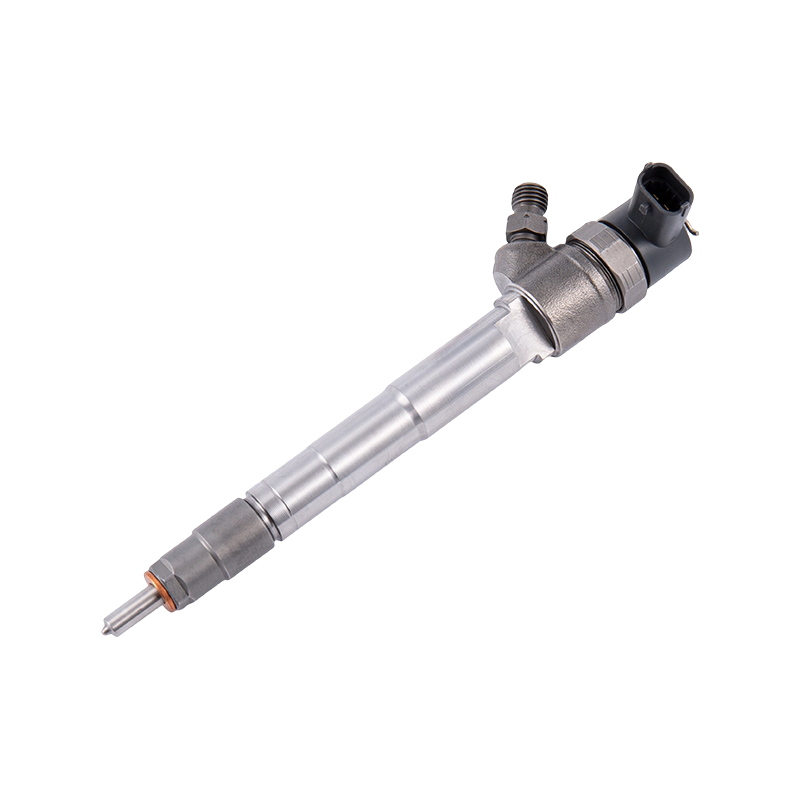
The 0445110376 common rail diesel injector is compatible with the Bosch CRI 110 ...
See Details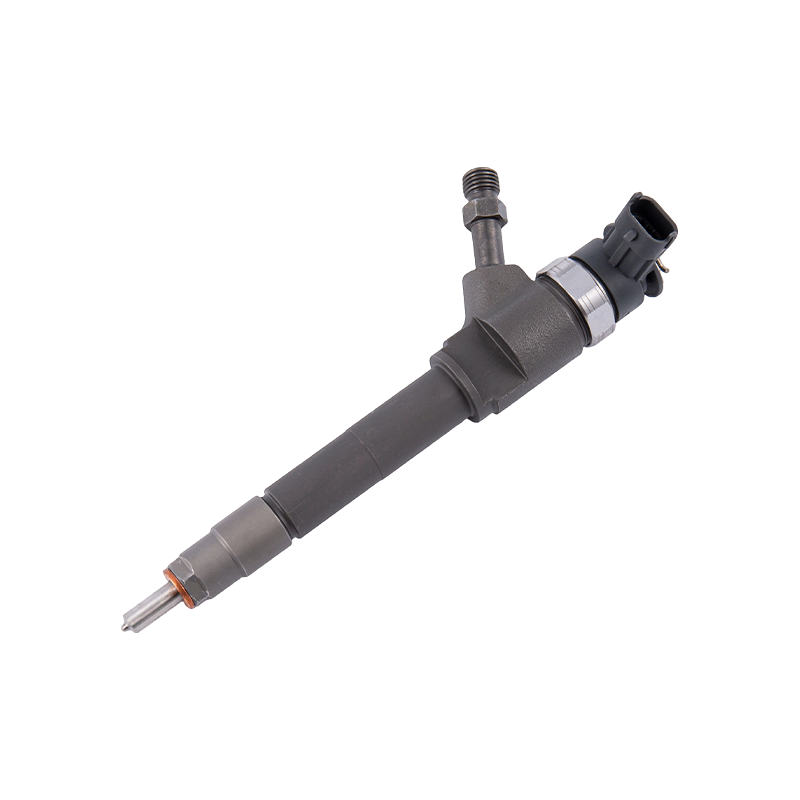
The 0445110249 common rail diesel injector is highly compatible with the Bosch C...
See Details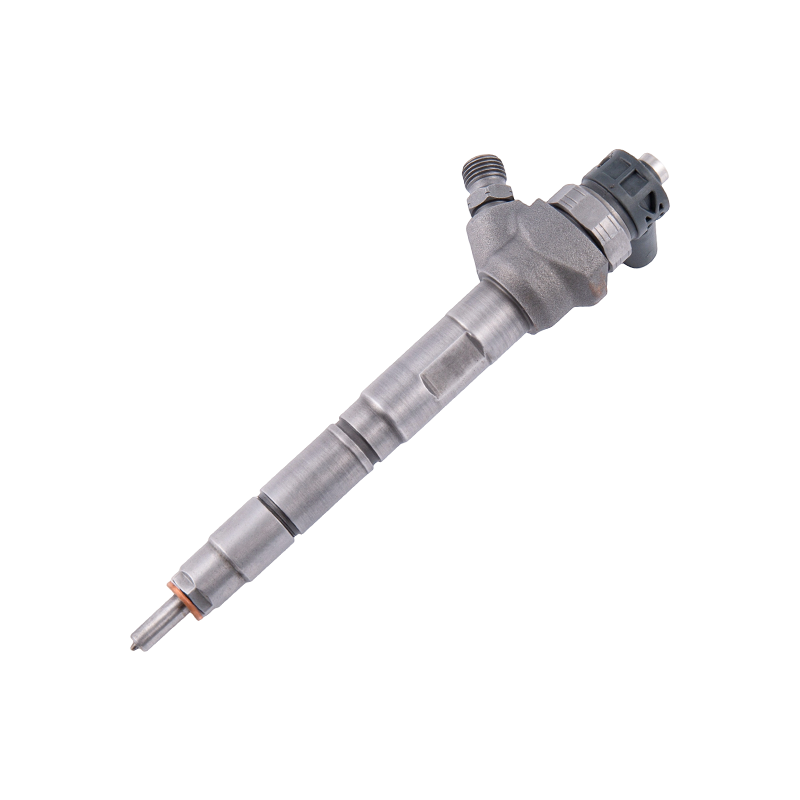
The 0445110646 common rail diesel injector is compatible with the Bosch CRI 110 ...
See Details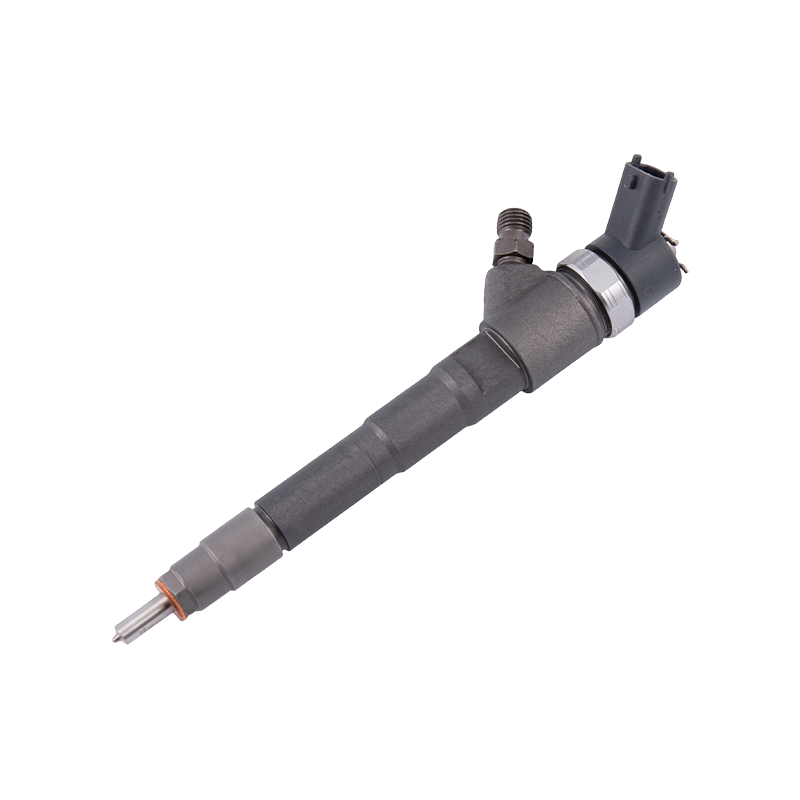
The 0445110273 common rail diesel injector is compatible with the Bosch CRI 110 ...
See Details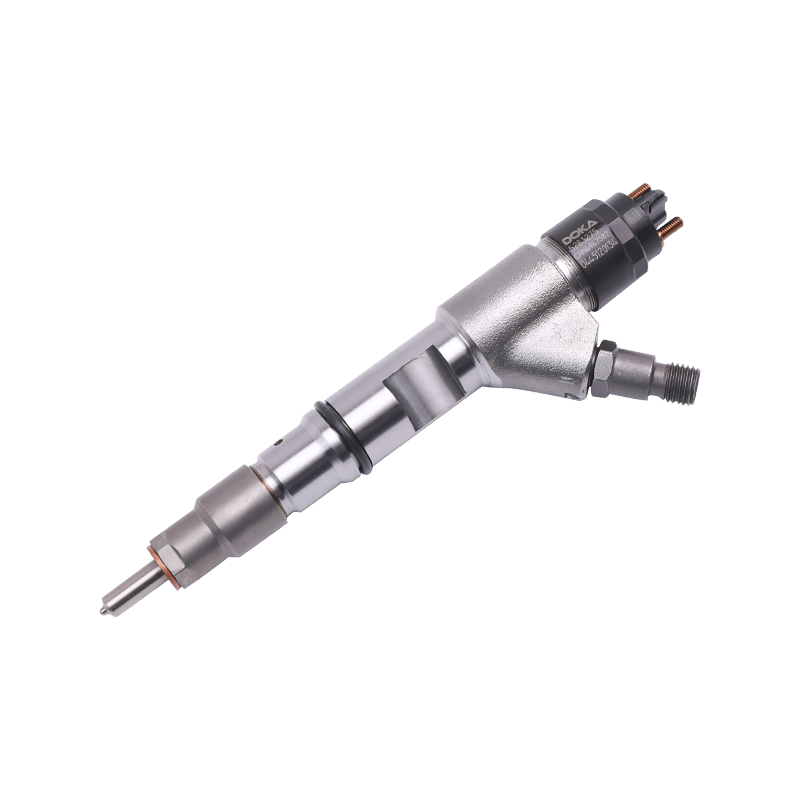
The 0445120134 injector is compatible with the Bosch CRIN 120 Series. It is desi...
See Details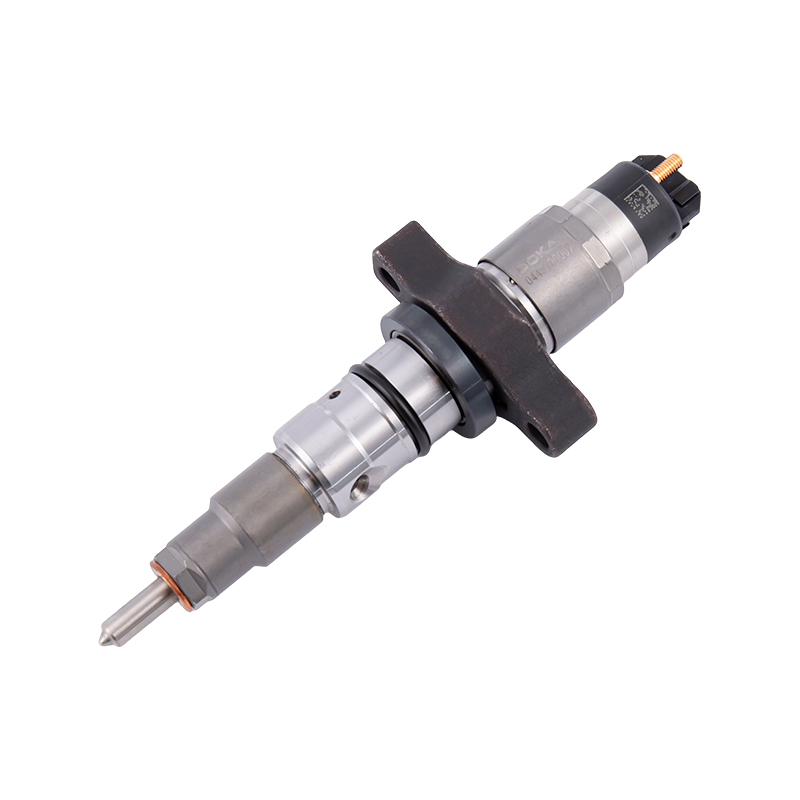
The 0445120007 Common Rail Injector, which is compatible with the Bosch CRIN 120...
See Details