中文
中文 English
 русский
 Español
News
Excellent product with exquisite craftsmanship.

 sales2@wxdoka.com
 +86-15190391637
 No.18 Xiangge Road, Hudai Town, Binhu District, Wuxi, China
Caterpillar HEUI injectors sit at the centre of some of the hardest-working diesel engines ever built, from highway trucks to dozers, excavators and marine power units. HEUI stands for Hydraulically actuated Electronic Unit Injector, and the name describes the design neatly: high-pressure engine oil, not a camshaft lobe, is what forces fuel into the combustion chamber.
That single design decision explains why these injectors behave so differently on the bench, and why so many HEUI faults get misdiagnosed. An engine that idles rough or drops a cylinder is often assumed to have a dead injector, while the real cause turns out to be aerated oil, a tired high-pressure oil pump, a leaking injection pressure regulator, or a chafed harness under the valve cover.
We have been building and reconditioning fuel injection components for more than fifteen years, and Caterpillar HEUI units remain among the most requested parts in our workshops. This is a practical look at how they work, how they fail, and what to check before you spend money on replacements.
Content
In a conventional unit injector or a pump-line-nozzle system, the camshaft decides almost everything: timing, pressure and duration are tied to the cam profile and the speed of the engine. HEUI separates those jobs. A dedicated high-pressure oil pump and the injection pressure regulator build pressure in an oil rail, the ECM decides how much is needed, and each injector uses that oil to multiply pressure on the fuel side.
The trade-off is sensitivity. Oil is now both a lubricant and a hydraulic fluid, so anything that changes oil pressure, viscosity or aeration changes how the engine runs.
The first widely used version, usually called HEUI-A, arrived in the mid-1990s and powered a long list of Caterpillar engines, including the 3126 family and the large 3408E and 3412E units. HEUI-B followed with revised oil passages and an updated spool valve, giving quicker response and better durability. The two share a working principle, but the injectors are not interchangeable and part numbers must be matched to the engine serial number range.
If you want a fuller technical walkthrough of the oil circuit and the injector body, our guide to what you need to know about the Caterpillar HEUI is a good place to start.
The firing sequence is short, but every step depends on the one before it:
There is no cam lobe pushing the plunger and no mechanical link between crankshaft position and injection pressure. Everything is commanded, which is exactly why electrical and oil-side faults can imitate injector failure so convincingly.
HEUI injectors do fail, but they rarely fail first. The table below pairs the complaints we hear most often with the faults that usually produce them.
| Symptom | Most likely cause | First thing to check |
|---|---|---|
| Rough idle and cold misfire | Injector stiction from oil varnish | Oil condition and change history, spool valve |
| Long crank, low power under load | Low oil rail pressure | High-pressure oil pump, pressure regulator, oil level |
| Erratic running after an oil change | Oil aeration | Oil level, pick-up tube, oil quality |
| No start, no injector pulse | Driver module or harness fault | Connectors, module, valve cover harness |
| Fuel in the oil or external leaks | O-ring and seal failure | Injector o-rings, sleeve bore, copper washer |
| Hard misfire on one cylinder | Solenoid coil failure | Coil resistance and injector circuit |
| Black smoke, poor atomisation | Nozzle wear or coking | Nozzle condition, fuel filtration |
Notice how many of these start with oil or electronics rather than the injector body. Fitting new injectors without correcting an aeration problem or a failing oil pump simply puts fresh parts in front of the same fault.
In a HEUI system, engine oil travels from the sump to the high-pressure pump, into the rail, through the injector spool valve and back again. It lubricates, it seals and it transmits force, which is a lot to ask of one fluid. Soot loading, oxidation and varnish all change how quickly the spool valve moves, and a valve that sticks for a fraction of a second delays injection. The driver feels that as a stumble or a misfire.
Air in the oil is worse, because aerated oil compresses and rail pressure becomes unstable, making the engine surge or rattle in ways that look purely electrical. Use the oil grade and specification the manufacturer calls for, keep the sump at the correct level rather than overfilling it, service oil and filters on schedule, and repair any restriction in the oil circuit before blaming the injectors.
Three details decide whether a replacement will work: the injector part number, the engine serial number range, and the actual diagnosis. Part numbers change across production runs, and two injectors that look identical from the outside can differ in internal calibration.
It also helps to think in sets. Injectors wear together under the same oil and fuel conditions, so replacing a single unit in a high-hour engine often just shifts the problem to the next weakest cylinder.
When the diagnosis does point to the injectors themselves, this is one of the HEUI references we build and bench-check most often:
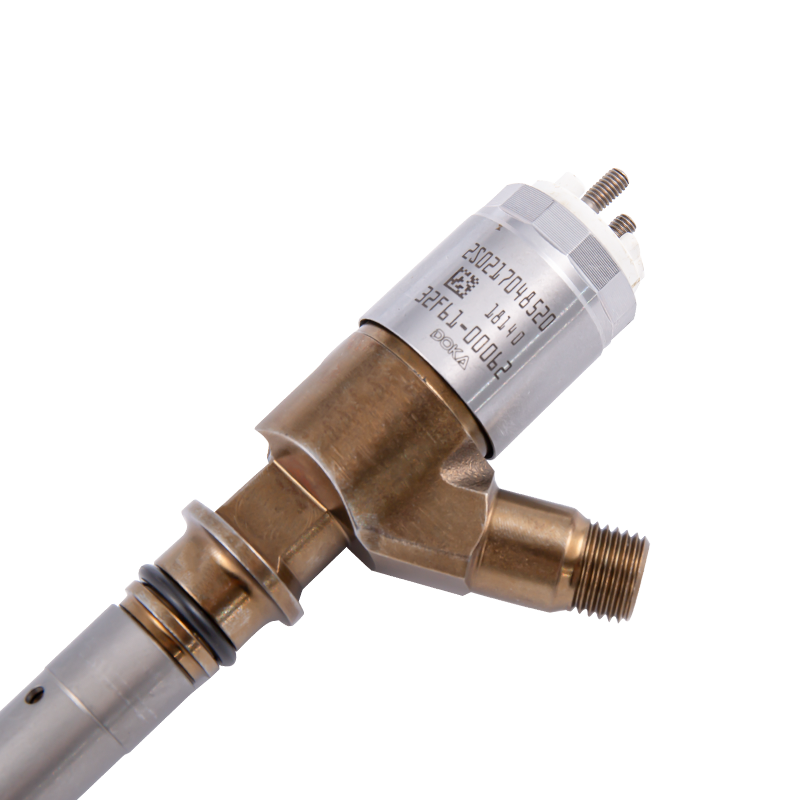 Caterpillar HEUI Injector C6-212-3460 for C6.6/C7.1 EnginesMechanically controlled Tier 3 injector for construction machinery and generator sets, assembled, calibrated, and tested under simulated rail pressure and temperature swings.View Product →
Each unit we supply is assembled and calibrated in-house, then tested under conditions that mimic real rail pressure and temperature swings rather than a quick pop test alone.
There are three paths to a working injector. A new unit is the simplest and the most expensive. A properly remanufactured unit is stripped, cleaned, inspected and fitted with new seals or nozzles where required, then tested against a reference specification. A rebuilt unit sold with no test data is a gamble, and in a HEUI engine that gamble usually reappears as a repeat failure.
Our own process runs from simulation and design through bench validation, assembly, calibration and environmental testing, which is how a part earns its way onto the shelf. You can browse our Caterpillar HEUI injector series to see the references we cover. If you are comparing suppliers, ask what testing was actually performed and whether they can match your part number to the correct engine serial range.
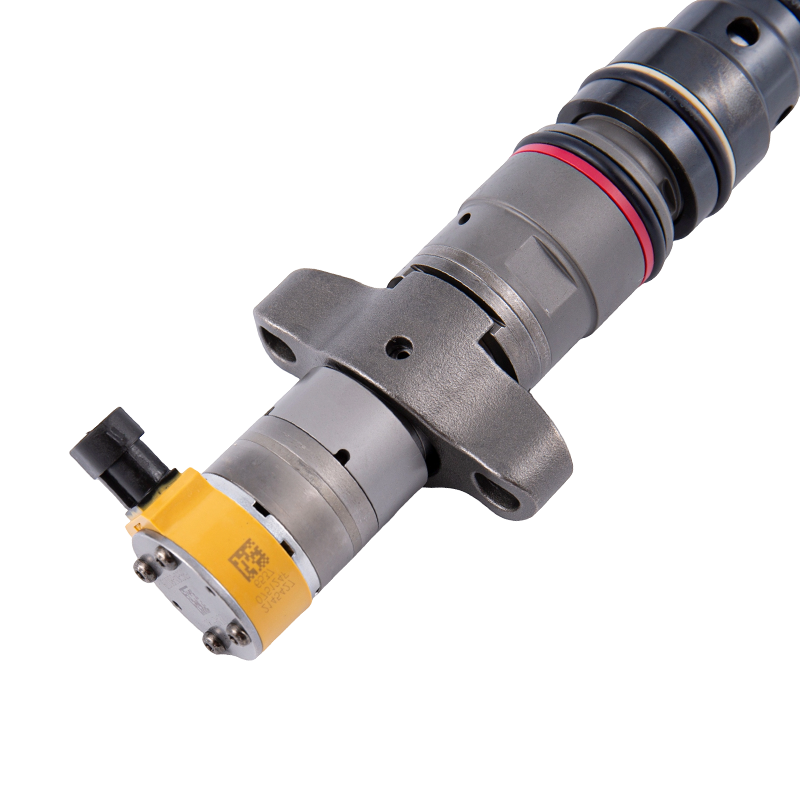 Caterpillar HEUI Injector C9-387-9433 for C9/C9.3 EnginesTier 4 Final HEUI injector for C9/C9.3 trucks and mining dump trucks, featuring IVS monitoring and fleet remote diagnostic support.View Product →
A few habits separate engines that reach high hours on their original injectors from engines that eat them:
Caterpillar HEUI injectors reward owners who treat oil as part of the injection system rather than as an afterthought. Keep the oil clean, keep the rail pressure stable, and the injectors will usually outlast the parts around them.
If you are still chasing a fault and the evidence points in several directions at once, we are happy to talk it through. Send us the injector part number and the engine serial number, and we will tell you what we know about that reference, whether the symptom fits an injector problem or an oil-side one, and what we would check first.
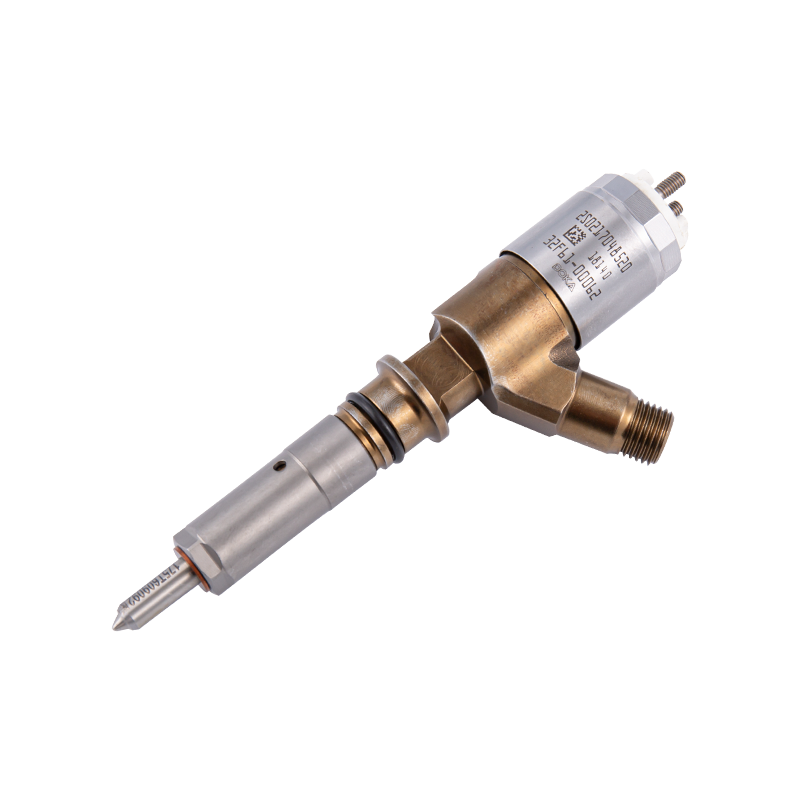
Compatible with Caterpillar HEUI series fuel injector CAT C6-212-3460, suitable ...
See Details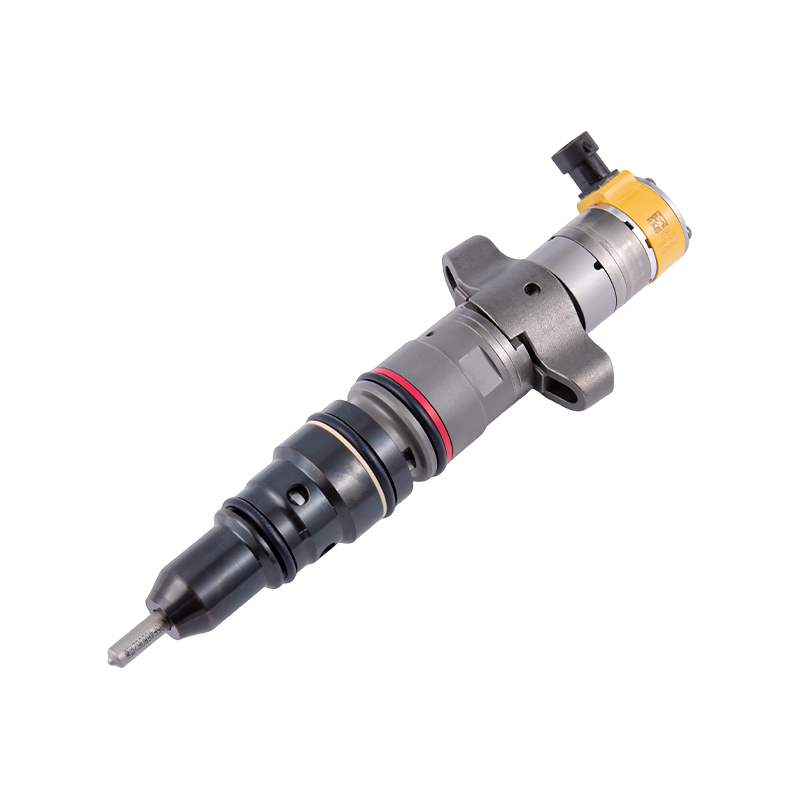
The injector is compatible with Caterpillar HEUI series injector CAT C9-387-9433...
See Details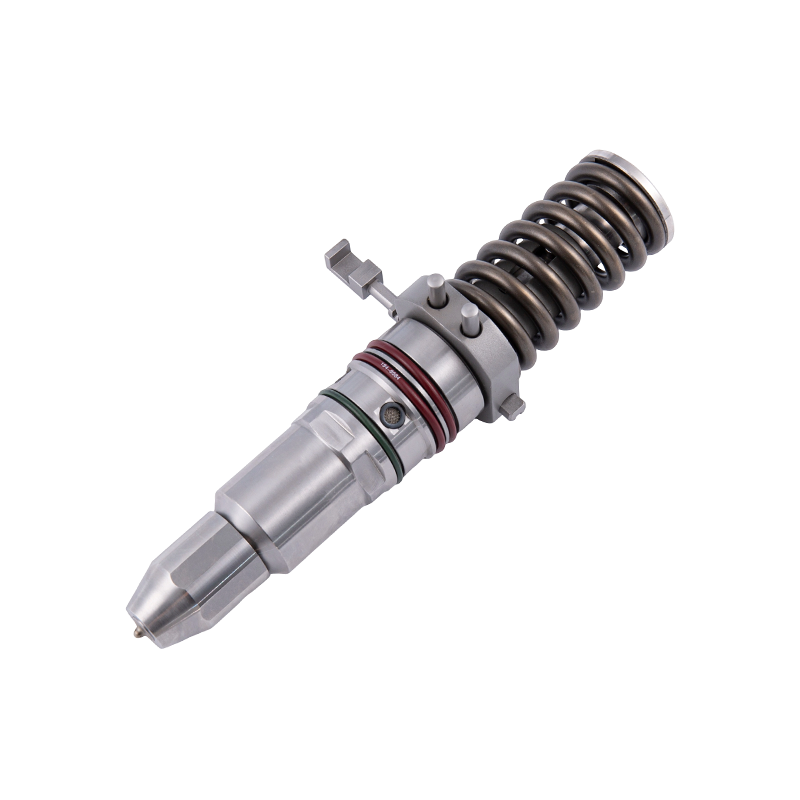
The fuel injector compatible with Caterpillar CRI/CRS series 3500A-111-3718 is d...
See Details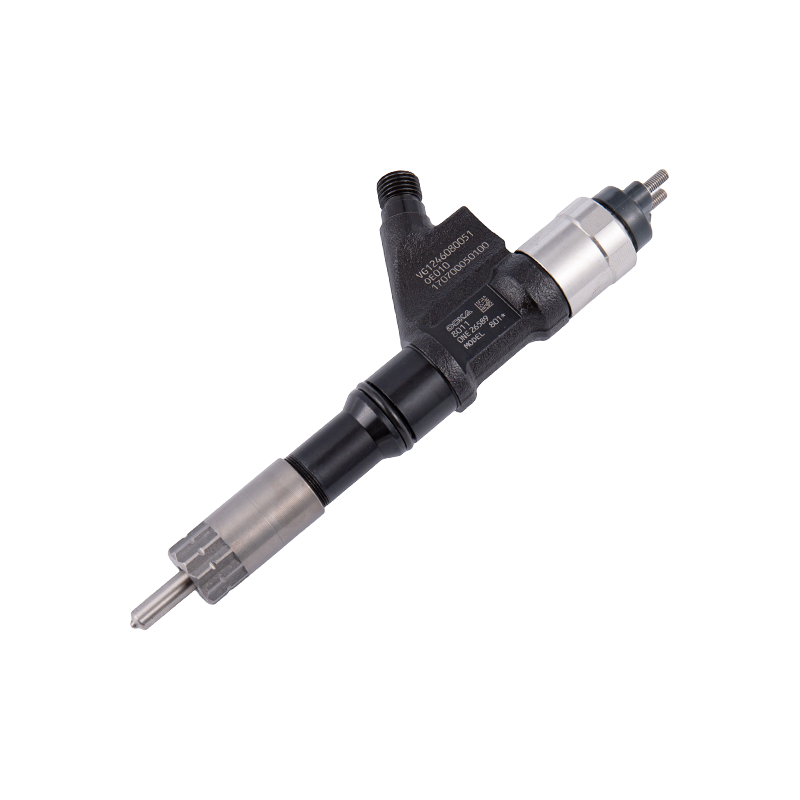
The fuel injector compatible with DENSO 095000-8011 from the G2 Series is engine...
See Details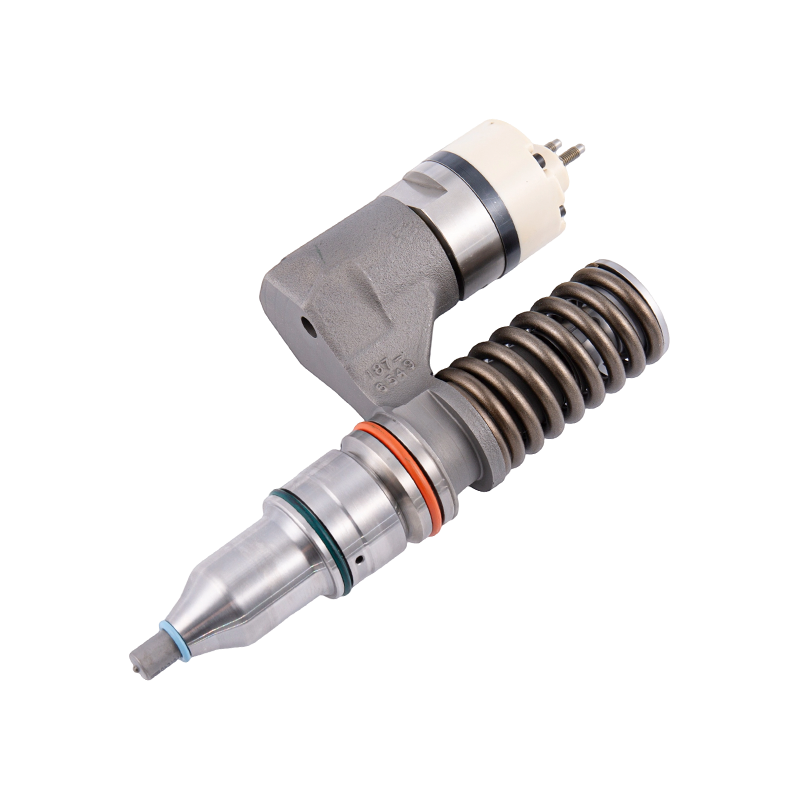
Compatible with Caterpillar CRI/CRS series fuel injector C12-350-7555, suitable ...
See Details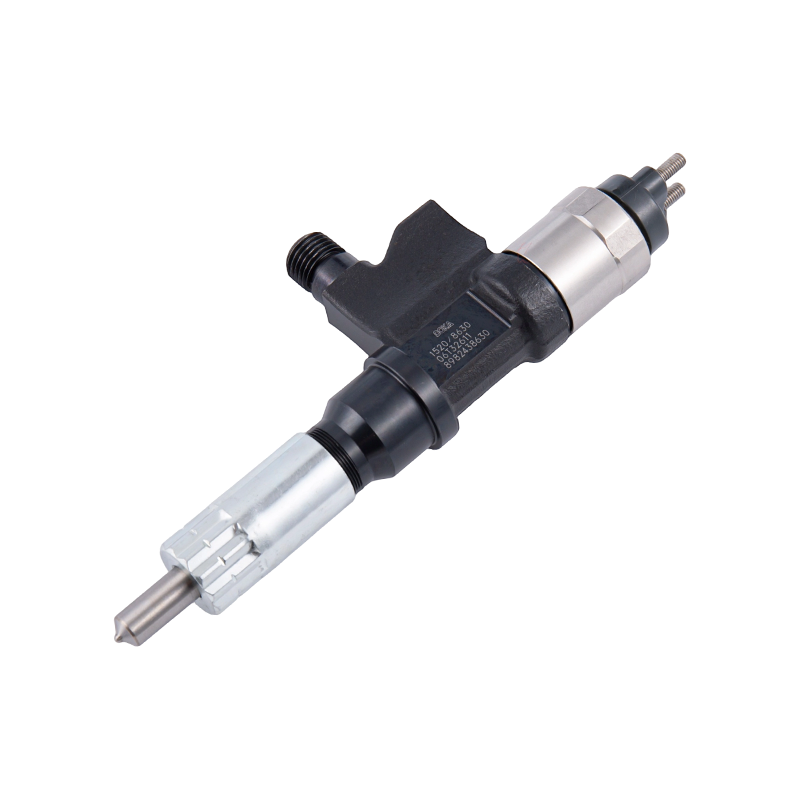
The fuel injector compatible with DENSO 295050-1520, a piezoelectric direct-act...
See Details