中文
中文 English
 русский
 Español
News
Excellent product with exquisite craftsmanship.

 sales2@wxdoka.com
 +86-15190391637
 No.18 Xiangge Road, Hudai Town, Binhu District, Wuxi, China
Content
Piezoelectric injectors operate using piezoelectric crystals that expand and contract when an electric voltage is applied. This physical reaction allows the injector needle to respond significantly faster than traditional solenoid-based injectors. Faster response time enables extremely precise control over fuel injection timing and quantity, which directly improves combustion efficiency. By delivering fuel at the exact moment and in the exact amount required, engines can achieve more complete fuel burn with less waste.
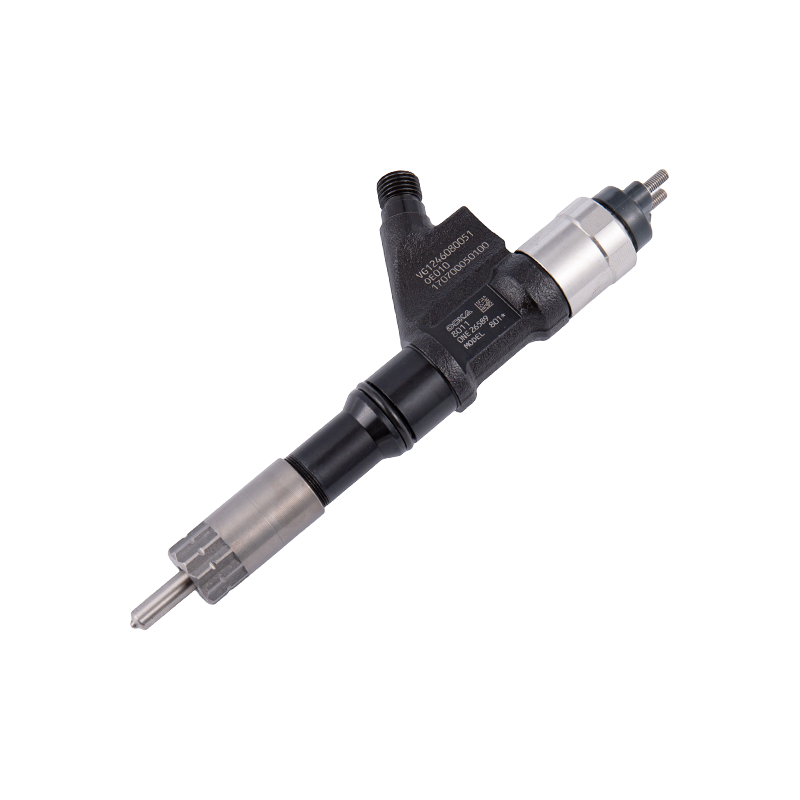
One key advantage of piezoelectric injectors is their ability to perform multiple injection events within a single combustion cycle. Instead of a single fuel burst, the injector can deliver pilot, main, and post injections. This staged fuel delivery improves air-fuel mixing and stabilizes combustion, reducing fuel loss caused by incomplete burning. The result is smoother engine operation and improved fuel economy, especially in modern diesel and high-pressure gasoline engines.
Piezoelectric injectors operate effectively at extremely high fuel pressures, allowing fuel to be atomized into finer droplets. Smaller droplets mix more uniformly with air inside the combustion chamber, which promotes faster and more complete combustion. Improved atomization reduces unburned hydrocarbons and maximizes the energy extracted from each fuel injection, directly contributing to higher fuel efficiency.
Modern engines operate under constantly changing conditions, including variations in speed, load, and temperature. Piezoelectric injectors adapt quickly to these changes due to their fast response and precise control capabilities. This adaptability allows the engine management system to optimize fuel delivery in real time, maintaining high fuel efficiency during city driving, highway cruising, and rapid acceleration.
Fuel efficiency and emissions performance are closely connected. By enabling cleaner and more controlled combustion, piezoelectric injectors reduce soot formation and unburned fuel residues. Cleaner combustion helps maintain engine components and exhaust after-treatment systems in better condition, preserving fuel efficiency over the engine’s service life. This long-term stability is especially valuable in modern engines designed to meet strict emission regulations.
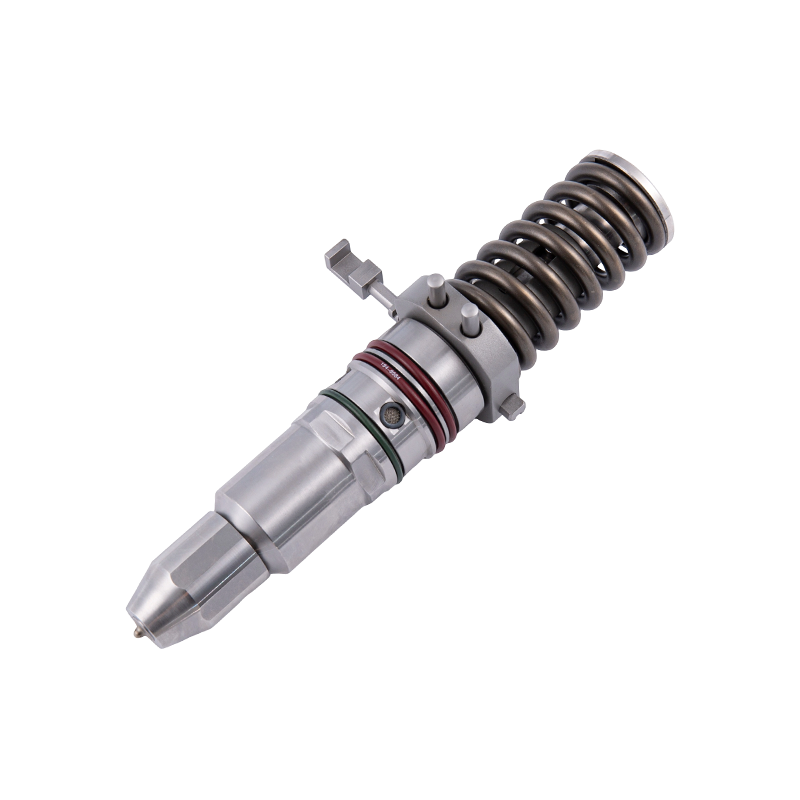
The fuel injector compatible with Caterpillar CRI/CRS series 3500A-111-3718 is d...
See Details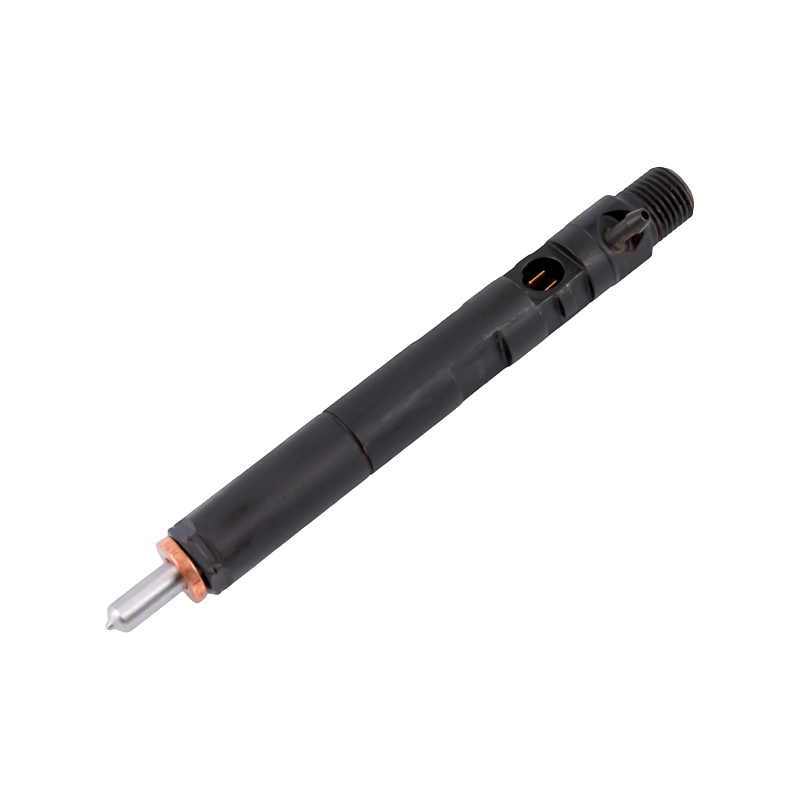
The product compatible with Delphi EJBR01801A fuel injector in the Multec Series...
See Details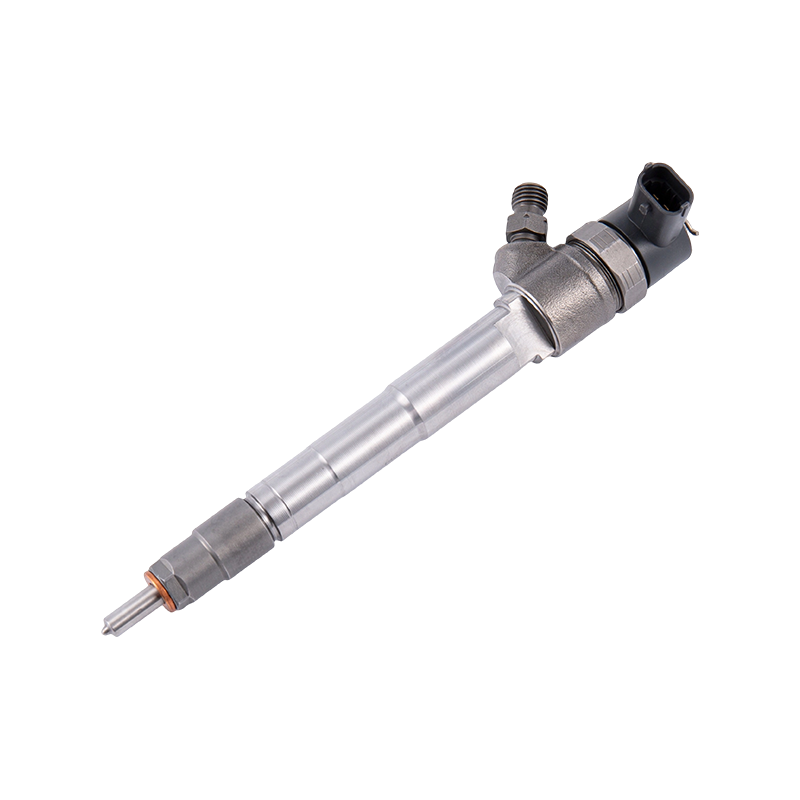
The 0445110376 common rail diesel injector is compatible with the Bosch CRI 110 ...
See Details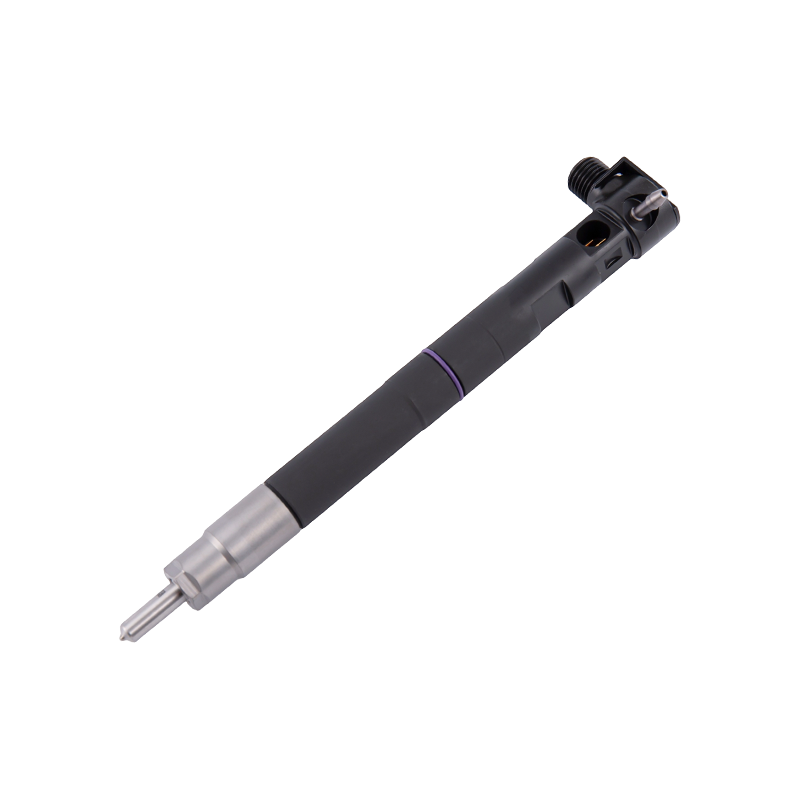
The product compatible with Delphi 28236381 fuel injector from the Multec Series...
See Details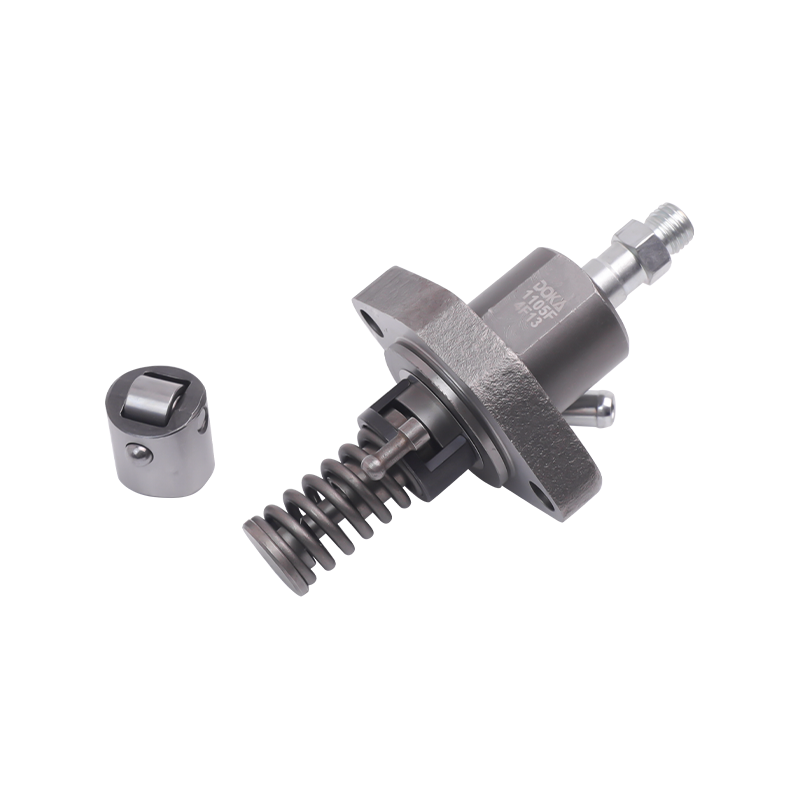
The 1115F fuel injection pump is specifically designed for 1115 single-cylinder ...
See Details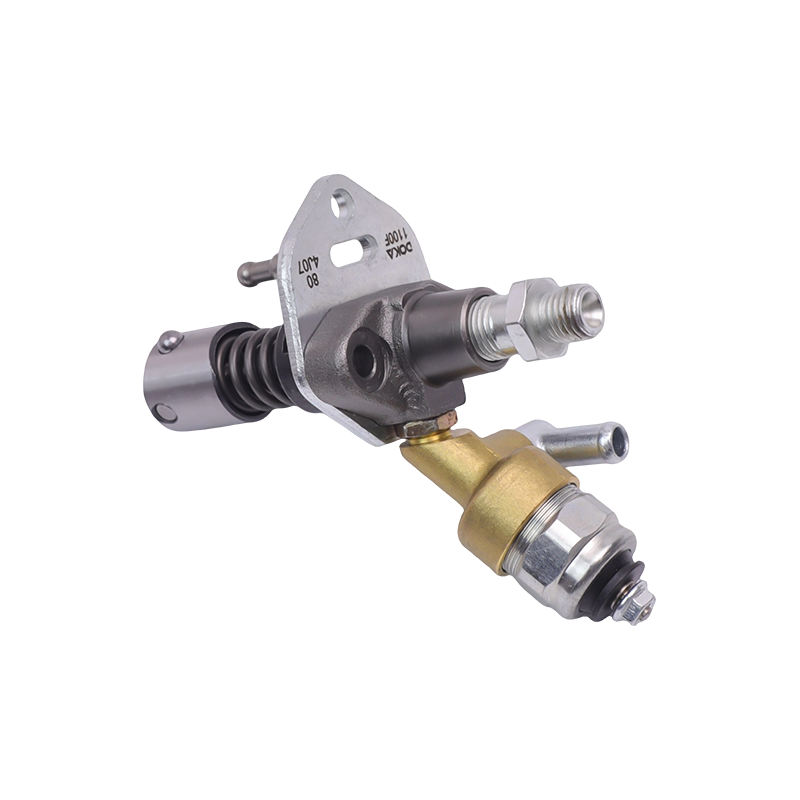
The 1100F solenoid-valve-type Fuel Injection Pump is engineered for the Yanmar-s...
See Details