中文
中文 English
 русский
 Español
News
Excellent product with exquisite craftsmanship.

 sales2@wxdoka.com
 +86-15190391637
 No.18 Xiangge Road, Hudai Town, Binhu District, Wuxi, China
Content
High-pressure fuel injectors play a critical role in both diesel and gasoline engines by controlling how fuel is delivered into the combustion chamber. Their primary function is to atomize fuel into fine droplets under high pressure, allowing it to mix efficiently with air. This process directly affects combustion stability, power output, fuel efficiency, and emission levels.
As engine designs evolve toward higher efficiency and stricter emission standards, fuel injection pressures have increased significantly. This shift places higher demands on injector precision, material strength, and long-term performance consistency across varying operating conditions.
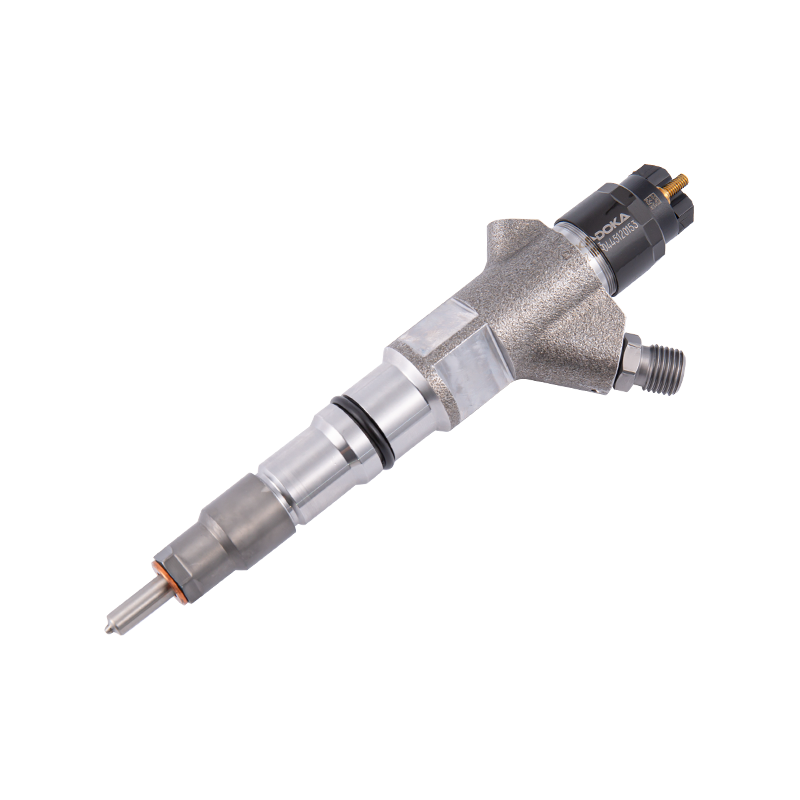
Injection pressure is one of the most influential performance factors for high-pressure fuel injectors. Higher pressures enable finer fuel atomization, which improves air-fuel mixing and promotes more complete combustion. In diesel engines, extremely high pressures support compression ignition and stable combustion even under heavy load conditions.
In gasoline direct injection systems, precise pressure control helps optimize spray penetration and spray pattern formation. Maintaining consistent injection pressure across different engine speeds and loads is essential for predictable throttle response and emission control.
Nozzle geometry has a direct impact on how fuel is distributed inside the combustion chamber. Factors such as hole diameter, number of orifices, and spray angle determine droplet size and penetration depth. High-pressure fuel injectors rely on precisely machined nozzles to achieve repeatable spray patterns cycle after cycle.
In diesel engines, deeper spray penetration is often required to ensure adequate mixing within dense air charges. Gasoline engines, by contrast, may prioritize controlled spray targeting to avoid wall wetting and reduce particulate formation.
High-pressure fuel injectors operate under extreme mechanical and thermal stress. Components such as injector bodies, needles, and nozzles must withstand repeated pressure cycles while maintaining dimensional accuracy. Material selection and surface treatment play a significant role in preventing wear, erosion, and deformation.
Wear resistance is especially important for maintaining consistent injection timing and fuel quantity over long service periods. Even minor changes in internal clearances can affect engine performance and emissions.
Modern engine management systems require injectors to respond rapidly and accurately to electronic control signals. Fast opening and closing behavior allows precise control of injection timing and multiple injection events within a single combustion cycle. This capability supports noise reduction, smoother combustion, and improved emission performance.
Both diesel and gasoline engines benefit from injectors that can deliver consistent fuel quantities with minimal delay, even at high engine speeds or during transient operating conditions.
| Performance Aspect | Diesel Engines | Gasoline Engines |
| Injection Pressure Level | Very high | High |
| Spray Penetration Focus | Deep penetration | Controlled targeting |
| Injection Event Frequency | Multiple per cycle | High-speed modulation |
Sustained performance of high-pressure fuel injectors depends on both design quality and operating conditions. Fuel cleanliness, filtration efficiency, and operating temperature all influence injector longevity. Maintaining stable injection characteristics over time supports consistent engine performance and reduces the risk of efficiency loss.
For both diesel and gasoline engines, selecting injectors with proven performance under high pressure and maintaining appropriate service practices helps preserve injection accuracy and overall engine reliability.
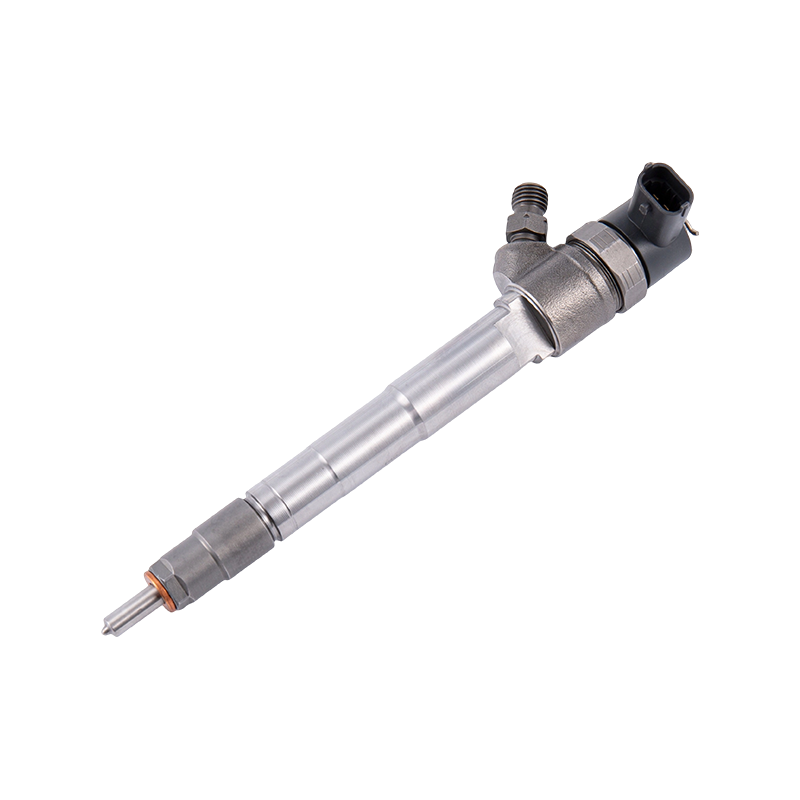
The 0445110376 common rail diesel injector is compatible with the Bosch CRI 110 ...
See Details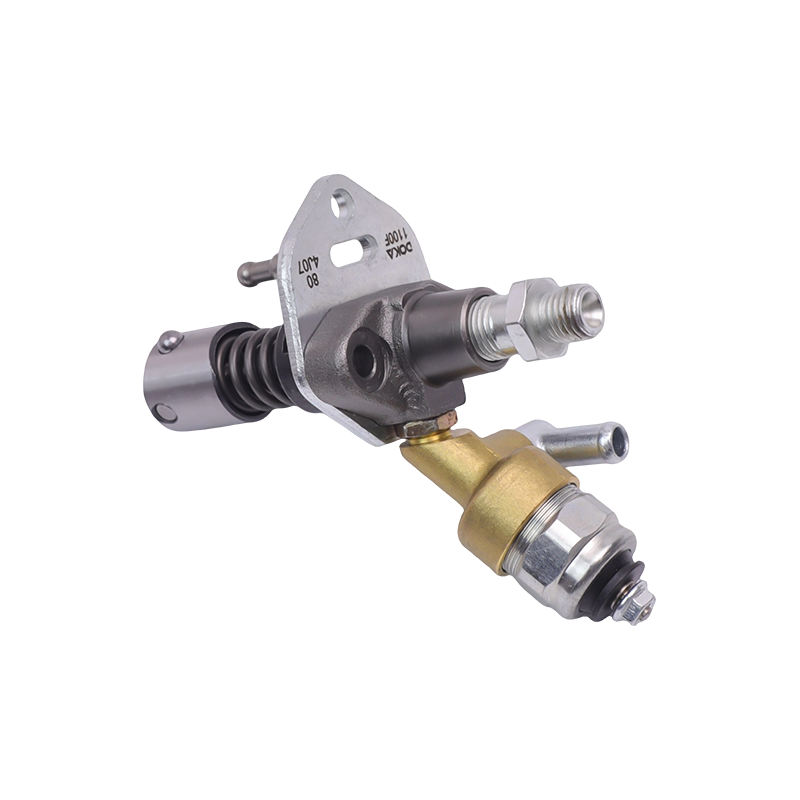
The 1100F solenoid-valve-type Fuel Injection Pump is engineered for the Yanmar-s...
See Details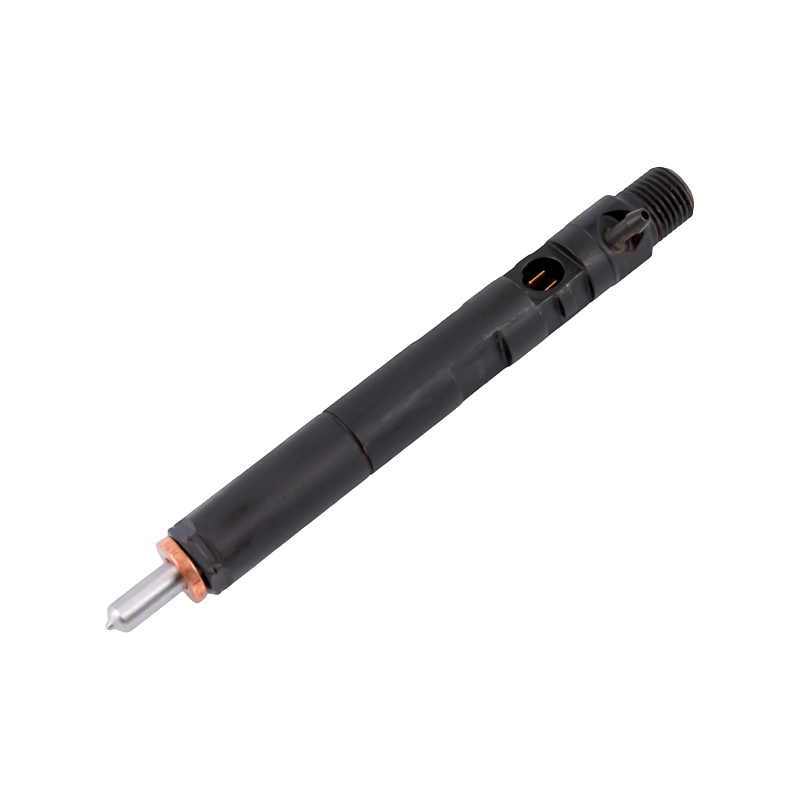
The product compatible with Delphi EJBR01801A fuel injector in the Multec Series...
See Details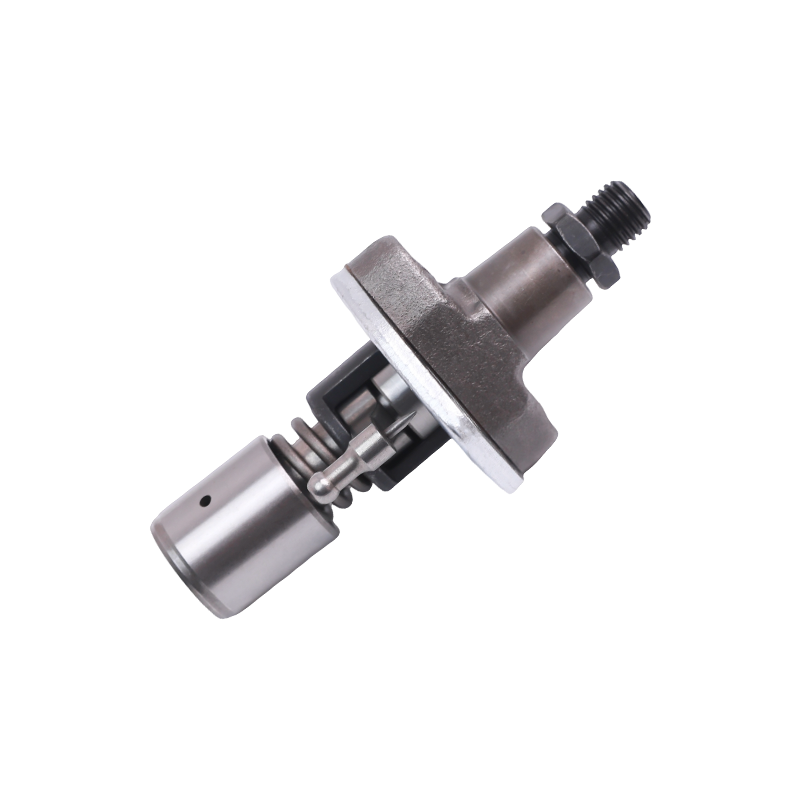
The 192F Fuel Injection Pump is engineered for Yanmar-series KD192F and KD192FE ...
See Details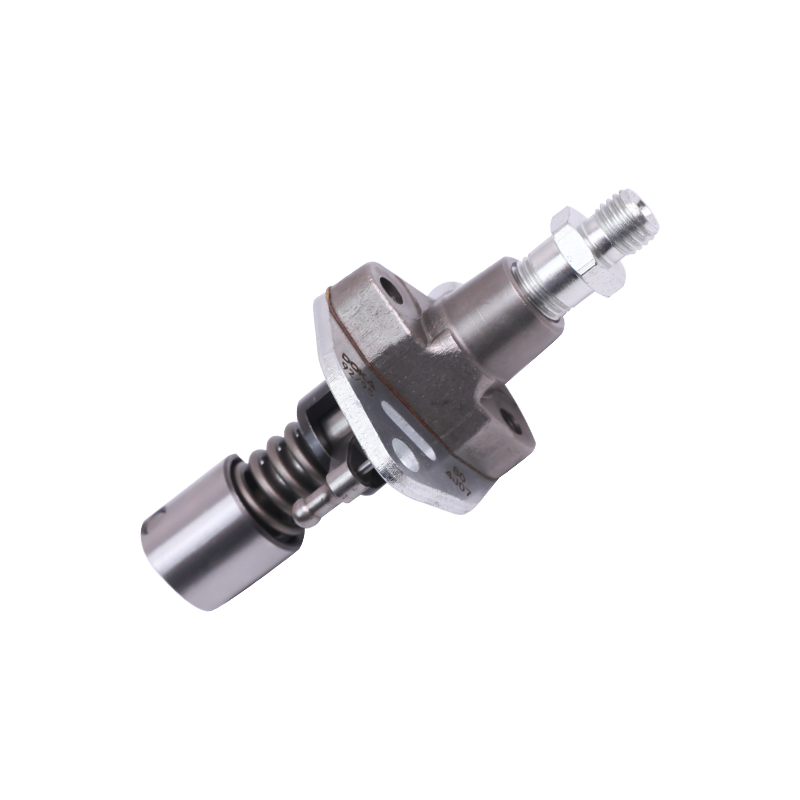
The 192F roller-type Fuel Injection Pump is designed for Yanmar-series KD192F an...
See Details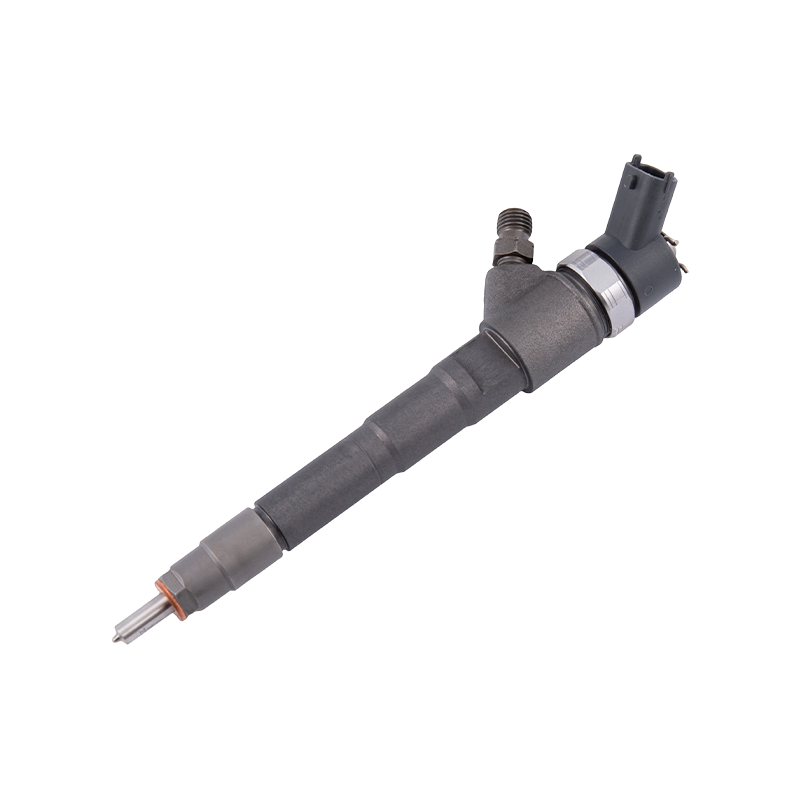
The 0445110273 common rail diesel injector is compatible with the Bosch CRI 110 ...
See Details