中文
中文 English
 русский
 Español
News
Excellent product with exquisite craftsmanship.

 sales2@wxdoka.com
 +86-15190391637
 No.18 Xiangge Road, Hudai Town, Binhu District, Wuxi, China
CP3 stands for Common rail Pump 3rd generation — a high-pressure fuel injection pump designed by Bosch for common rail diesel engines. The CP4 (4th generation) is its successor, used in many 2011-and-newer diesel trucks including the 6.7L Power Stroke and LML Duramax. The critical difference is reliability: the CP3 is widely regarded as robust and long-lived, while the CP4 has a well-documented failure mode where metal debris from internal wear contaminates the entire fuel system, requiring injector replacement, fuel rail flushing, and pump replacement at costs of $8,000–$15,000 or more. A lift pump — a low-pressure transfer pump mounted near the fuel tank — is the most effective preventive measure against CP4 failure. This guide covers how both pumps work, how to identify which one you have, and exactly what steps to take to prevent catastrophic CP4 failure.
Content
CP3 stands for Common rail Pump, 3rd generation in Bosch's high-pressure fuel pump naming convention. The "common rail" refers to the fuel delivery architecture these pumps supply — a shared high-pressure fuel rail that maintains constant fuel pressure from which all injectors draw simultaneously, rather than the older individual pump-line-nozzle systems where pressure built and released with each injection event.
The CP3 pump is a radial piston design with three pumping plungers arranged radially around a central eccentric cam lobe. As the cam rotates (driven by the engine's gear train or timing chain), each plunger reciprocates in sequence, drawing low-pressure fuel in through an inlet metering valve and compressing it to high pressure on the outlet stroke. The CP3 generates rail pressures of 23,000–26,000 psi (1,600–1,800 bar) depending on application and tune.
The CP3's durability comes from its design fundamentals. The three-plunger radial arrangement distributes pumping load evenly and the pump's internal components are lubricated by the diesel fuel itself — meaning as long as fuel is flowing, the pump is lubricated. The CP3 is also self-priming and tolerates momentary fuel starvation better than the CP4 because its plunger-to-bore clearances are slightly more forgiving. CP3 pumps routinely achieve 300,000–500,000 miles of service life with no intervention beyond normal fuel filter maintenance, and even modified high-output diesel engines running CP3 pumps (often upgraded to larger-displacement CP3 variants) report excellent longevity.
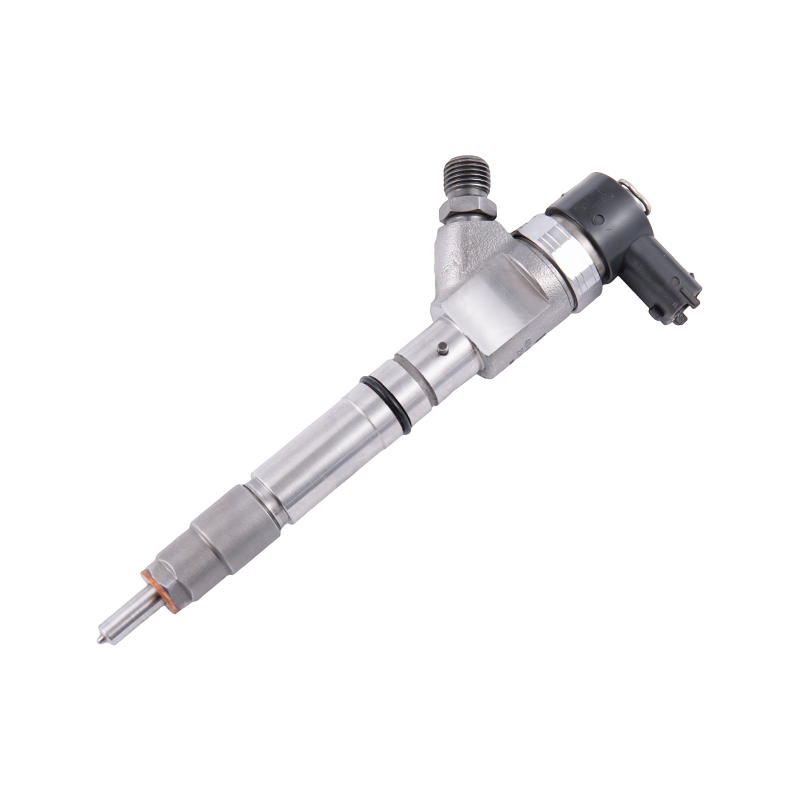
The Bosch CP4 — formally the CP4.1 (single-piston) or CP4.2 (twin-piston) — is a 4th-generation common rail high-pressure pump designed to meet tighter emissions standards while generating higher rail pressures than the CP3. The CP4 achieves pressures of 29,000–32,000 psi (2,000–2,200 bar) in current applications, enabling more precise fuel atomization that supports cleaner combustion and lower particulate emissions.
The CP4 uses a different internal architecture than the CP3 — a single or dual axial-piston design driven by an eccentric cam, with the cam follower riding on a flat lobe rather than a round eccentric. This design is more compact and produces higher pressure with less pumping displacement, but introduces a critical vulnerability: the cam lobe-to-follower interface relies on a hydrodynamic oil film maintained by the fuel itself at extremely tight tolerances. When that film breaks down — from fuel starvation, low-lubricity fuel, air ingestion, or the pump running dry even momentarily — the cam lobe and follower contact metal-to-metal, generating fine metallic debris.
The metal debris generated during CP4 cam failure does not stay in the pump. It is carried downstream by high-pressure fuel into the common rail and through the injectors — components with internal clearances measured in microns (0.001–0.005 mm). Even microscopic metal particles abrade injector internals, causing them to stick open, leak, or fail to atomize fuel correctly. A CP4 failure typically contaminates all injectors simultaneously, requiring complete injector replacement in addition to the pump itself. The fuel tank, supply lines, and fuel cooler may also require flushing. Total repair costs commonly run $8,000–$15,000 at a dealership, and some owners report costs exceeding $20,000 on high-mileage trucks where additional components require replacement.
The easiest identification method is by vehicle application year and engine. If you drive a diesel truck, the following table covers the most common North American platforms.
| Vehicle / Engine | Years | Pump Type | Failure Risk |
|---|---|---|---|
| GM Duramax (LB7, LLY, LBZ, LMM) | 2001–2010 | CP3 | Low |
| GM Duramax LML | 2011–2016 | CP4.2 | High |
| GM Duramax L5P | 2017–present | CP4.2 | High |
| Ram 5.9L Cummins | 2003–2007 | CP3 | Low |
| Ram 6.7L Cummins | 2007.5–2018 | CP3 | Low |
| Ford 6.7L Power Stroke | 2011–2019 | CP4.2 | High |
If you need to confirm by looking at the pump itself, the physical differences are apparent once you know what to look for. The CP3 is a larger, more cylindrical pump body with three radially visible pumping head domes spaced around its circumference — the three heads are a distinctive identifier. The CP4 is more compact and rectangular in profile, with either one (CP4.1) or two (CP4.2) pumping heads visible from the side. On Duramax and Power Stroke applications, the pump is accessible from the top of the engine valley with the hood open. The Bosch part number stamped on the pump housing also confirms the variant — numbers beginning with "0 445 010" indicate CP3 series; numbers beginning with "0 445 020" indicate CP4 series.
A lift pump (also called a transfer pump or supply pump) is a low-pressure electric fuel pump mounted near the fuel tank that draws fuel from the tank and pushes it under positive pressure through the fuel filter to the inlet of the high-pressure pump (CP3 or CP4). Its job is to ensure the high-pressure pump always has a steady, pressurized fuel supply at its inlet — typically maintaining 8–15 psi of inlet pressure.
Many diesel trucks — particularly Duramax applications — do not have a factory lift pump. The CP3 or CP4 is expected to draw fuel all the way from the tank on its own. In normal conditions this works. Under demanding conditions — hard acceleration, low fuel level, degraded fuel lines, or clogged fuel filters — the high-pressure pump must work harder to pull fuel, creating momentary cavitation (air bubbles in the fuel) at the pump inlet. For the CP3, brief cavitation causes wear but rarely catastrophic failure. For the CP4, even a few seconds of cavitation or low-pressure inlet conditions can initiate the metal-to-metal cam contact that triggers debris generation and complete pump failure.
By maintaining positive inlet pressure at the CP4, a lift pump eliminates the low-pressure and cavitation conditions that initiate cam lobe failure. The CP4's internal components require a minimum inlet pressure of approximately 3–5 psi to maintain the hydrodynamic lubrication film on the cam follower. A properly sized lift pump delivering 10–15 psi at the CP4 inlet provides a substantial safety margin above this threshold under all operating conditions, including full-throttle towing at altitude, low fuel levels, and cold-weather starts when fuel viscosity is higher and flow resistance is greater.
Aftermarket lift pump kits from manufacturers such as FASS, Airdog, and Pureflow AirDog are purpose-designed for specific truck applications and typically include a frame-mounted electric pump, pre-filter, water separator, and all hardware. FASS and Airdog lift pump systems are the most commonly recommended solutions in the diesel performance community, with installed prices ranging from $500–$1,200 depending on flow rate specification and installation labor.
The Fuel Injection Control Module (FICM) — also called the Injection Control Pressure (ICP) module on some platforms — is the electronic controller that manages high-pressure fuel injection timing, duration, and pressure in common rail diesel systems. It works in conjunction with the engine's ECM (Engine Control Module) to precisely control rail pressure by commanding the CP3 or CP4's inlet metering valve and, on some systems, a pressure control valve on the fuel rail.
On Duramax applications, the FICM is integrated into the ECM rather than a standalone module. On Ford 6.0L Power Stroke engines, the FICM is a well-known separate module with its own failure modes — low FICM voltage (below 48V, with spec being 48V) causes poor start quality, white smoke, and rough running independent of the high-pressure pump condition.
The fuel rail pressure sensor feeds real-time pressure data back to the FICM/ECM, which uses it to command the pump's metering valve to increase or reduce flow. Erratic, low, or fluctuating rail pressure readings — visible with a scan tool monitoring fuel rail pressure PID — are often the first electronic indicator of CP4 cam wear, as a deteriorating pump struggles to maintain target rail pressure especially at idle or under load. Monitoring rail pressure over time with a scan tool or gauge is one of the most practical early-warning methods for CP4 health assessment.
Specific PIDs to monitor on a CP4-equipped vehicle include fuel rail pressure actual vs. commanded, inlet pressure (if a lift pump with gauge is installed), and fuel temperature. Rail pressure dropping more than 1,500–2,000 psi below commanded pressure at steady cruise is a warning sign that warrants immediate investigation rather than hoping the condition resolves.
CP4 failure is not inevitable — it is a risk that can be dramatically reduced through a combination of preventive hardware, fuel quality management, and maintenance habits. Owners of CP4-equipped trucks who implement the following measures have substantially lower failure rates than those running stock with no modifications.
As discussed above, a properly installed lift pump maintaining 10–15 psi at the CP4 inlet eliminates the primary failure trigger. For a CP4-equipped truck being used for towing, performance driving, or high mileage accumulation, a lift pump system is not optional — it is the most cost-effective insurance available against an $8,000–$15,000 repair. The $600–$1,200 investment for a quality FASS or Airdog system is justified after the first 50,000–100,000 miles alone, and many diesel shops now recommend it as a condition of warranty for tuning or performance work on CP4 applications.
Ultra-low sulfur diesel (ULSD) fuel — mandated in the US since 2006 and in most markets globally — has significantly lower lubricity than older higher-sulfur diesel formulations. ULSD lubricity is typically measured at 520–600 microns HFRR (High Frequency Reciprocating Rig) wear scar diameter, while the CP4 was originally developed for European diesel with HFRR values of 460 microns or better. The higher HFRR value means more wear on fuel-lubricated components — including the CP4's cam follower. Adding a diesel lubricity additive (such as Stanadyne Performance Formula, Power Service, or similar HFRR-rated products) with every fill-up reduces fuel wear scar diameter to the 400–450 micron range, providing measurably better lubrication at the cam interface.
A clogged or high-restriction fuel filter is a direct cause of low inlet pressure at the CP4. Factory fuel filter change intervals of 15,000–25,000 miles should be treated as maximums, not targets — many diesel owners and shops recommend 10,000-mile intervals for trucks used in dusty environments, towing heavy loads, or fueling from variable-quality sources. A fuel filter that is only partially clogged creates enough restriction to cavitate the CP4 under high demand even if the truck appears to run normally in routine driving.
Low fuel levels increase the risk of air ingestion from fuel sloshing, particularly during cornering, acceleration, or operation on grades. Air reaching the CP4 inlet — even briefly — immediately breaks the hydrodynamic lubrication film at the cam follower. Keeping the tank above the quarter-full mark at all times is a simple habit that costs nothing and meaningfully reduces ingestion risk.
For CP4-equipped Duramax LML owners who want to eliminate the failure risk entirely, aftermarket CP3 conversion kits — which replace the CP4 with a more robust CP3 pump using adapter brackets, updated fuel lines, and recalibrated tuning — are available from suppliers including S&S Diesel Motorsport and Fleece Performance. The CP3 conversion costs approximately $1,500–$2,500 installed and eliminates the CP4 catastrophic failure mode entirely, replacing it with a platform that has demonstrated 500,000+ mile service life. This is the definitive solution for high-mileage trucks, modified engines, and applications where the risk-reward calculation strongly favors a permanent fix over ongoing preventive maintenance.
A Bluetooth OBD-II adapter and a free or low-cost scan gauge app (Torque Pro, DashCommand, or similar) allows ongoing monitoring of fuel rail pressure on any CP4-equipped truck. Establish a baseline fuel rail pressure reading at idle, at cruise, and at full throttle within the first few thousand miles after purchase, then periodically recheck. A progressive decline in the ability to achieve commanded rail pressure — even without any fault codes present — is a reliable early indicator of pump wear that gives you time to address the problem before full debris-generating failure occurs.
Catching CP4 degradation before complete failure is the difference between a manageable pump replacement ($1,500–$2,500) and a full fuel system contamination event ($8,000–$15,000+). The following symptoms, especially in combination, warrant immediate diagnosis.
If any of these symptoms appear on a CP4-equipped vehicle, do not continue driving the truck any further than necessary to reach a shop. Continued operation after metal debris generation begins spreads contamination further through the fuel system, adding injector replacement costs to an already expensive repair.
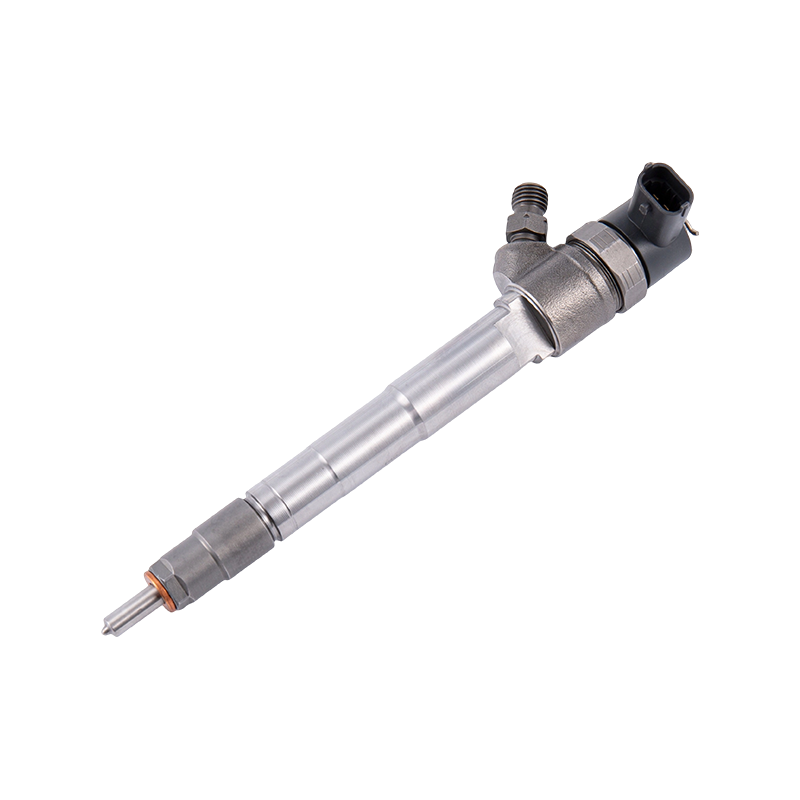
The 0445110376 common rail diesel injector is compatible with the Bosch CRI 110 ...
See Details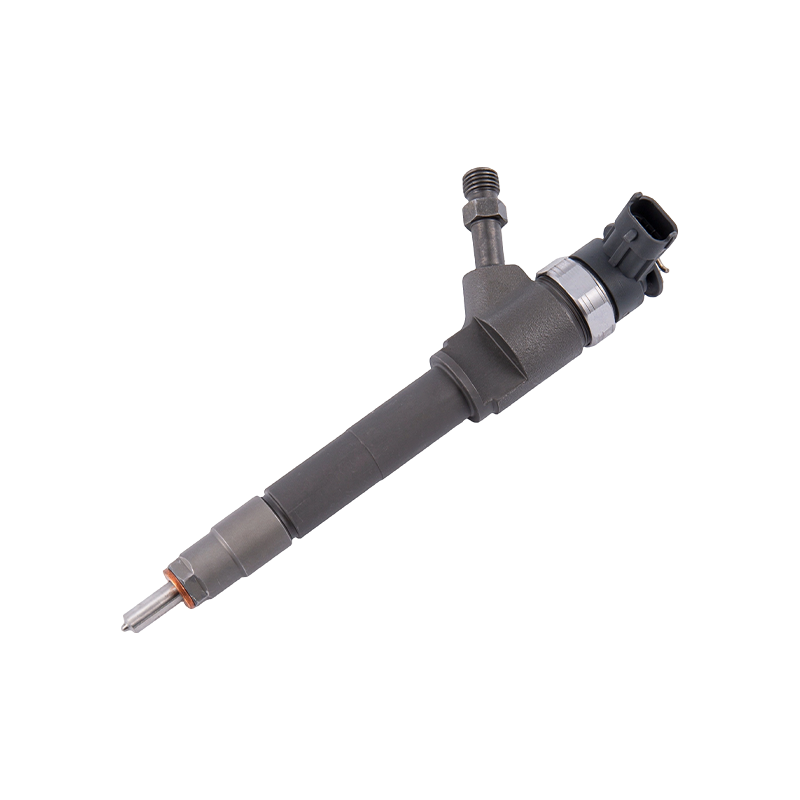
The 0445110249 common rail diesel injector is highly compatible with the Bosch C...
See Details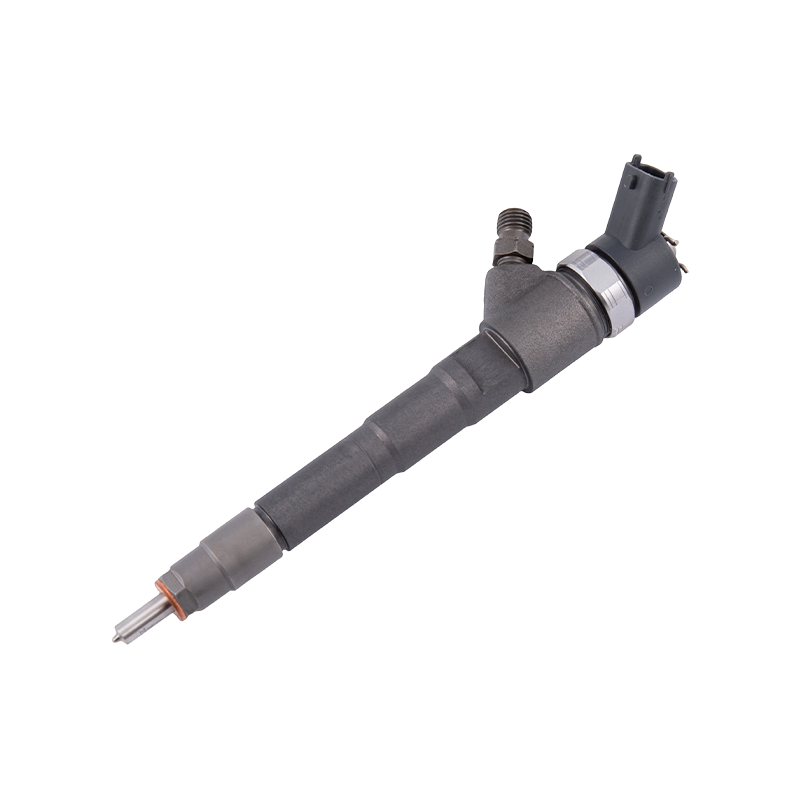
The 0445110273 common rail diesel injector is compatible with the Bosch CRI 110 ...
See Details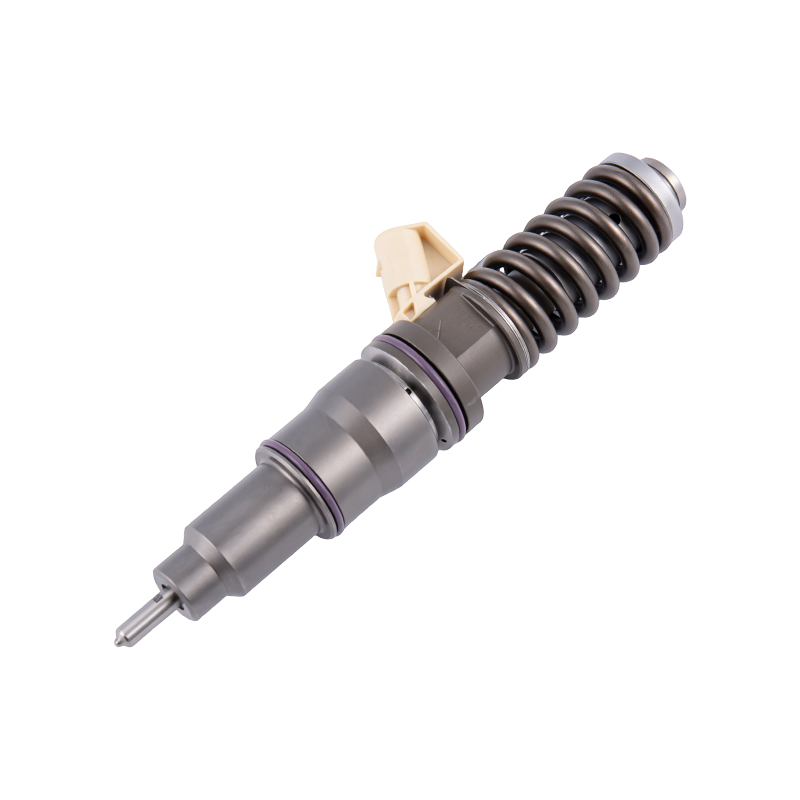
The product compatible with Delphi 20440388 fuel injector from the HDU Series is...
See Details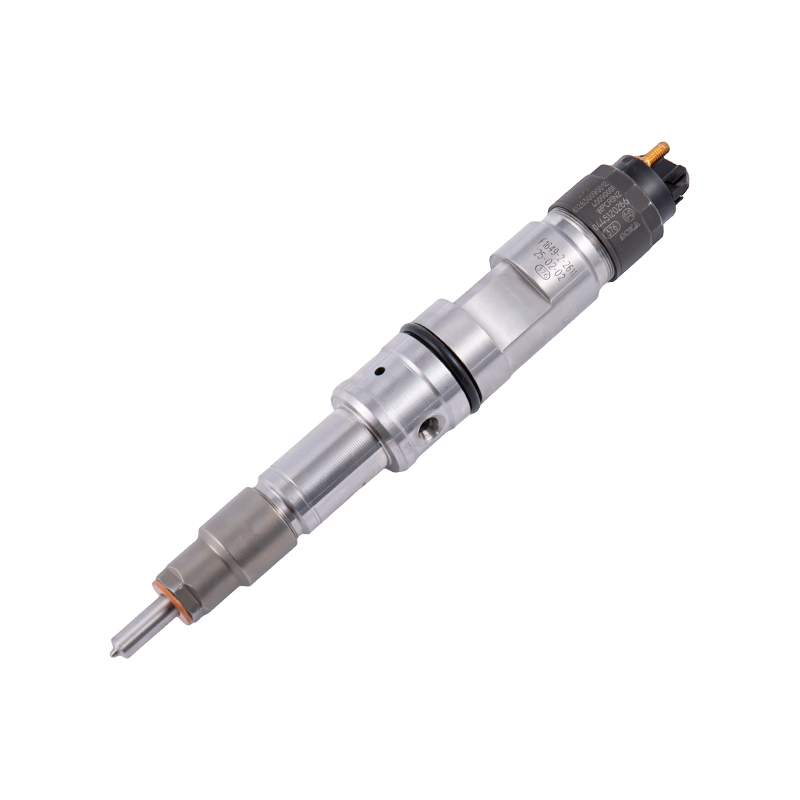
The diesel injector 0445120266, which is compatible with the Bosch CRIN 120 seri...
See Details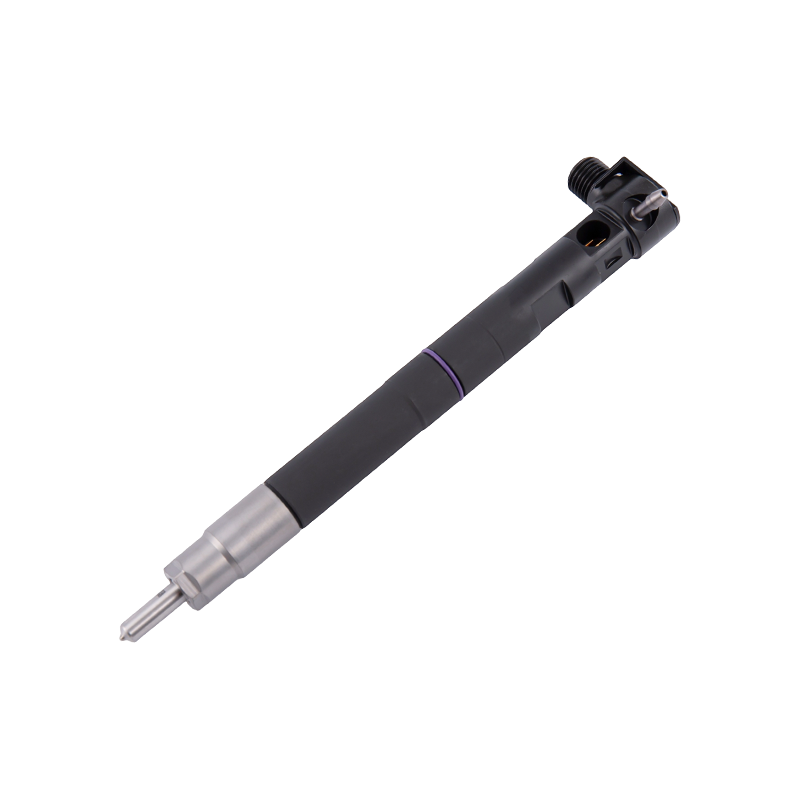
The product compatible with Delphi 28236381 fuel injector from the Multec Series...
See Details