中文
中文 English
 русский
 Español
News
Excellent product with exquisite craftsmanship.
 sales2@wxdoka.com
 +86-15190391637
 No.18 Xiangge Road, Hudai Town, Binhu District, Wuxi, China
Content
A diesel repair shop in Europe recently faced a recurring throughput crisis: three Delphi Multec injectors failed within 5,000 km on a widely used 1.6‑liter HDi engine. Searching for a stable, cost‑effective alternative led them straight to Chinese manufacturers—where production maturity, flexible volumes, and deliberate quality control now rival traditional OEM channels. This single scenario reflects the broader aftermarket shift that makes understanding Delphi Multec in China a purchasing priority.
Delphi Multec is a family of common‑rail diesel injectors designed for light‑ and medium‑duty engines. Originally developed for European passenger cars and commercial vehicles, the series includes both solenoid‑actuated and piezoelectric direct‑drive injectors. In China, a substantial parc of imported and joint‑venture vehicles—from Euro‑5 Peugeot, Citroën, Ford, and Nissan light commercial platforms—relies on Multec hardware. When those injectors reach the end of their service life, repair technicians and fleet managers need access to replacements that match original equipment geometry, spray pattern, and durability without the six‑figure price tag or eight‑week lead times often associated with official channels.
The practical question isn’t whether the Multec platform operates in China; it’s how to source dependable compatible injectors locally without compromising performance or warranty. The answer rests on understanding the local supply landscape, verifying crucial technical criteria, and selecting a manufacturer that has invested in the same flexible production and validation infrastructure the OE market demands.
Delphi Technologies has maintained a presence in China for over two decades, with engineering centres and joint ventures that introduced Multec technology into domestic manufacturing. Original‑equipment Multec injectors flow through official distribution networks, but those channels serve predominantly production‑line volumes and authorised service centres. For the independent aftermarket, accessing genuine units often involves long procurement cycles, limited stock‑keeping units, and per‑unit costs that can exceed the vehicle’s residual value.
This structural gap has given rise to a sophisticated compatible‑injector industry. Local manufacturers reverse‑engineer the injector’s hydraulic, mechanical, and electronic profiles, then produce units that slot directly into the OE fuel system without requiring ECU re‑mapping. The better suppliers combine CNC‑machined nozzle needles, calibrated solenoid or piezo stacks, and high‑pressure sealing surfaces that withstand the 1,800‑bar peak pressures common in Multec systems. As a result, a well‑made compatible injector can match OE‑level flow accuracy and response time.
China now hosts a handful of manufacturers who have moved beyond commodity copying. They run in‑house endurance test benches that simulate multi‑million‑cycle wear, salt‑spray chambers, and full‑load thermal cycles. For a buyer evaluating Delphi Multec in China, the decision tree narrows to suppliers that offer documented performance data, batch traceability, and the capacity to scale from sample quantities to container‑level shipments.
Choosing a compatible injector begins with a simple rule: every purchasing decision must start from the exact OE part number etched on the original unit. Multec applications span dozens of calibration codes; even injectors that look identical can differ in nozzle hole count, flow rate, and opening pressure. The most frequently encountered numbers in the aftermarket include EJBR01801A, EJBR03301D, and EJBR04701D, each mapping to a distinct engine family.
DOKA’s Delphi Multec EJBR01801A compatible fuel injector, for instance, targets the 1.5‑ and 1.6‑litre HDi engines common in European hatchbacks and compact vans. Its multi‑hole nozzle is honed to deliver a precise cone angle that prevents wetting the cylinder wall while maintaining complete combustion. Similarly, the EJBR03301D compatible unit addresses larger‑displacement light commercial engines, where low‑end torque and smoke control depend on accurate pilot injection quantities. The EJBR04701D compatible model extends the coverage to platforms that demand extended service intervals under high‑soot conditions.
Beyond the part number, three technical checkpoints separate reliable compatible injectors from risky alternatives:
Pay special attention when dealing with piezoelectric direct‑drive Multec variants. These injectors use a piezo stack that demands a specific driving voltage and control logic. A compatible piezo injector requires a supplier with deep electronics integration experience, because mismatched stack capacitance or response lag can trigger limp‑mode events even if the hydraulic performance is correct. When vetting a manufacturer, ask whether they test piezo units on a dynamic ECU simulator and can supply the corresponding calibration data.
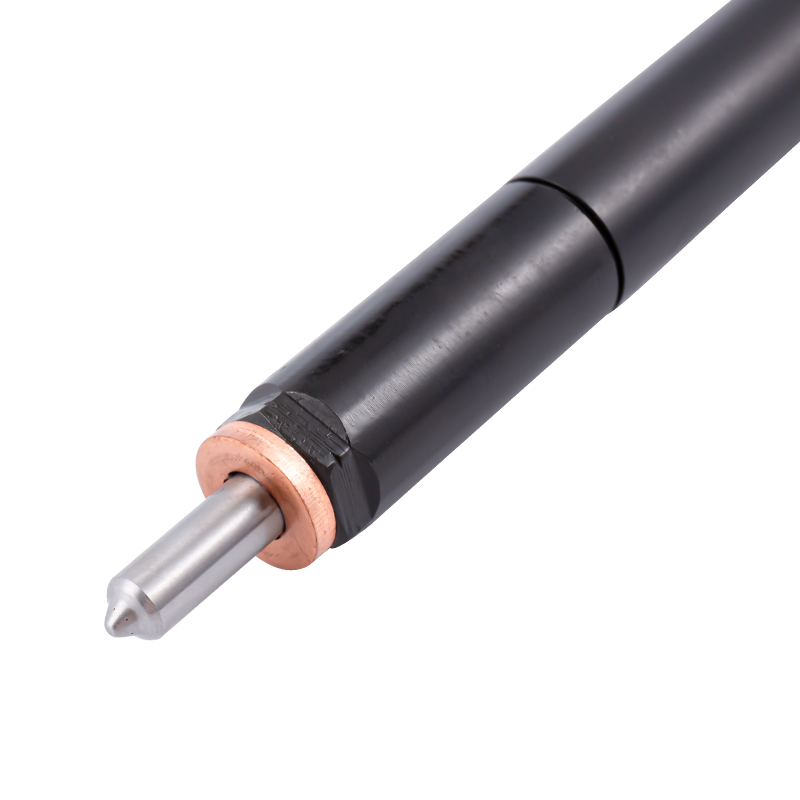
The friction that once made buyers skeptical of Chinese‑made fuel‑injection components has largely faded as factories have adopted the same flexible machining, automated assembly, and test‑cell verification used in European Tier‑1 plants. What remains is the need to separate generalist exporters from specialists whose production DNA is built around the diesel injection system.
Wuxi DOKA Power Technology Co., Ltd. (DOKA) fits that specialist profile. With over 15 years of experience dedicated to fuel‑injection components, the company operates a flexible production line that manufactures both key sub‑assemblies and complete injectors in‑house. Annual installations exceed 1.2 million units—a volume that demonstrates not just scale but repeatable process control. For technicians and distributors sourcing Delphi Multec in China, that kind of experience translates into real‑world benefits:
You can browse DOKA’s complete Delphi Multec series product range to see the breadth of its offering—from the 1.5‑litre passenger‑car injectors up to the higher‑flowing commercial‑vehicle derivatives. The range demonstrates a deliberate focus on covering the most commonly serviced OE numbers, which reduces lead times and allows the factory to accumulate deep application‑specific knowledge.
Purchasing compatible injectors directly from a Chinese manufacturer is a straightforward process once a few commercial and technical steps are in place. The goal is to move from a part‑number inquiry to a reliable shipment without leaving gaps in documentation or quality assurance.
For a deeper look at evaluating diesel fuel system components, read our article on how to choose compatible diesel engine fuel system components. It walks through the diagnostic checks and comparison criteria that complement the procurement steps outlined here.
The demand for Delphi Multec in China is not a temporary sourcing fad; it is a structural market response to expensive, slow‑moving OEM channels and a growing global fleet that needs affordable, high‑precision injectors. A well‑chosen compatible injector—one built with validated materials, calibrated flow matching, and documented test data—delivers the same day‑to‑day reliability that workshops and fleet owners expect, often with a more responsive supply chain.
DOKA’s manufacturing footprint, with over 15 years of focused injection‑system experience and an annual output exceeding 1.2 million units, places it squarely among the few Chinese suppliers that can back technical claims with production‑line evidence. When you require a compatible Multec injector, starting the conversation with a supplier that already has the part‑number‑specific tooling, test benches, and quality‑control history removes the guesswork from the procurement equation.
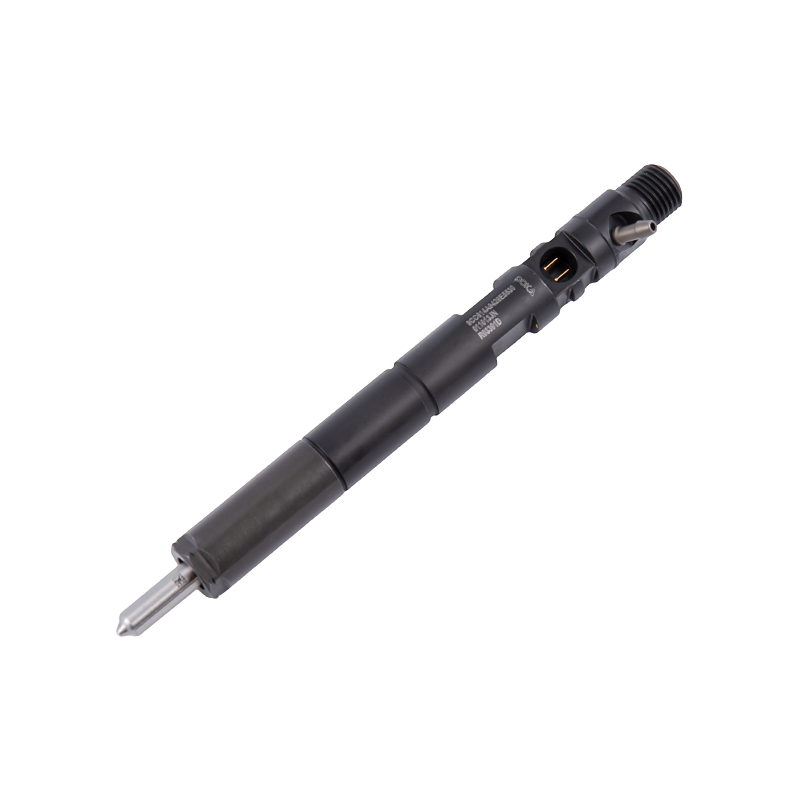
The product compatible with Delphi EJBR03301D fuel injector from the Multec Seri...
See Details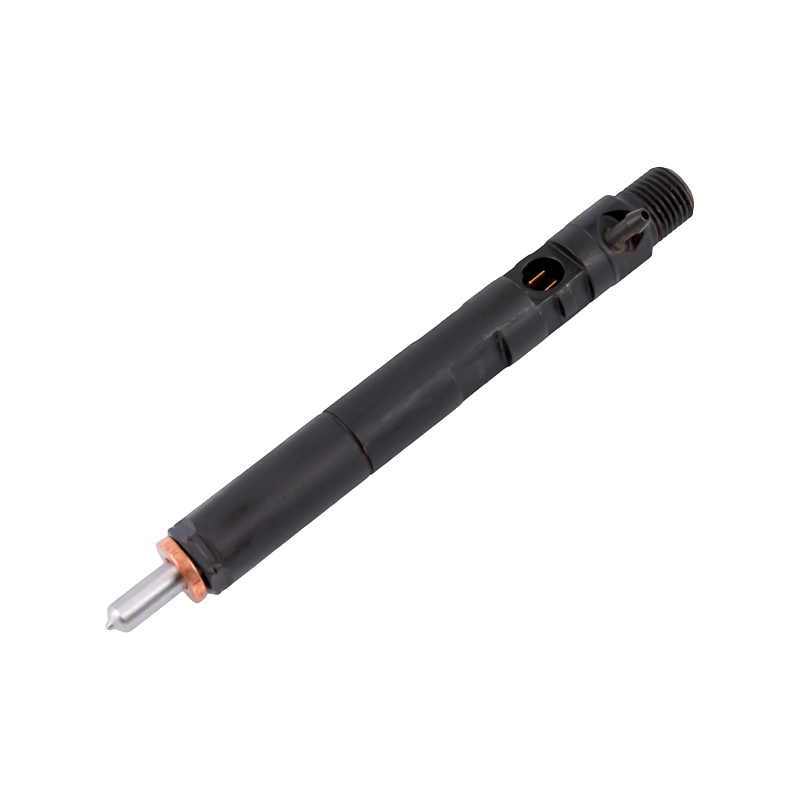
The product compatible with Delphi EJBR01801A fuel injector in the Multec Series...
See Details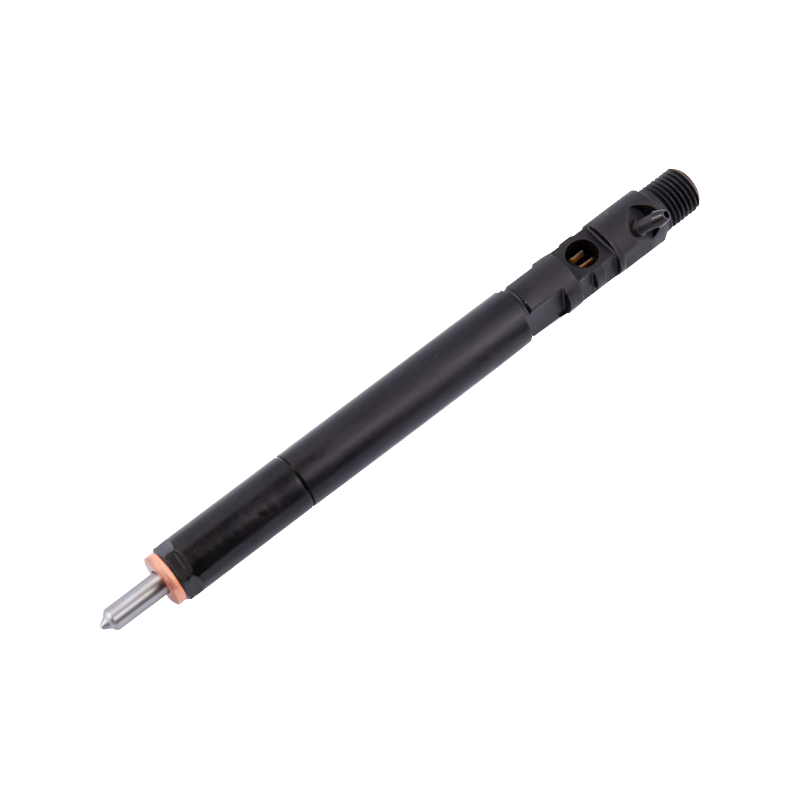
The product compatible with Delphi EJBR04701D fuel injector from the Multec Seri...
See Details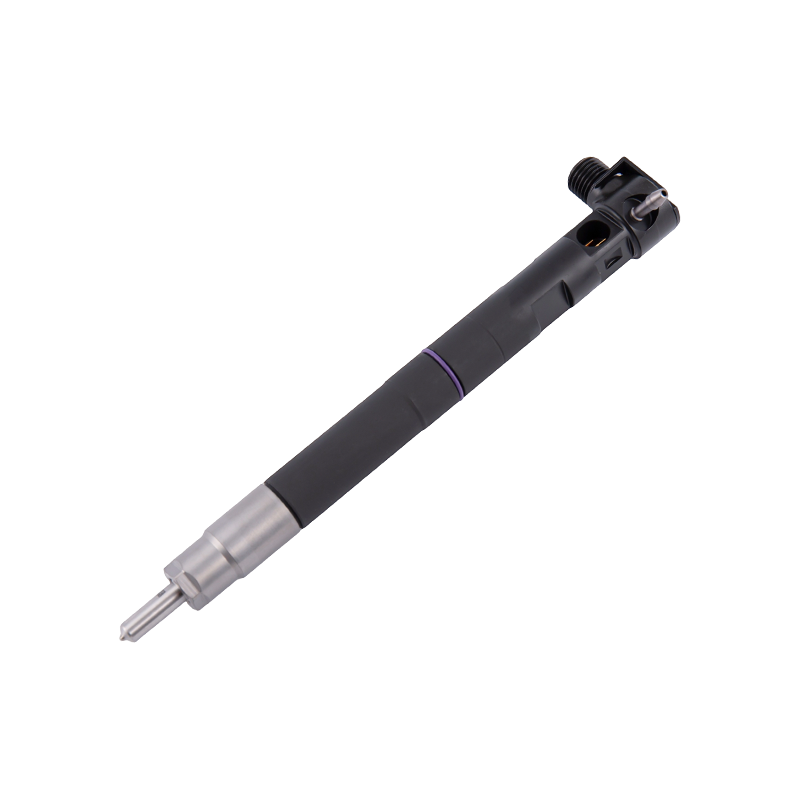
The product compatible with Delphi 28236381 fuel injector from the Multec Series...
See Details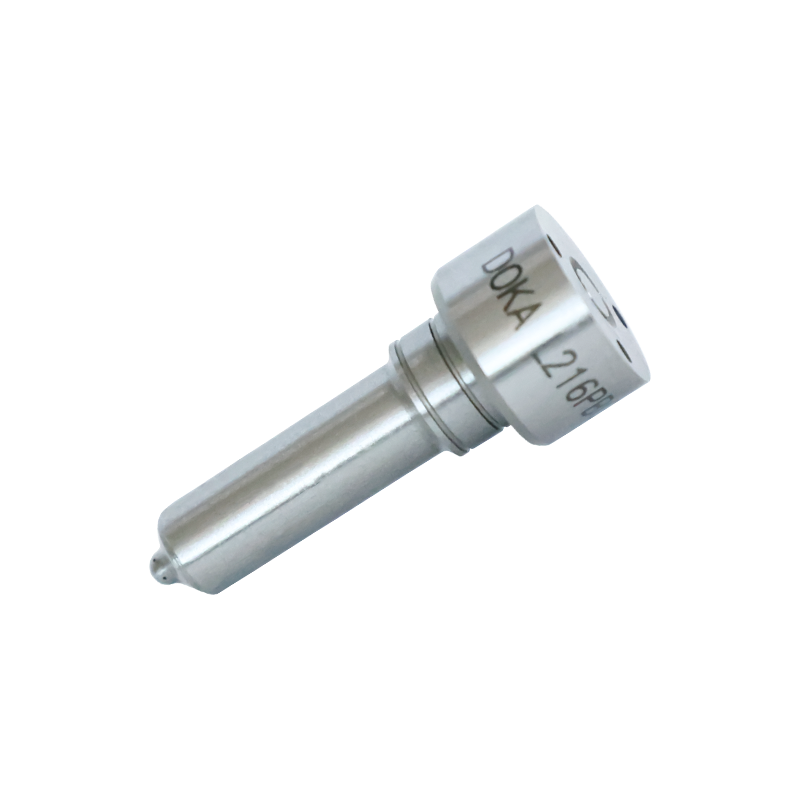
The L216PBC Common Rail Fuel Nozzle is specifically designed for Delphi BEBE4D08...
See Details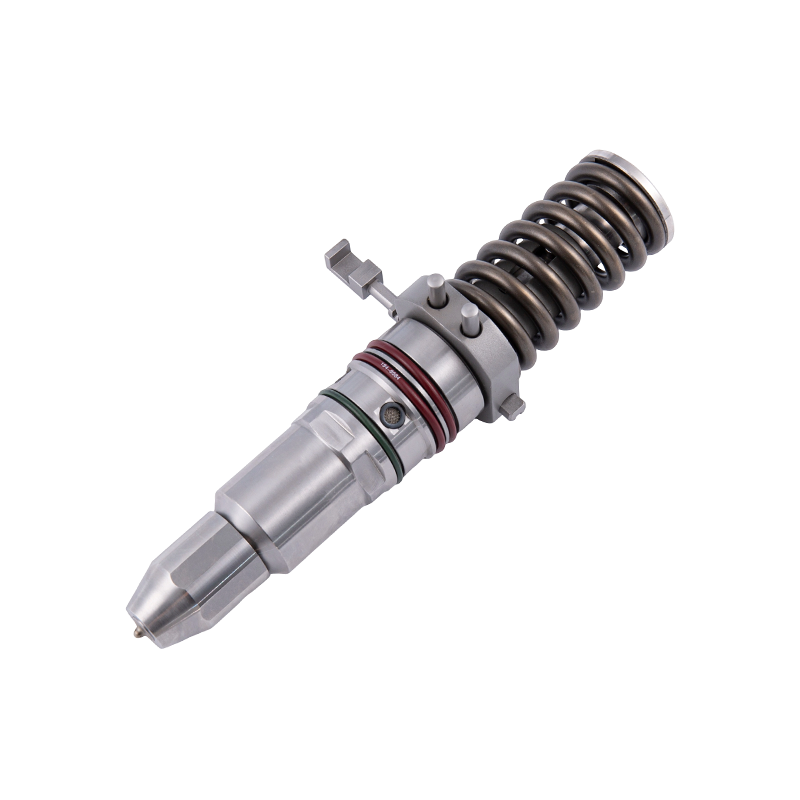
The fuel injector compatible with Caterpillar CRI/CRS series 3500A-111-3718 is d...
See Details