中文
 English
 русский
 Español
News
Excellent product with exquisite craftsmanship.
 sales2@wxdoka.com
 +86-15190391637
 No.18 Xiangge Road, Hudai Town, Binhu District, Wuxi, China
If you have spent any time sourcing diesel fuel system parts, you already know that the phrase "China high-pressure fuel injector manufacturers" covers an enormous range of businesses — from small workshops assembling a few hundred units a month to plants shipping well over a million sets a year. Having worked in this corner of the industry for more than fifteen years, we have noticed that the questions buyers ask have barely changed: is this a real factory, will the parts hold up in service, and how do I compare one quotation fairly against another?
This article is our honest attempt to answer those questions from the inside. It is written by people who spend their days on injector assembly lines in Wuxi, but it is meant for purchasing managers, repair shop owners and engine builders who need to make a sensible decision — not for anyone looking for a sales pitch.
Content
Diesel fuel injection is a precision discipline. A nozzle orifice measured in microns, a control valve that must seal and release thousands of times per minute, a plunger that has to hold pressure without weeping — none of this tolerates guesswork. What China built over the past two decades is not simply cheap labour, but an unusually dense cluster of machining, heat treatment, lapping, coating and metrology suppliers sitting within a few hours of each other.
For buyers, that density has three practical consequences:
That last point matters more than the other two combined. Price differences between quotations of 30–50% on the same part number almost always trace back to what happens before shipping, not to labour costs.
Most disappointments in this category begin with a supplier who cannot be clearly classified. Rather than asking "are you a factory?" — everyone says yes — ask questions whose answers can be verified.
A genuine manufacturer can describe the grinding and lapping sequence for the nozzle seat and tell you which parameters are controlled in-house. An assembler will talk about suppliers instead. There is nothing wrong with assembling, but you should know which model you are paying for.
Ask for the test list, not the test claim. A serious line records opening pressure, return flow across a pressure sweep, spray pattern or atomisation quality, solenoid or piezo response time, and internal leakage. Ask whether units are tested individually or by sampling, and whether the record travels with the serial number.
Traceability is the cheapest insurance you will ever buy. A batch number that links back to a bench record, a date and an operator is what lets you isolate a problem later instead of quarantining an entire container.
One useful shorthand when evaluating any manufacturer is to look at breadth. A supplier that only offers a few high-volume part numbers is usually a reseller; a supplier that carries complete families, including the low-volume variants and the wear parts inside them, has invested in tooling. Below is the structure of our own catalogue, which is fairly typical of an established Chinese fuel injection producer.
| System family | Typical applications | What to verify before ordering |
|---|---|---|
| Bosch-compatible CRI 110 and CRIN 120 common rail injectors | Light commercial vehicles, pickups, industrial engines | Nozzle matching, solenoid response, flow spread across the batch |
| DENSO-compatible G2 and X1 series | Passenger cars, off-road and agricultural engines | Solenoid versus piezo identification, calibration coding |
| Caterpillar-compatible HEUI and CRI/CRS | Excavators, loaders, mining and road-building equipment | Oil-actuated versus common rail design, sealing kit completeness |
| Delphi-compatible Multec and HDU series | Passenger cars, light commercial fleets | Connector type, armature design, coding compatibility |
| Yanmar-compatible single- and twin-cylinder fuel parts | Mini tillers, generators, small gensets | Pump element pairing, plunger fit, injector thread size |
| Nozzles and valve assemblies (DLLA, P, S and J series) | Injector rebuild and repair workshops | Orifice geometry, lapping quality, batch-to-batch consistency |
If you are rebuilding rather than replacing, it also helps to understand how a high-pressure fuel injector actually works before choosing between a new unit and a component-level repair.
 Common Rail Injector 0445120236 for Perkins and Cummins GensetsCompatible with Perkins 1106D and Cummins QSK60 generator sets and rated Non-Road Euro V, this piezo-driven injector supports multi-injection and DPF regeneration strategies.View Product →
Modern injector manufacturing is less about a single clever machine and more about a chain of small controls that reinforce each other. In our own plant, the chain starts with simulation work — flow modelling and structural analysis — before any metal is cut, then moves to tooling and lapping, then to assembly and calibration, and finally to bench validation under load.
Two capabilities tend to separate the capable plants from the rest. The first is a flexible line: the ability to produce nozzles, plungers and delivery valves side by side rather than depending on an outside supplier for one of them. The second is environmental and endurance testing — running units through temperature cycling, contaminated fuel scenarios and extended duty cycles, because a large share of field failures are not manufacturing defects at all but contamination and thermal stress.
Our own annual output sits above 1.2 million sets, which sounds impressive until you realise it is simply the volume required to keep this kind of tooling economically healthy. Scale in fuel injection is a side effect of precision, not a substitute for it.
Compatibility is not only about the part number. The duty cycle a unit sees in a mini tiller is nothing like the duty cycle in a 20-tonne excavator, and the right specification follows the application.
Single- and twin-cylinder diesel engines used in tillers, water pumps and small gensets are mechanically simple but extremely sensitive to fuel quality. Plunger and barrel fit, delivery valve sealing and injector opening pressure consistency matter more here than any electronic feature, because there are no electronics at all. Buyers in this segment should prioritise batch consistency above unit price.
Machines working in dust and vibration punish sealing surfaces. Hydraulically actuated electronic units in particular need correct oil supply and clean filtration, so a good supplier will ask about the machine's maintenance history before recommending a replacement.
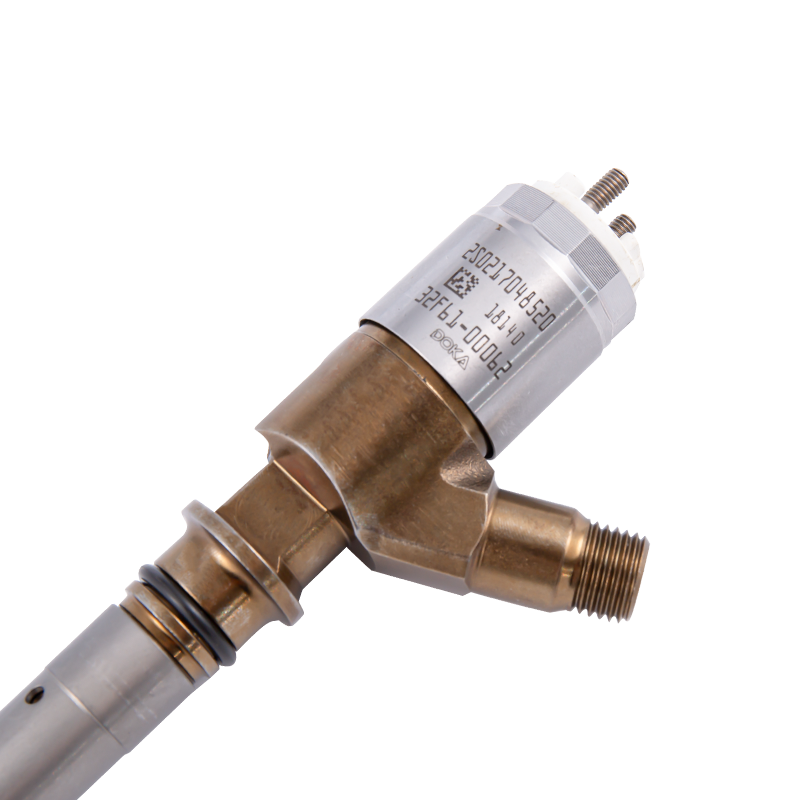 Caterpillar HEUI Fuel Injector C6-212-3460 for C6.6/C7.1Mechanically controlled HEUI injector for C6.6 and C7.1 Tier 3 engines, suited to construction machinery and generator sets with varying fuel quality.View Product →
Here the constraint is usually calibration. Piezo and solenoid units are not interchangeable, and coding must match the engine control strategy. When ordering for a fleet, send the original calibration code together with the part number — it removes most of the ambiguity in a single step.
 Denso G2 Common Rail Injector 095000-5471 for Euro IV EnginesReplacement common rail injector for Toyota 1KD-FTV and Mitsubishi 4M41 Euro IV engines, with precise solenoid control and optimized pilot injection for smoother idle.View Product →
A common misunderstanding is that a Chinese manufacturer will happily ship ten units at container pricing. In practice, precision parts have a floor: setting up a lapping and calibration run for a single small batch costs nearly the same as for a large one. Expect meaningful price breaks at a few hundred units and stable pricing beyond that.
Lead time behaves similarly. Standard catalogue items often ship from stock within days, while non-standard variants need tooling time. If a supplier quotes an identical lead time for every part number in the catalogue, that is worth a follow-up question. For rebuilders working through our common rail nozzle range, we usually recommend keeping a small buffer of the highest-turnover references rather than ordering strictly to demand.
We are a fuel injection manufacturer based in Wuxi, working under the DOKA brand, and we have spent more than fifteen years building injectors, nozzles and pump components for agricultural, construction, marine and automotive diesel engines. We are not the right supplier for every buyer — if you need ten units of a single odd reference, a local distributor will serve you better and faster.
But if you are consolidating a parts programme, developing a private-label line, or trying to solve a repeat failure that nobody has explained properly, we are worth a conversation. Send us the part number, the engine model and the symptom, and we will tell you honestly whether the problem sits in the injector, in the fuel supply, or in the specification itself. That first technical answer costs nothing, and it is usually the most useful thing a manufacturer can give you.
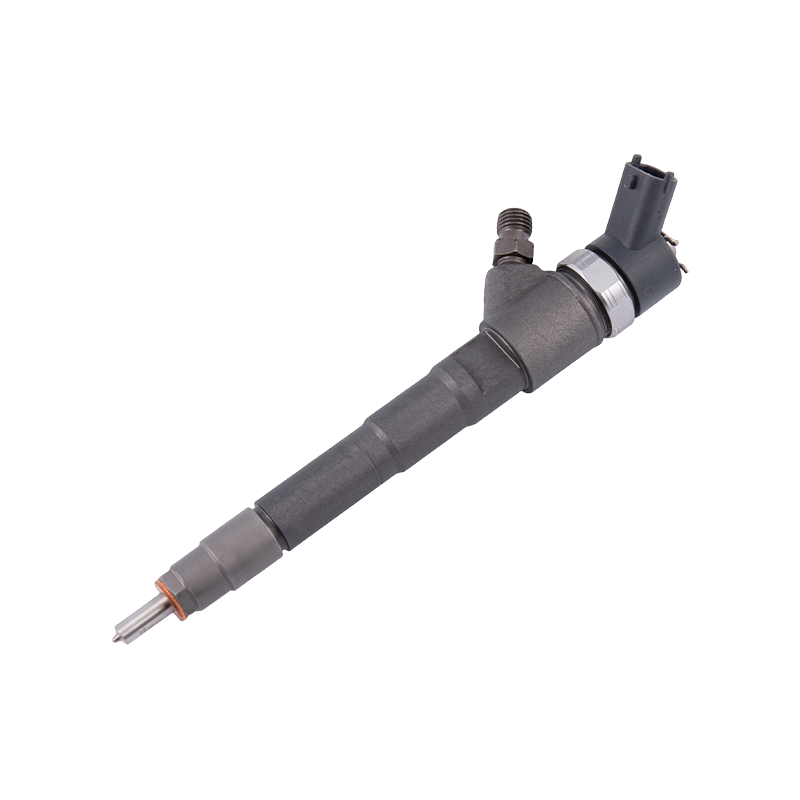
The 0445110273 common rail diesel injector is compatible with the Bosch CRI 110 ...
See Details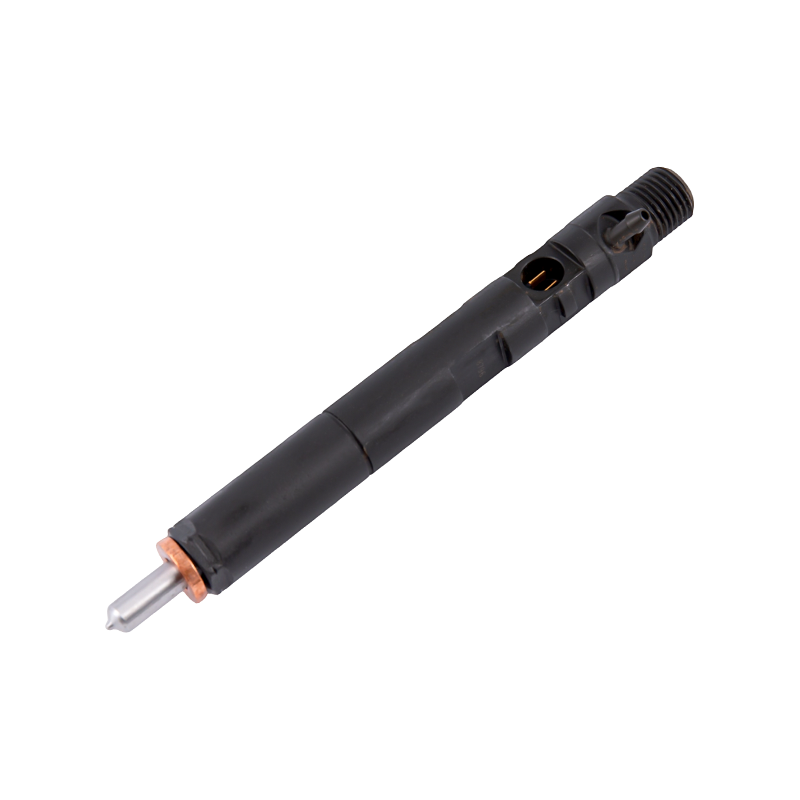
The product compatible with Delphi EJBR01801A fuel injector in the Multec Series...
See Details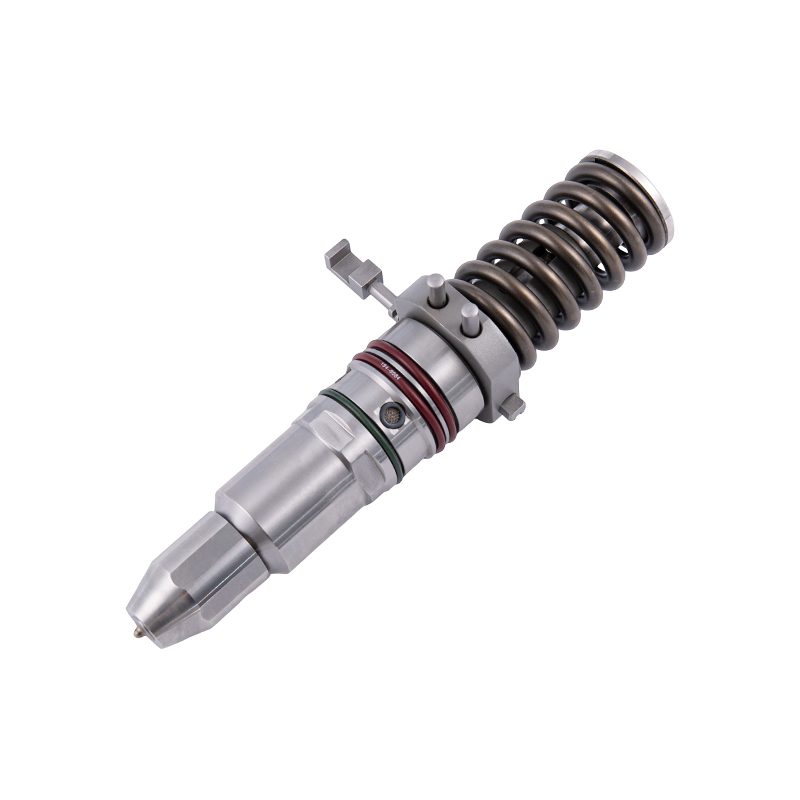
The fuel injector compatible with Caterpillar CRI/CRS series 3500A-111-3718 is d...
See Details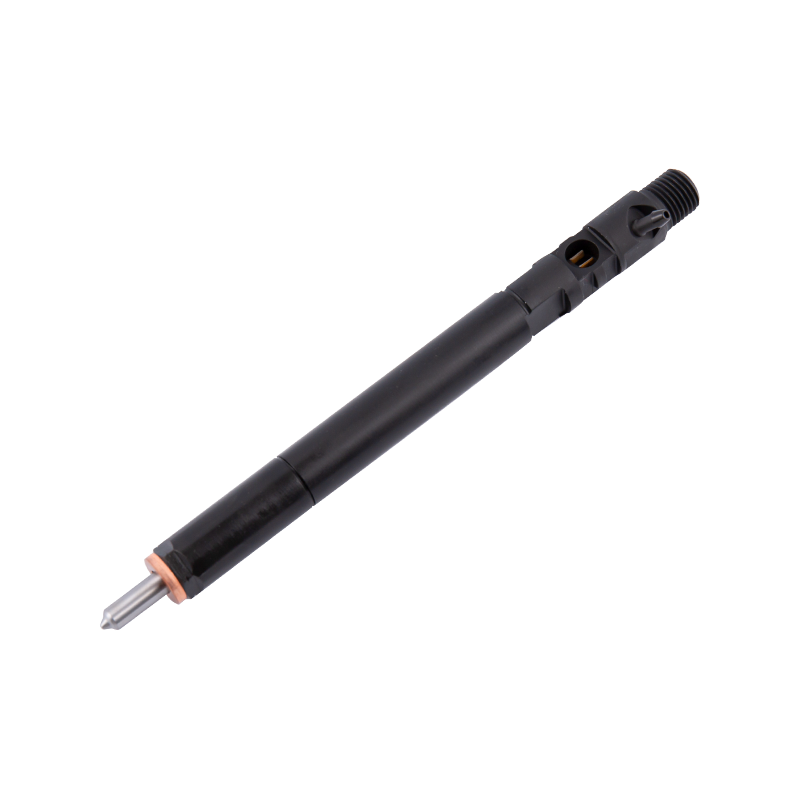
The product compatible with Delphi EJBR04701D fuel injector from the Multec Seri...
See Details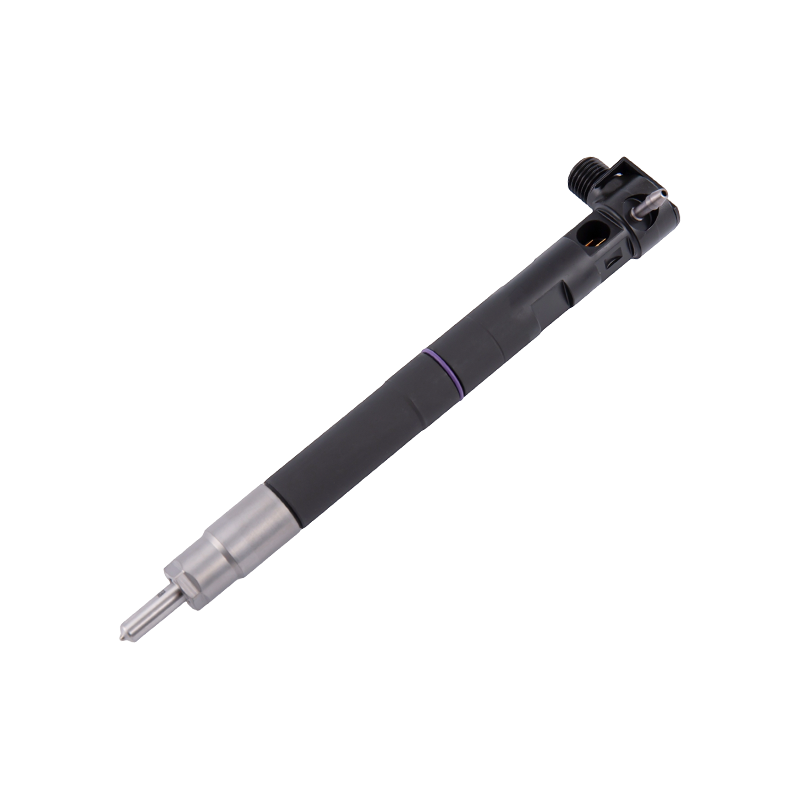
The product compatible with Delphi 28236381 fuel injector from the Multec Series...
See Details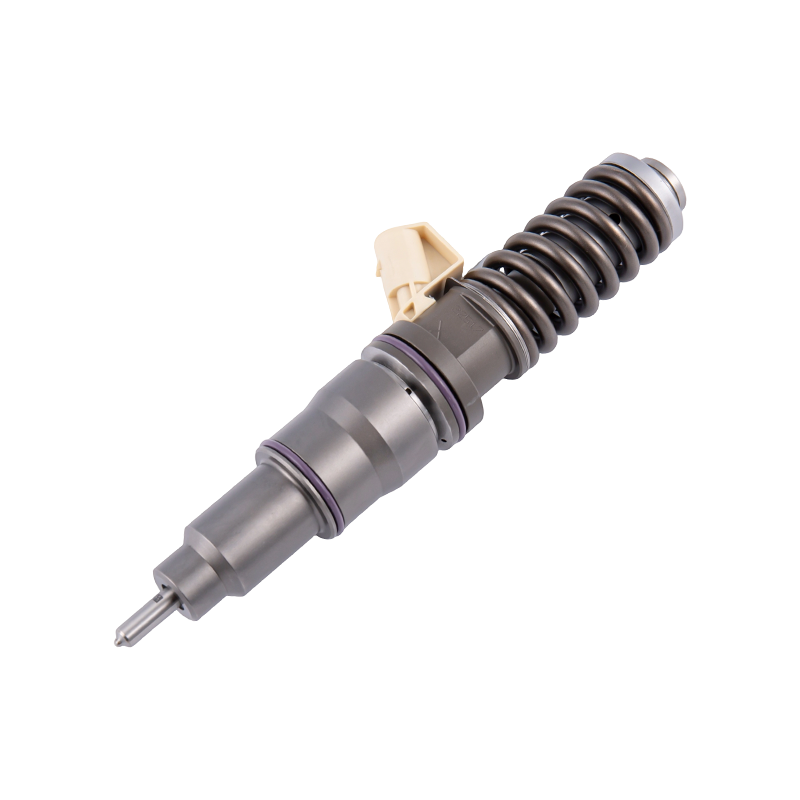
The product compatible with Delphi 20440388 fuel injector from the HDU Series is...
See Details