中文
 English
 русский
 Español
News
Excellent product with exquisite craftsmanship.
 sales2@wxdoka.com
 +86-15190391637
 No.18 Xiangge Road, Hudai Town, Binhu District, Wuxi, China
If you have spent any time sourcing diesel fuel parts, the phrase “China Denso injectors” probably arrives with two different associations. One is practical: a broad range of compatible DENSO-style injectors, nozzles, and valve assemblies made in China, often at a workable price for repair shops and aftermarket distributors. The other is caution: stories about counterfeit units, poor fitment, and early failures.
Both associations deserve attention. Neither tells the whole story. Origin alone does not decide whether an injector is good or bad. What matters is whether the supplier can identify the correct family, control nozzle and valve precision, validate the unit on a bench, and stand behind the part after it leaves the factory. That is the ground we will cover here, from the bench side rather than from a sales brochure.
Content
DENSO is an original equipment name. In the aftermarket, Chinese manufacturers produce compatible replacements for DENSO G2 common-rail injectors, G2 piezoelectric direct-controlled injectors, and X1 mechanical injectors. A legitimate replacement is built to match a specific part number and application. A counterfeit borrows the name, packaging, or appearance without the same control over materials and calibration.
The useful question is not “Is it from China?” but “Can this supplier prove the part matches the system it is going into?” DENSO families do not share one universal service logic. The table below shows the first distinctions we check in practical workshop conversations.
| Family | Typical control | First check |
|---|---|---|
| G2 common rail | Solenoid or common-rail control | Full injector number and engine application |
| G2 piezoelectric | Piezo direct control | Correct control family, not just physical fit |
| X1 mechanical | Mechanical actuation | Linkage, setting, and mechanical wear points |
For a workshop, the practical value of buying from a Chinese specialist is access to a wide part range and responsive communication. The risk appears when a listing treats every 095000 number as interchangeable. It never is.
Counterfeit warnings are not snobbery. A fuel injector sits at the center of combustion timing, fuel volume, and emissions control. If nozzle geometry is off, the spray pattern can be wrong. If the valve group is poorly matched, the injector may leak, stick, or deliver unevenly. The driver notices rough idle, smoke, higher fuel use, or limp mode. The workshop notices comebacks, damaged bores, and a customer who has lost trust.
The reverse is also true: a well-controlled aftermarket injector can be a sound repair choice, especially for older diesel engines where the original part is expensive or difficult to source. The key is to separate manufacturing origin from manufacturing discipline.
When our team talks with a new buyer, we look for the same things a buyer should ask us. It is a conversation about evidence, not nationality.
Ask for the OEM reference number, engine application, connector type, and any coding requirement. A serious supplier should be comfortable saying, “That number does not match this family.” With more than 15 years in high-pressure fuel injection, our own approach at DOKA is to treat every inquiry as a matching problem first.
Look for bench validation, leak checks, spray pattern checks, and records that tie the unit to a batch. Our production combines simulation, bench verification, assembly adjustment, and environmental testing. The aim is repeatability, not a decorative certificate. You can browse the DENSO injector series to see how parts are separated by family and part number rather than lumped together.
Warranty terms, packaging, lead time, and return handling should be clear before the order. A supplier who is vague about these details will usually be vague about quality too.
A DENSO G2 common-rail injector for one engine may look similar to another, but internal flow characteristics, nozzle matching, and solenoid or piezo control can differ. Before ordering, match the full part number and confirm the application. This matters even more when an engine has been swapped or when a machine was imported from another market.
As an example of how a reference part should be listed, our DENSO G2 common-rail injector for 0950005471 is identified by its own application rather than by a broad family label.
 DENSO G2 Common-Rail Injector 095000-5471 for 1KD-FTV and 4M41Euro IV common-rail injector for Toyota 1KD-FTV and Mitsubishi 4M41 engines, listed by specific application for clearer replacement matching.View Product →
If you are unsure, send clear photos of the injector body, connector, and stamping. Good photos often save more time than a long description.
From the outside, two injectors can look identical. Inside, differences show up in nozzle finish, valve seating, spring control, and cleanliness during assembly. A workshop does not need a metallurgy lab, but it can ask sensible questions. Is the nozzle matched to the injector? Is the valve assembly correct for the part number? Is the unit tested after assembly? Is it packed to prevent contamination?
Our experience with high-pressure fuel systems has taught us that cleanliness is not a detail. A tiny particle can score a precision surface before the engine reaches operating temperature. That is why assembly environment, handling, and end-of-line checks matter as much as a headline specification.
For piezoelectric direct-controlled G2 units, the control principle differs from a solenoid injector, so the replacement must match the correct family. Our DENSO G2 piezoelectric direct-controlled injector for 0950006070 is one example of a part identified at that level rather than treated as a generic common-rail unit.
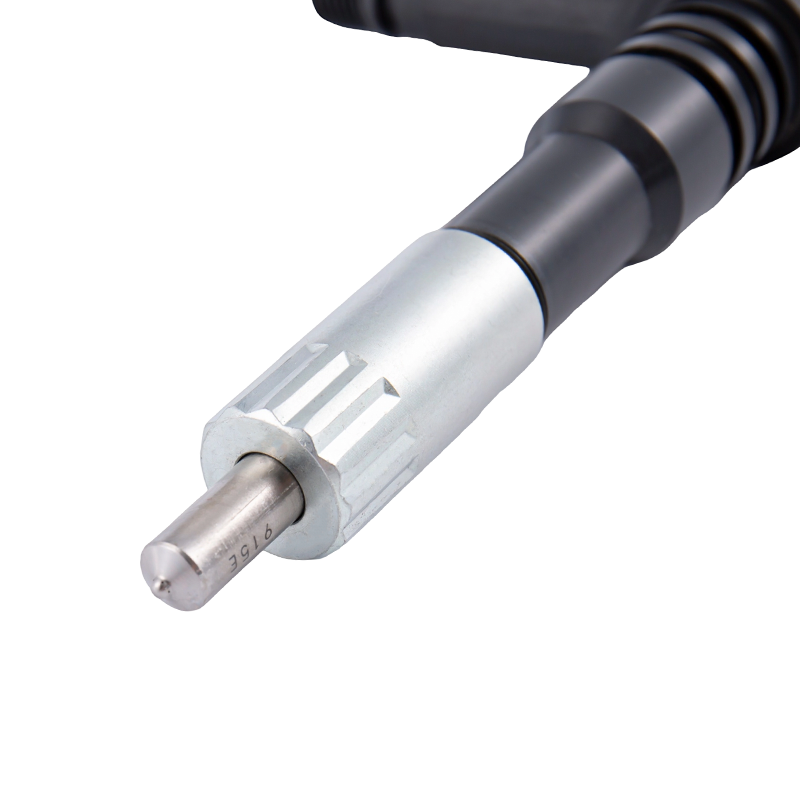 DENSO G2 Piezoelectric Injector 095000-6070 for Komatsu Excavators and LoadersPiezoelectric direct-controlled injector for Komatsu PC350-7, PC400-7, WA320 and WA470 models, matched to the G2 family for demanding work applications.View Product →
Even a correctly matched injector can have a short life if the fuel system is dirty or the installation is rushed. Clean the rail and lines when the job calls for it, replace filters, check for metal debris, and follow the specified torque and coding procedure. Do not use a “close enough” seal or reuse contaminated fuel.
After installation, watch idle quality, smoke, fuel trim, and return flow. If something is wrong, diagnose it early rather than running the engine for hours. Our DENSO injector maintenance guide covers everyday handling and storage habits in more detail.
Before you approve a purchase of China Denso injectors, run through this short checklist:
None of these steps is exotic. They simply replace guesswork with a paper trail.
The short version: “China Denso injectors” is not a quality grade. It is a sourcing category that includes excellent aftermarket parts, mediocre parts, and outright fakes. The difference is found in part-number discipline, controlled manufacturing, bench validation, and honest communication.
At DOKA, we have spent more than 15 years in high-pressure fuel injection, and we still treat every DENSO-family inquiry as a matching problem first. If a part is right for the engine, the commercial conversation becomes much easier. If it is not, the best service we can offer is to say so before the injector reaches your bench.
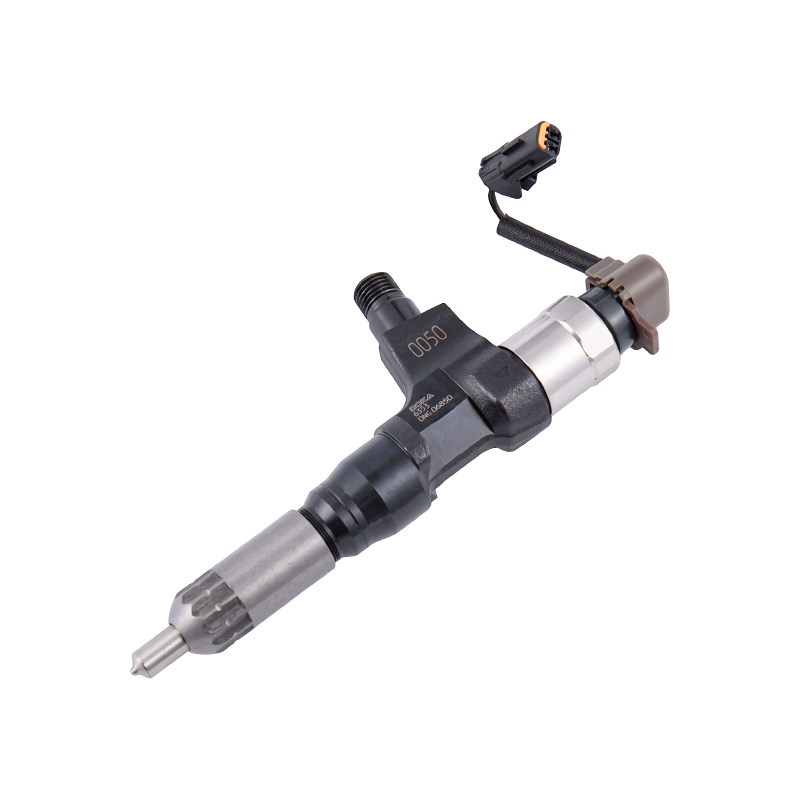
This product is compatible with Denso G2 series piezoelectric direct-controlled ...
See Details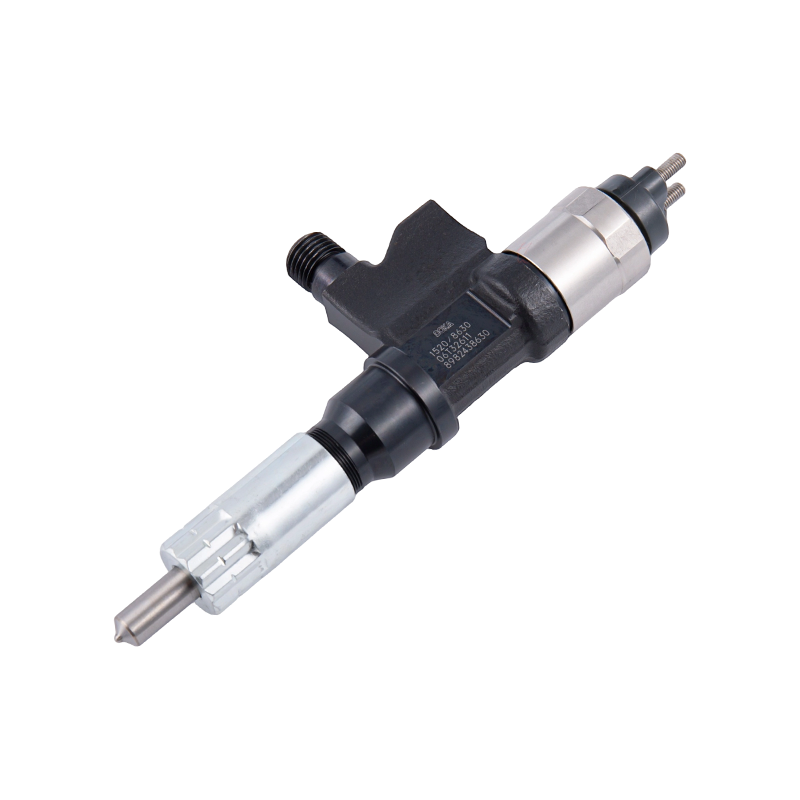
The fuel injector compatible with DENSO 295050-1520, a piezoelectric direct-act...
See Details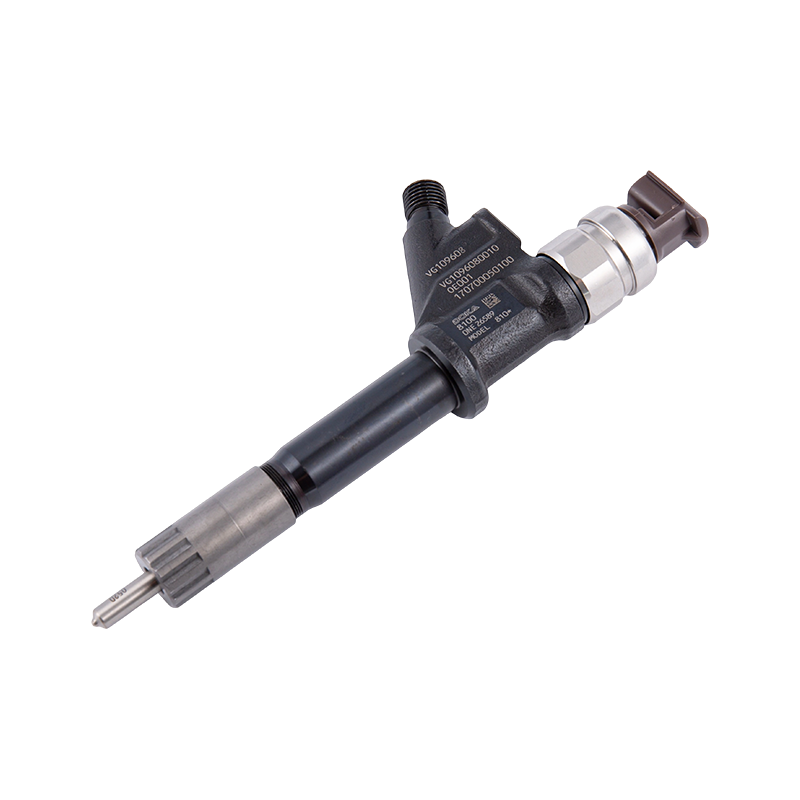
This product is compatible with Denso G2 series piezoelectric direct-controlled ...
See Details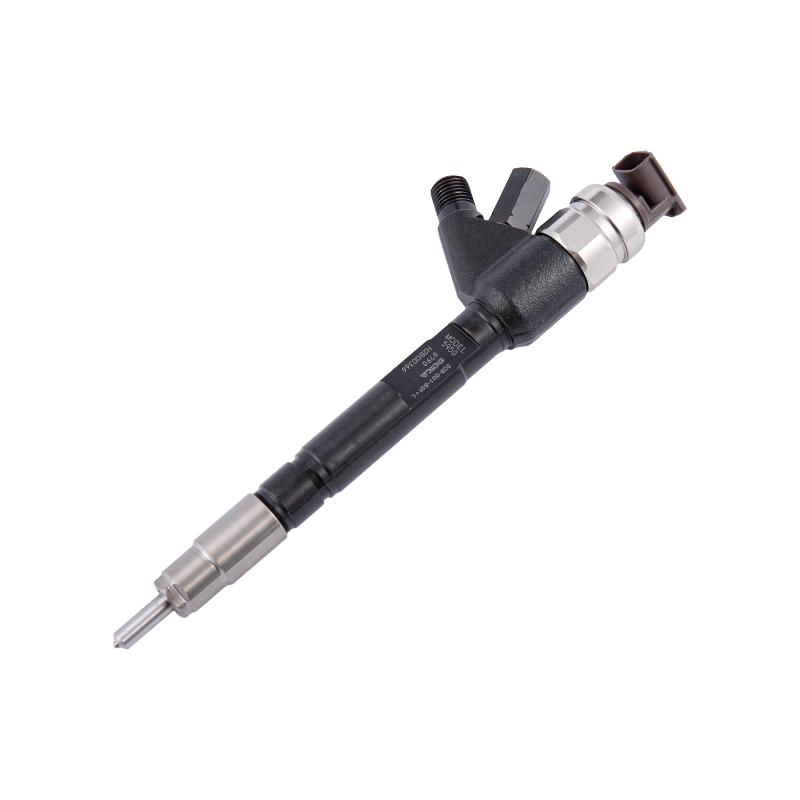
Compatible with DENSO 095000-6790 fuel injector, part of the G2 Series, is desig...
See Details
Compatible with DENSO 095000-5471 fuel injector, which is part of the G2 Series,...
See Details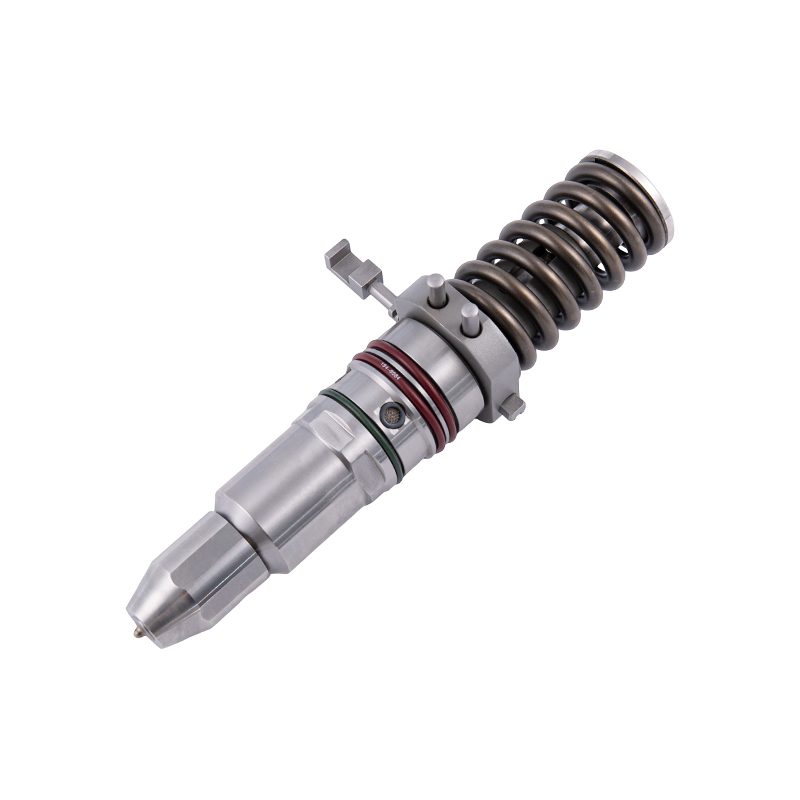
The fuel injector compatible with Caterpillar CRI/CRS series 3500A-111-3718 is d...
See Details