中文
中文 English
 русский
 Español
News
Excellent product with exquisite craftsmanship.
 sales2@wxdoka.com
 +86-15190391637
 No.18 Xiangge Road, Hudai Town, Binhu District, Wuxi, China
The shift fork is one of those transmission components that rarely gets attention until something goes seriously wrong. Hidden inside the gearbox, it plays a critical role in engaging and disengaging gears by physically moving the synchronizer sleeve along the shaft. When a shift fork wears out, bends, or breaks, the entire shifting process is compromised — and if left unaddressed, it can lead to costly transmission damage. Knowing how to identify the warning signs early can save you from a full rebuild.
Content
Before diagnosing a problem, it helps to understand the component's function. A shift fork is a forked metal piece inside the transmission that sits in a groove on the synchronizer sleeve. When you move the gear lever, the shift fork pivots or slides, pushing the synchronizer into contact with the gear you want to select. Most manual transmissions have multiple shift forks — typically one per gear pair — and they must align precisely to ensure clean gear engagement.
Because the shift fork is in constant mechanical contact during every gear change, the contact pads (also called wear pads or fingers) gradually erode over time. In high-mileage vehicles or those subjected to aggressive shifting, this wear accelerates significantly.
The symptoms of a worn or damaged shift fork are often easy to confuse with other transmission issues. However, there are specific patterns that point clearly toward the shift fork as the culprit.
One of the most telling signs is when one particular gear becomes hard to select. If you find yourself forcing the lever into 3rd or 4th gear while all other gears shift normally, the shift fork responsible for that gear pair is likely worn. Because each fork controls a specific gear set, the problem is usually isolated to just one or two gears rather than the entire transmission.
A worn shift fork may fail to fully seat the synchronizer sleeve, leaving the gear partially engaged. Under load — such as when accelerating or during engine braking — the gear can pop out, reverting the transmission to neutral unexpectedly. This is not just inconvenient; it can be dangerous at highway speeds and should be investigated immediately.
When the shift fork's wear pads are excessively worn, it may no longer move the synchronizer sleeve far enough to complete a full engagement. This causes the gear teeth to clash rather than mesh smoothly, producing a grinding sound. While grinding can also indicate a worn synchronizer ring, if the noise is consistent during a specific gear change, the fork should be among the first components you inspect.
A bent shift fork or one with debris caught in the groove can create physical resistance that travels up through the shift linkage to the gear lever. Drivers often describe this as a notchy, stiff, or imprecise feeling when shifting. It's different from a worn bushing or cable stretch — the resistance tends to be directional and linked to a specific gear position.
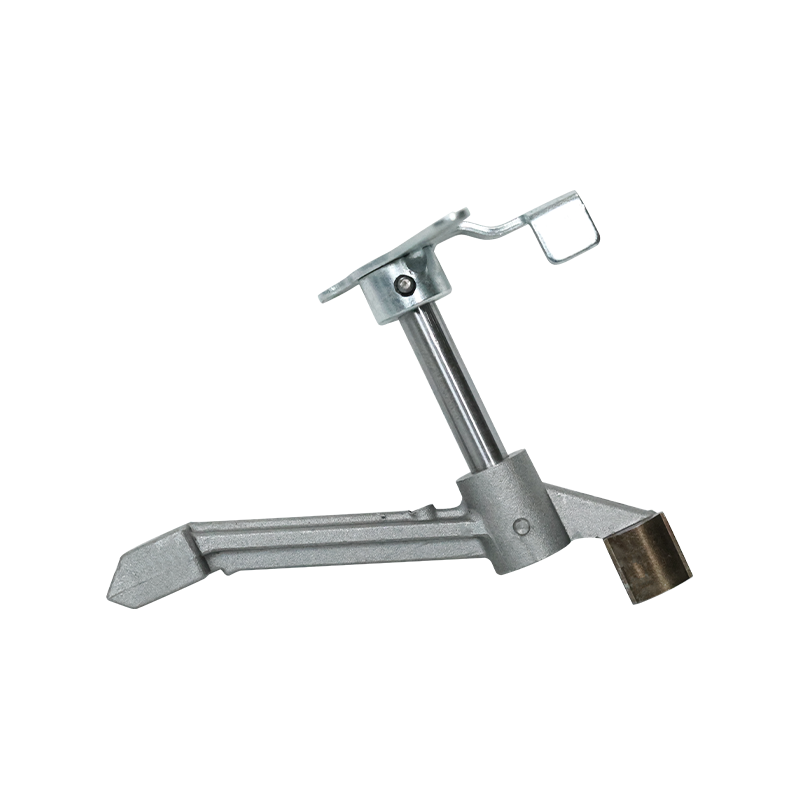
A proper diagnosis requires removing the transmission and opening the gearbox. Once you have access, here's what to check on each shift fork:
Different manufacturers publish different tolerances, but the following general guidelines apply to most passenger vehicle transmissions:
| Inspection Point | Acceptable Range | Replace If |
| Wear pad thickness | ≥ 3.5 mm (typical) | Below manufacturer minimum |
| Fork-to-sleeve clearance | 0.10–0.35 mm | Exceeds 0.5 mm |
| Fork body straightness | No visible deviation | Any bend detected |
| Pivot shaft play | Minimal, snug fit | Noticeable rocking or slop |
Always consult the OEM service manual for your specific transmission model. Specifications can vary considerably between a light-duty passenger car gearbox and a heavy-duty truck or performance application.
Shift fork problems are frequently misdiagnosed because their symptoms overlap with synchronizer failure, worn gear teeth, or linkage issues. Here's how to tell the difference:
Not every worn shift fork needs immediate replacement. Minor wear within tolerance can sometimes be monitored over time, especially if the transmission is not scheduled for a service interval soon. However, replacement should be treated as urgent in the following situations:
If wear is moderate but within spec, document the measurement and recheck at the next transmission service. Avoid aggressive short-shifting or power shifting in the meantime, as these behaviors accelerate fork wear faster than anything else.
When a replacement is confirmed, a few practices will ensure the job is done right the first time. Always replace the shift fork as a matched set with its corresponding synchronizer sleeve if the sleeve groove shows visible wear. Installing a new fork against a worn sleeve will cause the new fork to wear prematurely.
Use OEM or high-quality aftermarket forks that meet the original hardness specifications. Cheap replacement forks made from inferior steel can wear far faster than the originals. During reassembly, verify the fork-to-sleeve clearance with feeler gauges before closing the gearbox, and ensure the shift rail moves smoothly without binding. Proper lubrication of all fork contact surfaces with the correct transmission fluid or assembly lube is essential before final installation.
After reassembly, perform a thorough road test across all gears under varying load conditions. Confirm that every gear engages cleanly, holds under acceleration, and releases without resistance. Any lingering symptom after replacing the fork should prompt a re-inspection of the synchronizer hub and sleeve for secondary damage.
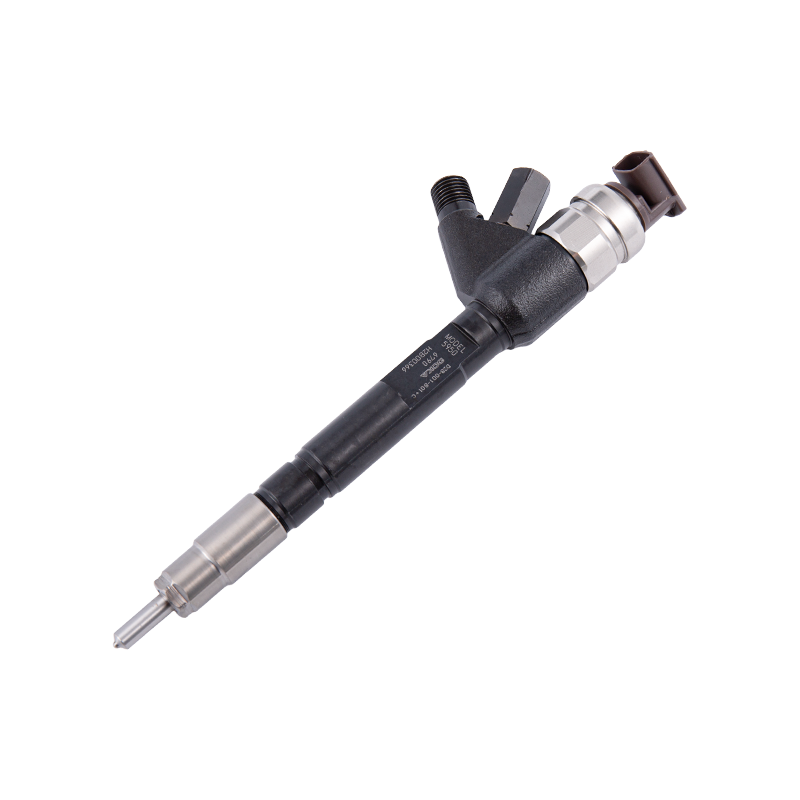
Compatible with DENSO 095000-6790 fuel injector, part of the G2 Series, is desig...
See Details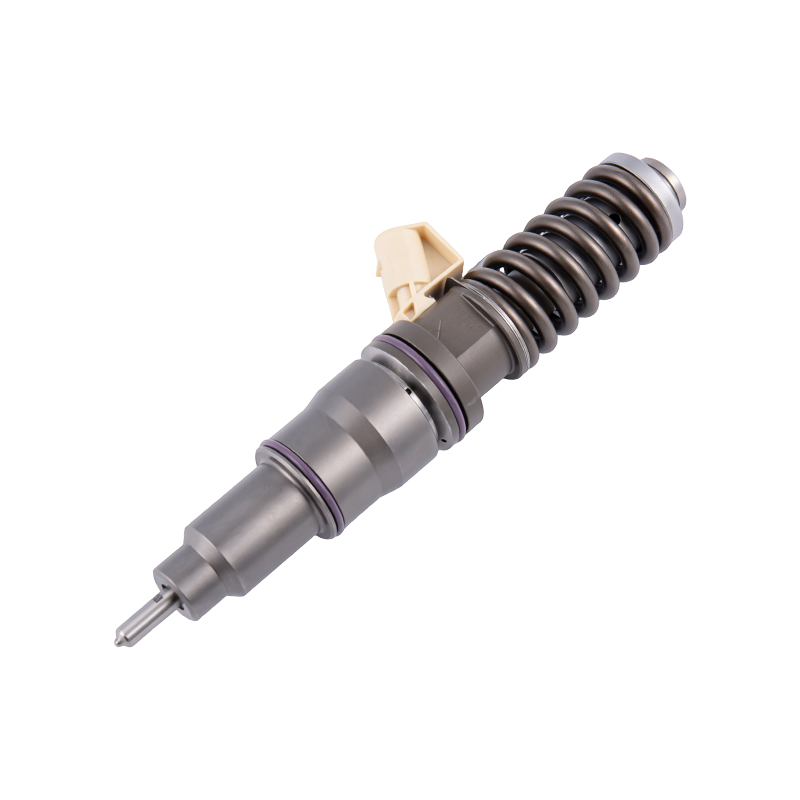
The product compatible with Delphi 20440388 fuel injector from the HDU Series is...
See Details
This product is compatible with Denso G2 series piezoelectric direct-controlled ...
See Details
This product is compatible with Denso G2 series piezoelectric direct-controlled ...
See Details
This product is compatible with Denso G2 series piezoelectric direct-controlled ...
See Details
The product compatible with DENSO 093500-7500 fuel injector—part of the X1 Serie...
See Details